Ancient Chinese coins: knife money, bridge money and cash coins
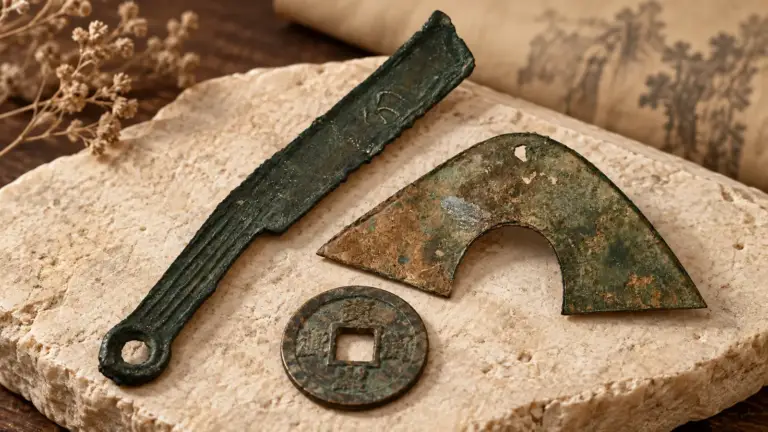
From Zhou-period knife money and bridge money to round cash coins with a square hole: the story of ancient Chinese coins and…
Australasian banknotes from Australia, New Zealand, Fiji and the Solomon Islands, from a wartime Australian pound of 1942 to a graded Fiji specimen and modern polymer. Every note is examined, photographed, described with its own protocol number and guaranteed genuine.
Australasia covers Australia, New Zealand and the island states of the Pacific. This small category holds five notes that together span from the Second World War to the present day.
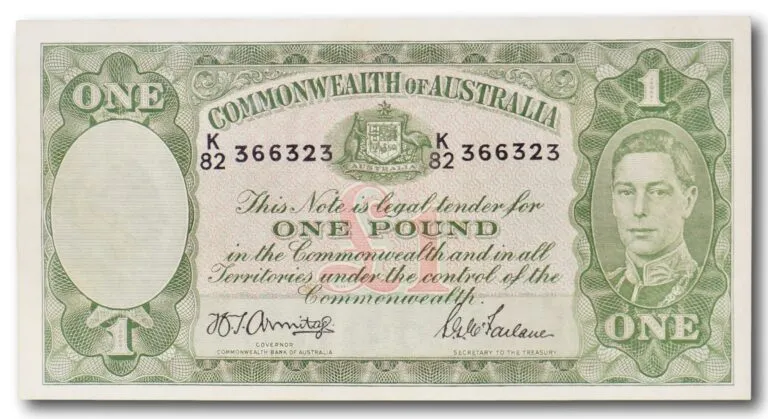
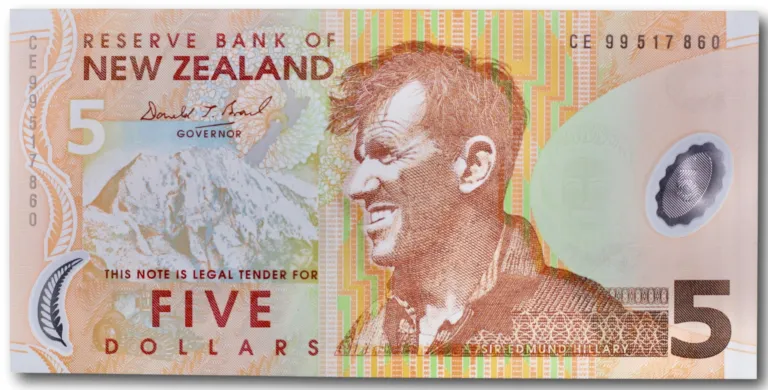
The oldest is an Australian 1 pound from 1942, issued by the Commonwealth of Australia during the war. Australia kept the pound, divided into shillings and pence, until the decimal dollar replaced it in 1966, so pre-decimal notes are a closed chapter for collectors. From New Zealand there is a 5 dollars 2015–2016 on polymer, a material New Zealand has used for its notes since 1999.
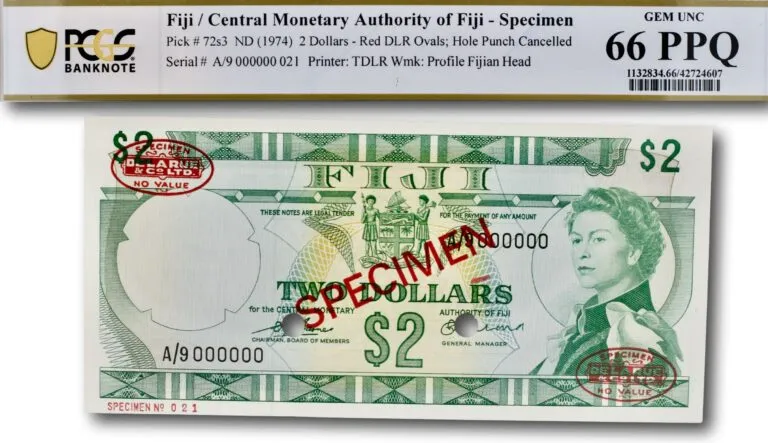
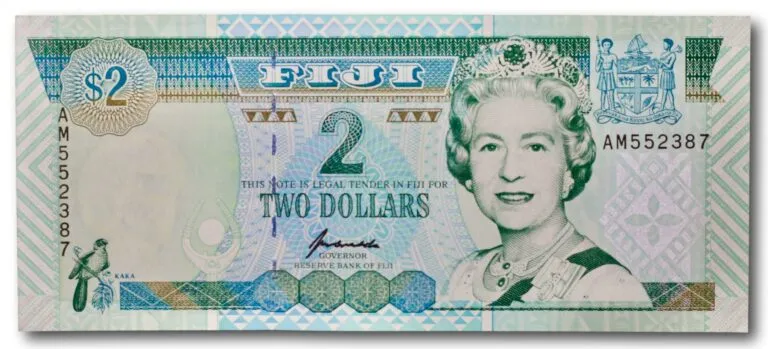
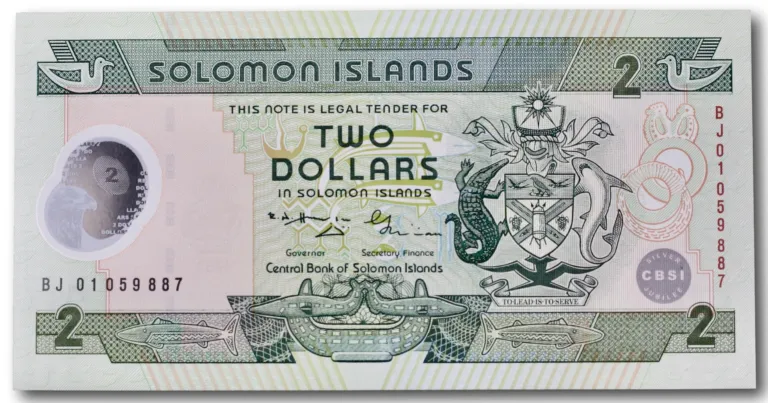
The Pacific islands are represented by Fiji and the Solomon Islands. Fiji introduced its own dollar in 1969, and the category has a Fiji 2 dollars from 2002 and a 2 dollars 1974 specimen. The Solomon Islands got their own dollar in 1977, a year before independence, and are represented with a 2 dollars from 1986.
The Fiji specimen is numbered SPECIMEN NO 021 and cancelled with punched holes. Specimens were made to show central banks and authorities what new notes looked like, and were never legal tender. This note has also been encapsulated and graded by PCGS, one of the large third-party grading services, which gives an independent assessment of its condition.
For paper notes like the Australian pound, look for folds, stains and tired paper; an uncirculated (UNC) note has none. Polymer notes do not fold as easily, but scratches and creases still affect the grade. Serial numbers, signatures and replacement notes add further interest, since they can separate one note from another of the same type.
For coins from the same region, see coins from Australasia, or browse all banknotes.
Australia replaced the pound with the decimal dollar in 1966. Notes such as the 1 pound from 1942 therefore belong to a currency that no longer exists.
PCGS is an independent grading service that seals the note in a protective holder with a grade on the label. It gives a second, neutral opinion on the condition in addition to our own description.
The category currently has banknotes from Australia, New Zealand, Fiji and the Solomon Islands, dating from 1942 to 2016.
Yes. Every item is researched and described as accurately as possible, and Denarius guarantees that everything sold is genuine and as described.
Every item gets its own number when it is catalogued. The number is shown on the product page, so you always know exactly which example it is.
Yes. We ship worldwide. Shipping method and price are shown at checkout before you pay.
Read more
From Zhou-period knife money and bridge money to round cash coins with a square hole: the story of ancient Chinese coins and…
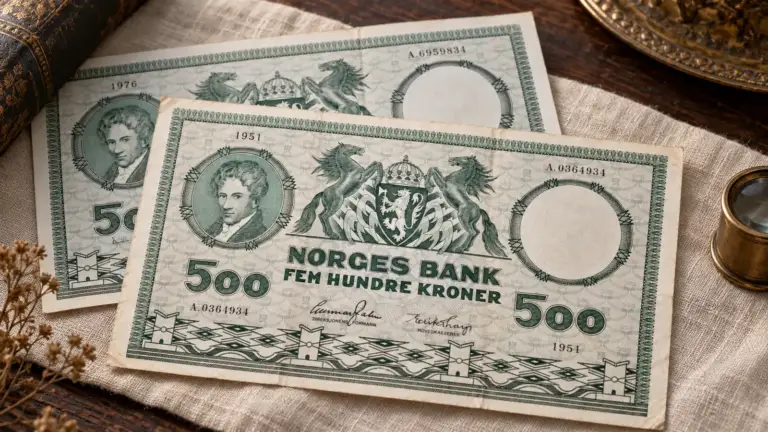
Which old Norwegian banknotes can still be exchanged at Norges Bank, and which only have collector value? The rules, the 500-krone note…
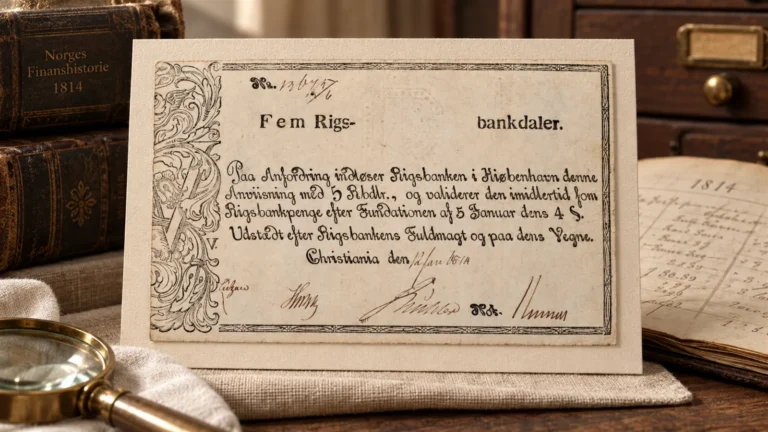
From thor Møhlen’s notes of 1695 to today’s sea-themed series: the history of Norwegian banknotes, the Norges Bank series, what collectors look…