Islamic coins: dinars and dirhams of the caliphates
The gold dinar and silver dirham were created by Caliph Abd al-Malik in 696–699 and carry words instead of portraits. Here is…
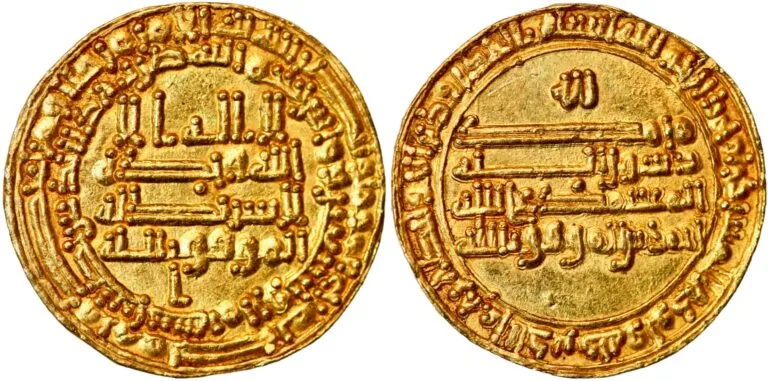
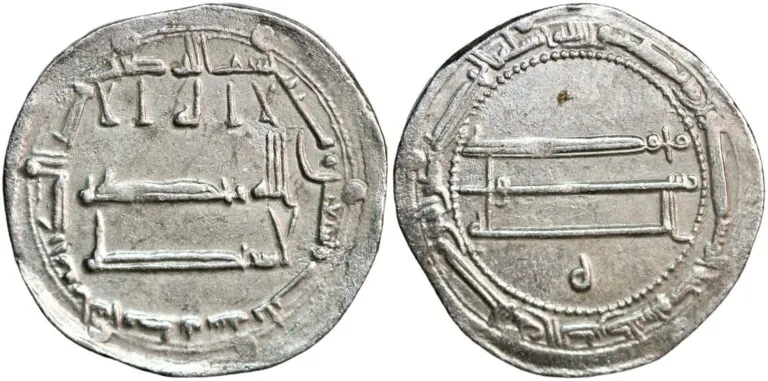
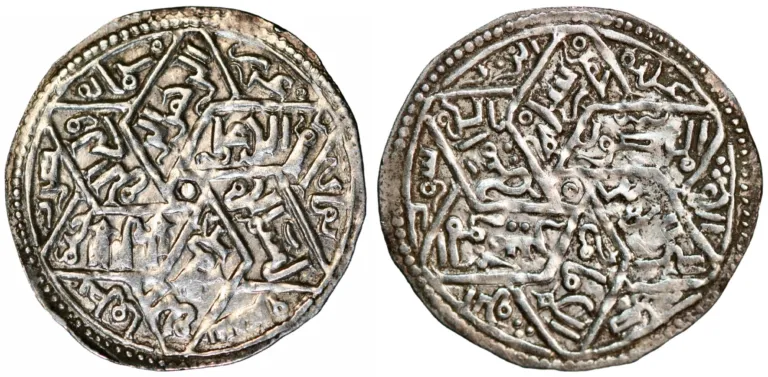
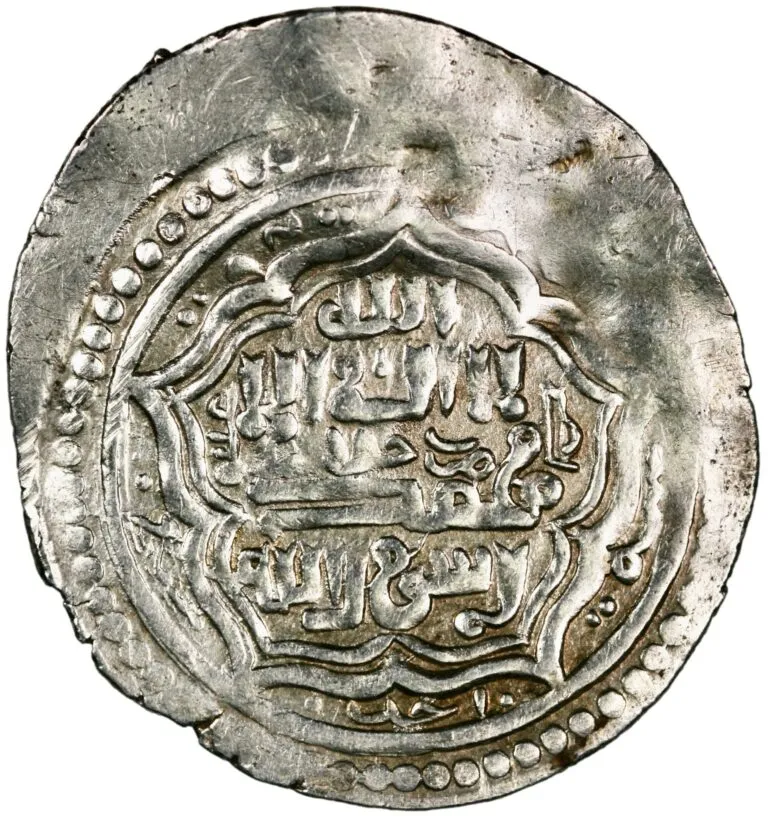
Coins from the Middle East and the wider Islamic world: Abbasid dirhams and dinars, Fatimid gold, Almohad and Ilkhanid silver, an Ottoman sultani, and 19th- and 20th-century coins from Turkey, Egypt and Afghanistan. Each has its own protocol number and is guaranteed genuine.
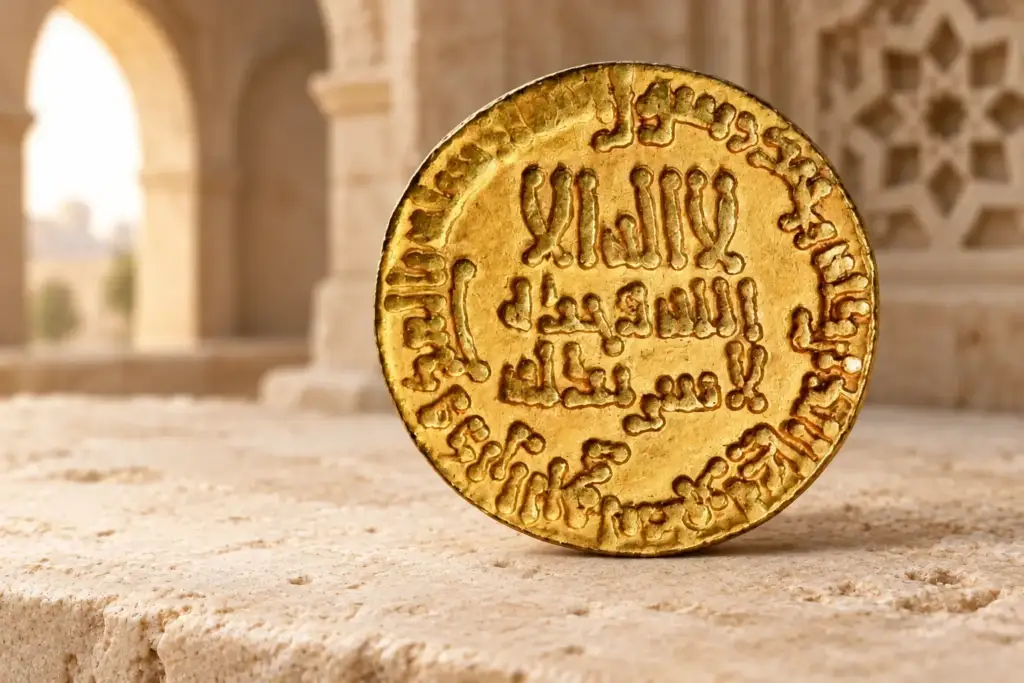
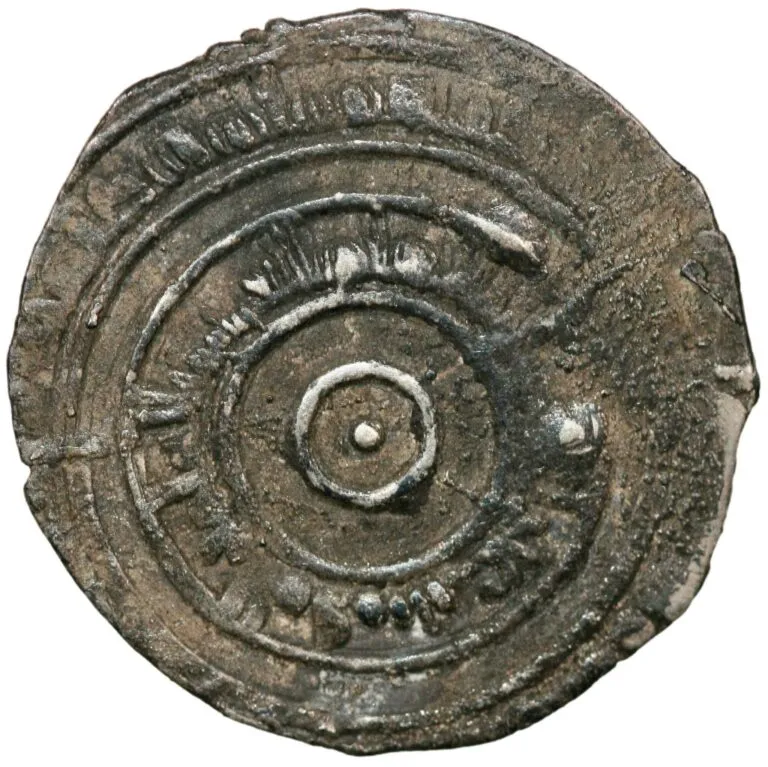
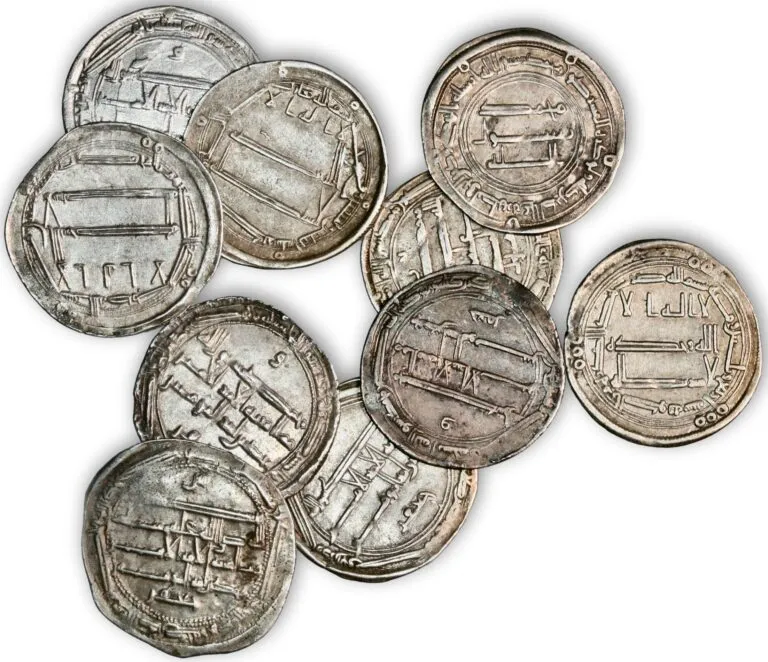
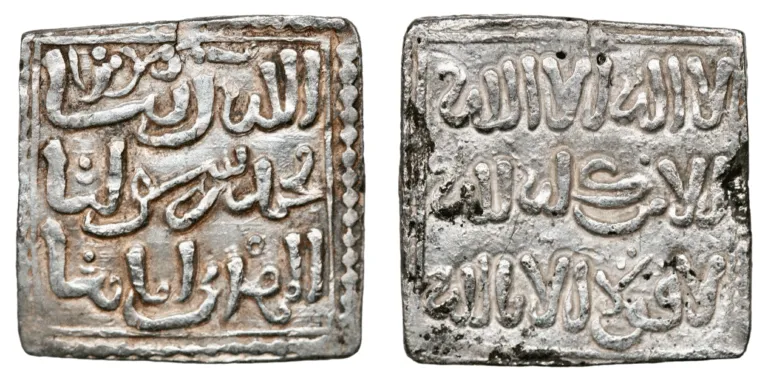
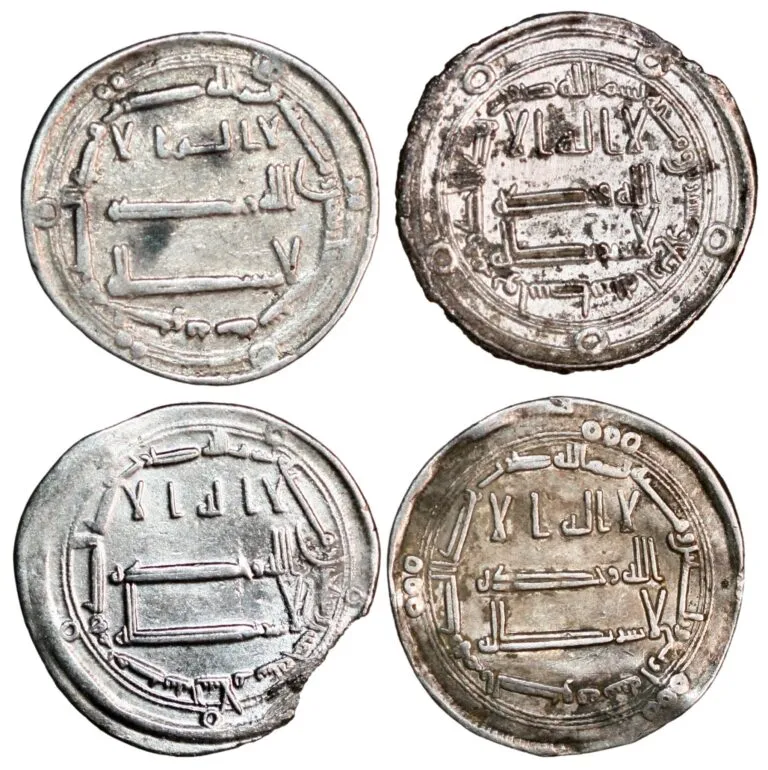
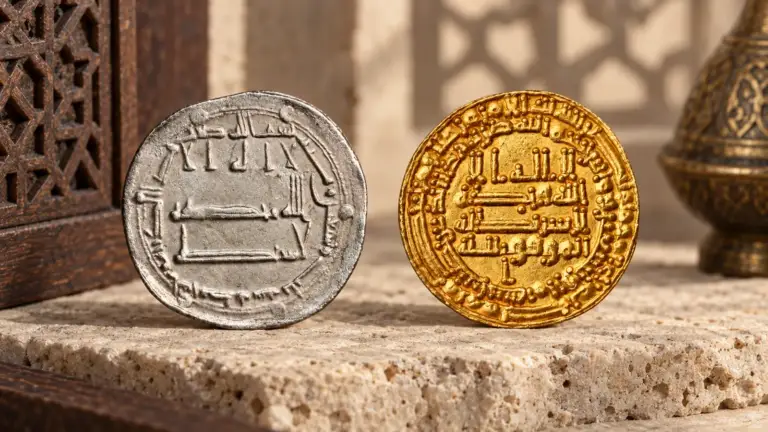
For centuries the silver dirham and the gold dinar were the main coins of the Islamic world. The names go back to the Greek drachm and the Roman denarius. From the end of the 7th century, Islamic coins were as a rule purely epigraphic: instead of portraits they carry Arabic inscriptions with religious formulas, the name of the mint and the year in the Islamic Hijri calendar. Many coins also name the caliph, ruler or governor, which makes them important historical sources. The category is divided into gold coins and silver coins.
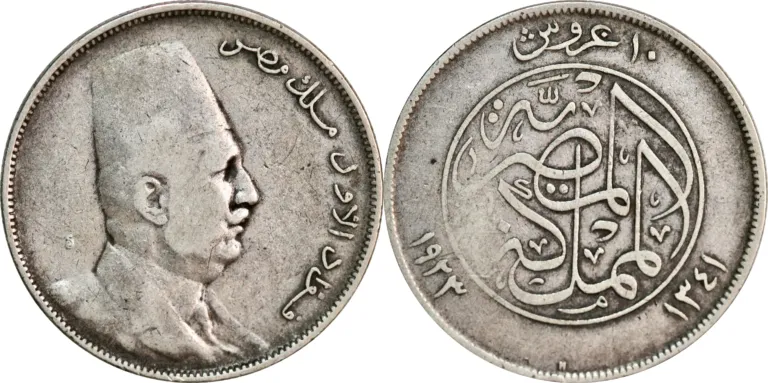
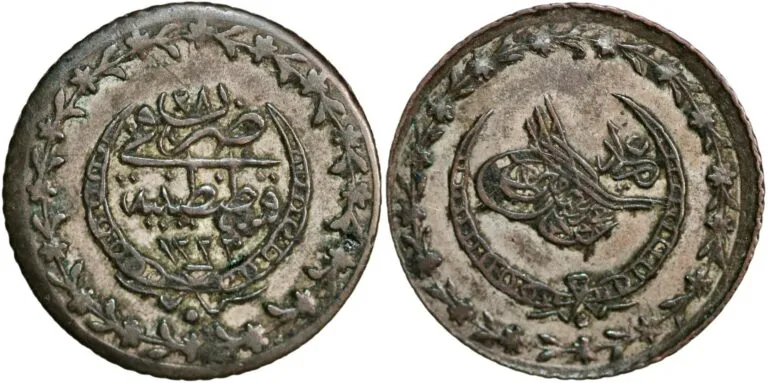
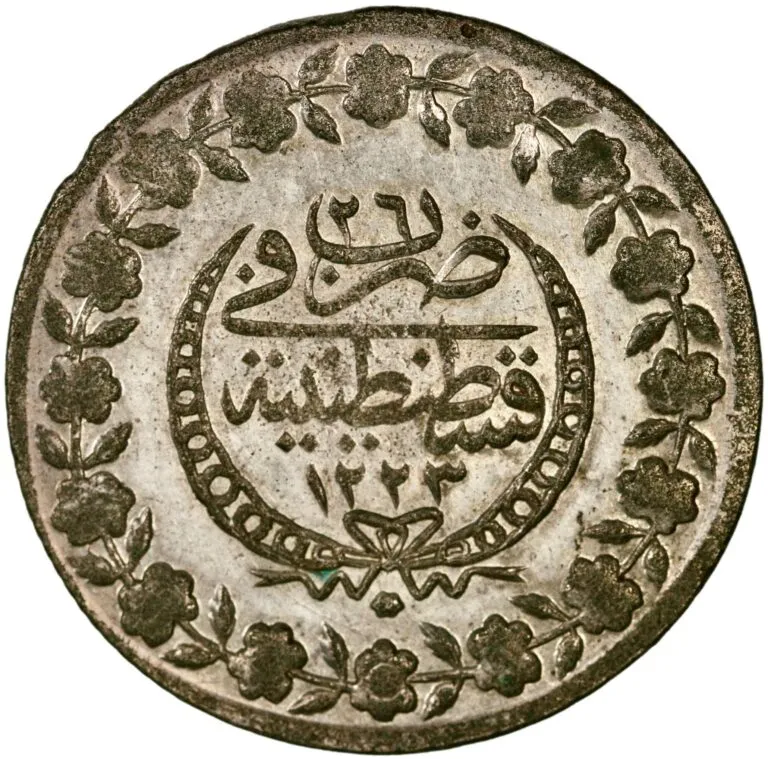
The category spans more than a thousand years, from 8th-century Abbasid dirhams to an Egyptian silver coin of 1923. Along the way the same coin names lived on while rulers changed: the dirham and the dinar were used by caliphs, sultans and local dynasties from Spain in the west to Iran in the east, before Ottoman kurush and para and Egyptian piastres took over.
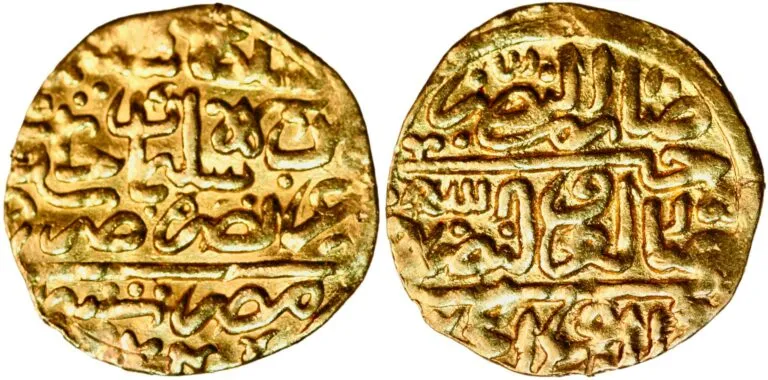
The Hijri calendar counts from the Prophet’s emigration to Medina in 622 AD, and dates are marked AH (anno Hegirae). Because the Islamic year is lunar and about eleven days shorter than the solar year, one AH year usually spans two Western years – which is why coins are often dated as, for example, 891/2 AD. On early dirhams the date is written out in Arabic words. Ottoman coins of the 19th century usually show the sultan’s accession year together with a regnal year, so the date on the coin is not the year of striking.
Since the inscriptions carry the information, a legible mint name and date are essential. Weak striking at the edges, slight clipping and marks from circulation are common on dirhams, and some gold coins have been mounted as jewellery; such details are stated in each description, together with the weight. Condition, the rarity of the mint and year, and the historical interest of the ruler all affect the price. Lots of several Abbasid dirhams are an affordable way into the field.
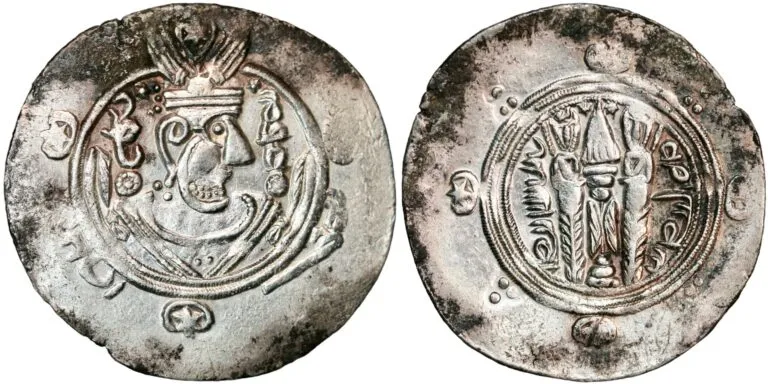
From the end of the 7th century most Islamic coinage was purely epigraphic, reflecting religious reservations about images. The inscriptions instead give the profession of faith, Qur’an verses, the ruler's name, the mint and the date. Some regional series, such as the hemidrachms of Tabaristan, kept older Persian images.
AH stands for anno Hegirae, the year of the Hijra, the Prophet's emigration from Mecca to Medina in 622 AD. The Islamic calendar is lunar, so its years are shorter than ours and a given AH year usually falls across two Western years.
The dirham is the silver coin and the dinar the gold coin of the Islamic world. Their names come from the Greek drachm and the Roman denarius.
Yes. Every item is researched and described as accurately as possible, and Denarius guarantees that everything sold is genuine and as described.
Every item gets its own number when it is catalogued. The number is shown on the product page, so you always know exactly which example it is.
Yes. We ship worldwide. Shipping method and price are shown at checkout before you pay.
Read more
The gold dinar and silver dirham were created by Caliph Abd al-Malik in 696–699 and carry words instead of portraits. Here is…
Thinking of buying gold coins as a collector? Here is how collectible gold coins differ from bullion, what drives their value, and…
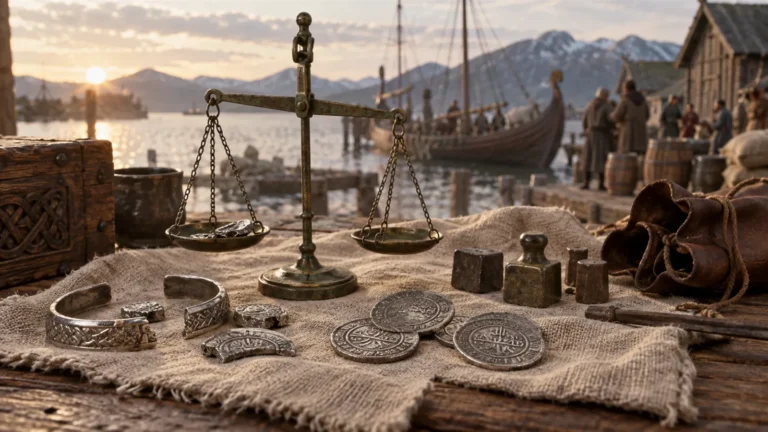
The Vikings paid in silver by weight, often cut into pieces. This guide explains which Viking age coins exist, from dirhams to…