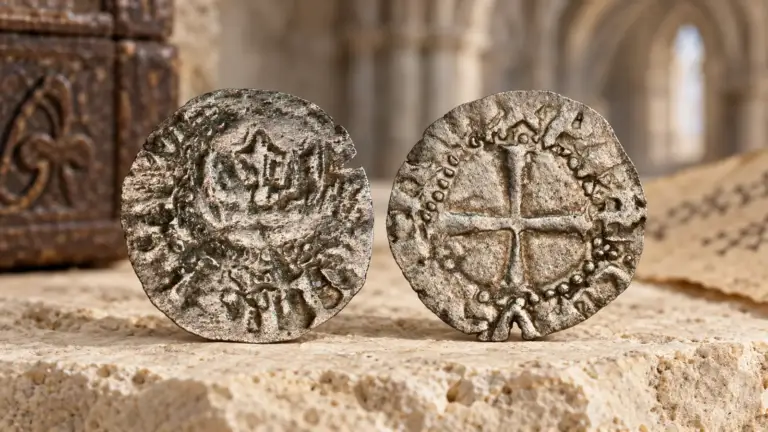
Norwegian medieval coins: penning, hvid and skilling (1280–1537)
From Eirik Magnusson's lion pennies to Olav Engelbrektsson's skillings: Norwegian medieval coins from 1280 to 1537 explained, including the gap after 1387…
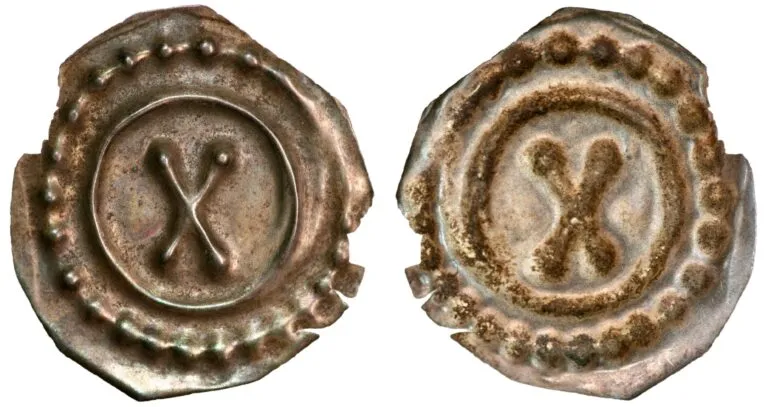
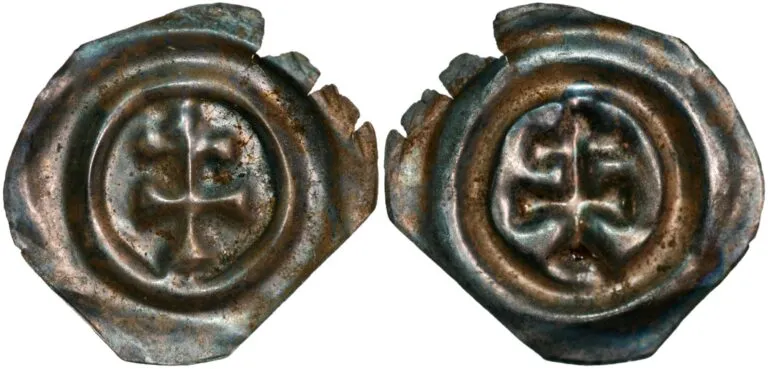
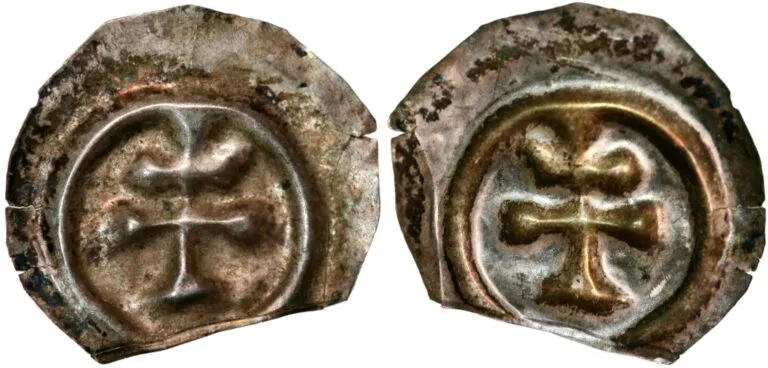
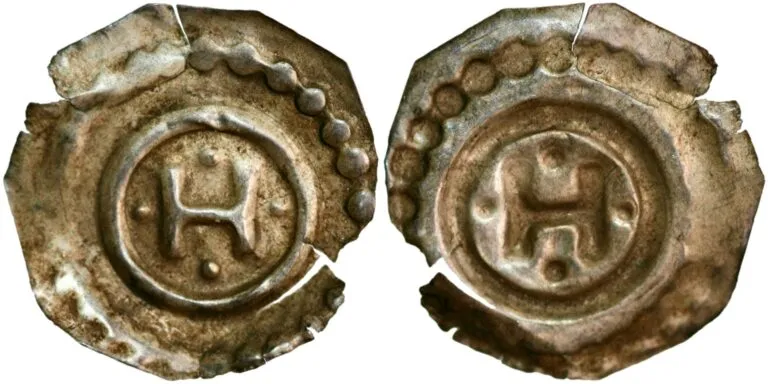
Norwegian bracteates from the reign of Sverre Sigurdsson (1177–1202), thin one-sided silver coins from the civil war period, several with documented provenance from older Scandinavian auctions. Each coin is examined, catalogued and guaranteed genuine.
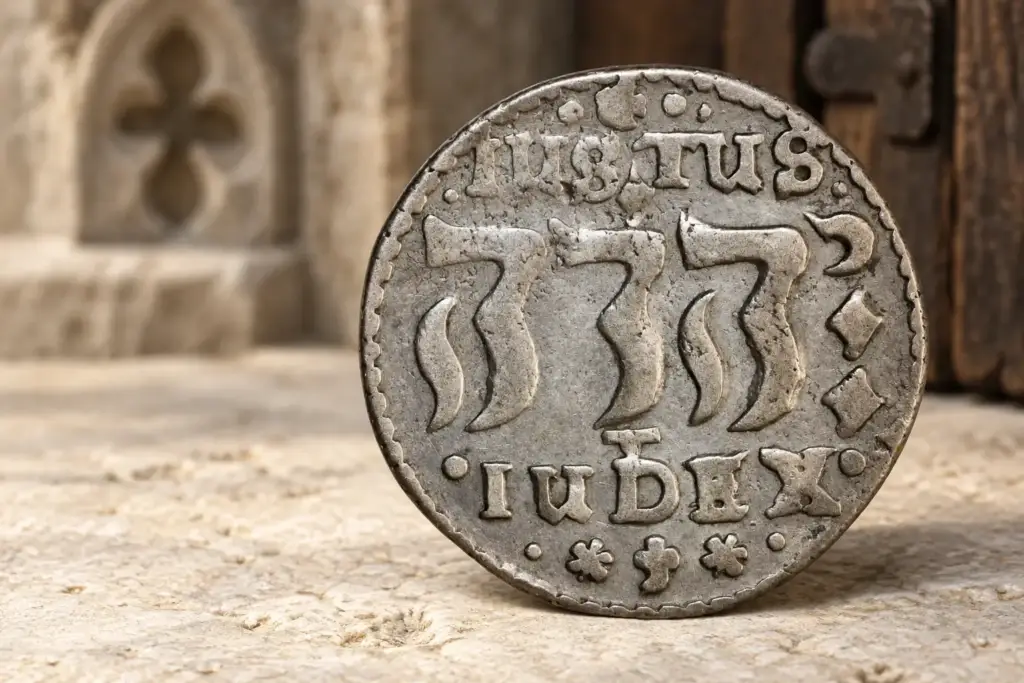
Sverre Sigurdsson came to Norway from the Faroe Islands and in 1177 became leader of the Birkebeiner faction in the civil wars. After King Magnus Erlingsson fell at the Battle of Fimreite in 1184 he ruled as sole king until his death in 1202. His life is told in Sverris saga, one of the most important sources for Norwegian history in the period.
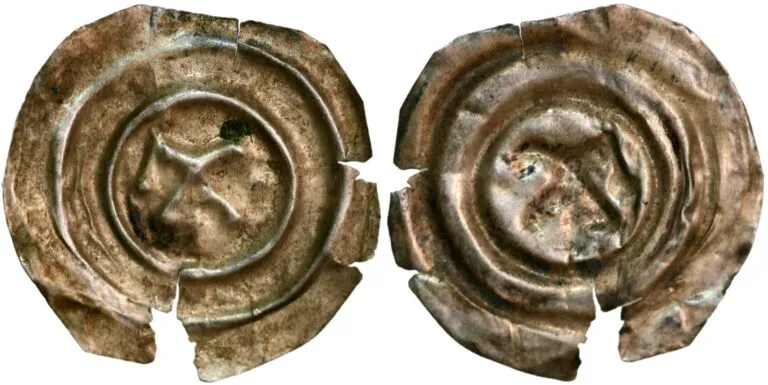
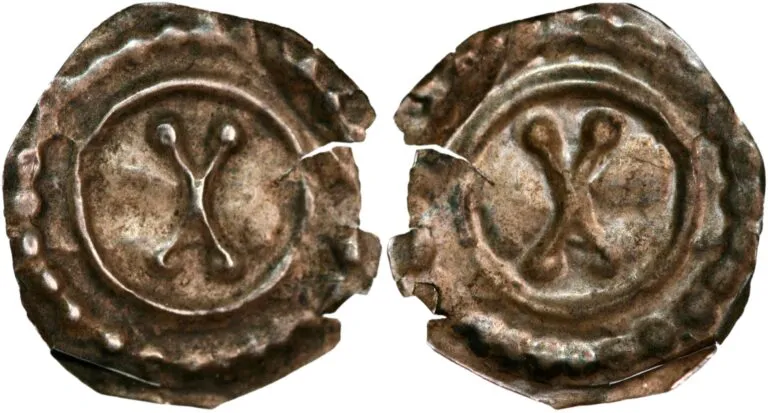
A bracteate is a coin struck on only one side, on a flan so thin that the design shows through in reverse on the back. According to the University of Oslo’s coin cabinet, Sverre began with proper double-sided pennies inscribed REX SVERUS MAGNUS, but had to give up good-quality pennies and turned to paper-thin bracteates, later adding copper to the coin metal. Nidaros is the certain mint, and several other places, among them Bergen, Oslo and Hamar, have been suggested.
Much of what we know comes from hoards. The Dælil hoard from Ringsaker, found in 1840, contained more than 4,000 bracteates, most of them Norwegian and believed to belong to Sverre’s coinage.
Norwegian coins older than 1537 require an export licence when they leave Norway.
See also Gaute Ivarsson m. fl. for other Norwegian medieval coins, and German bracteates for comparison.
Bracteates were struck on one side of a very thin silver flan. Sverre's coinage moved from proper pennies to such thin coins during the costly civil wars.
Norwegian coins older than 1537 are listed as cultural objects and need an export licence to leave Norway. The decision is made by the Museum of Cultural History at the University of Oslo.
Single bracteates cannot be dated to a particular year, so they are dated to Sverre's period as leader and king, from 1177 until his death in 1202.
Yes. Every item is researched and described as accurately as possible, and Denarius guarantees that everything sold is genuine and as described.
Every item gets its own number when it is catalogued. The number is shown on the product page, so you always know exactly which example it is.
Yes. We ship worldwide. Shipping method and price are shown at checkout before you pay.
Read more
From Eirik Magnusson's lion pennies to Olav Engelbrektsson's skillings: Norwegian medieval coins from 1280 to 1537 explained, including the gap after 1387…
The Vikings paid in silver by weight, often cut into pieces. This guide explains which Viking age coins exist, from dirhams to…
A bracteate is a paper-thin silver coin struck on one side only, and for much of the Middle Ages it was Norway's…