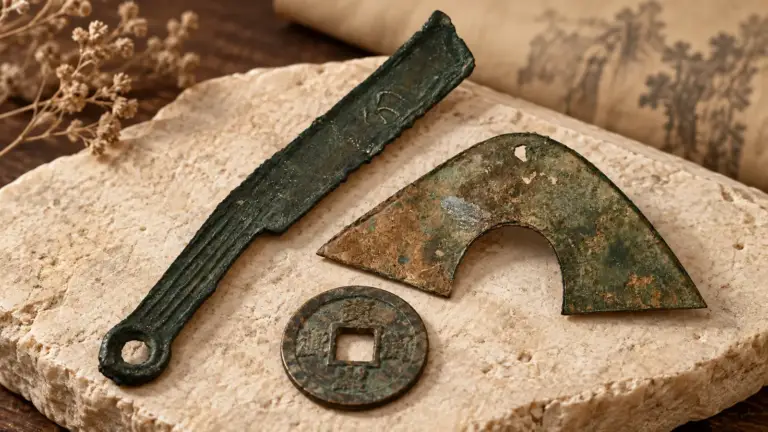
Ancient Chinese coins: knife money, bridge money and cash coins
From Zhou-period knife money and bridge money to round cash coins with a square hole: the story of ancient Chinese coins and…
Banknotes from Norway and around the world, from a Danish-Norwegian rigsdaler of 1803 to modern polymer, including specimens, replacement notes and uncut sheets. Every note is examined, photographed, described with its own protocol number and guaranteed genuine.
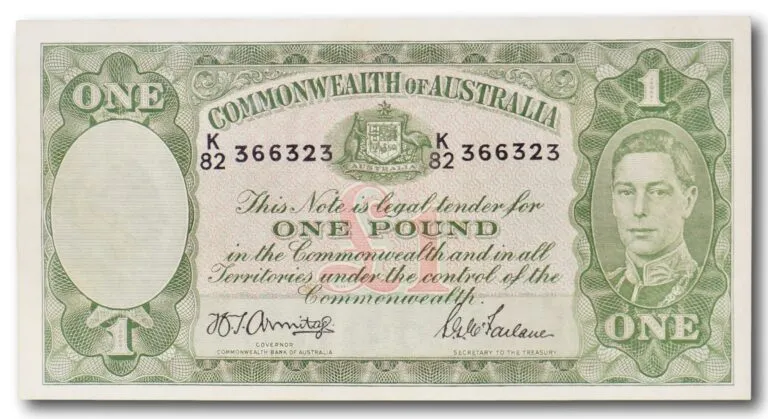
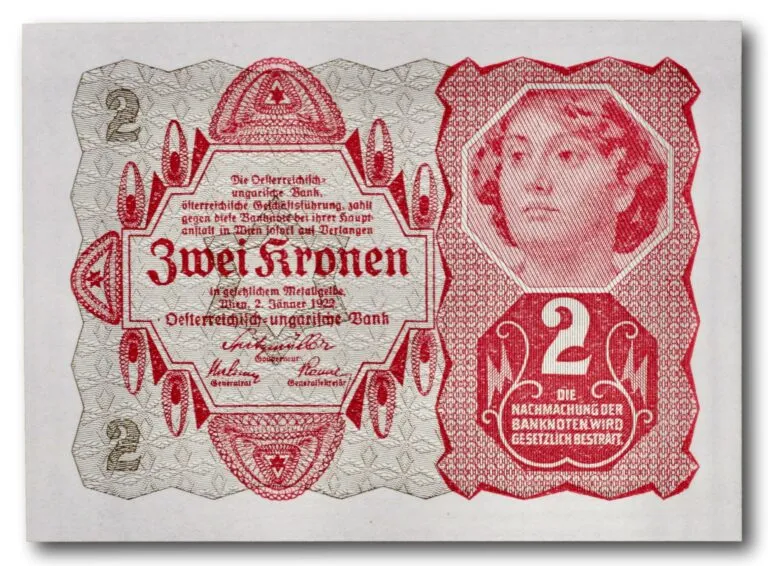
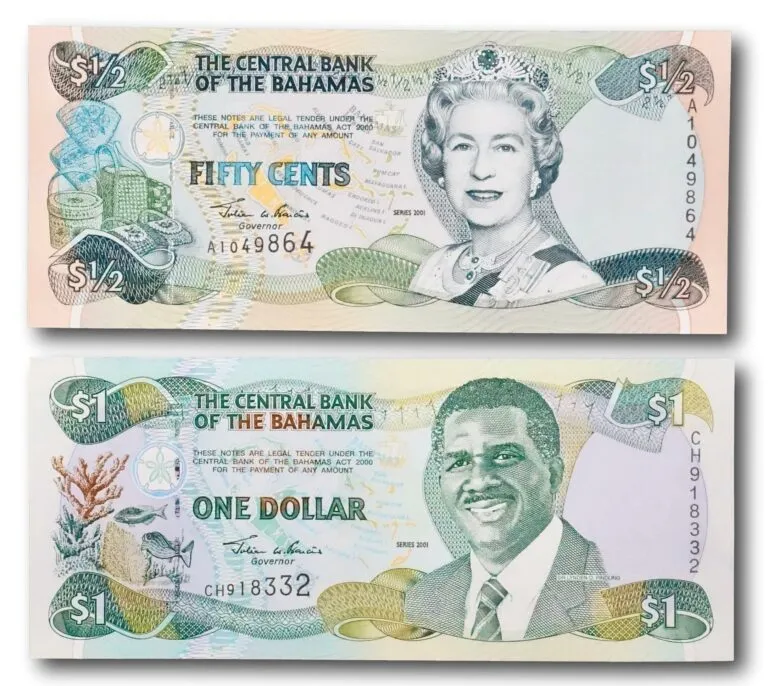
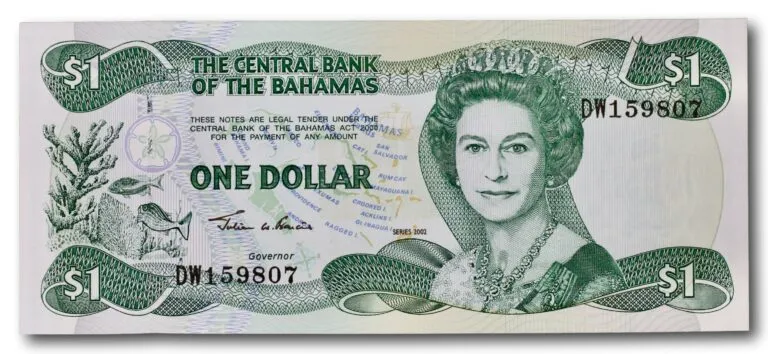
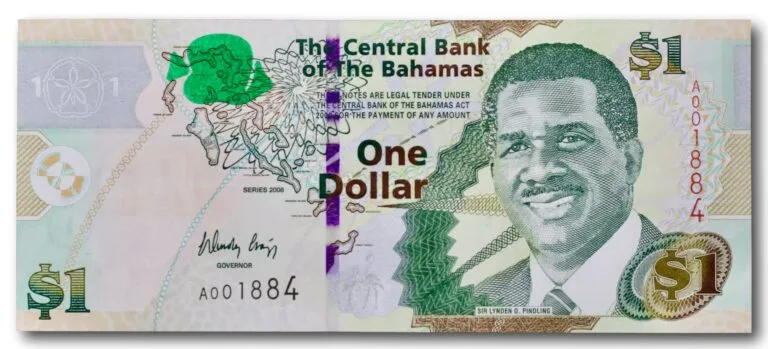
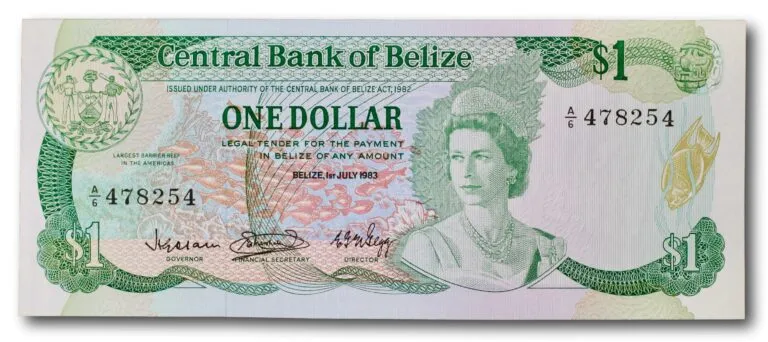
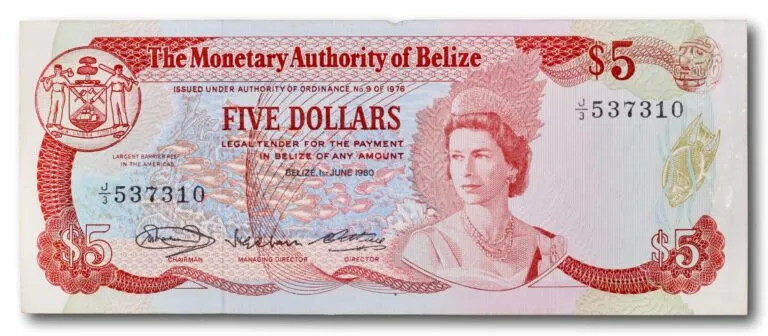
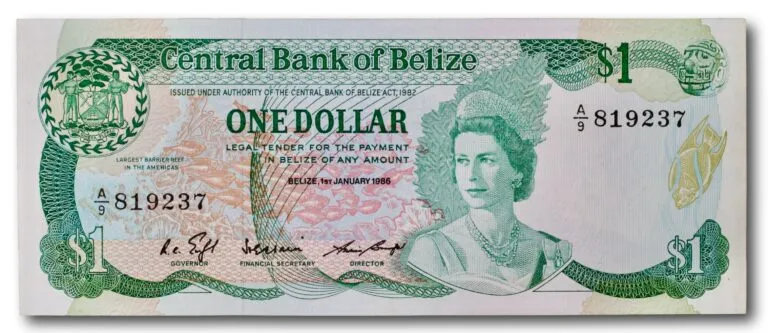
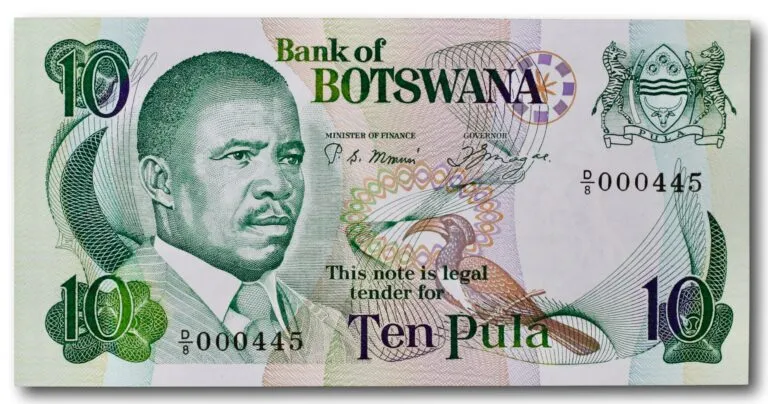
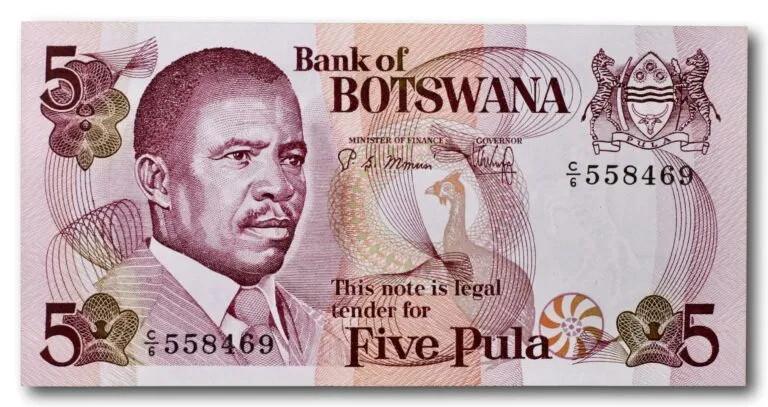
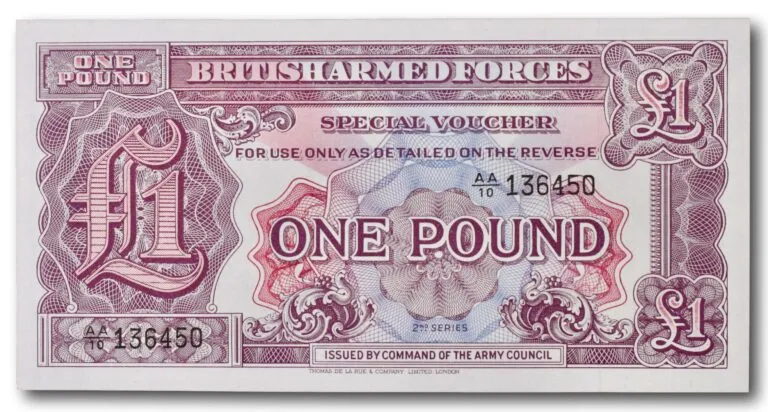
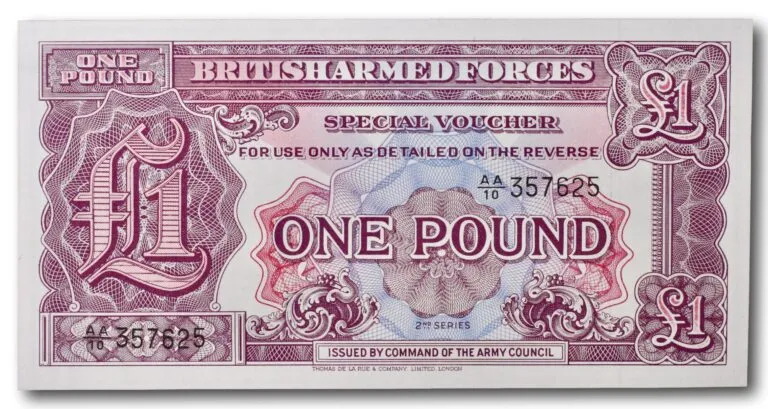
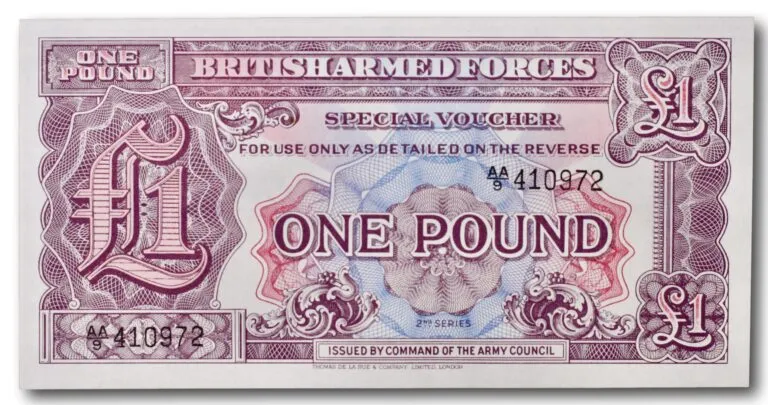
The banknote category covers paper money from five continents, from the early 1800s to the present. It is divided into regions: Norway, Europe, Africa, America, Asia and Australasia. Europe is the largest group, with British notes from the Bank of England white fiver of 1945 to Scottish, Channel Islands and armed forces issues, as well as Nordic, German, Dutch and French notes. Asia is dominated by Chinese notes from the 1930s and uncut renminbi sheets dated 1953; Africa has colonial notes and specimens from the decades after independence; America ranges from uncut US sheets of the mid-1800s and the Civil War to modern Caribbean notes.
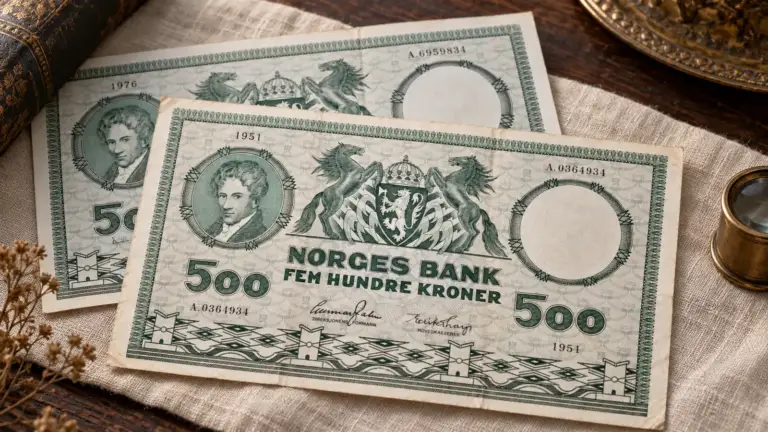
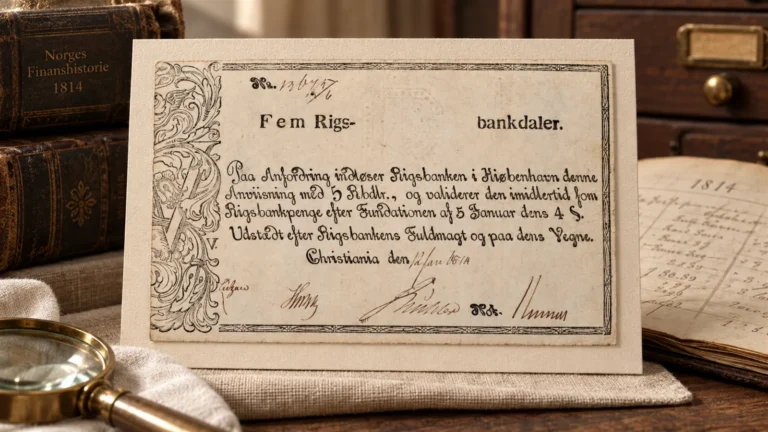
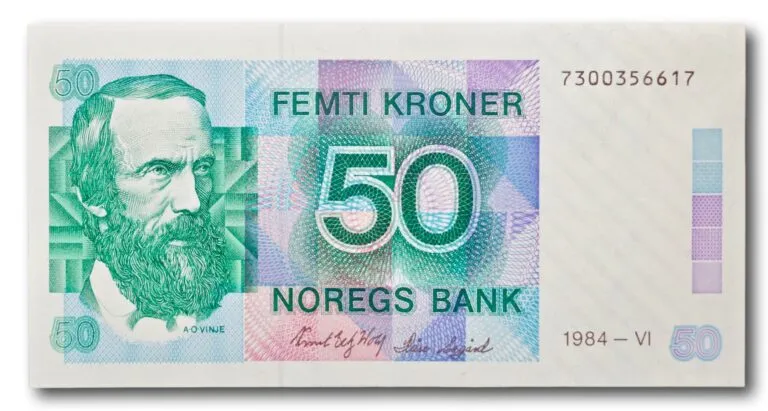
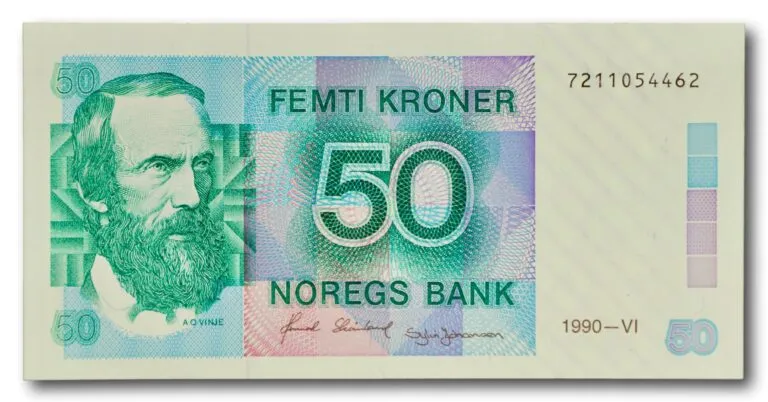
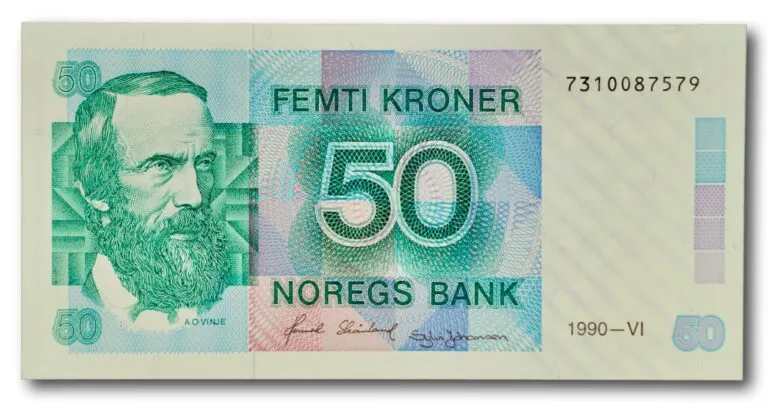
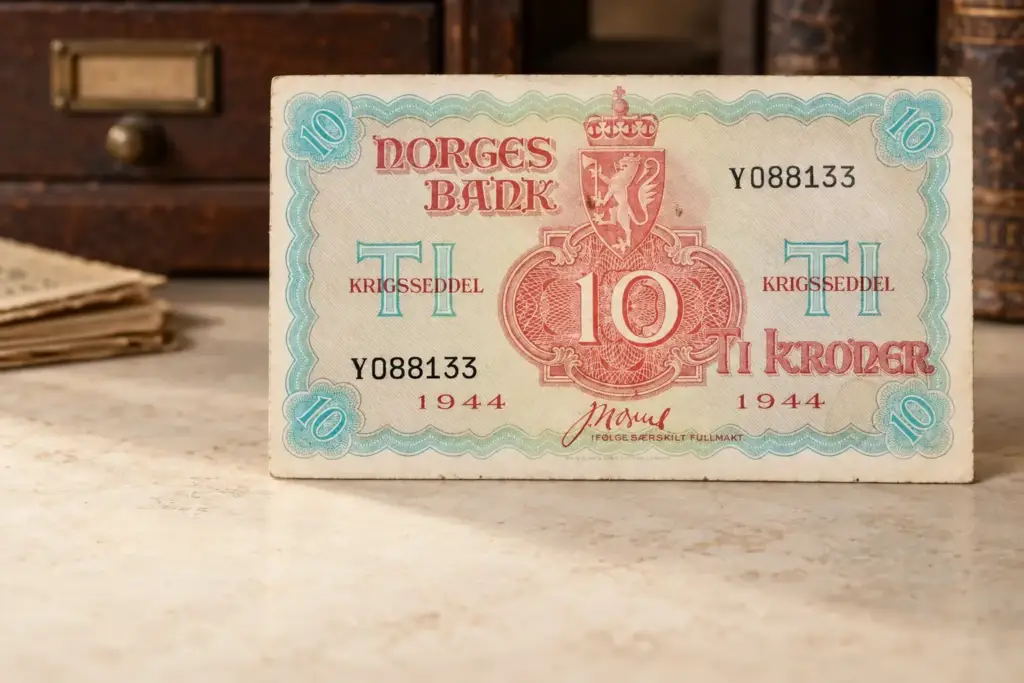
The Norwegian notes cover more than two centuries. The oldest are a Danish-Norwegian rigsdaler from 1803 and a 5 rigsbankdaler from 1814, from the time before Norges Bank issued its own notes. From the krone period there is the 10 kroner 1944 printed in London for the government in exile, specimens of 10 kroner 1944 and 100 kroner 1945, a series of 500 kroner from 1951 to 1976, 50 and 1000 kroner from the 1980s, notes in consecutive serial order, a replacement note and a single-sided proof print from around 1980.
Condition is the single most important factor for the value of a banknote. Norwegian dealers use a scale where 0 means uncirculated, 01 nearly uncirculated, 1+ a well-preserved note with light traces of use, 1 fine with several folds and 1- or lower for well-used notes. In English the corresponding terms are roughly UNC, aUNC, EF, VF and F.
When grading a note we look at:
Every flaw that matters is mentioned in the description, and the photographs show the note front and back.
The same denomination can exist in many years, series and signature combinations, and catalogues separate them. Foreign notes are usually described with their Pick number from the Standard Catalog of World Paper Money, and Norwegian notes with the number from Sæthre’s catalogue.
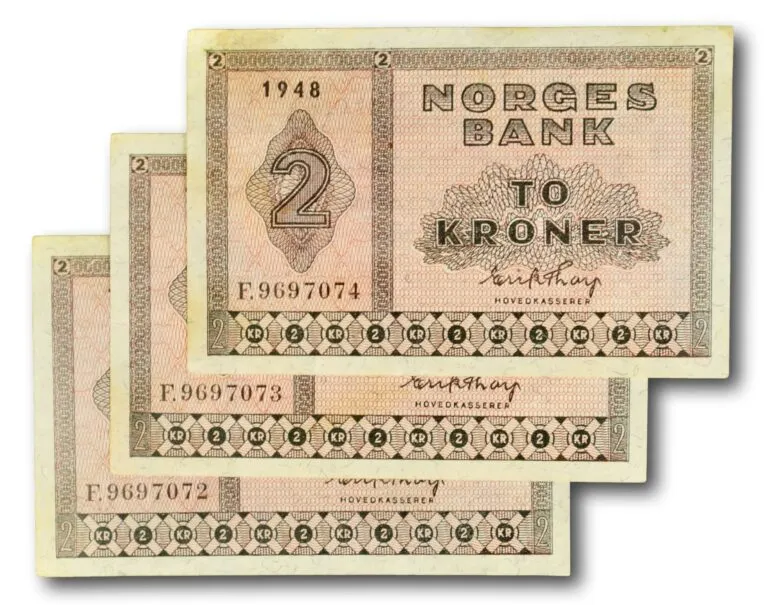
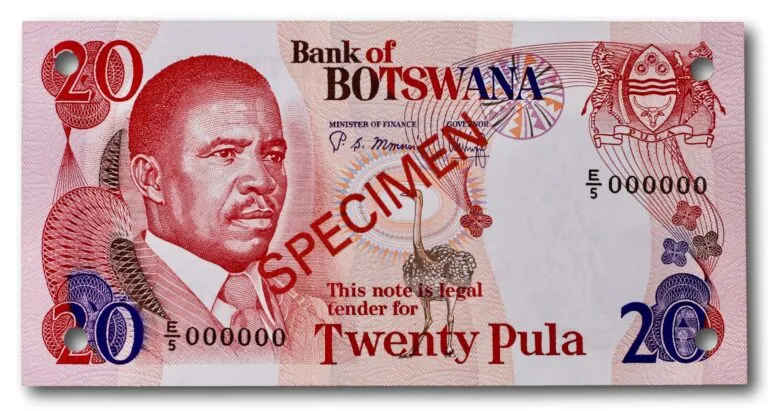
Replacement notes were printed to replace sheets that were damaged during production. They are marked differently from the ordinary series, for example with a star in the United States, and are collected as separate varieties. Specimens were made to show banks and authorities what a new note looked like. They are marked SPECIMEN, often have zero serial numbers or punched holes, and were never legal tender. Notes in consecutive serial order and uncut sheets are other specialities represented in the category.
Every banknote at Denarius is examined, photographed and described, and has its own protocol number. Most are single examples, so the note you see is the note you receive. Denarius guarantees that everything sold is genuine and as described, and ships worldwide. If you collect coins as well, see the Worldwide category for coins from the same countries.
They are the Norwegian grading scale. 0 is uncirculated, 01 nearly uncirculated and 1+ well preserved with light traces of use; 1 and lower describe notes with more folds and wear. They correspond roughly to UNC, aUNC and EF in English.
Yes. A note with even one fold is no longer uncirculated, and the difference in value between an uncirculated note and one with a single fold can be significant, especially for older and scarcer notes.
A replacement note was printed to replace a note damaged during production. It is marked differently from the ordinary series, for example with a star in the United States, and is often scarcer than ordinary notes of the same type.
Yes. Every item is researched and described as accurately as possible, and Denarius guarantees that everything sold is genuine and as described.
Every item gets its own number when it is catalogued. The number is shown on the product page, so you always know exactly which example it is.
Yes. We ship worldwide. Shipping method and price are shown at checkout before you pay.
Read more
From Zhou-period knife money and bridge money to round cash coins with a square hole: the story of ancient Chinese coins and…
Which old Norwegian banknotes can still be exchanged at Norges Bank, and which only have collector value? The rules, the 500-krone note…
From thor Møhlen’s notes of 1695 to today’s sea-themed series: the history of Norwegian banknotes, the Norges Bank series, what collectors look…