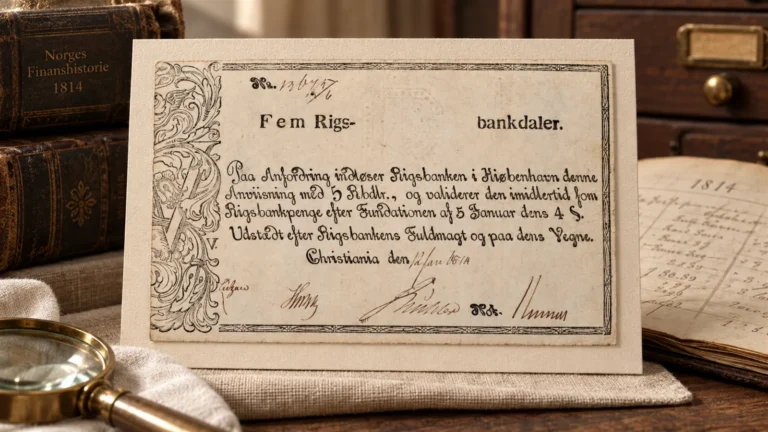
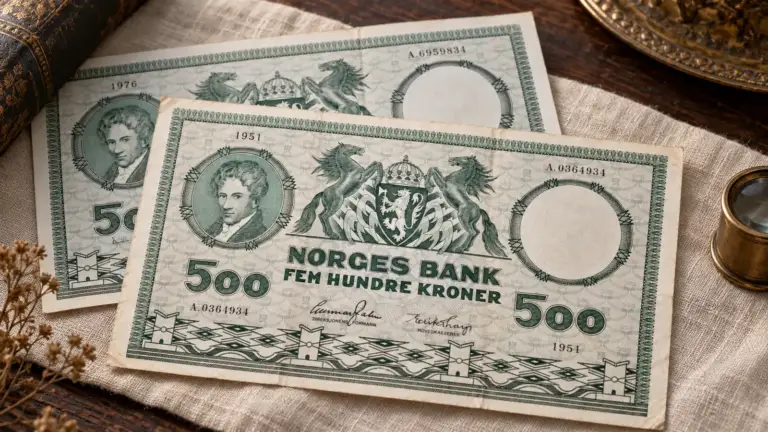
Old Norwegian banknotes: the 500-krone note and other withdrawn series
Which old Norwegian banknotes can still be exchanged at Norges Bank, and which only have collector value? The rules, the 500-krone note…
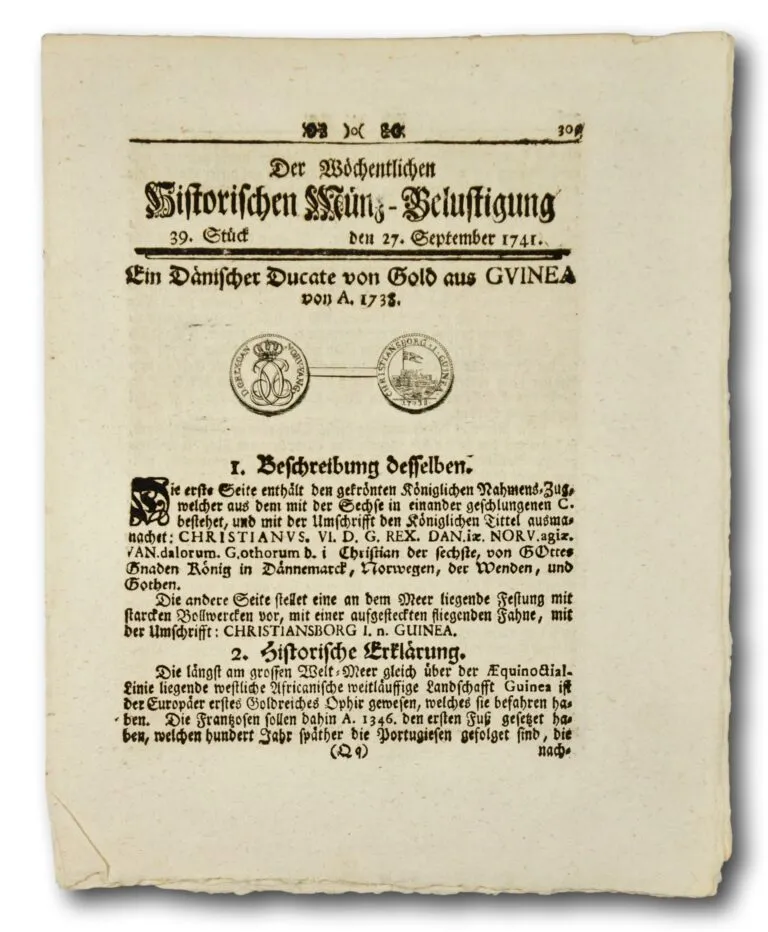
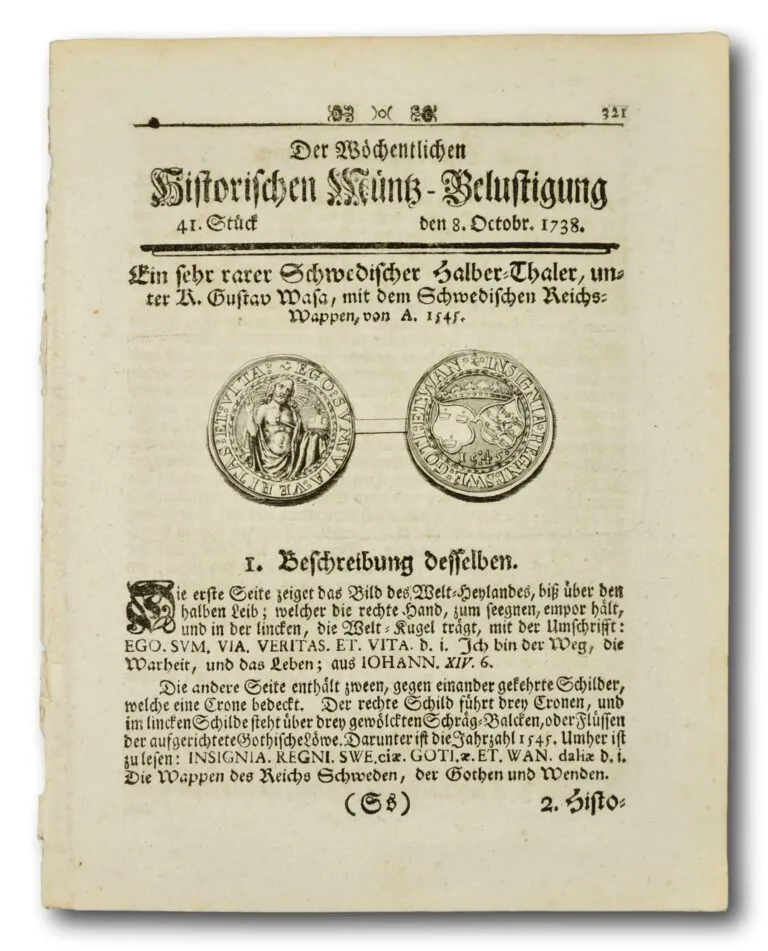
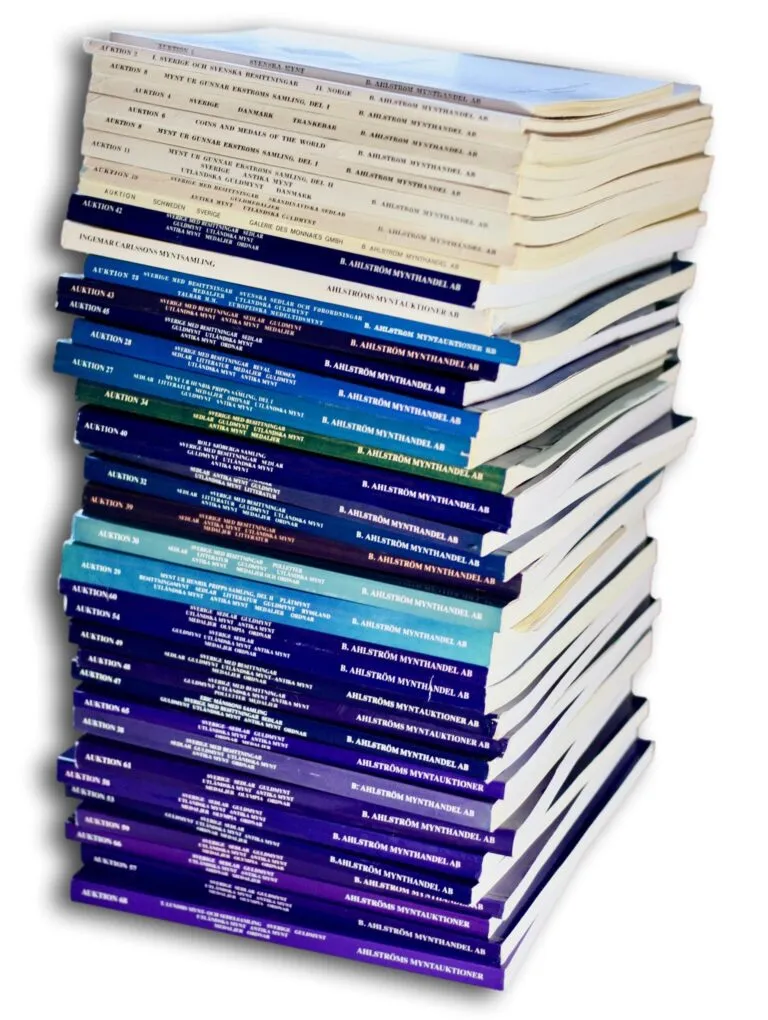
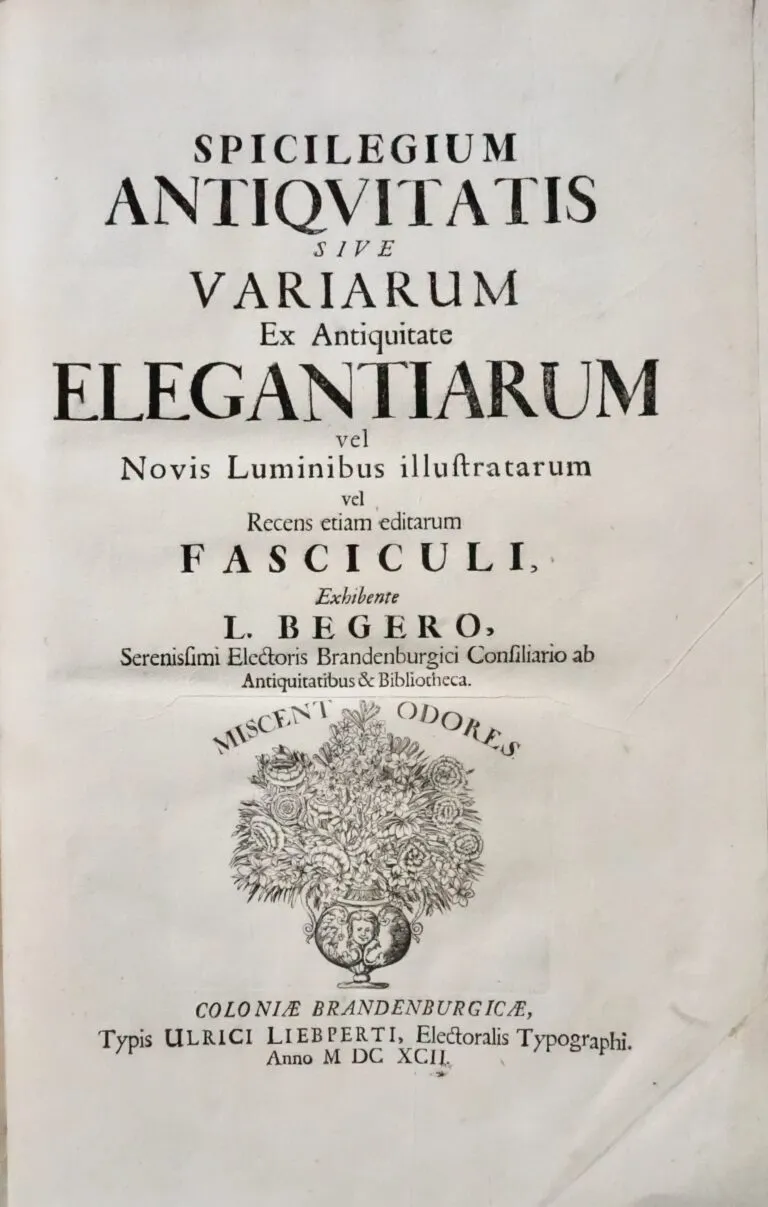
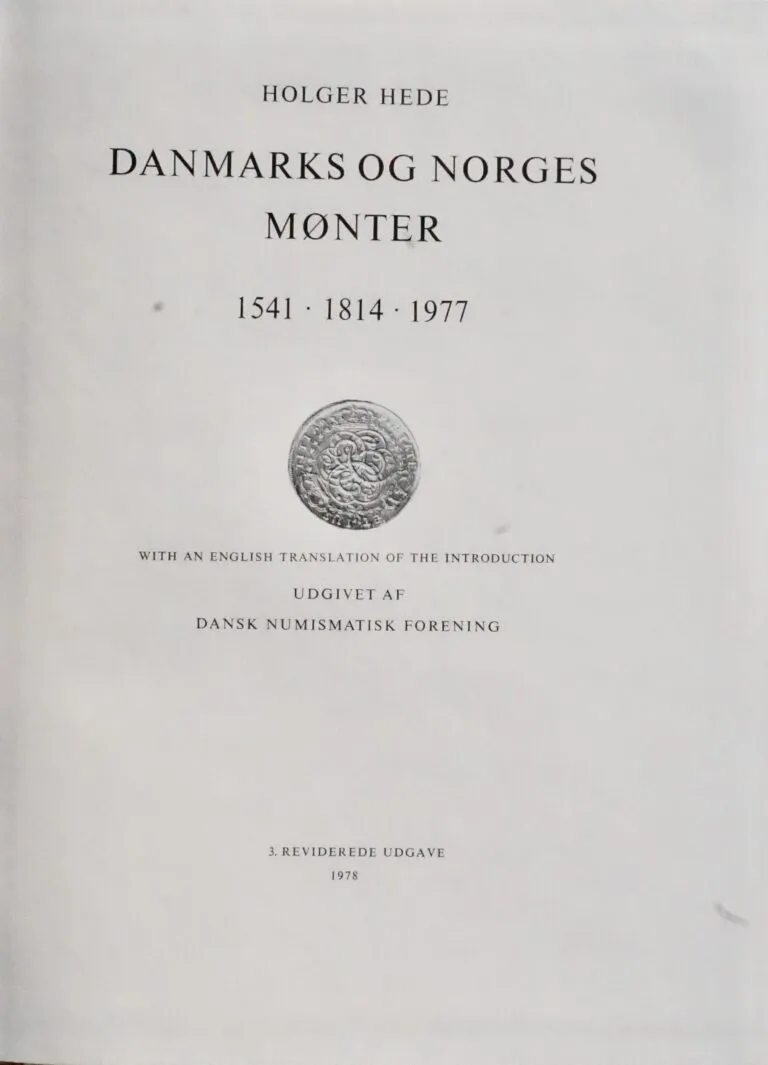
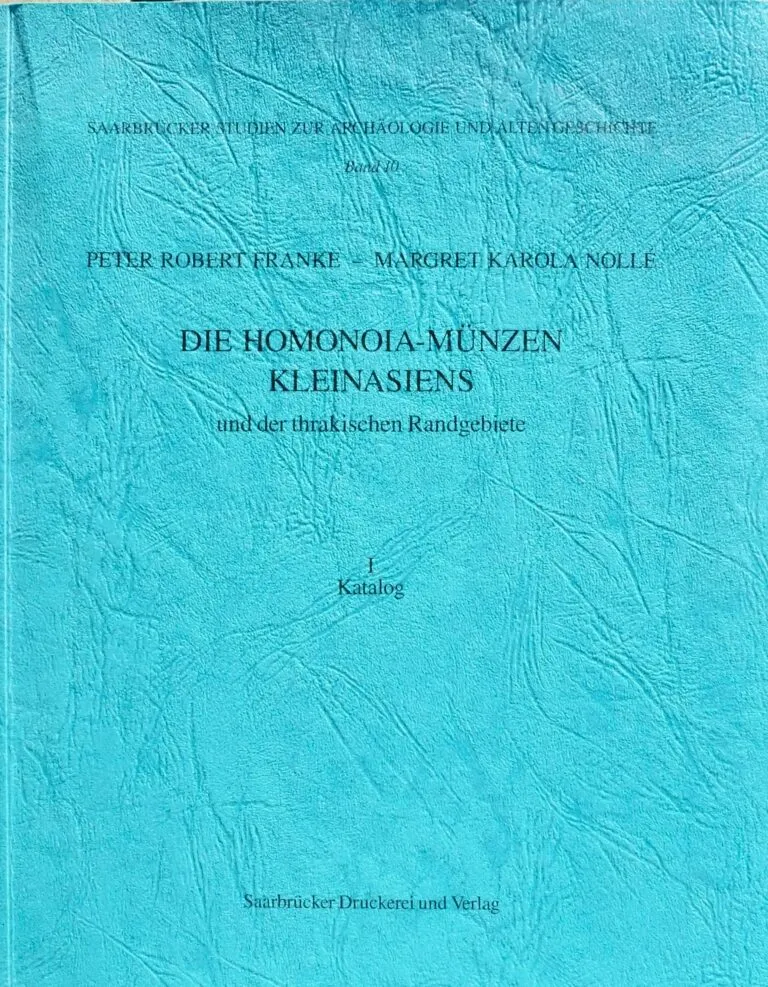
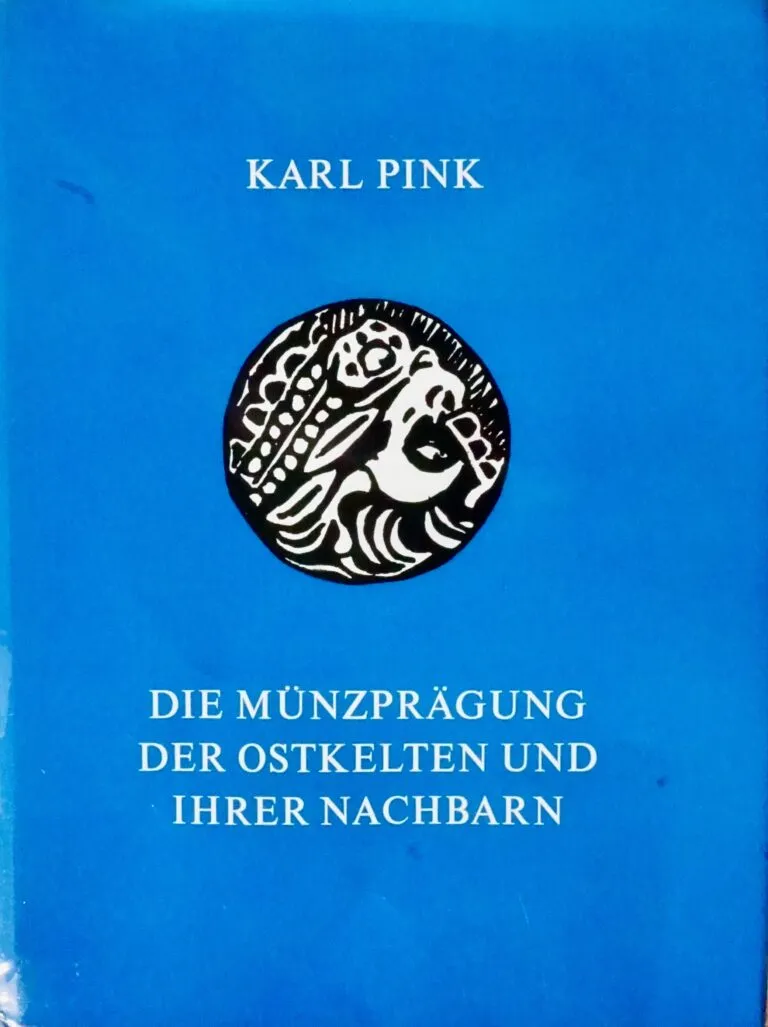
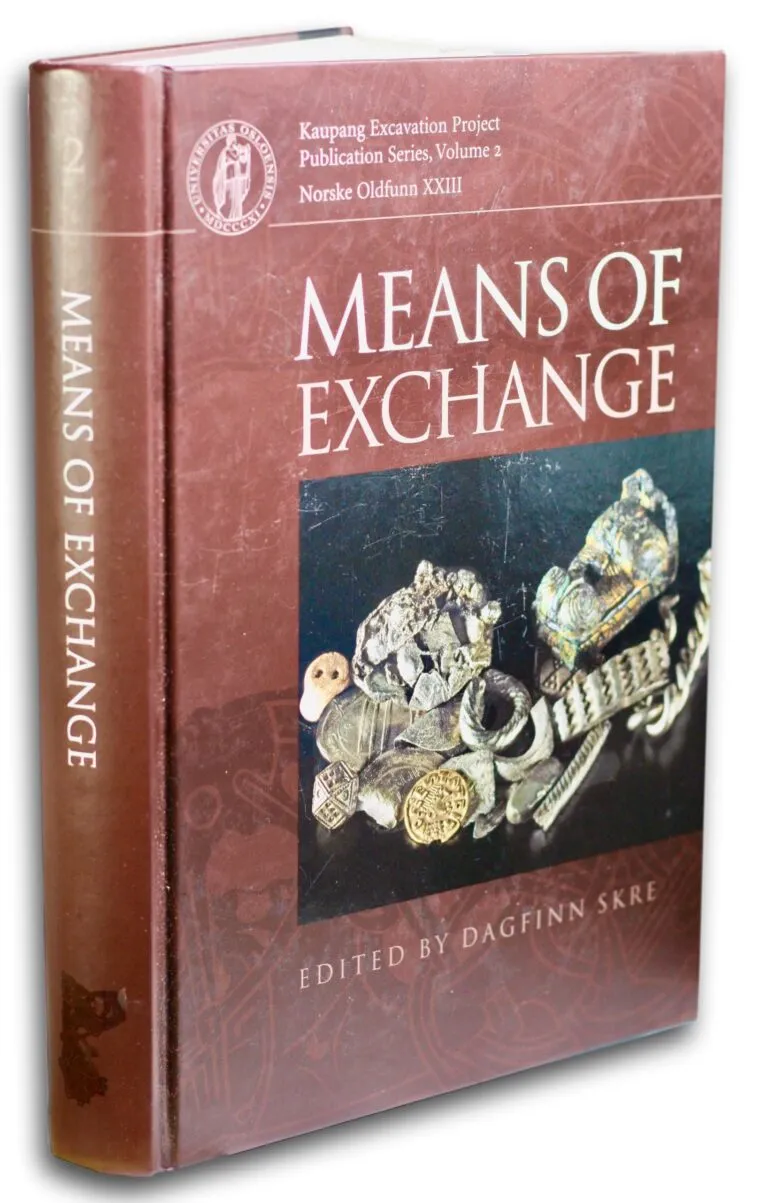
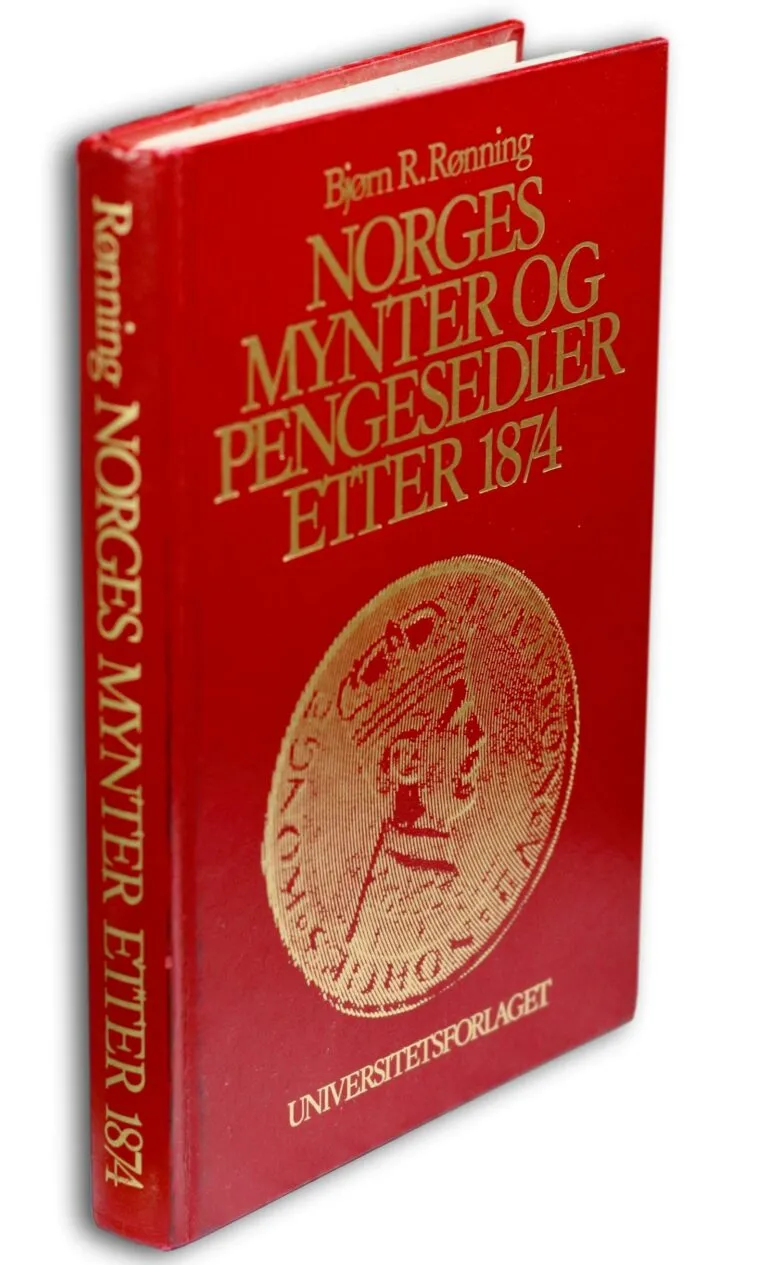
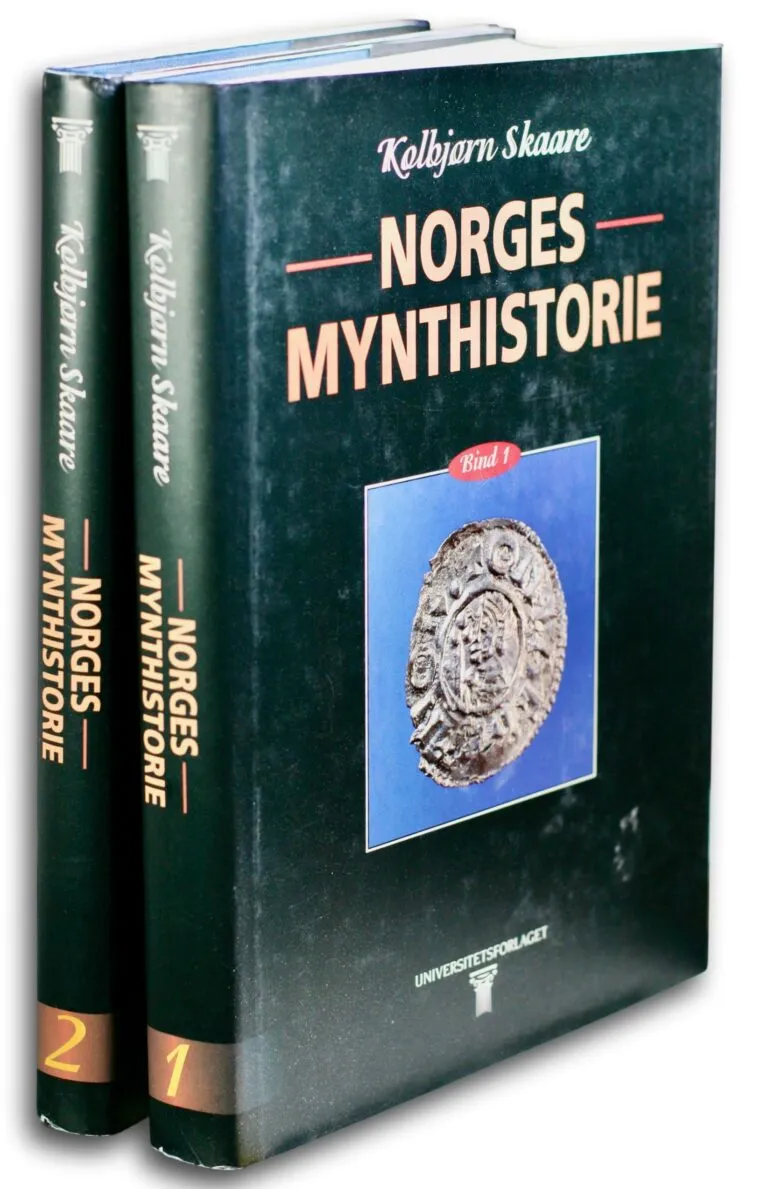
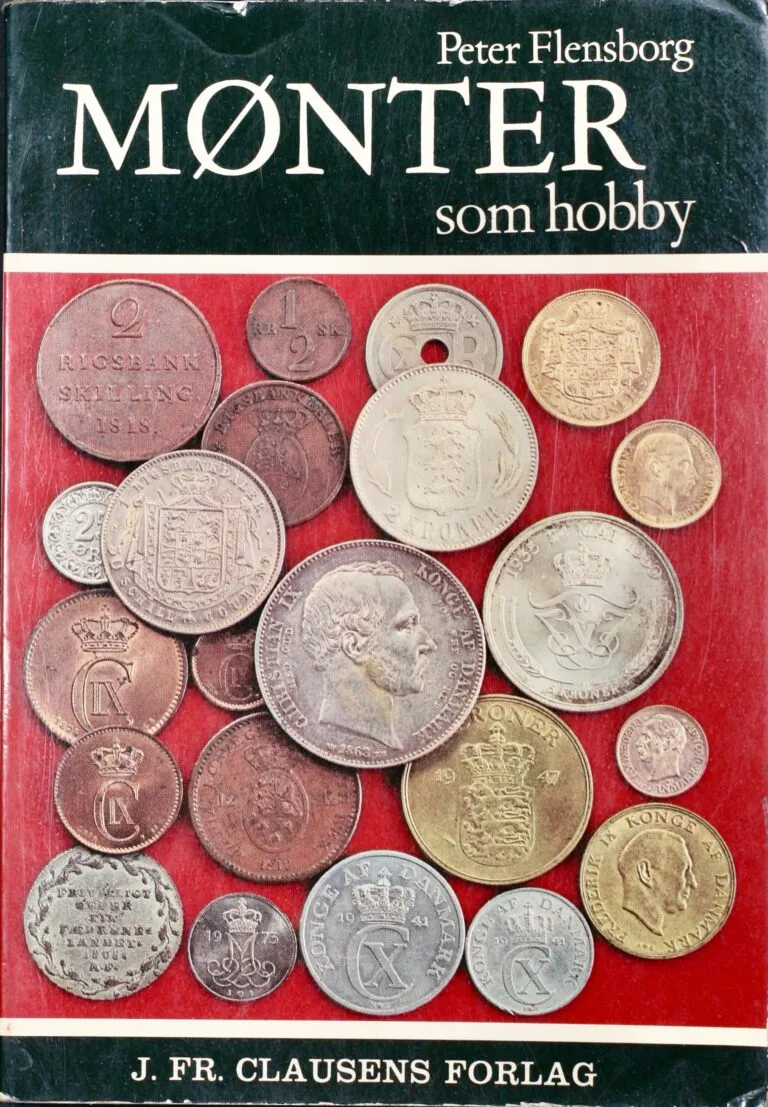
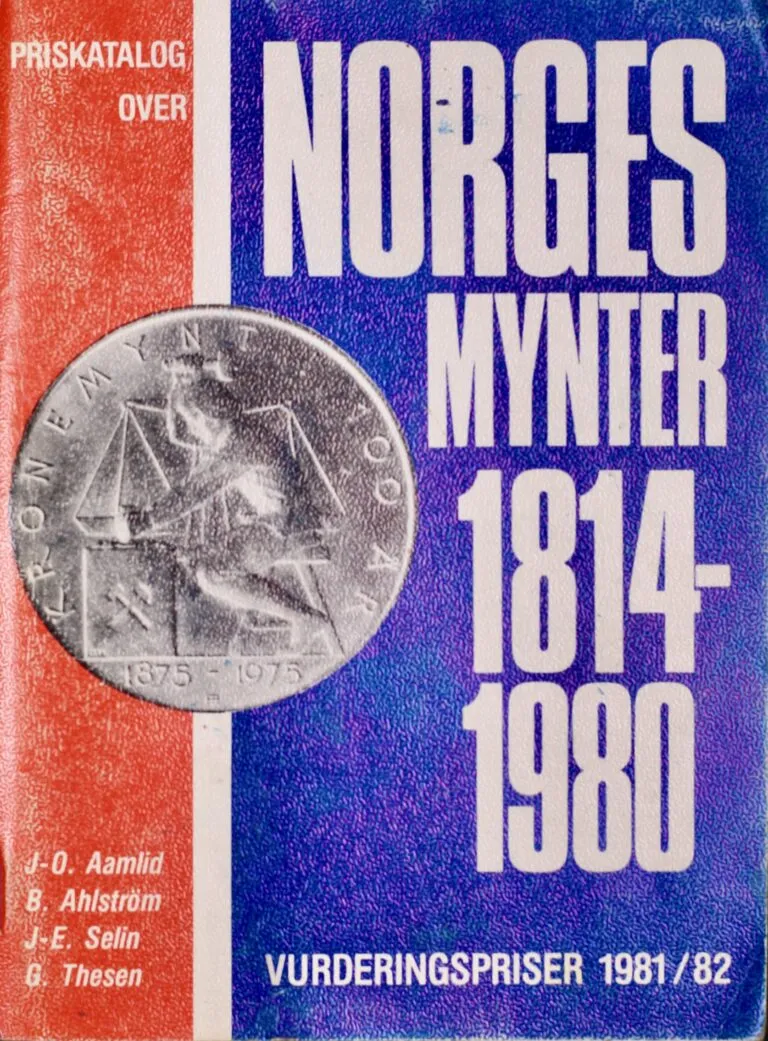
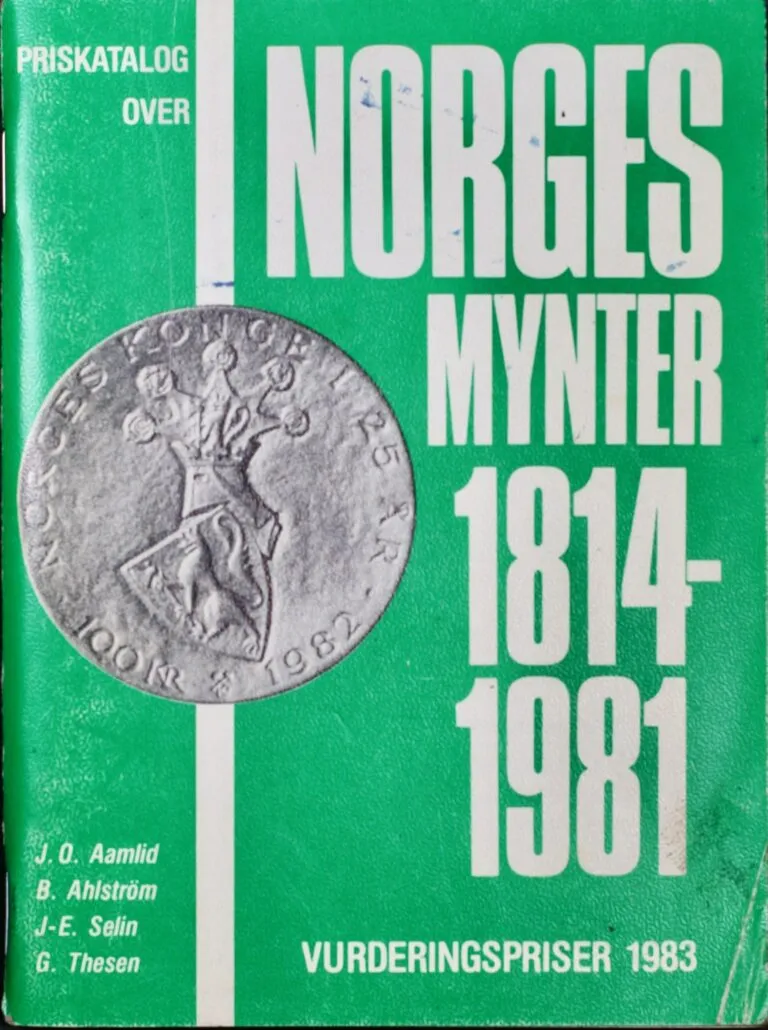
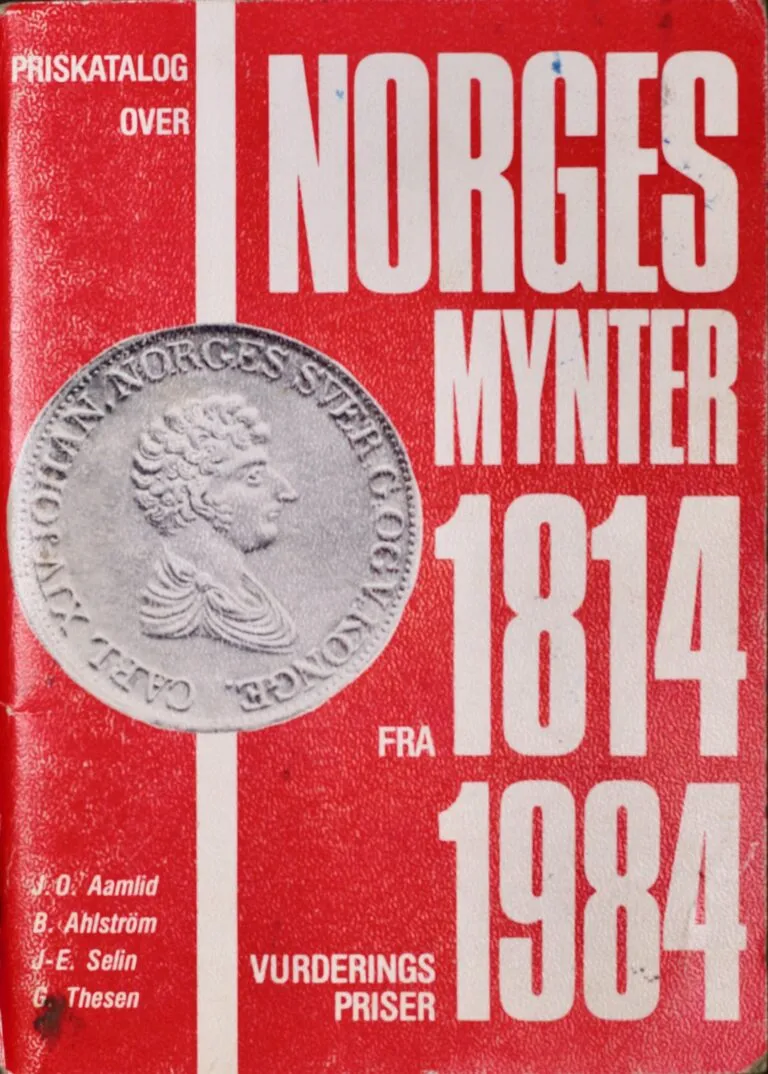
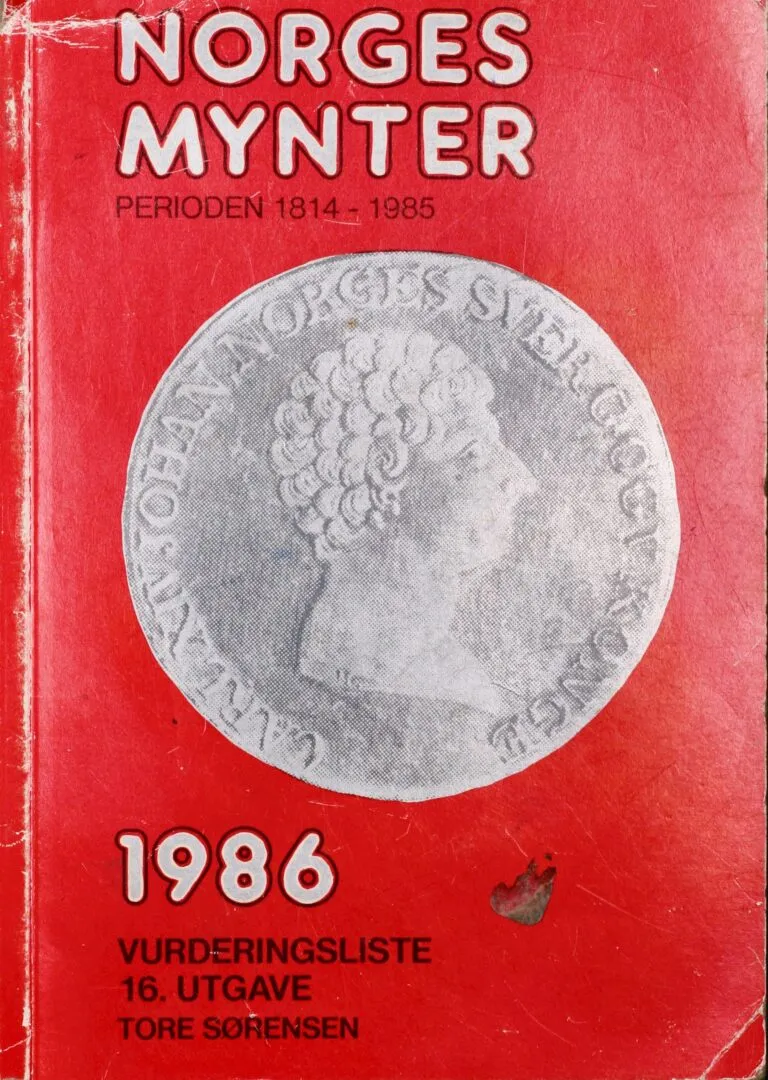
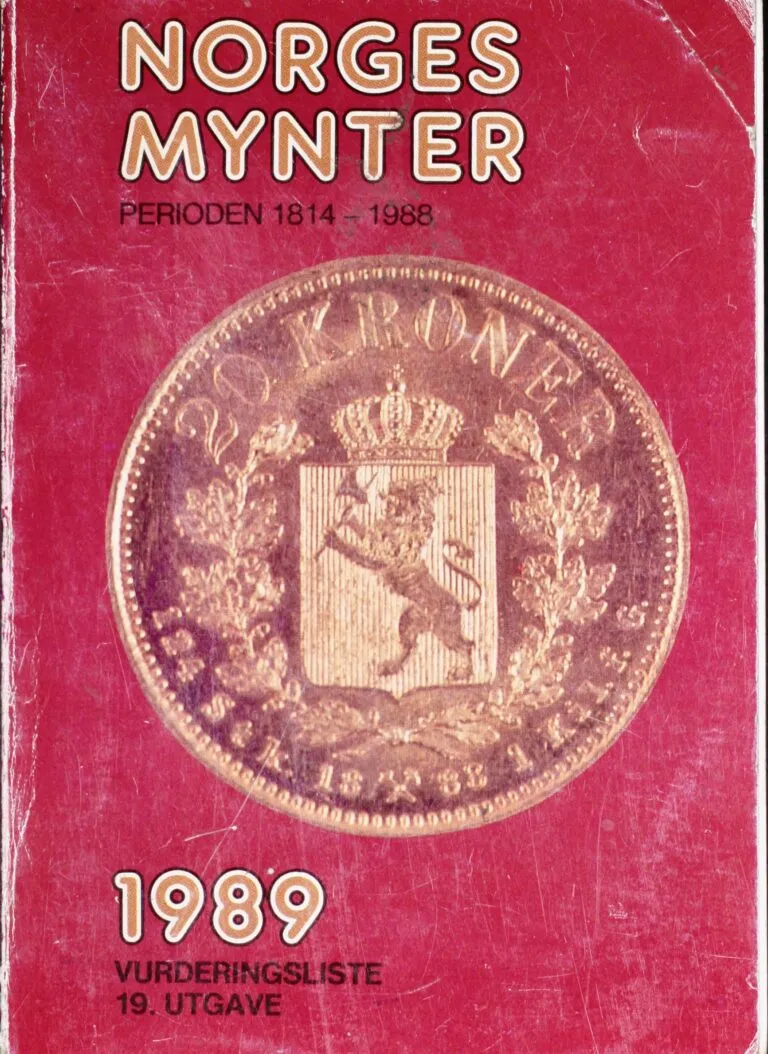
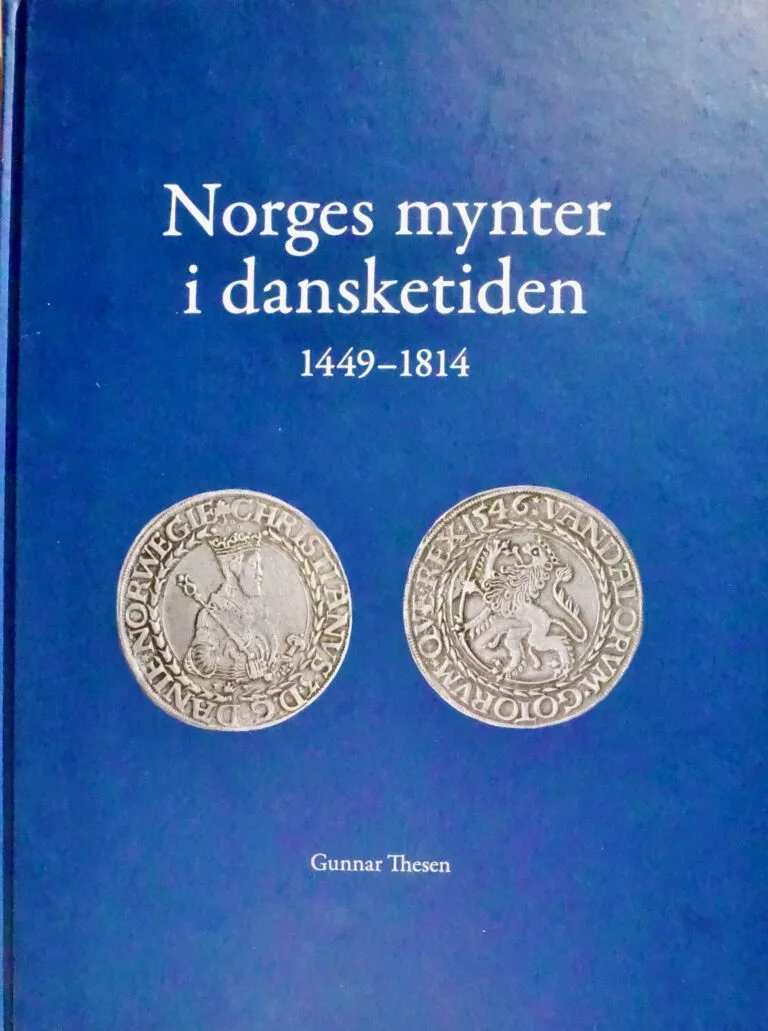
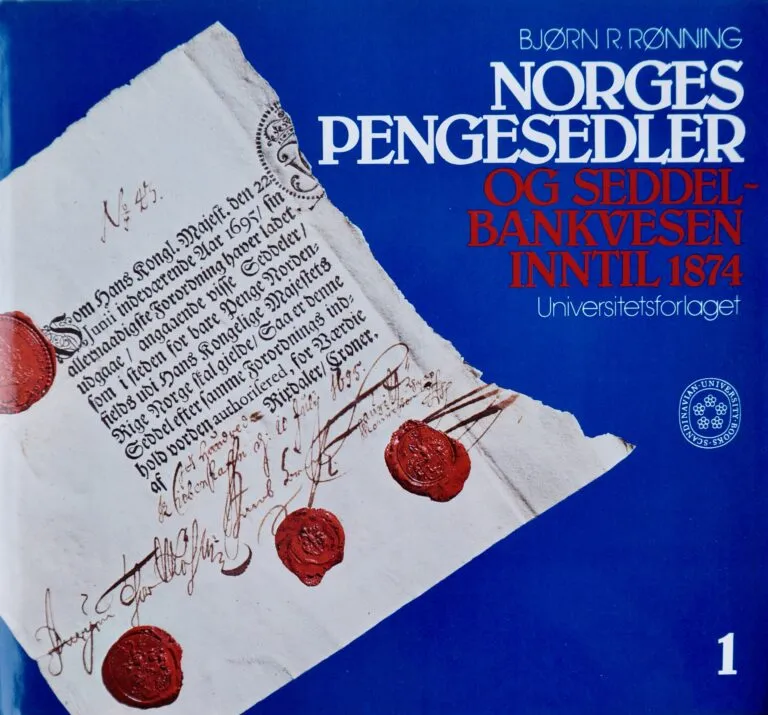
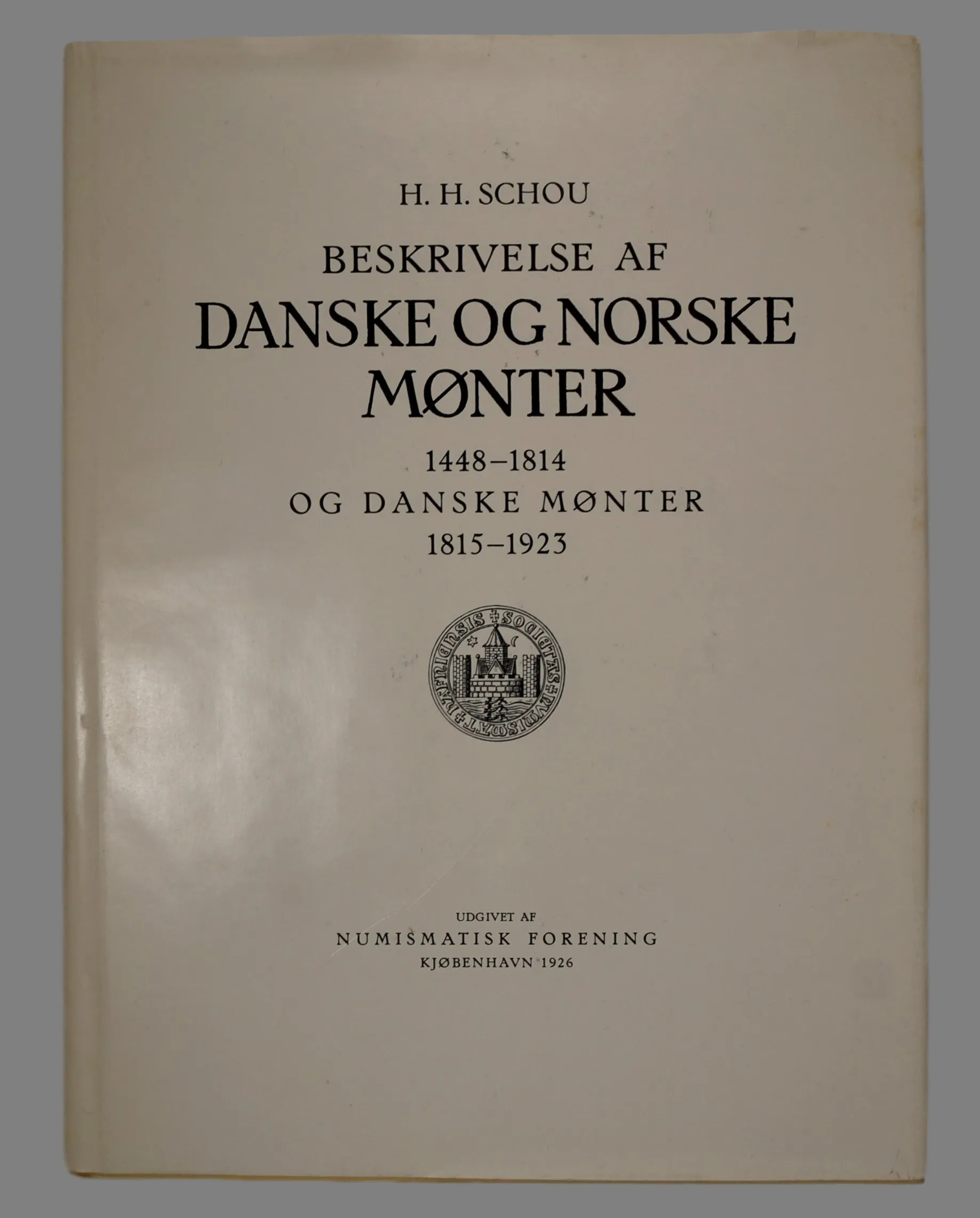
Numismatic literature: standard works and catalogues on Danish and Norwegian coins, Norwegian coin and banknote history, annual editions of Norges mynter, Swedish monographs, auction catalogues and antiquarian works from 1692 onward. All examined and described by Denarius.
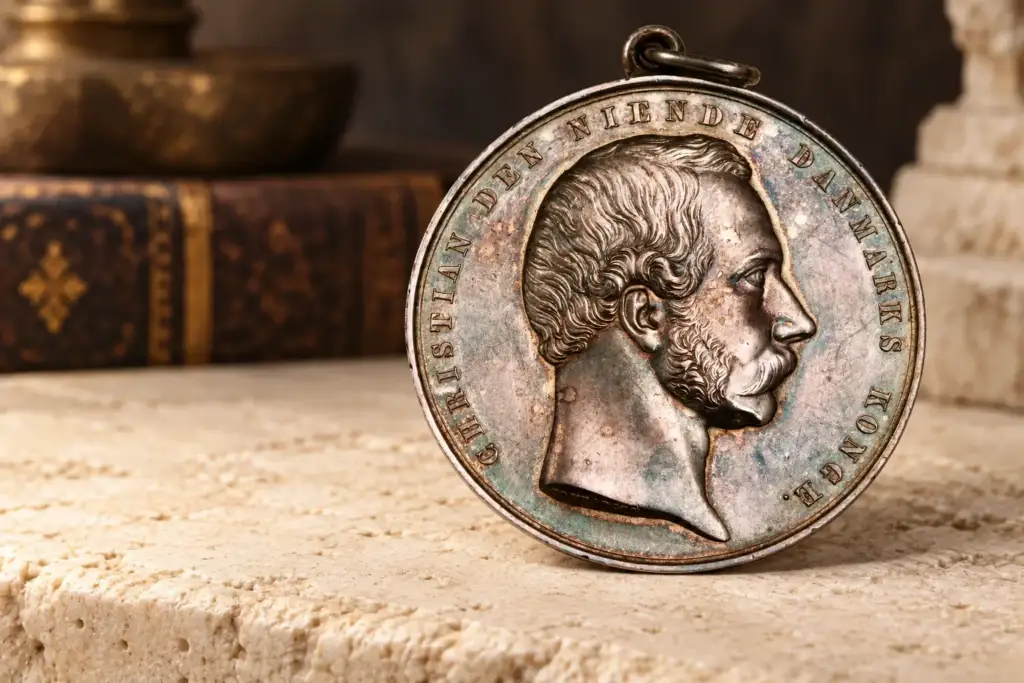
Every coin description depends on reference works. Catalogues record types, varieties and mint dates, and specialist studies explain the history behind them. For a collector, a good library is the best protection against mistakes and the key to understanding what is in the collection. This category contains books, catalogues and articles chosen for their usefulness and interest.
For reference works, the edition matters: later editions often contain corrections and new varieties, while earlier ones may be sought for their historical value. Check that plates and tables are complete, and note the condition of the binding. Antiquarian books are judged like other old books, by completeness, paper, binding and provenance. Each item is described with its condition.
The books on Norwegian coins pair naturally with the coins themselves; see Norway before 1814 and Banknotes – Norway.
A general price catalogue such as Norges mynter gives an overview of types and years, while works like Norges mynthistorie explain the historical background. Collectors of the Danish-Norwegian period also use the standard catalogues of Danish and Norwegian coins listed in this category.
Yes. Older catalogues are often still cited in coin descriptions, and they document how the field has developed. Antiquarian works such as Beger's from 1692 are also collected as historical objects.
Yes. Every item is researched and described as accurately as possible, and Denarius guarantees that everything sold is genuine and as described.
Every item gets its own number when it is catalogued. The number is shown on the product page, so you always know exactly which example it is.
Yes. We ship worldwide. Shipping method and price are shown at checkout before you pay.
Read more
Which old Norwegian banknotes can still be exchanged at Norges Bank, and which only have collector value? The rules, the 500-krone note…
From thor Møhlen’s notes of 1695 to today’s sea-themed series: the history of Norwegian banknotes, the Norges Bank series, what collectors look…
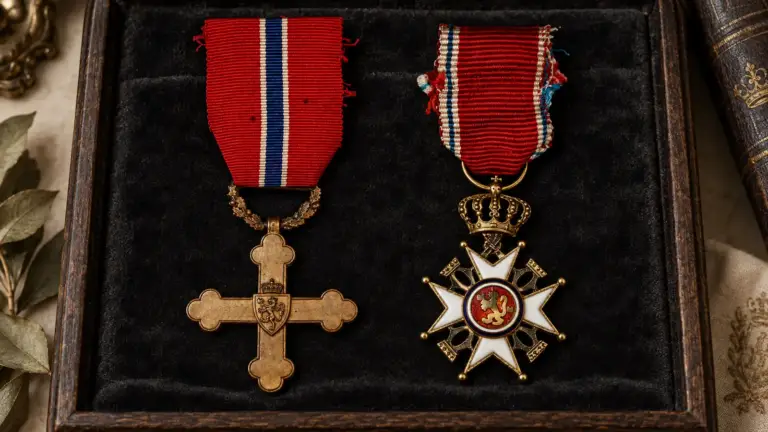
From the War Cross with Sword and the Order of St Olav to the King's Medal of Merit: who awards Norwegian medals…