Names of Roman Coins: From the As to the Solidus
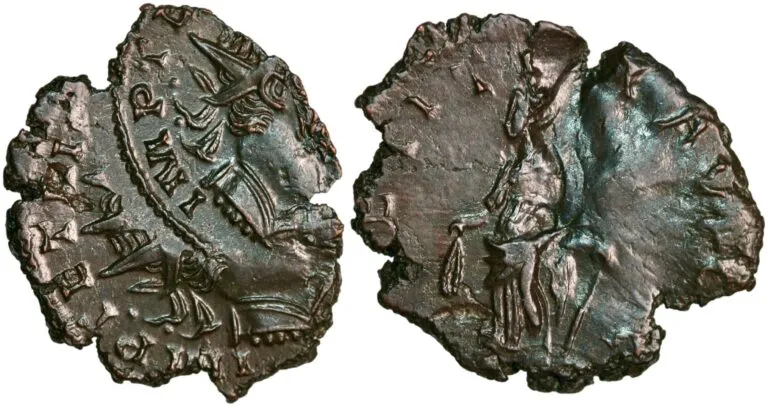
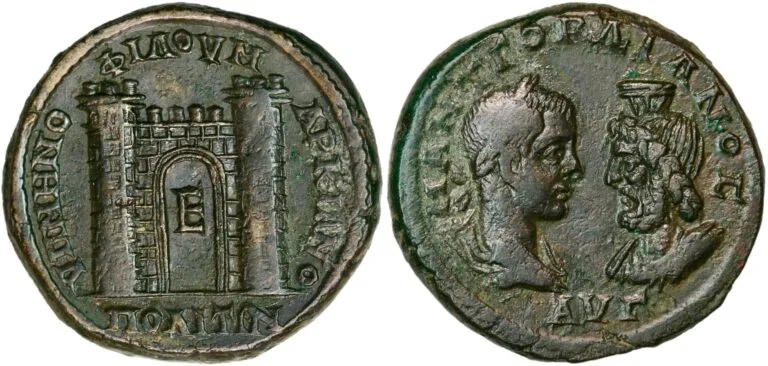
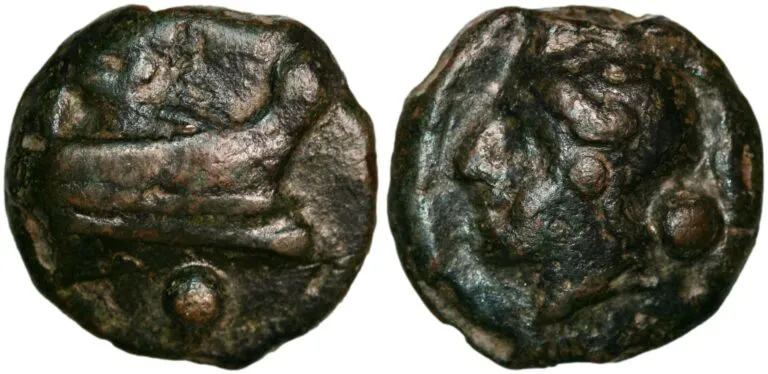
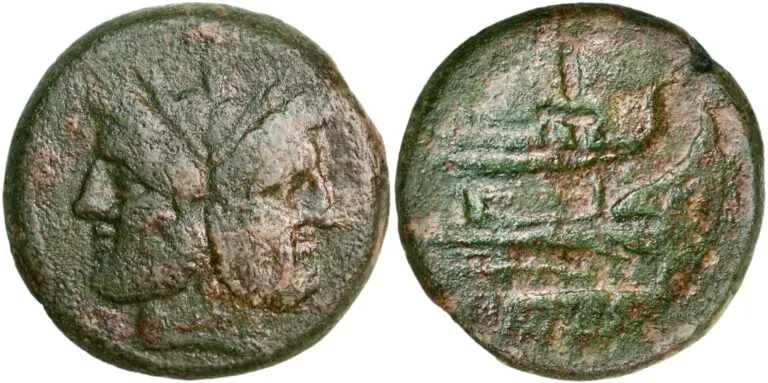
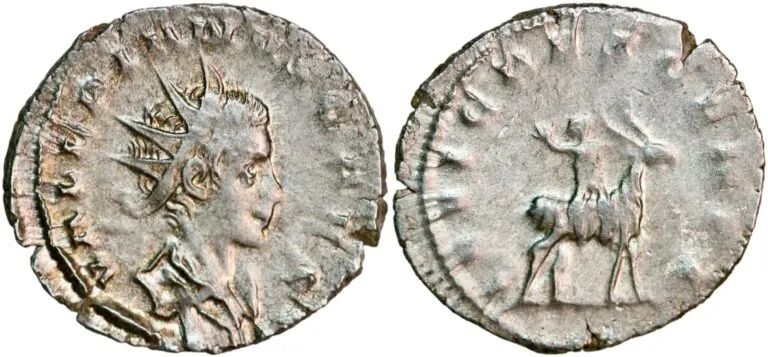
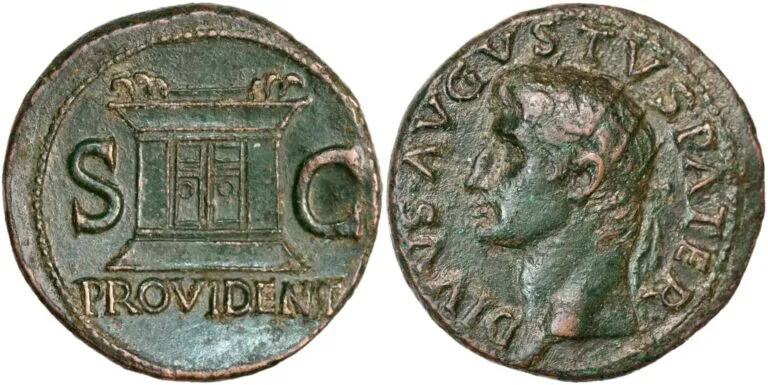
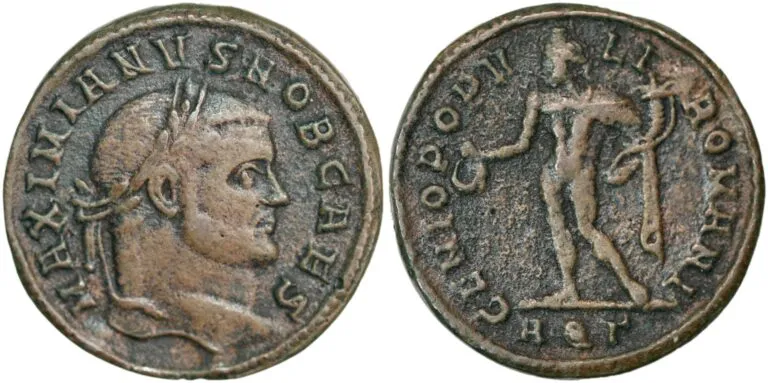
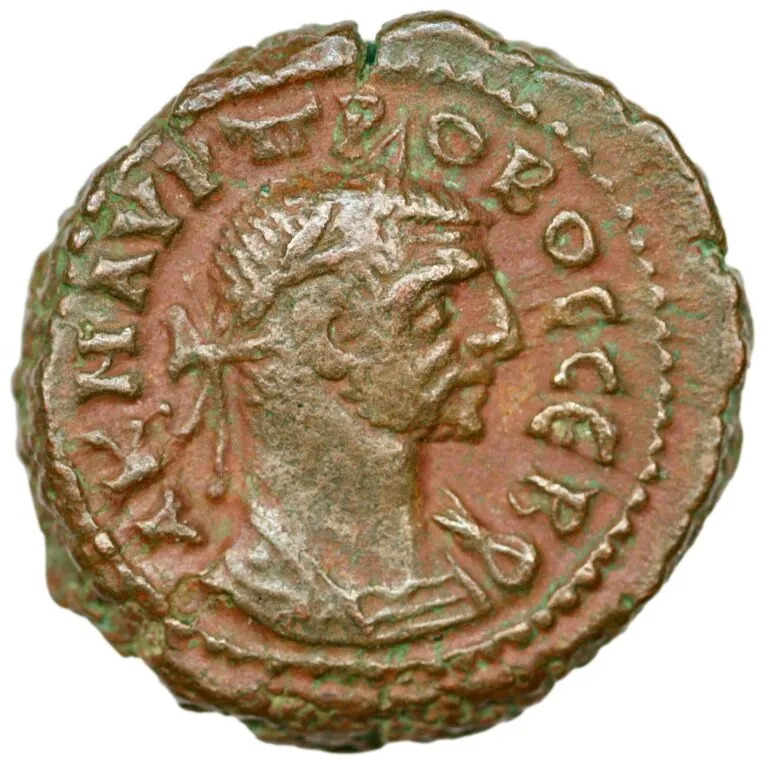
As, sestertius, denarius, antoninianus, nummus, maiorina and solidus: the names of Roman coins, what they were worth and which emperors introduced them.
Greek and Roman coins from antiquity, from early electrum and Greek silver to Roman denarii, sestertii and Byzantine folles. Every coin is examined, photographed and described with its own protocol number, and Denarius guarantees that it is genuine.
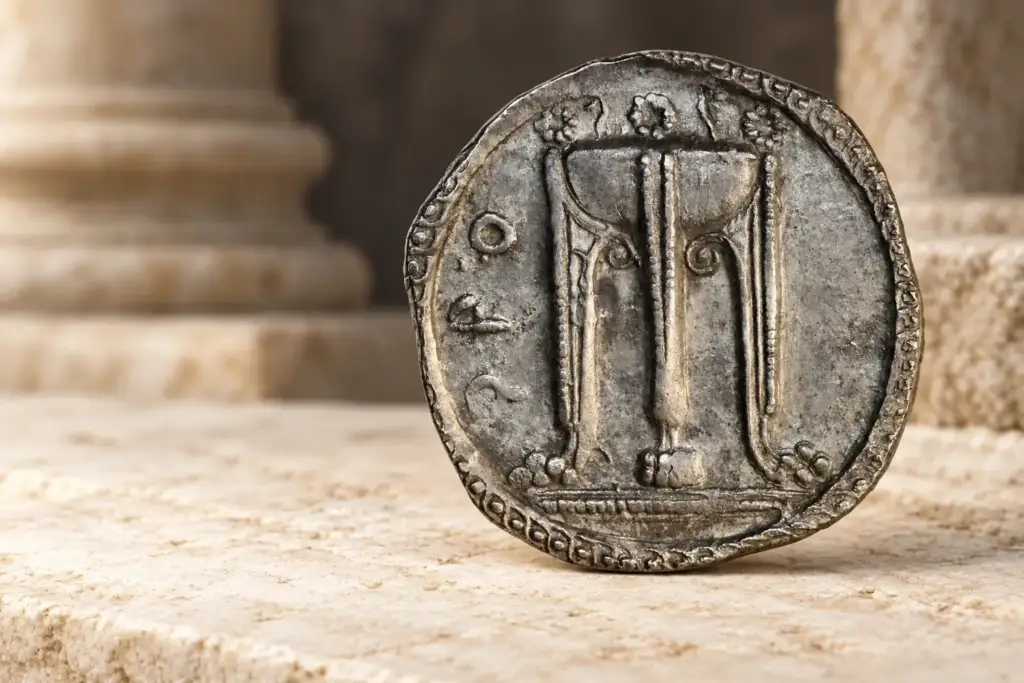
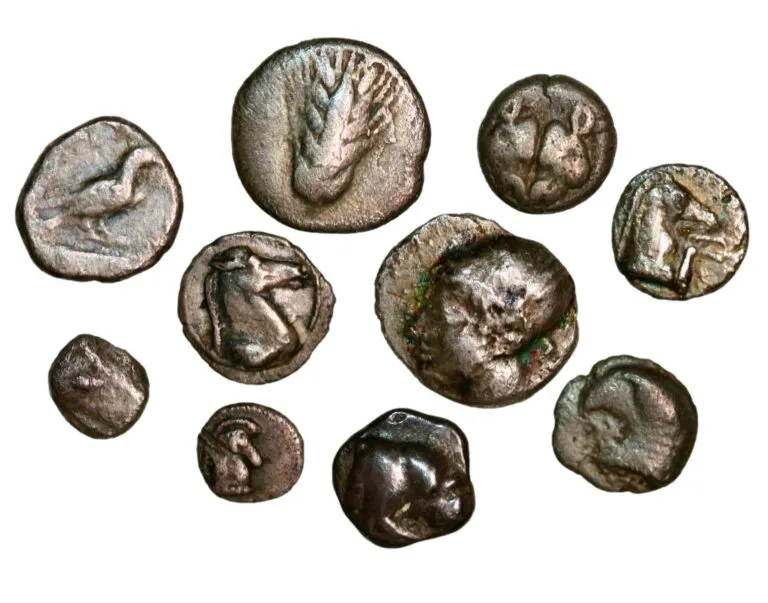
Coinage began in western Asia Minor in the 7th century BC, and the earliest coins were struck in electrum, a natural alloy of gold and silver. Our Greek coins range from archaic electrum fractions from Ionia and Lesbos to silver from the classical and Hellenistic world: a tetradrachm of Athens with Athena and her owl, staters and nomoi from the Greek colonies of southern Italy such as Tarentum and Metapontion, drachms from Syracuse and coins of Rhodes. Many of the most affordable Greek coins are tiny silver fractions – obols, hemiobols and even smaller – often weighing less than a gram, yet sometimes remarkably finely engraved.
The tetradrachm of Alexander the Great, with Herakles in a lion skin and Zeus enthroned, was struck in great numbers long after his death in 323 BC. The category also includes coins from the neighbours of the Greek world: Persian sigloi of the Achaemenid kings, silver from Sidon in Phoenicia and drachms of the Parthian kings.
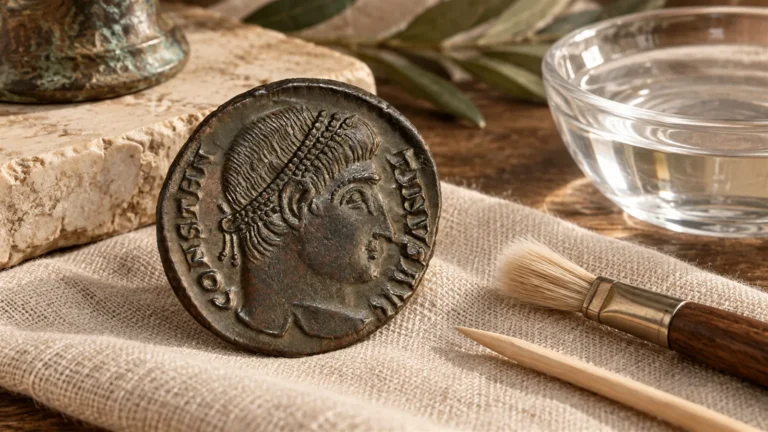
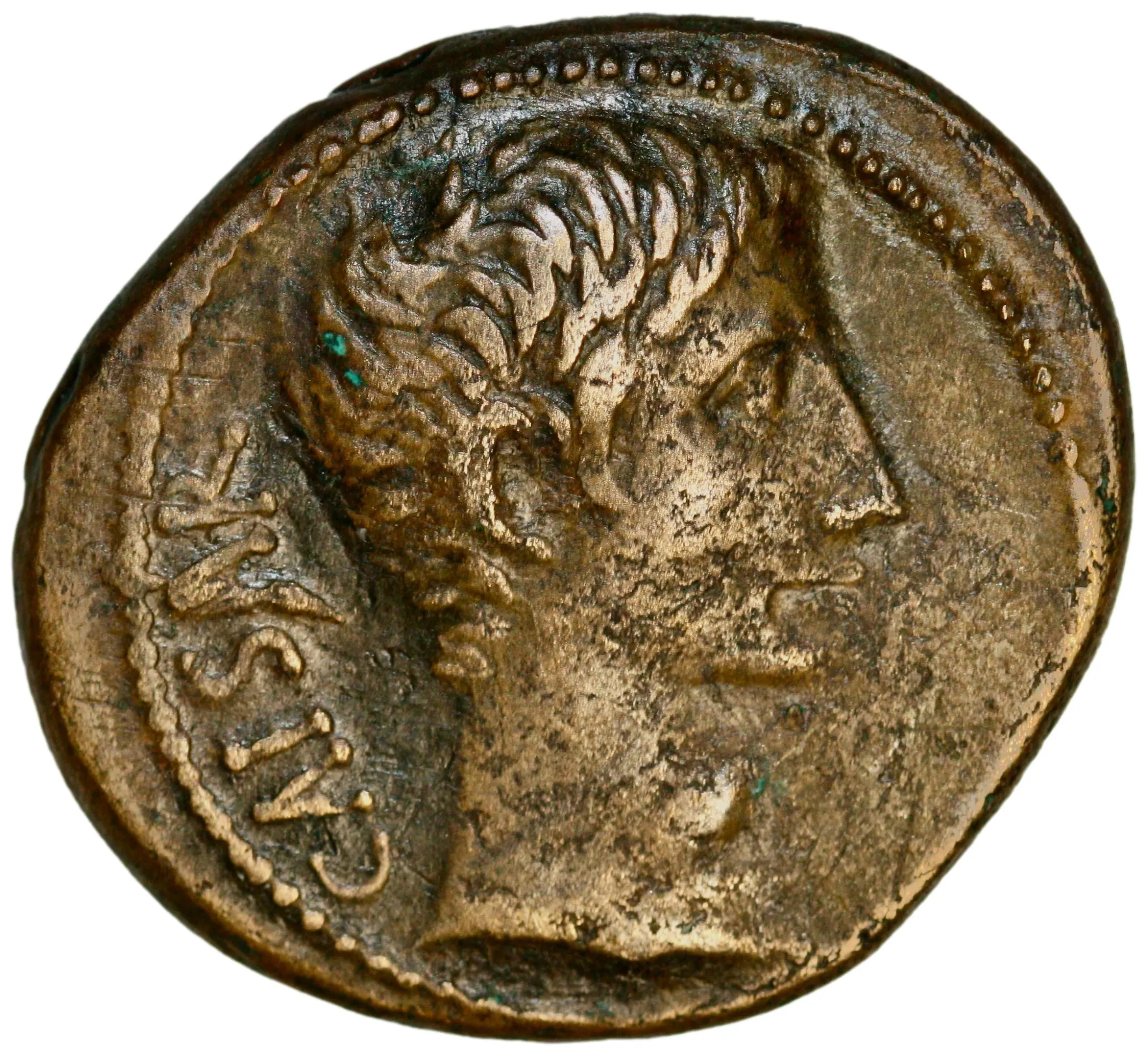
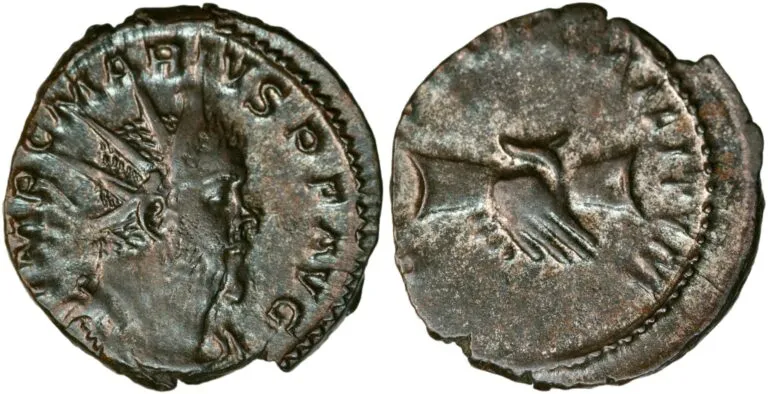
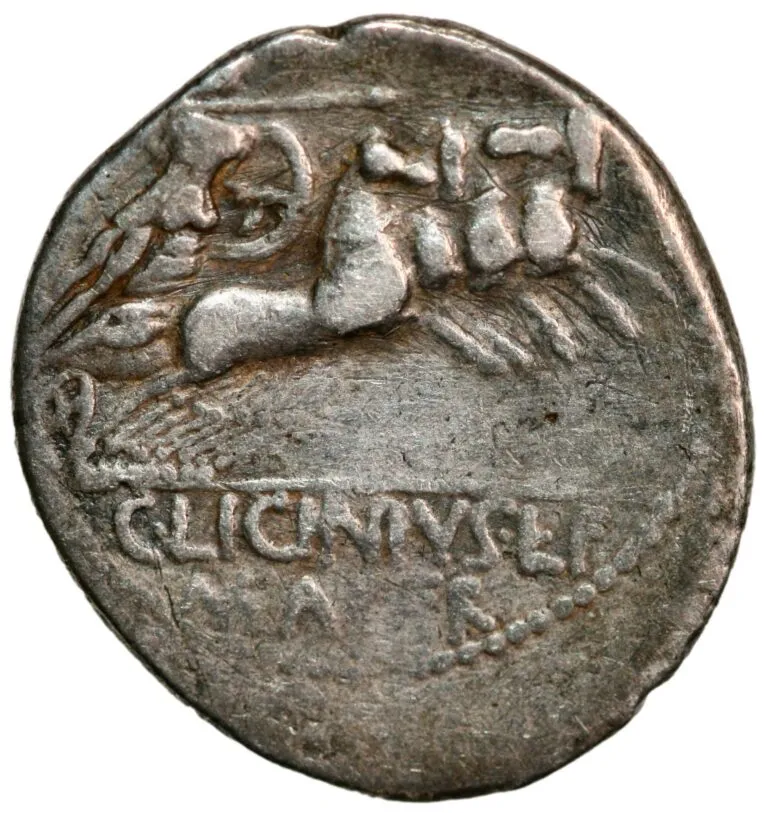
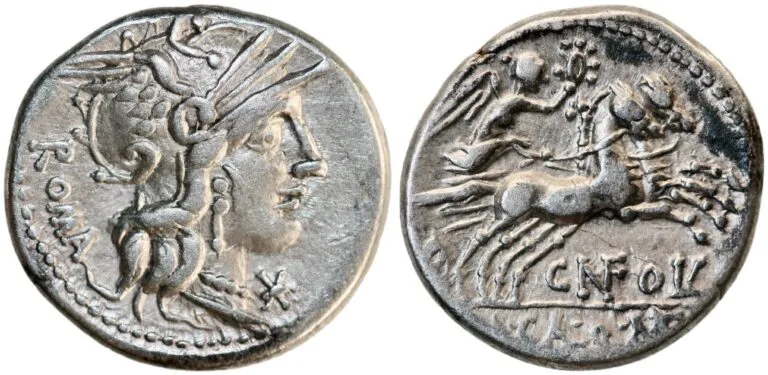
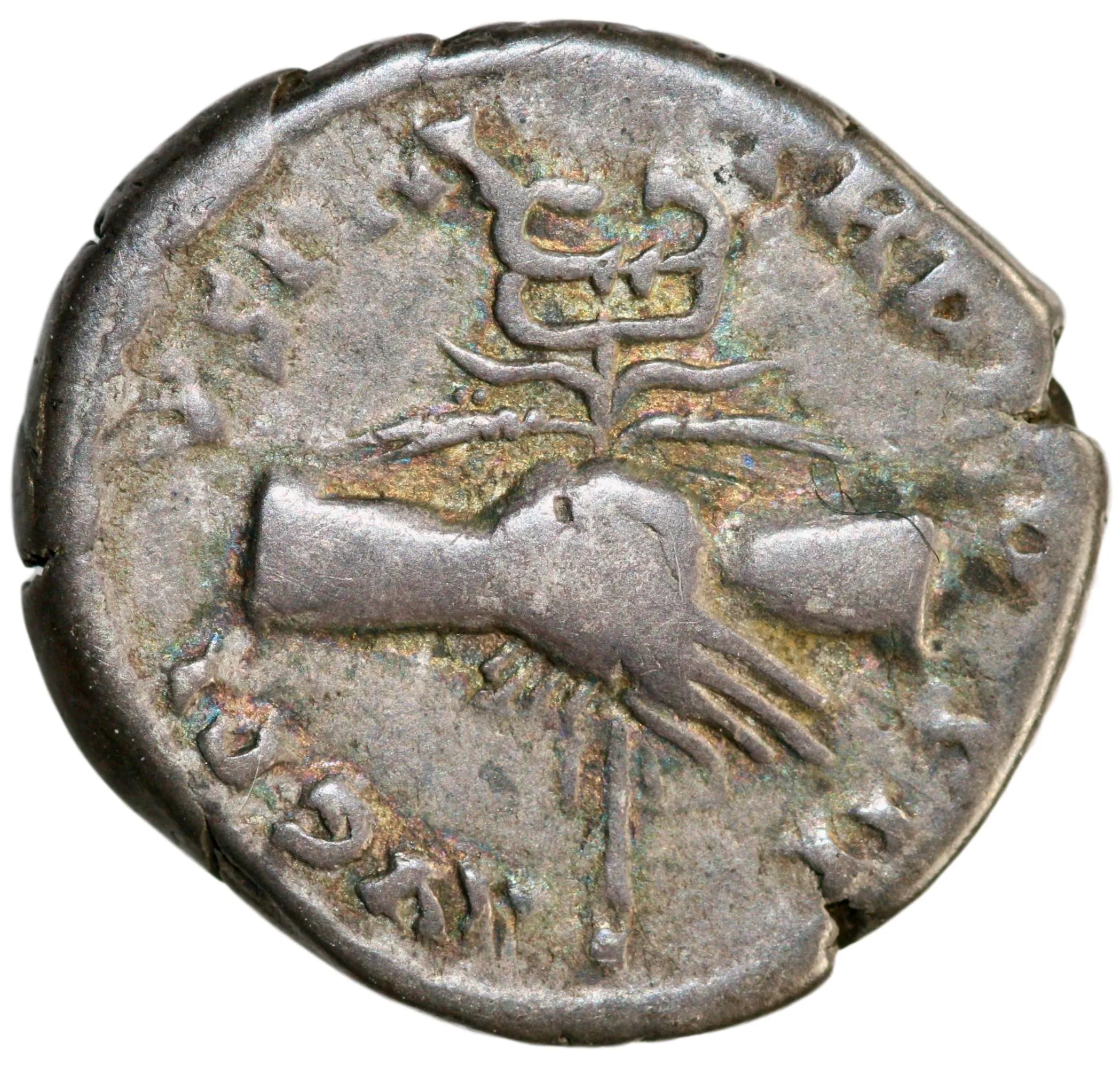
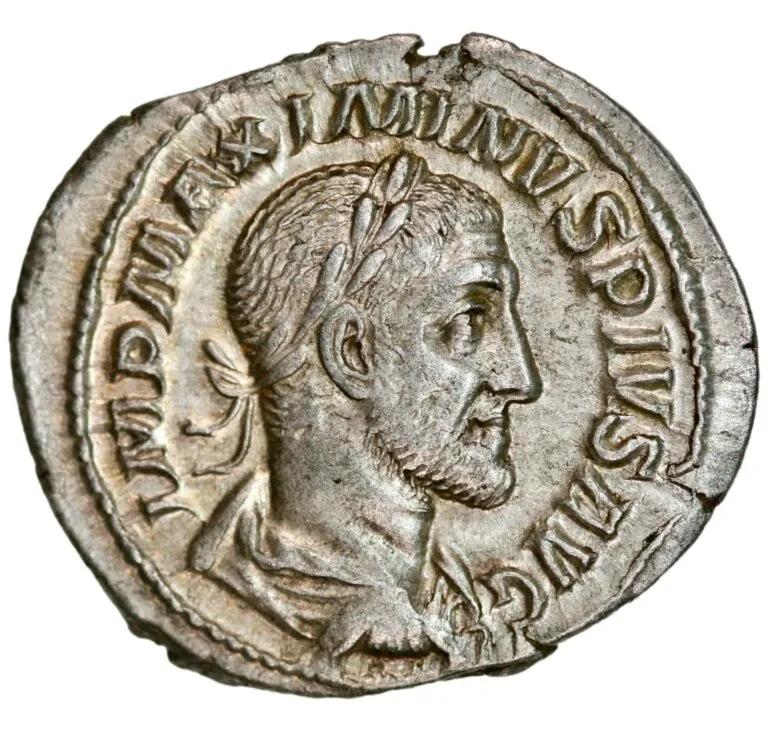
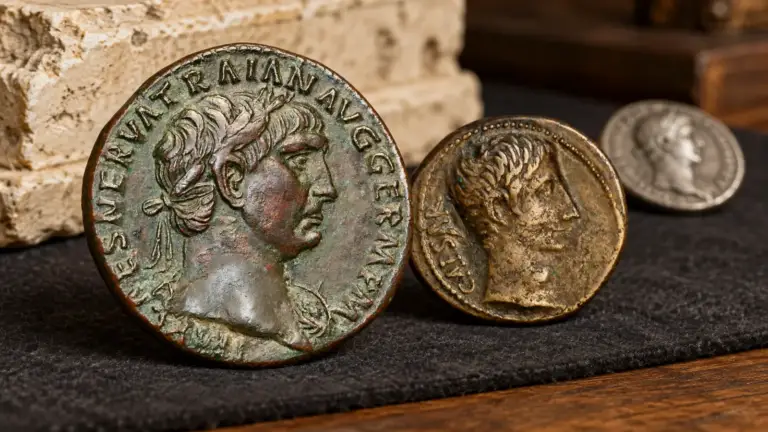
Rome’s silver denarius was introduced around 211 BC, during the war against Hannibal, and remained the backbone of Roman money for more than four centuries. Among our Roman coins you will find Republican denarii signed by moneyers who changed every year, Imperial denarii and large brass sestertii with portraits of emperors and empresses, and coins from the crisis years of the 3rd century, when the silver content fell sharply. Late Roman bronzes of Constantine the Great and Julian II carry the story to the end of the Western Empire in 476. Many coins of the Imperial period were struck in the eastern provinces, such as silver tetradrachms from Antioch with Greek legends.
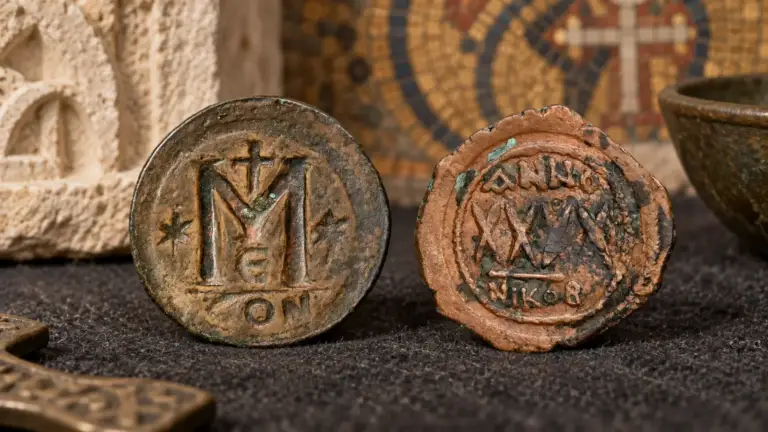
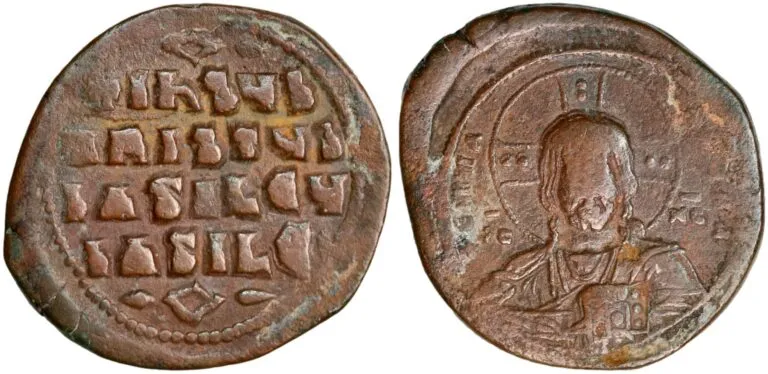
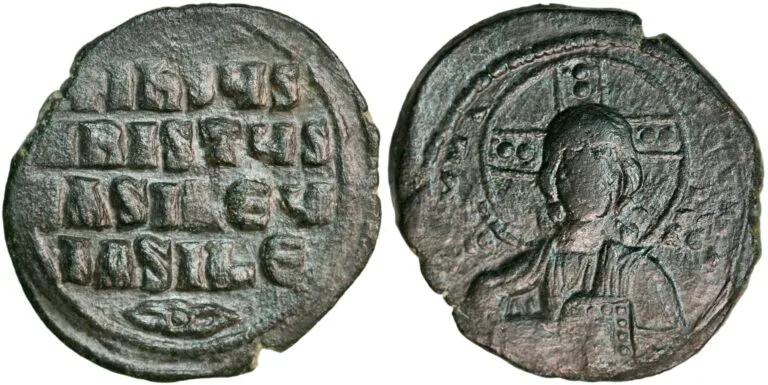
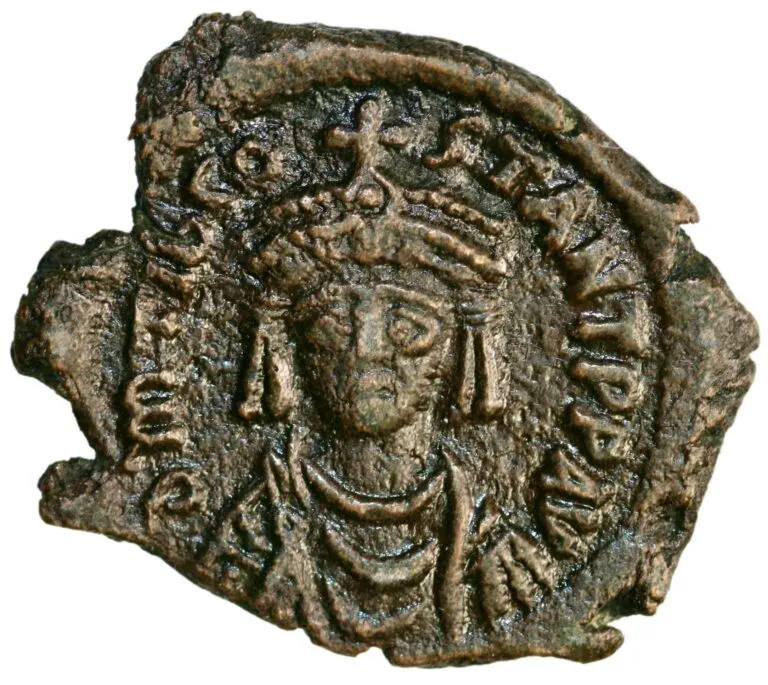
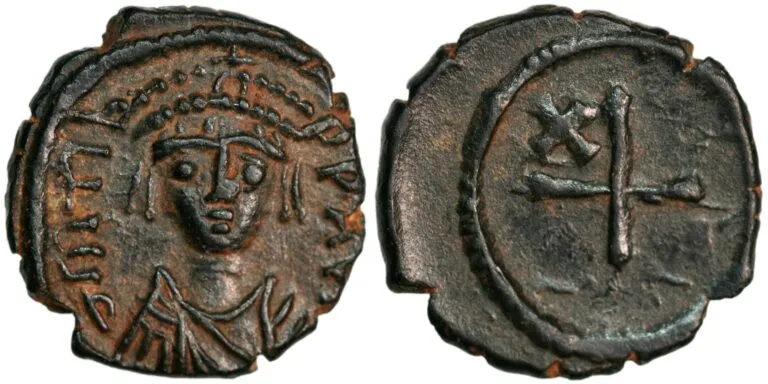
The Eastern Roman Empire lived on with Constantinople as its capital. Byzantine coinage is usually counted from Anastasius I, whose reform of 498 introduced a large copper follis marked M for 40 nummi. Our Byzantine coins include folles of Anastasius, Maurice Tiberius and Phokas, and the anonymous folles of the 10th and 11th centuries, which show a bust of Christ instead of the emperor.
Ancient coins were struck by hand, one at a time, so no two are exactly alike. Collectors look especially at:
Wherever possible, each object is identified with references to standard catalogues such as RIC, Crawford or Sear, so you can compare it with the literature. Denarius was founded by Marius Ringsrud, who trained in classical archaeology at the University of Oslo and Uppsala University.
Greek coins were struck by independent city-states and kingdoms, usually in silver and with the city's gods and symbols. Roman coins were issued by the Roman state, and in the Imperial period they normally carry the emperor's portrait and titles. In the eastern provinces, cities kept striking coins with Greek legends under Roman rule, so the line is not always sharp.
With hand-struck coins, condition, strike, centring and surface matter a great deal. A sharp portrait, a well-centred design and an attractive patina can make one example far more desirable than another of the same type. Rare varieties and documented provenance also count.
No. Cleaning removes the patina and usually lowers the value considerably. Store coins dry and hold them by the edge.
Yes. Every item is researched and described as accurately as possible, and Denarius guarantees that everything sold is genuine and as described.
Every item gets its own number when it is catalogued. The number is shown on the product page, so you always know exactly which example it is.
Yes. We ship worldwide. Shipping method and price are shown at checkout before you pay.
Read more
As, sestertius, denarius, antoninianus, nummus, maiorina and solidus: the names of Roman coins, what they were worth and which emperors introduced them.
From Anastasius' big follis of 498 to the fall of Constantinople in 1453: how to read Byzantine coins, what the M and…
Cleaning ancient coins usually does more harm than good. Here is when to leave a Roman coin alone, and how to clean…