Medieval coins: hammered pennies, groats and gold
From the silver penny to the groat and the great gold coins: a collector's guide to medieval coins, how they were made…
European coins from a thousand years: English hammered pennies and groats, German bracteates, thalers and daalders, Danish coins of Christian IV, Swedish, Russian and Spanish silver. Every coin is examined, photographed, described with its own protocol number and guaranteed genuine.
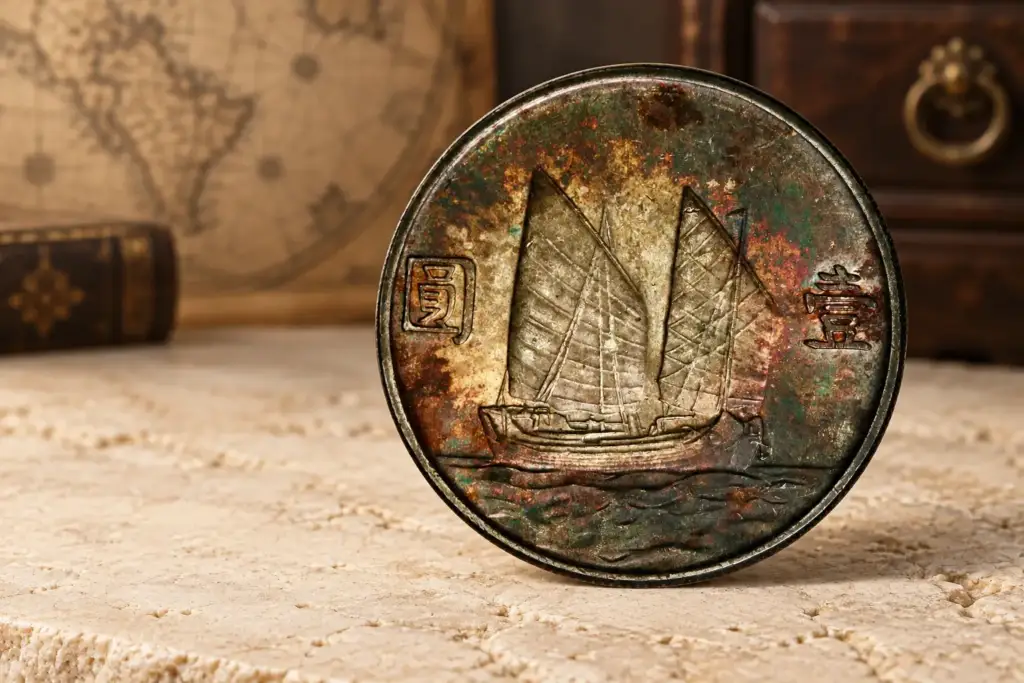
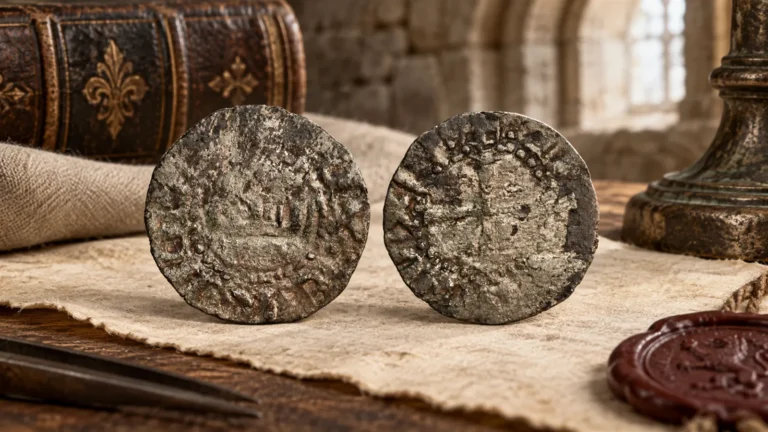
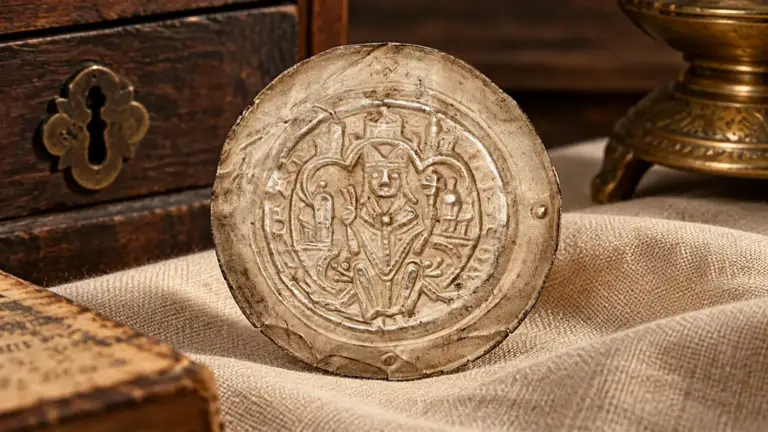
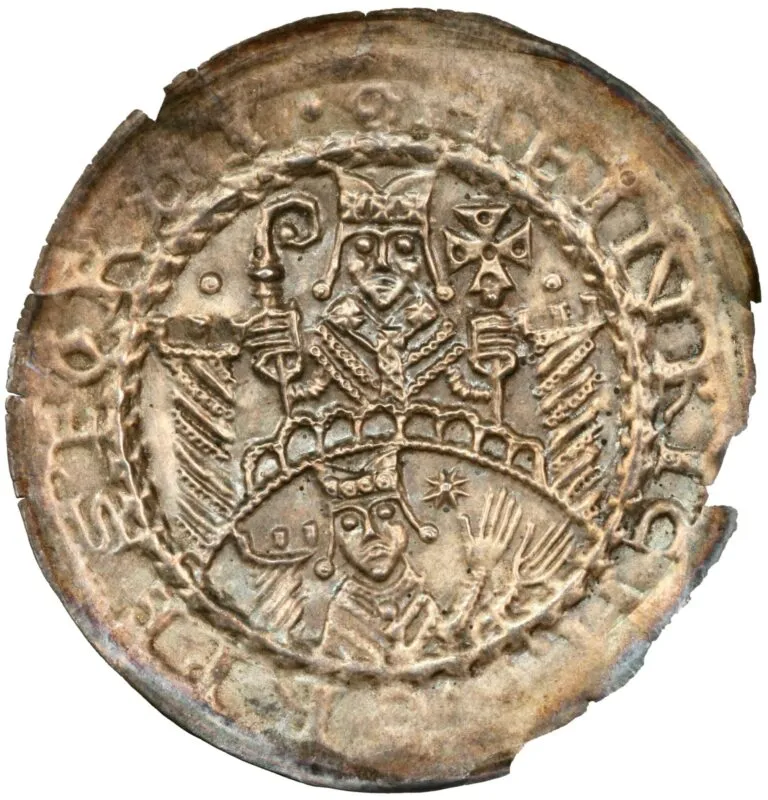
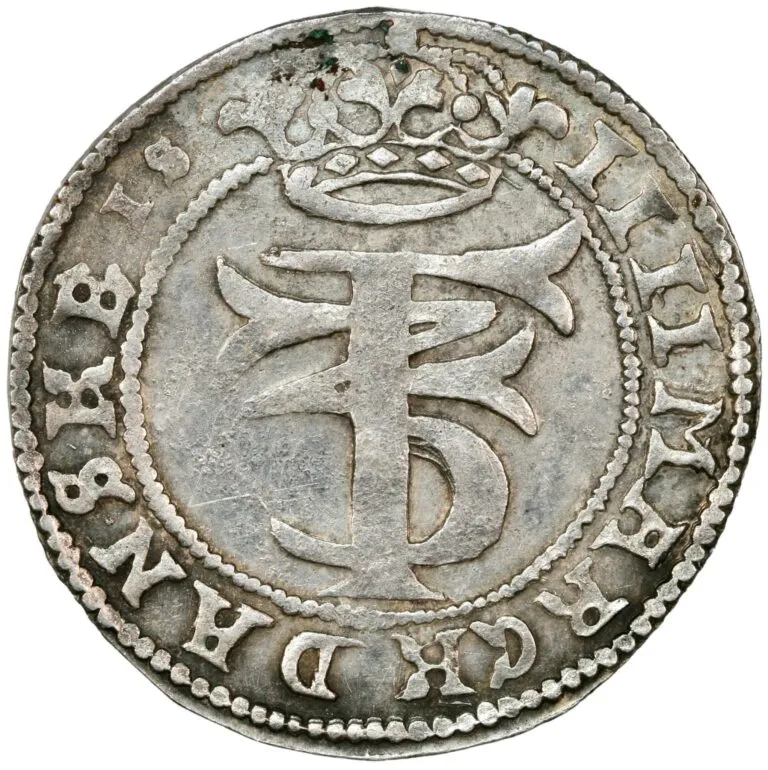
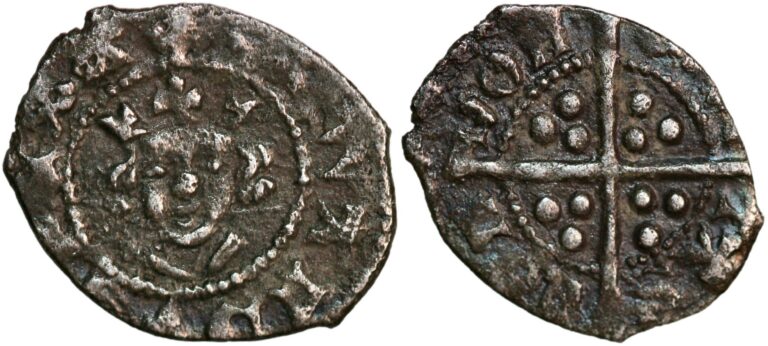
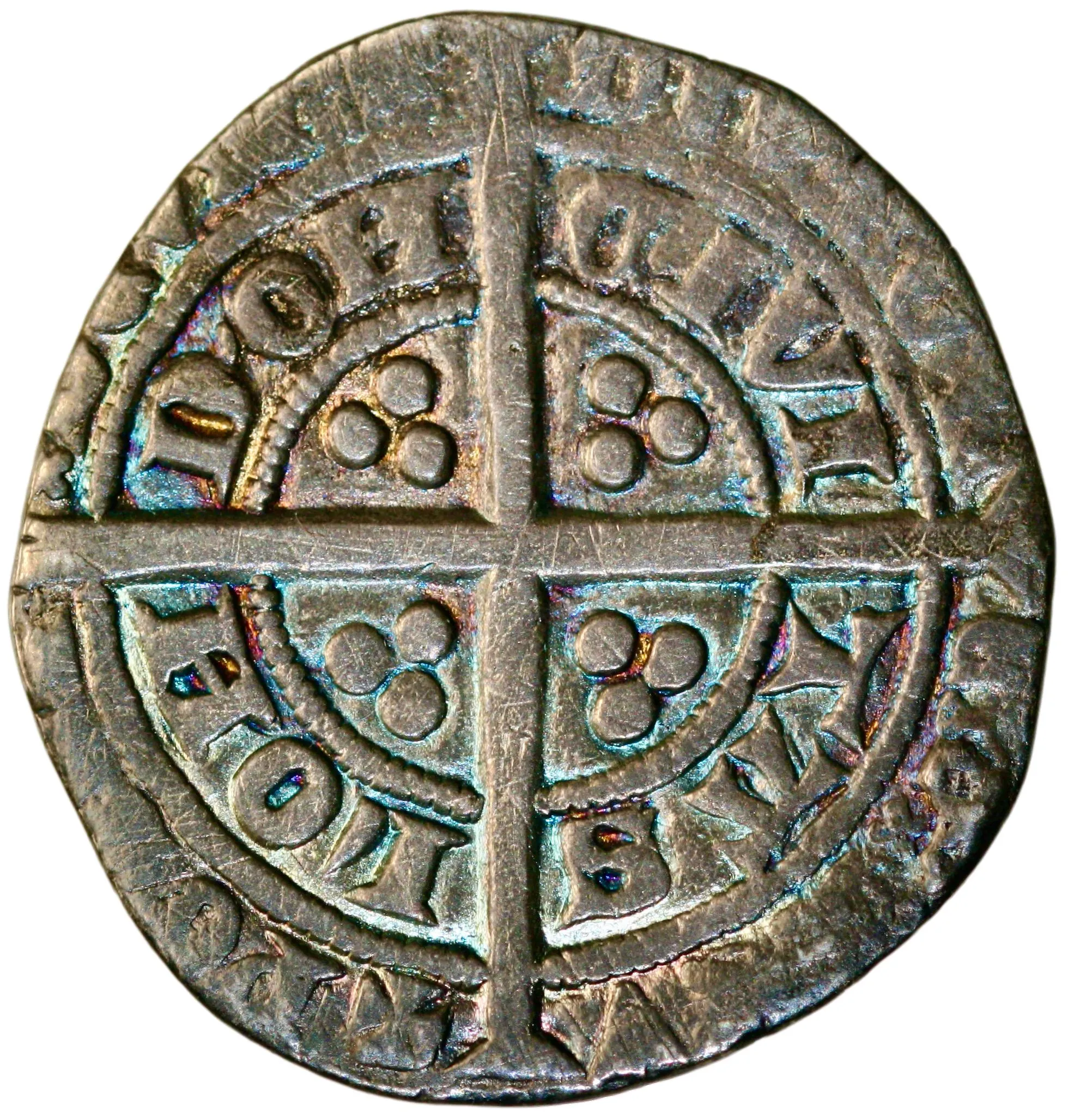
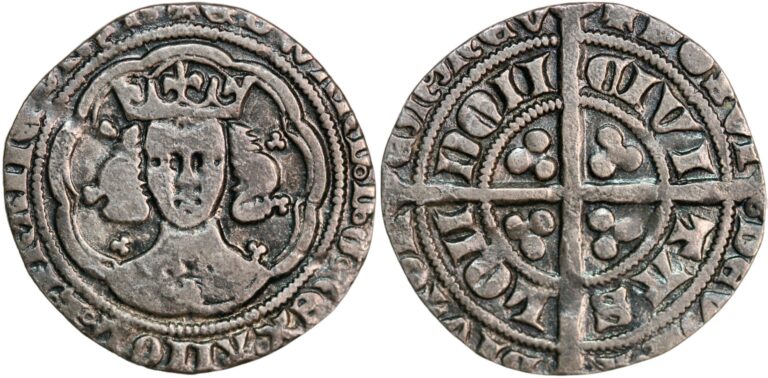
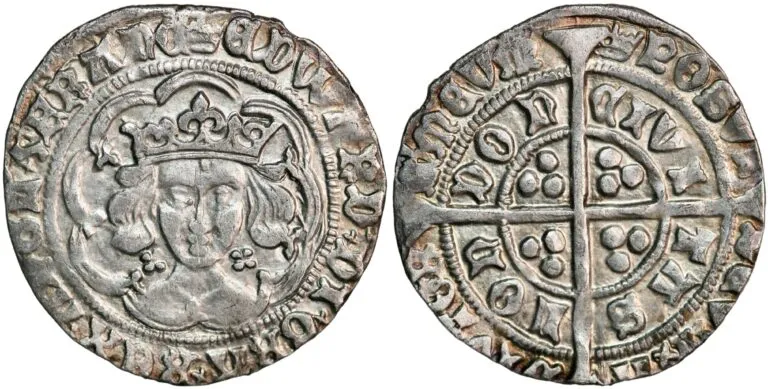
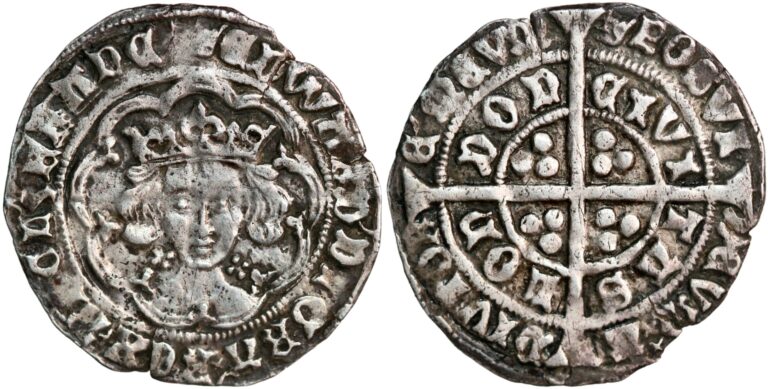
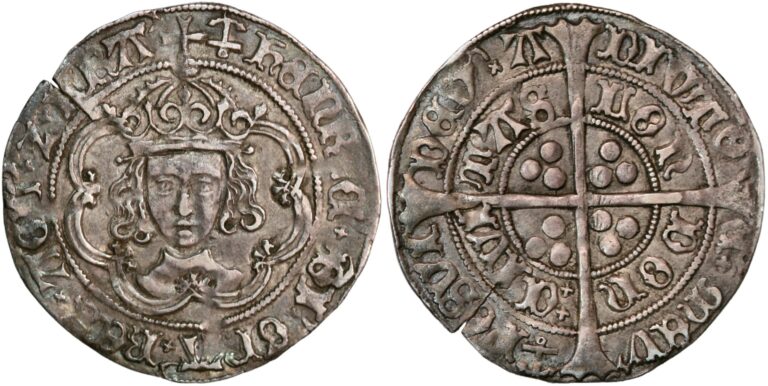
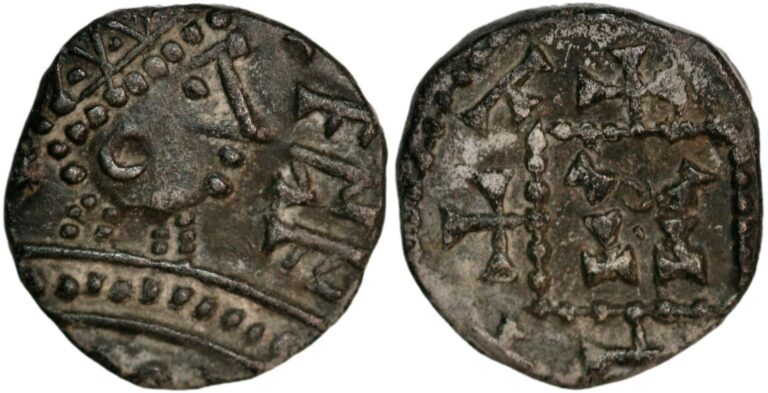
The European coins span a thousand years, and the Middle Ages are unusually well represented. From England there is a run of hammered silver from an Anglo-Saxon sceatta (c. 600–775) through pennies of Æthelred II and Cnut to groats of Edward III, Edward IV and Henry VII. The largest single group is the German bracteates of the 12th and 13th centuries: thin silver pennies struck on one side only, so that the image shows through in reverse on the back. Their delicate, often surprisingly large designs of bishops, rulers and buildings make them among the most striking coins of the period. There are also early denars from Germany and the Netherlands, and copper and silver from Norman Sicily.
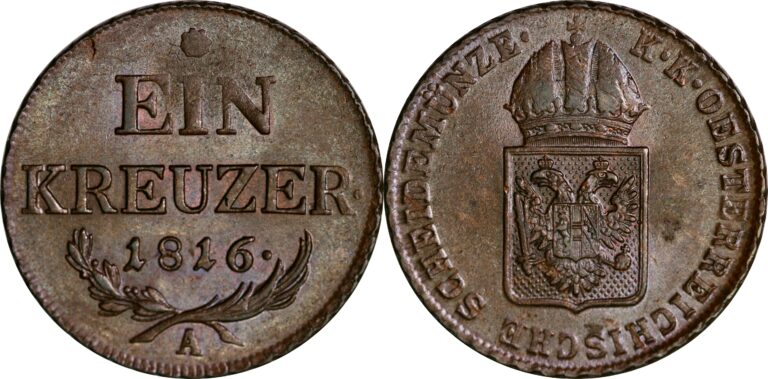
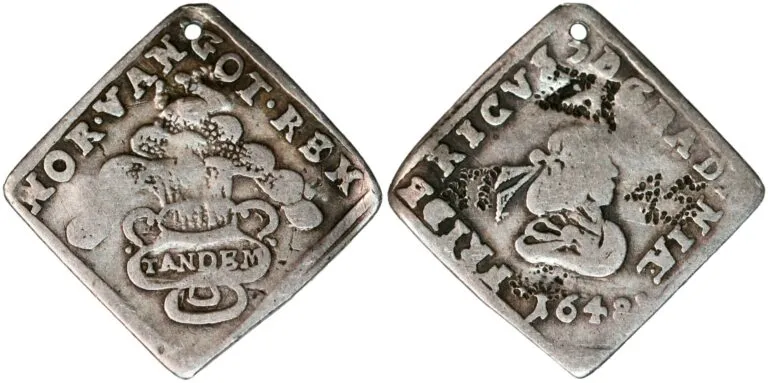
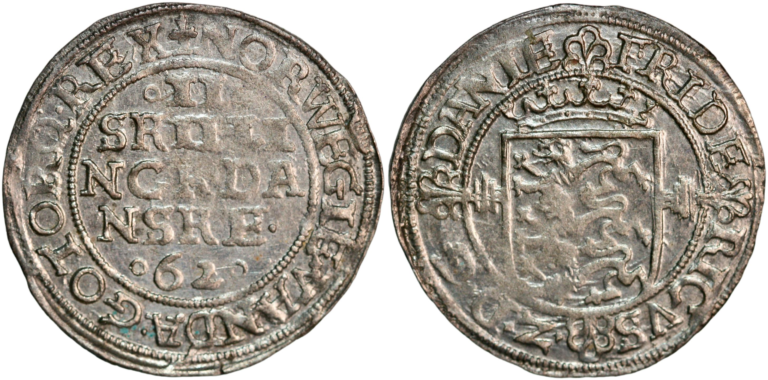
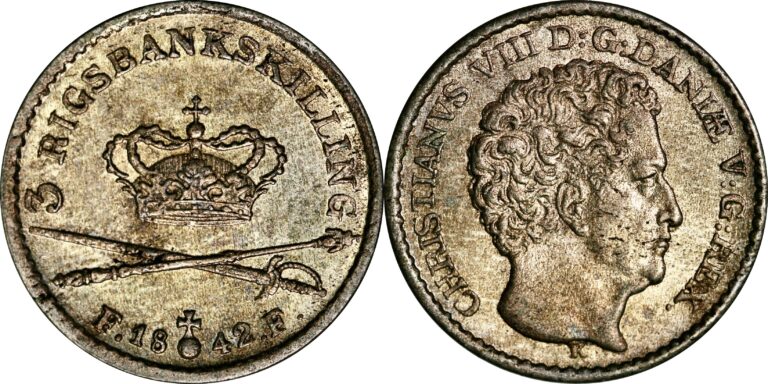
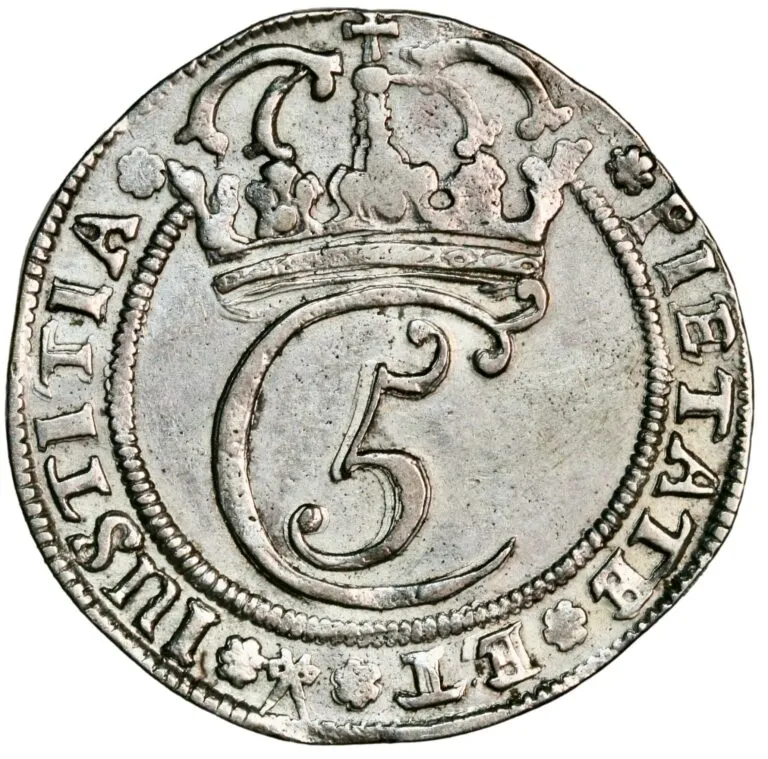
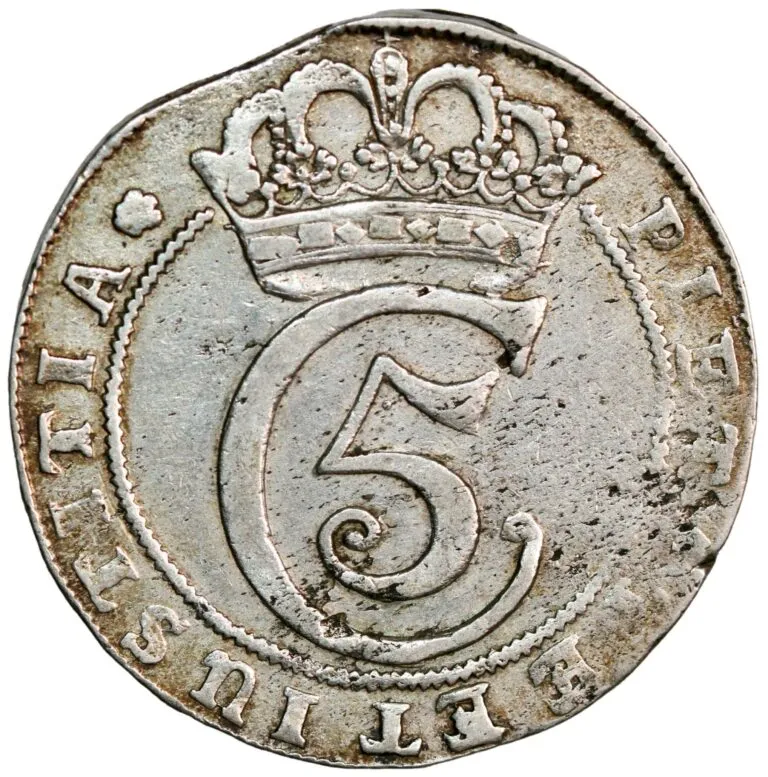
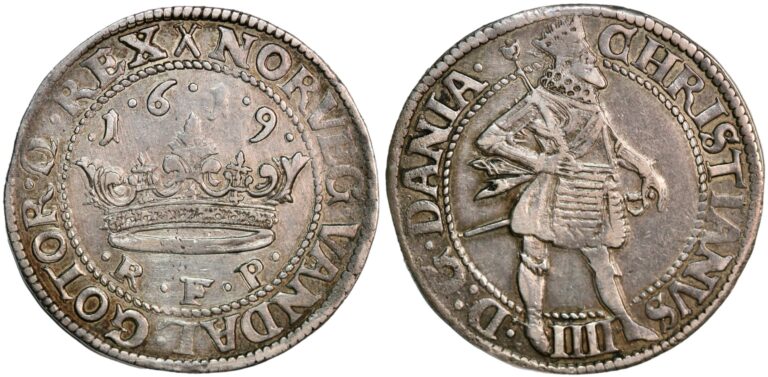
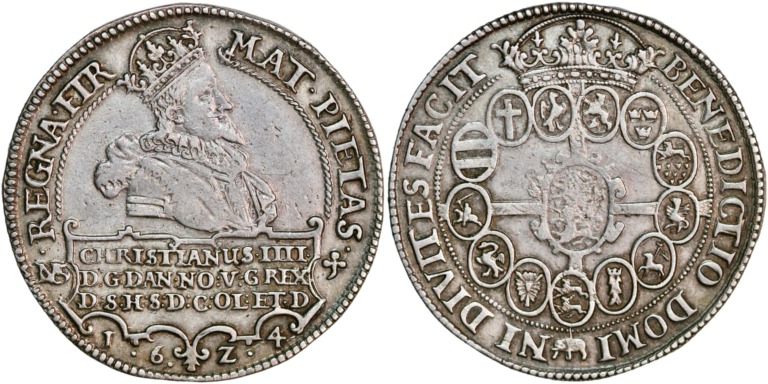
From the 16th century, large silver coins of the thaler type spread across Europe. The category has German reichsthalers from 1586 to 1658, Dutch daalders from the 1590s and 1640s and Danish coins of Christian IV, including a speciedaler 1624 and a krone 1619. The Spanish 8 reales, the piece of eight, is here too. Sweden is represented from the daler of 1573 to the 20th century, together with a book on the Swedish copper plate money of 1644–1776, the largest coins in the world.
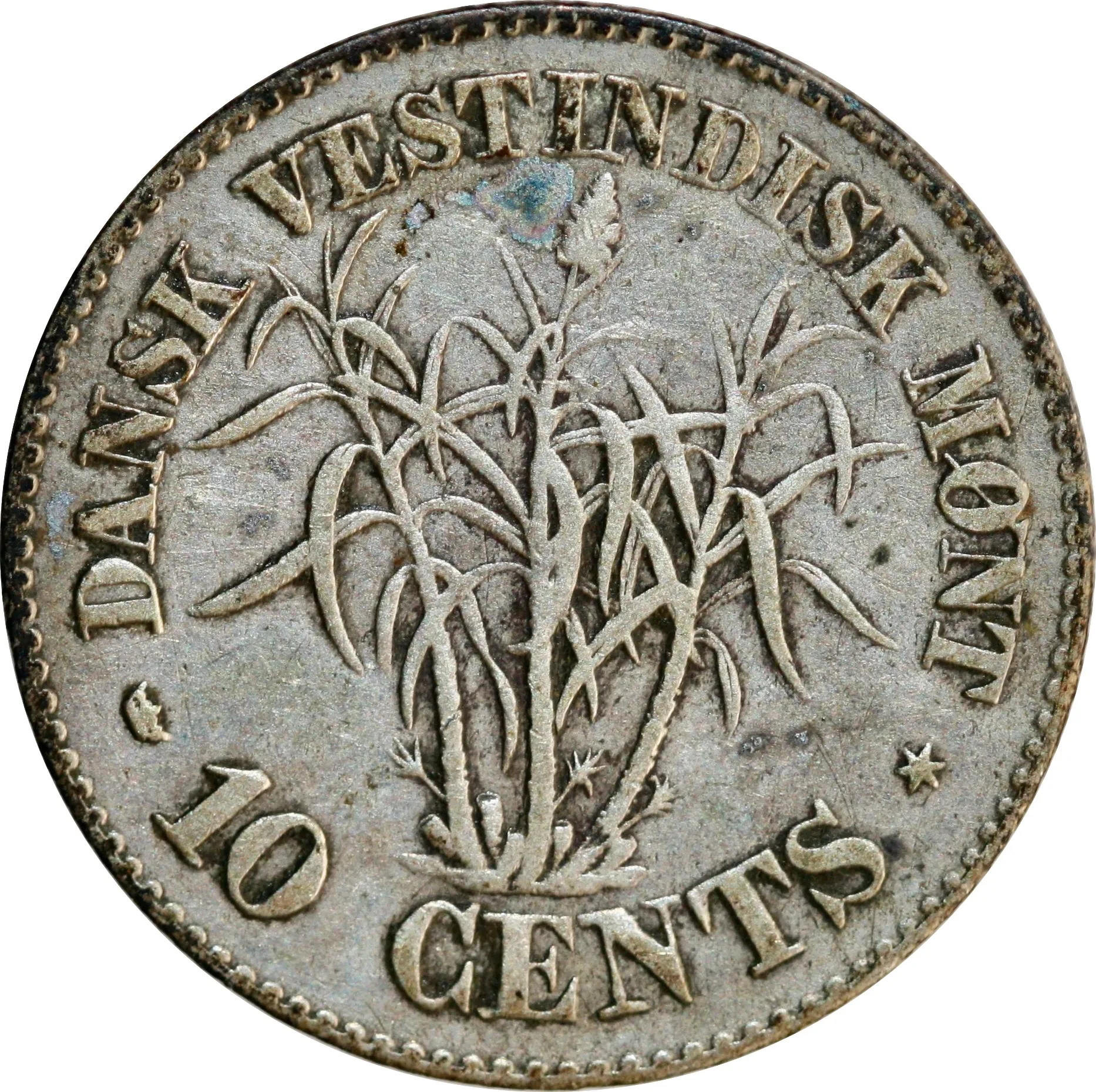
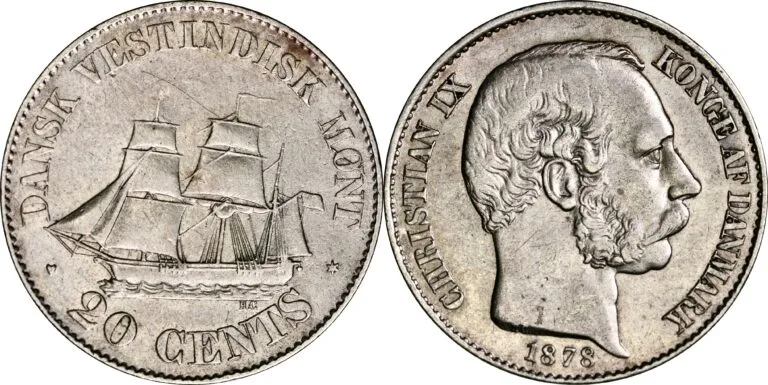
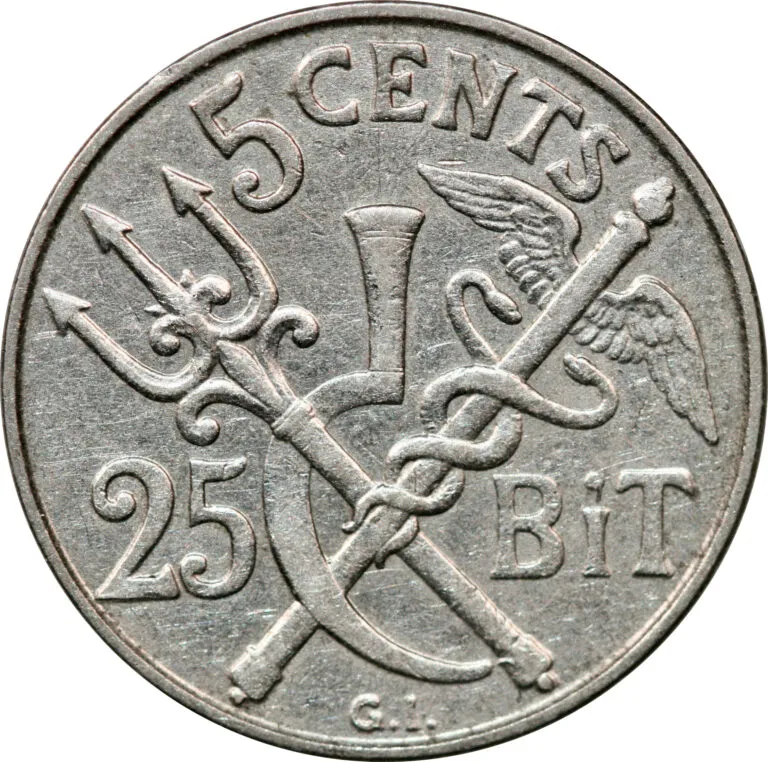
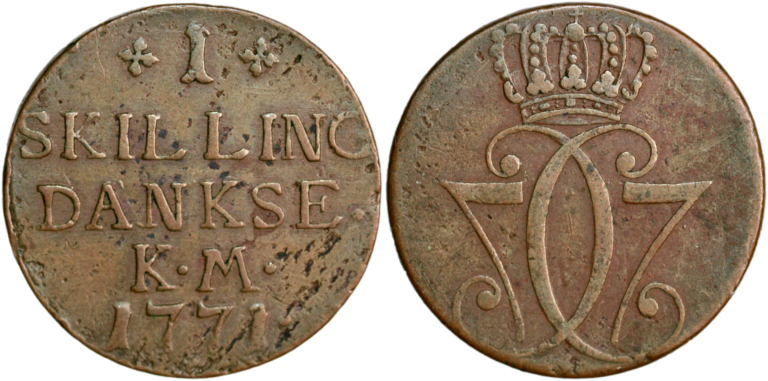
The Russian coins run from the 18th century, with 5 kopeks from 1725 and 1772 and a rouble of 1754, to silver from 1912, as well as a propaganda 50 kopeks 1917 and a kopek with a striking error. Later pieces include coins from Britain, France, Prussia, the Netherlands, Portugal, San Marino, the Ottoman Empire and the Channel Islands, and coins from the Danish West Indies.
For hammered medieval coins, collectors look for a full, well-centred strike, legible legends and an unbroken flan; bracteates are fragile, so cracks and bends are important. For thalers and later silver, wear on the portrait, old cleaning and edge damage affect the grade. Each coin is described with its ruler, mint, condition and catalogue reference.
Browse the subcategories for England, Prussia, Germany and Austria and Sweden.
A bracteate is a thin medieval silver penny struck on one side only, so the design shows through in reverse on the back. Bracteates were common in Germany and neighbouring regions in the 12th and 13th centuries.
The groat was an English silver coin worth four pence. It was struck regularly from the reign of Edward III in the 14th century and well into the Tudor period.
They are all large silver coins of the same tradition. Thaler and reichsthaler are the German names, daalder the Dutch, and the Scandinavian daler and rigsdaler belong to the same family.
Yes. Every item is researched and described as accurately as possible, and Denarius guarantees that everything sold is genuine and as described.
Every item gets its own number when it is catalogued. The number is shown on the product page, so you always know exactly which example it is.
Yes. We ship worldwide. Shipping method and price are shown at checkout before you pay.
Read more
From the silver penny to the groat and the great gold coins: a collector's guide to medieval coins, how they were made…
A bracteate is a paper-thin silver coin struck on one side only, and for much of the Middle Ages it was Norway's…
In early 2022, Denarius published two remarkable German bracteates in the space of two weeks: a huge coin from the archbishopric of…