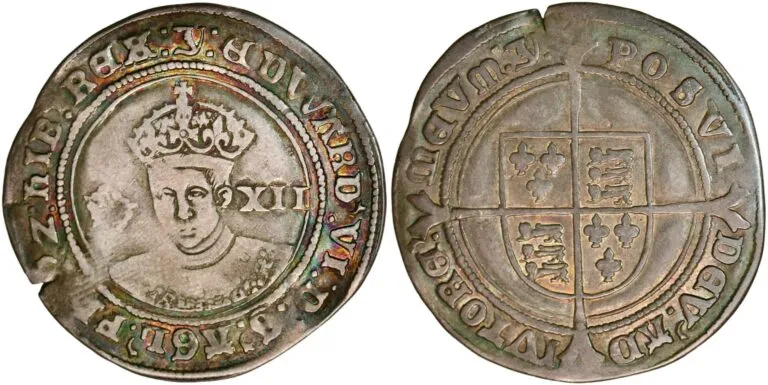
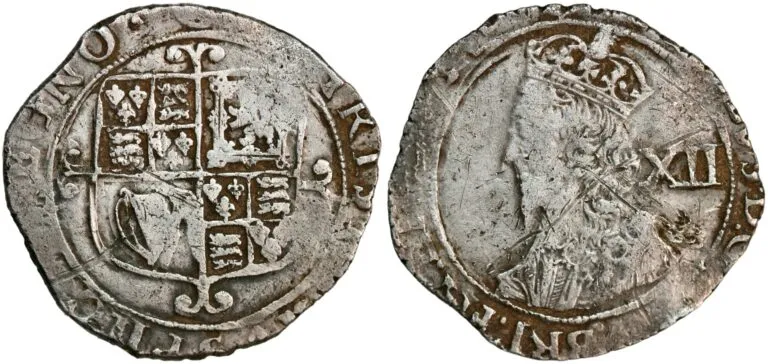
Medieval coins: hammered pennies, groats and gold
From the silver penny to the groat and the great gold coins: a collector's guide to medieval coins, how they were made…
English coins from an Anglo-Saxon sceatta and pennies of Æthelred II and Cnut to medieval groats, Tudor and Stuart silver, Georgian copper and Channel Islands coins. Each piece is examined, described and guaranteed genuine by Denarius.
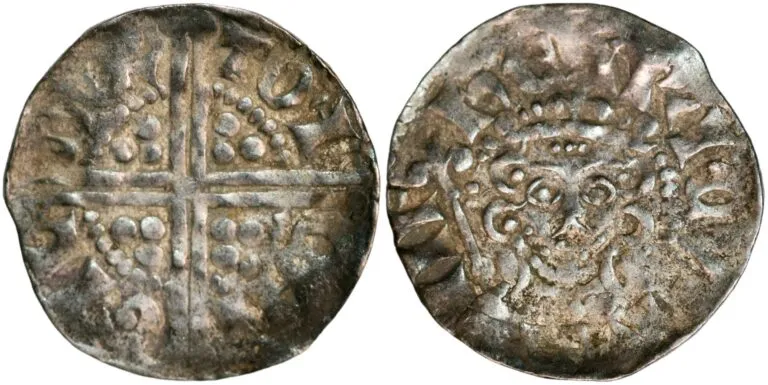
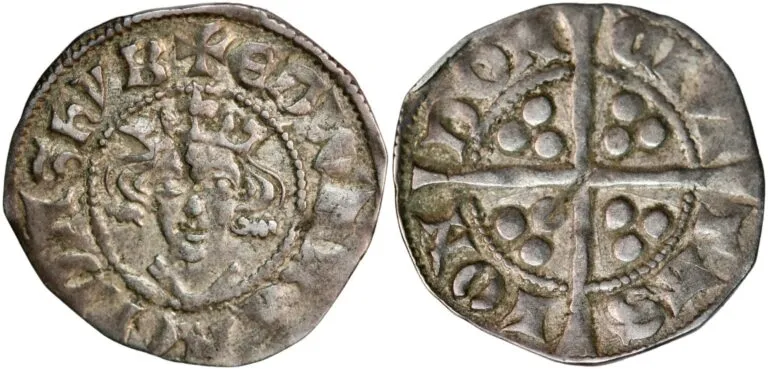
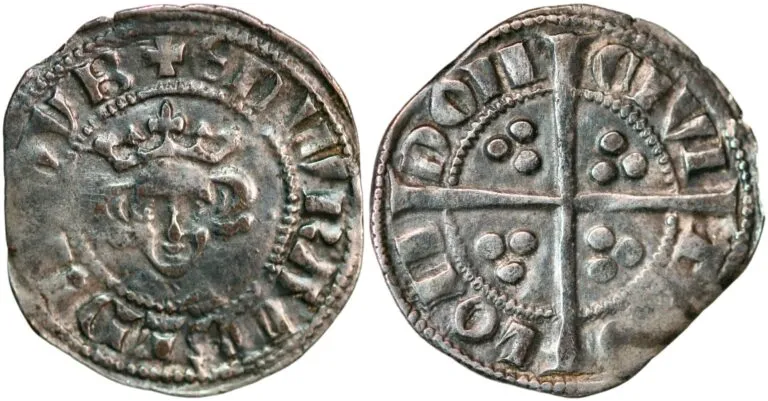
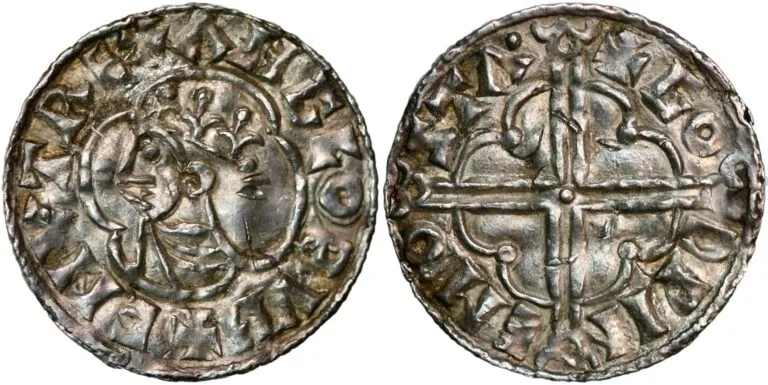
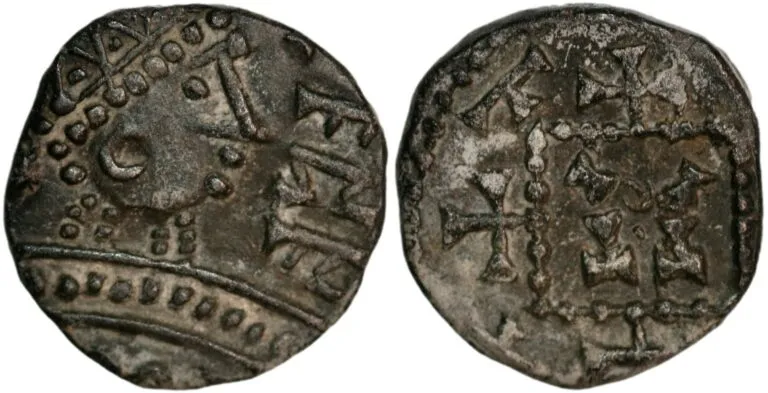
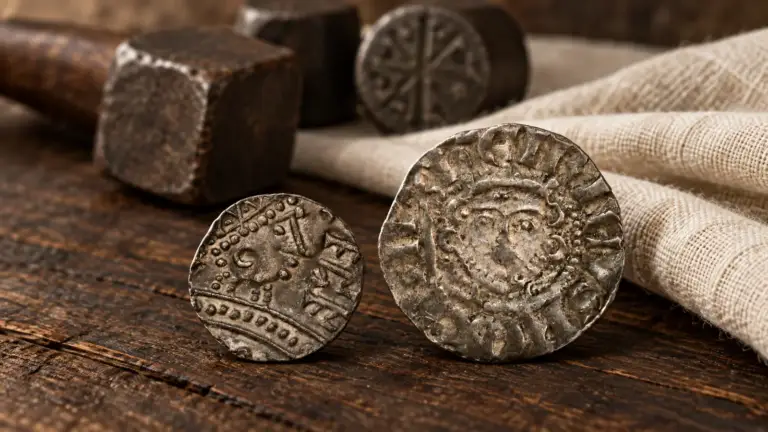
The silver penny was the backbone of English coinage for centuries. This category follows its development from an early Anglo-Saxon sceatta through the late Saxon and Viking period to the larger denominations of the later Middle Ages and the Tudor and Stuart monarchs. It also includes Georgian copper and coins from Guernsey and Jersey.
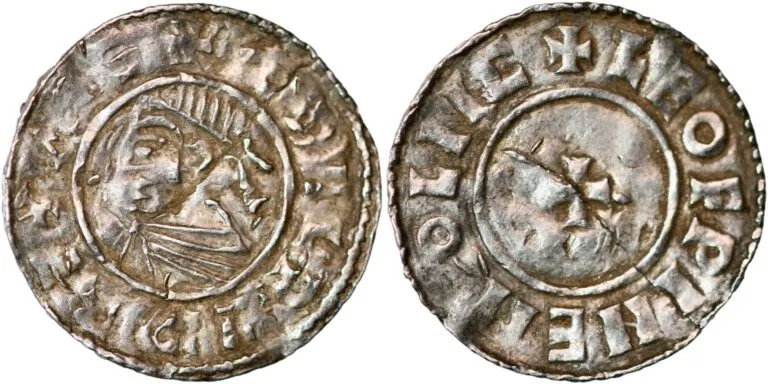
English coins of the late Viking Age reached Scandinavia in large numbers, and the English penny influenced the earliest Scandinavian coinages. Æthelred II and Cnut, who ruled both England and Denmark, are therefore names many Norwegian collectors know. If you collect the earliest Norwegian coins, see also Norway before 1814.
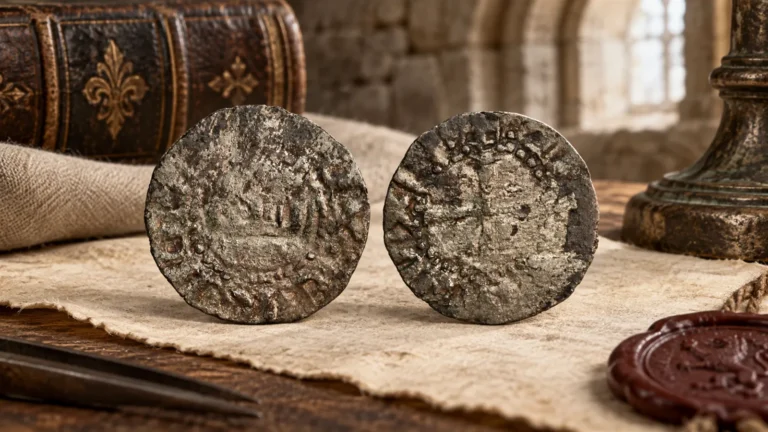
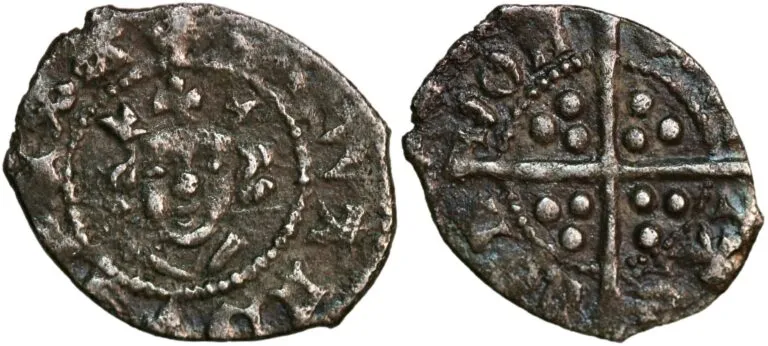
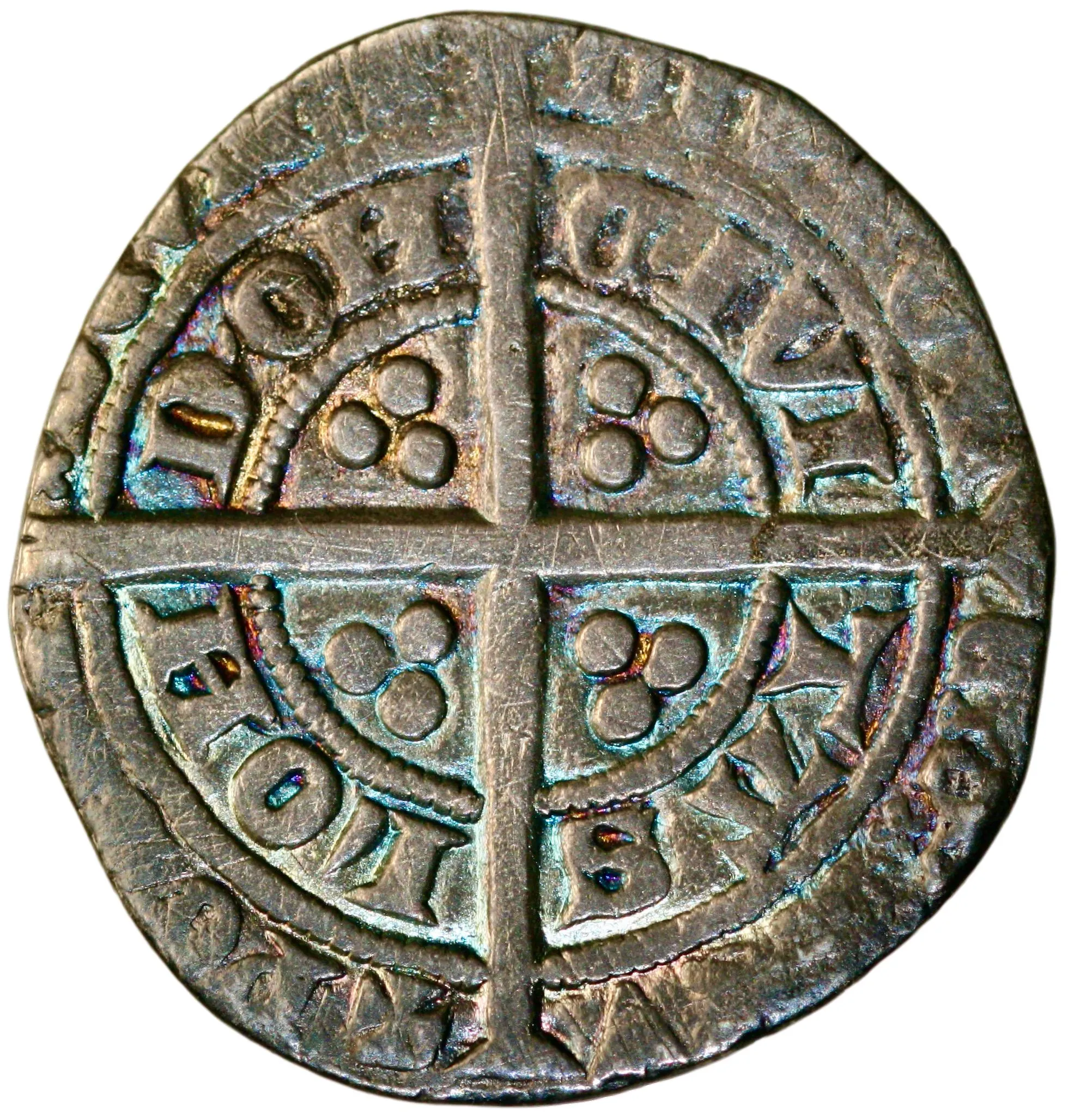
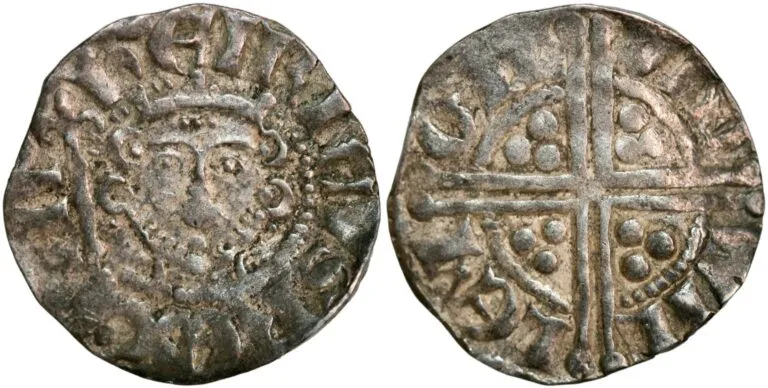
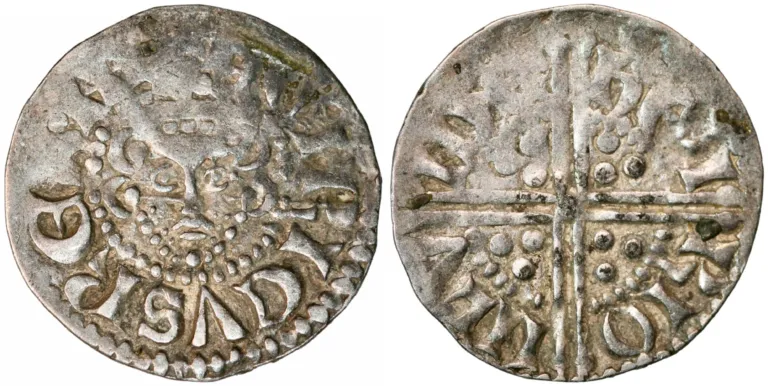
Hammered coins were struck by hand, so a full, round flan, a clear portrait and readable legends and mint marks are important. Clipping, cracks and repairs are common and are stated in the description. Medieval English coins are usually identified with Spink (S) and North (N) numbers, and provenance from earlier collections or auctions adds interest. More European coins can be found under Europe.
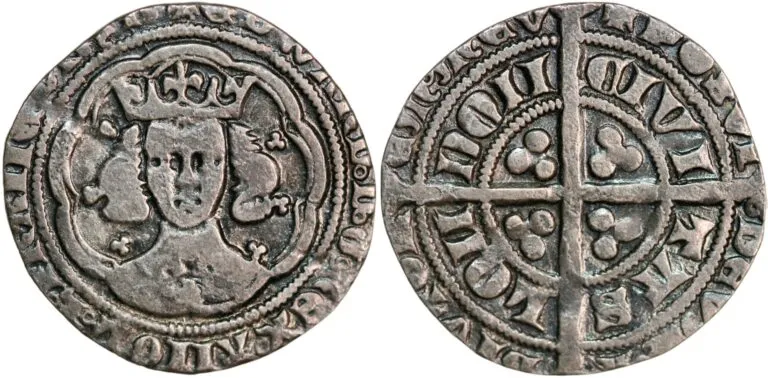
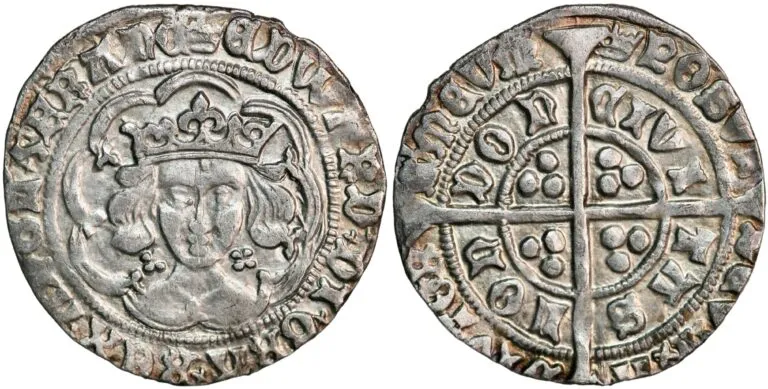
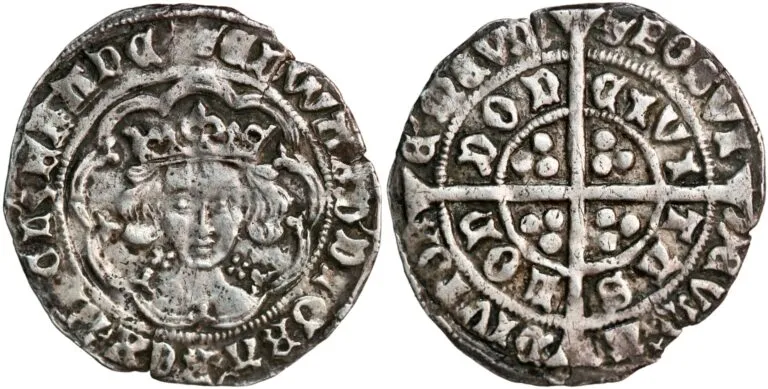
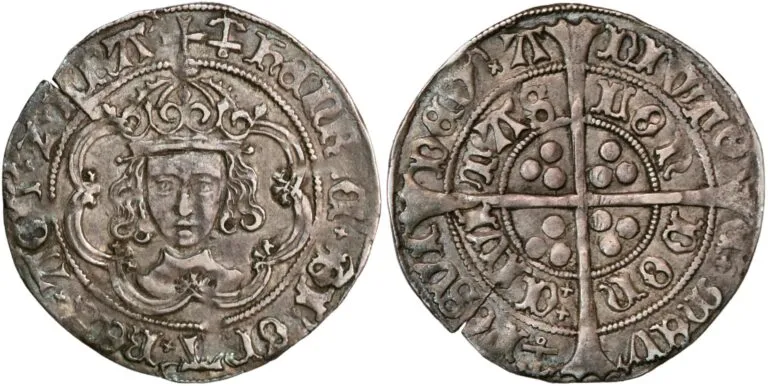
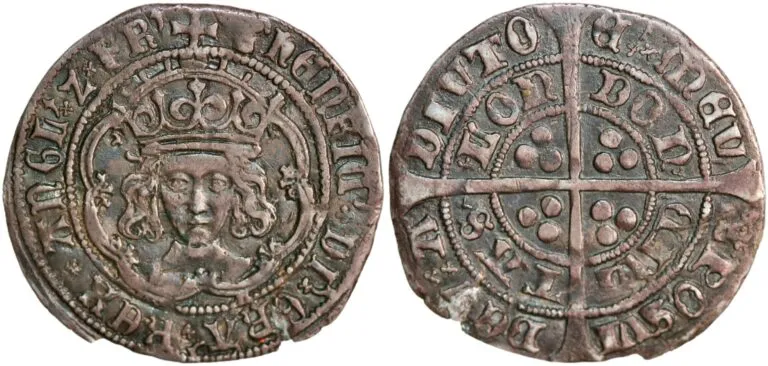
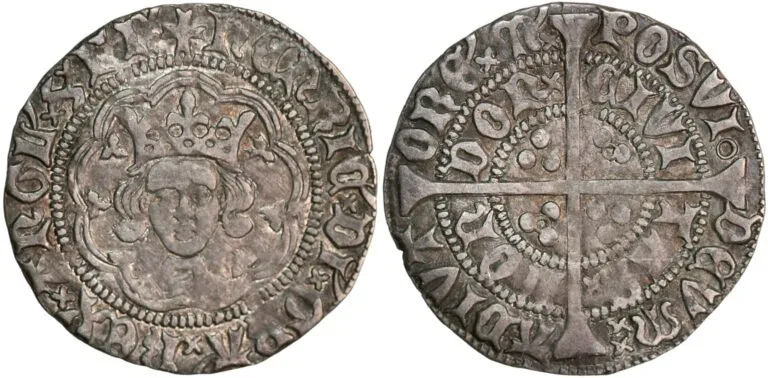
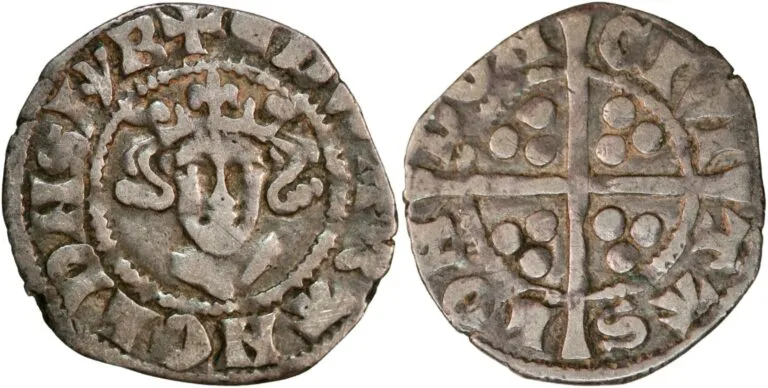
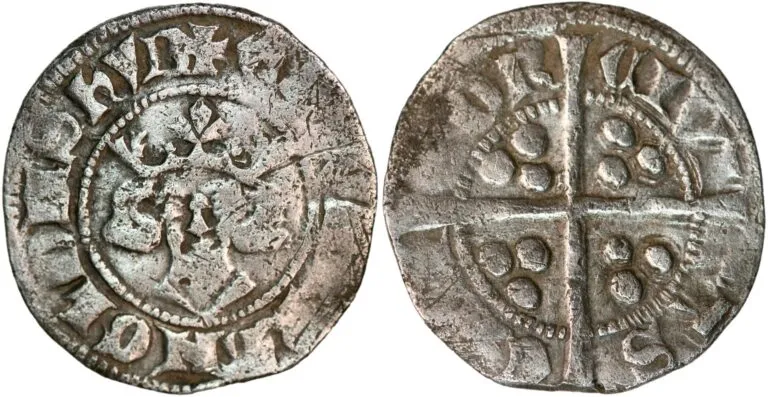
A groat is an English silver coin worth four pennies. It was introduced briefly under Edward I and became a regular denomination from the reign of Edward III, and this category has groats from Edward III to Henry VII.
A hammered coin was struck by hand between two dies with a hammer. English coins were made this way until the 17th century, so shape, centring and strike vary from coin to coin.
The Channel Islands are Crown dependencies with their own coinage. Their coins, such as Guernsey doubles and Jersey fractions of a shilling, are often collected together with British coins.
Yes. Every item is researched and described as accurately as possible, and Denarius guarantees that everything sold is genuine and as described.
Every item gets its own number when it is catalogued. The number is shown on the product page, so you always know exactly which example it is.
Yes. We ship worldwide. Shipping method and price are shown at checkout before you pay.
Read more
From the silver penny to the groat and the great gold coins: a collector's guide to medieval coins, how they were made…
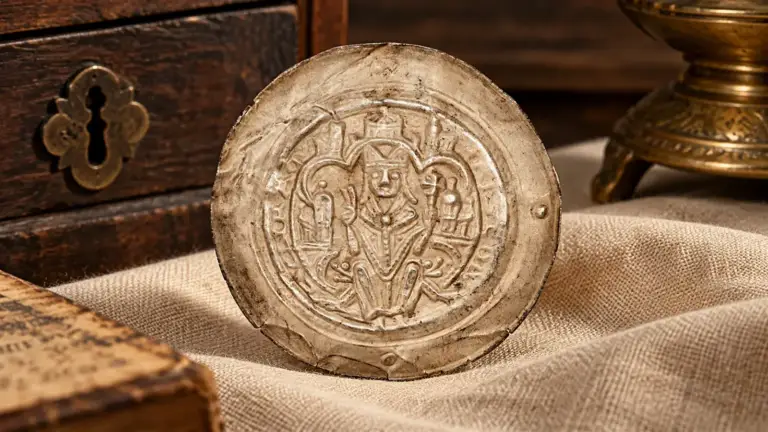
A bracteate is a paper-thin silver coin struck on one side only, and for much of the Middle Ages it was Norway's…
In early 2022, Denarius published two remarkable German bracteates in the space of two weeks: a huge coin from the archbishopric of…