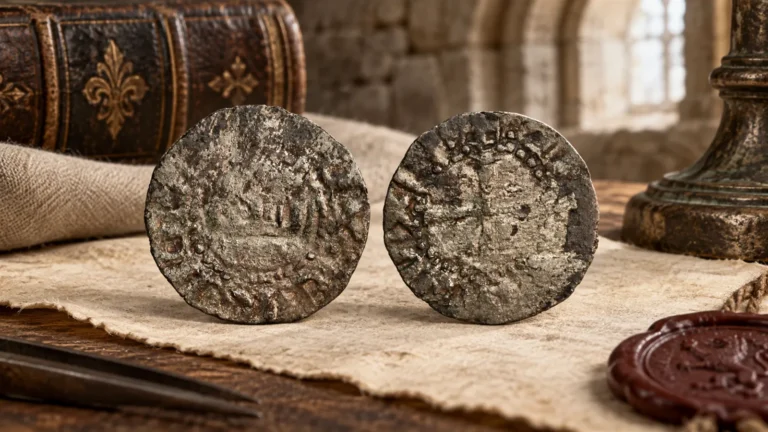
Medieval coins: hammered pennies, groats and gold
From the silver penny to the groat and the great gold coins: a collector's guide to medieval coins, how they were made…
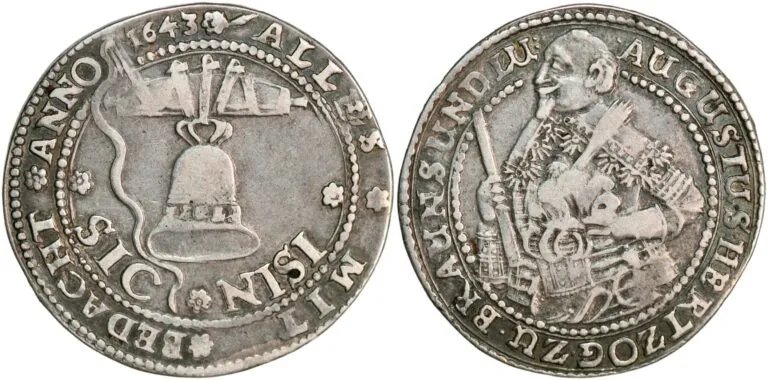
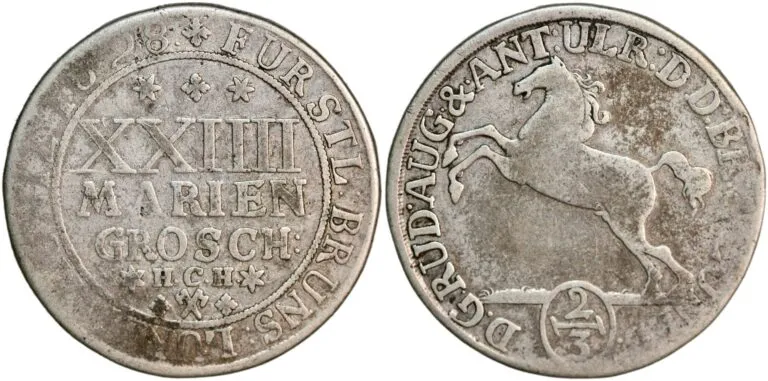
Coins from Prussia, Germany and Austria, with a strong selection of medieval bracteates from the 12th and 13th centuries, a Salian denar, hohlpfennigs, reichsthalers from 1586 to 1658 and coins of the German Empire and Weimar period.
Until 1871 Germany was not one state but a patchwork of kingdoms, duchies, bishoprics and free cities, many of which struck their own coins. This makes German coinage one of the richest fields in numismatics. The category ranges from an 11th-century denar to coins of the German Empire and the Weimar Republic, with a particular strength in medieval bracteates.
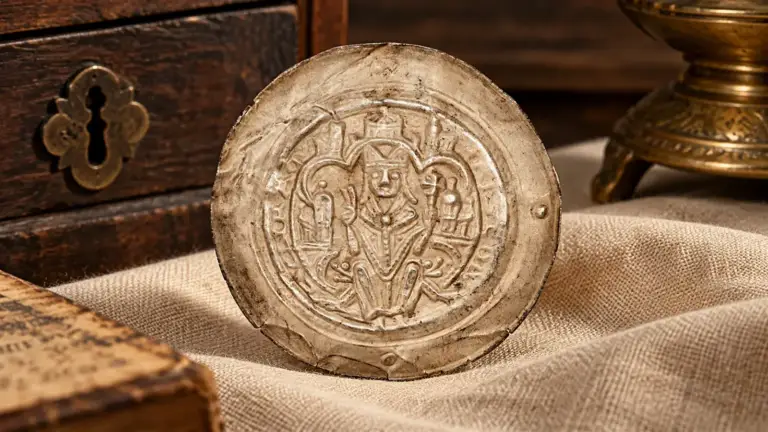
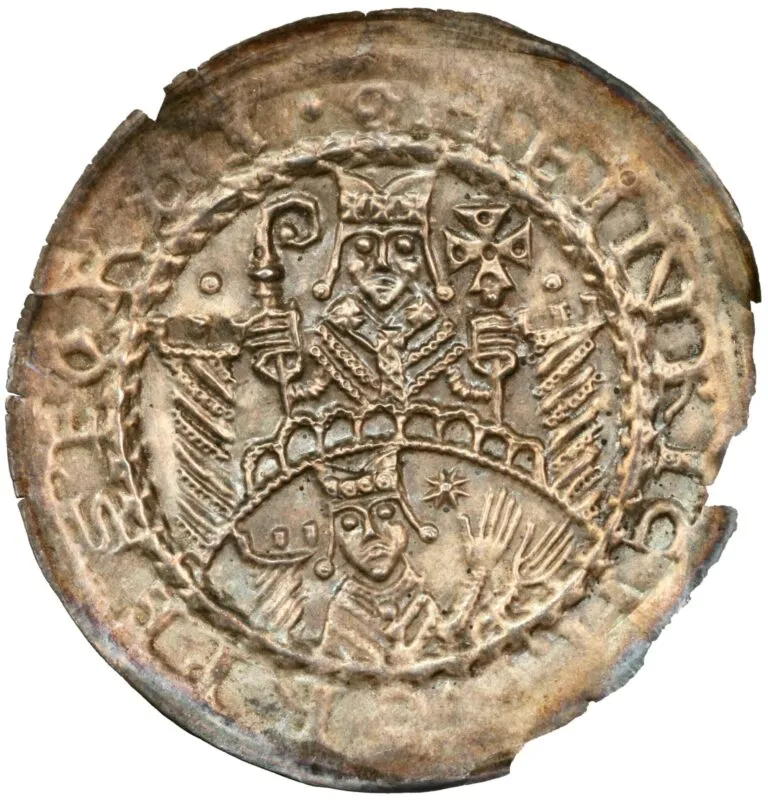
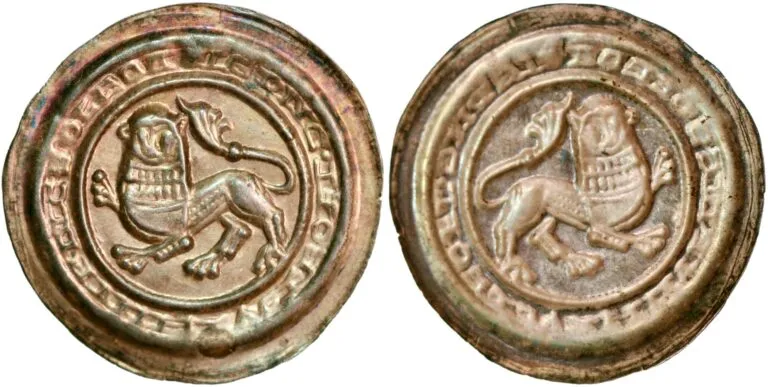
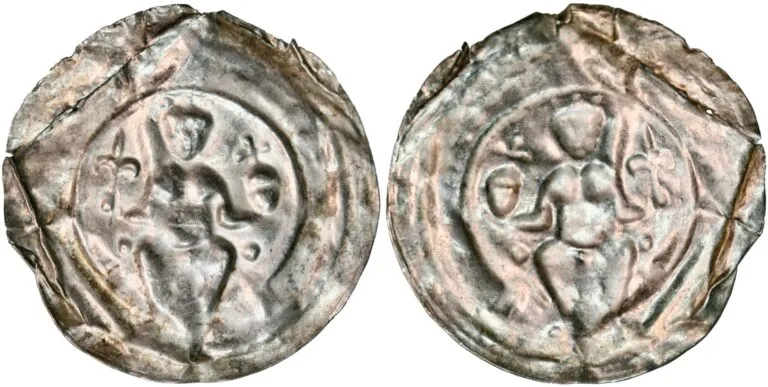
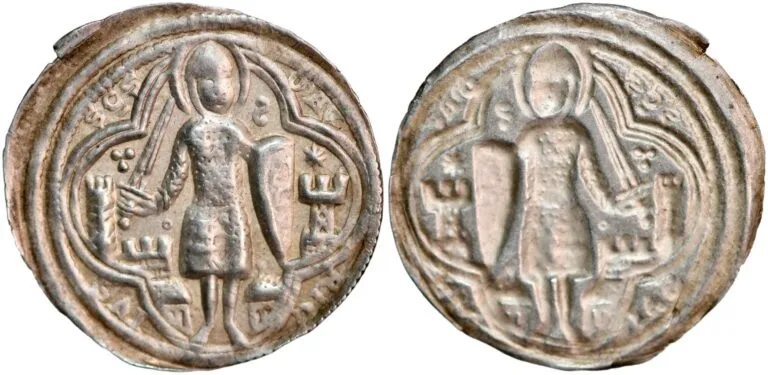
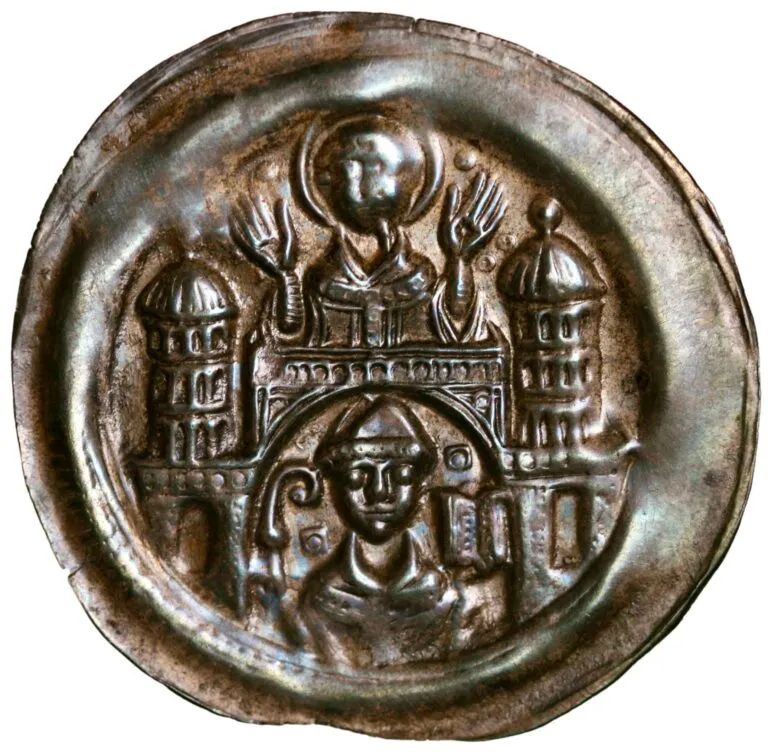
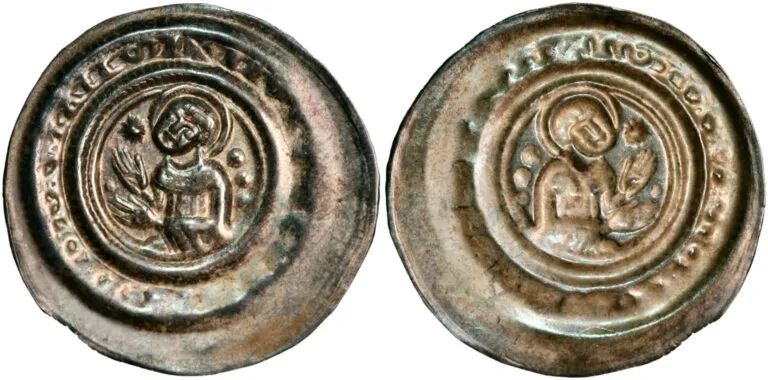
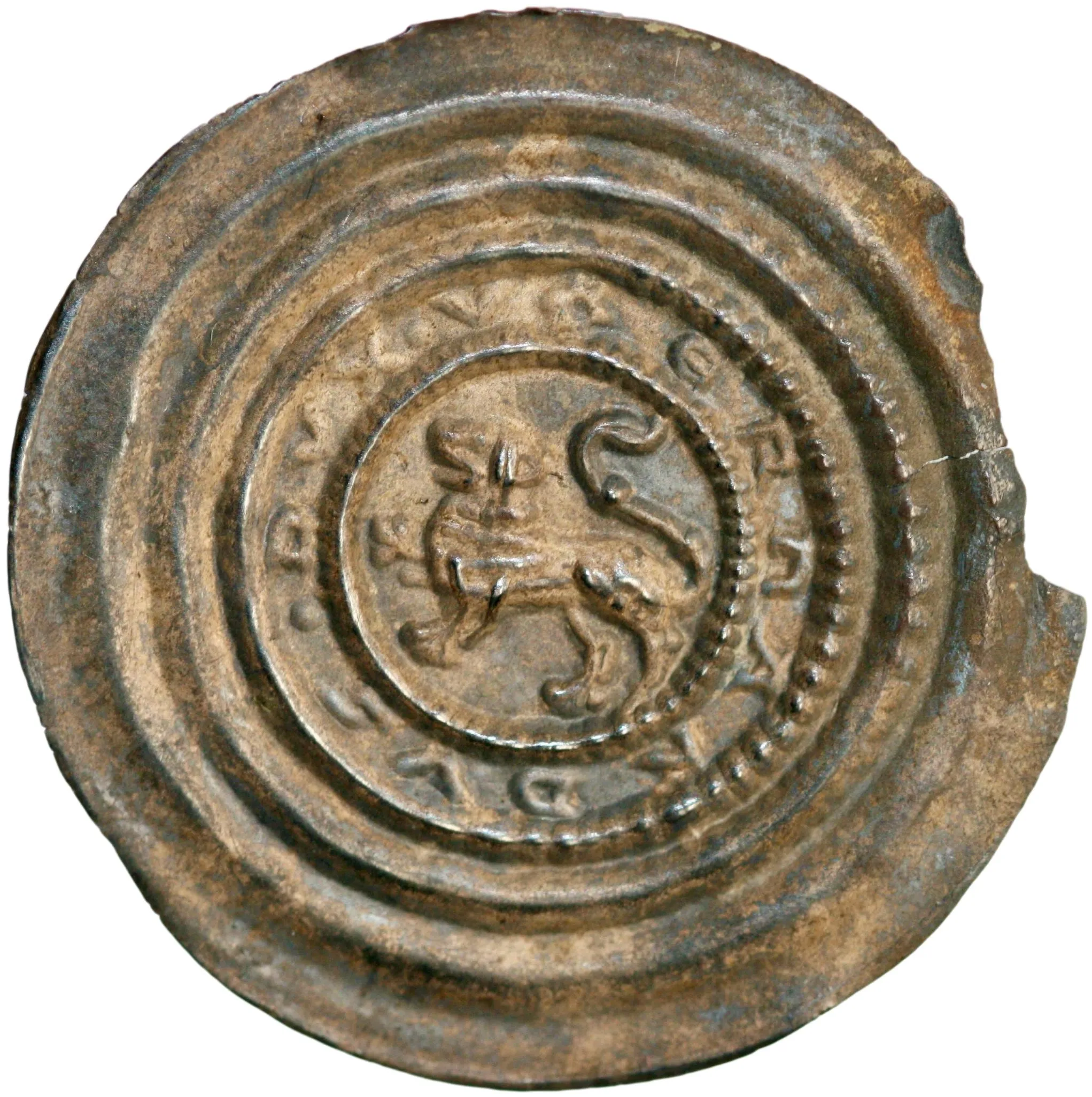
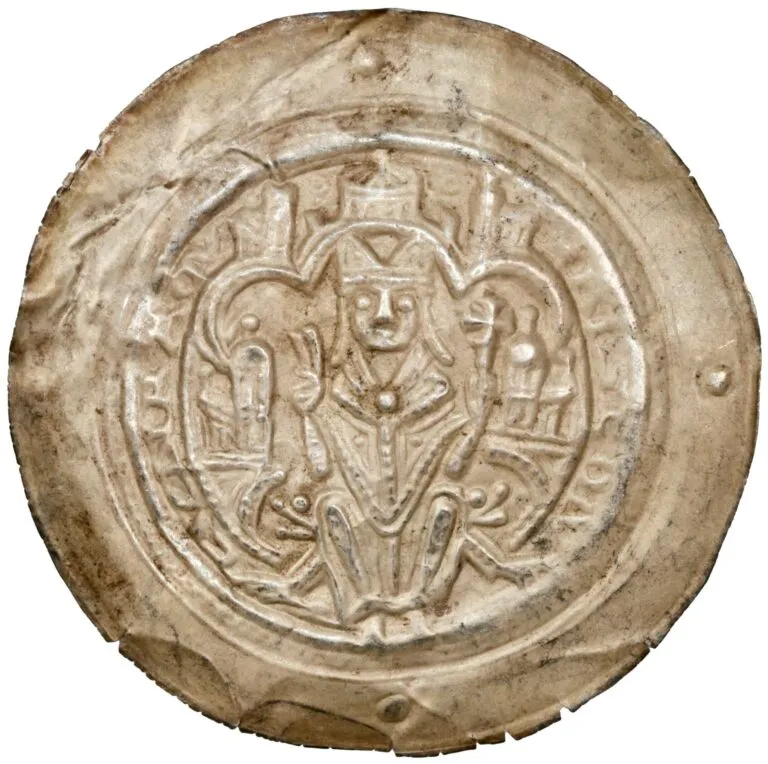
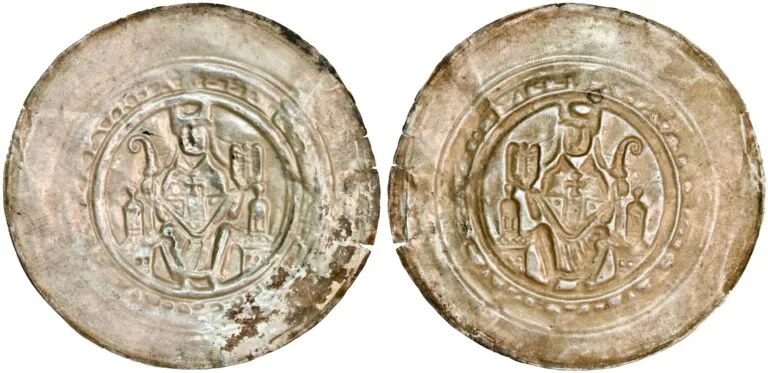
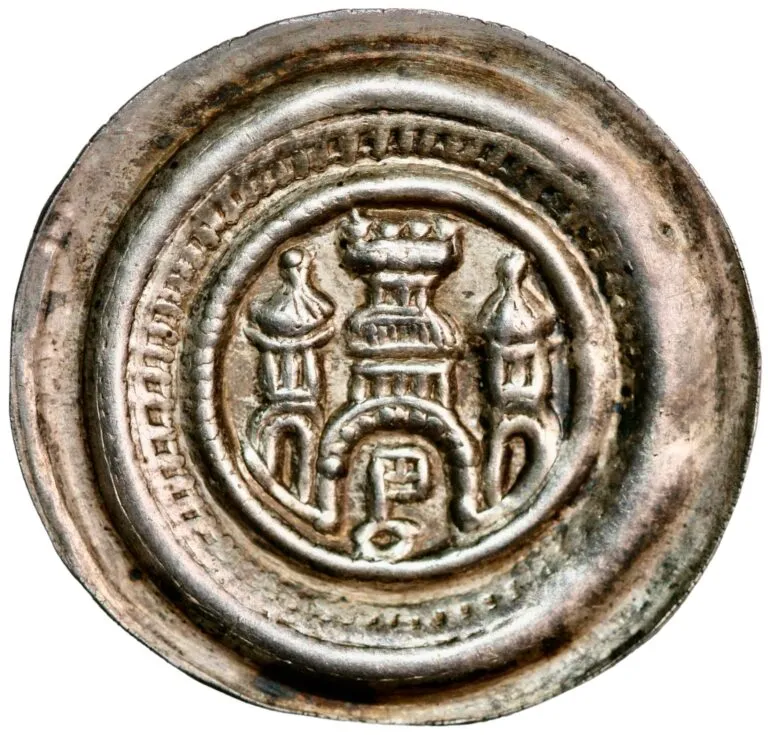
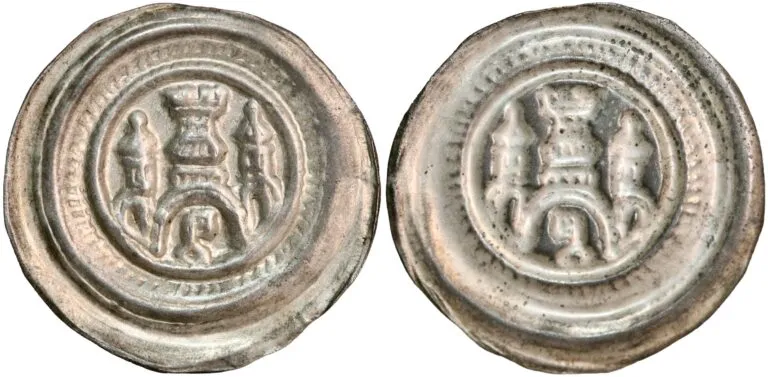
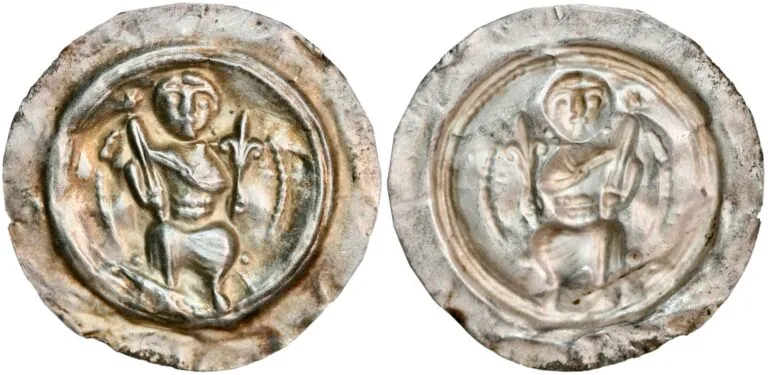
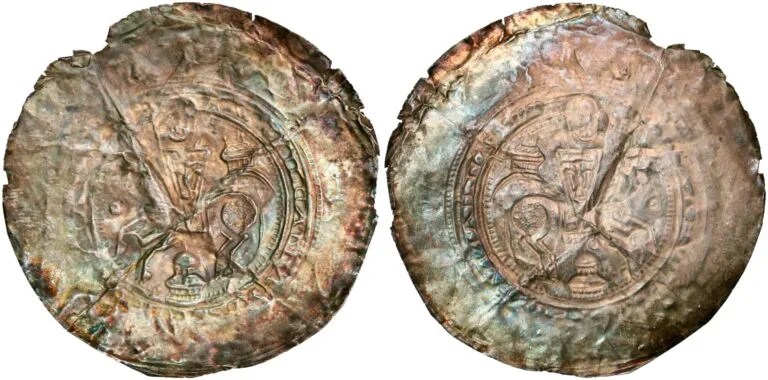
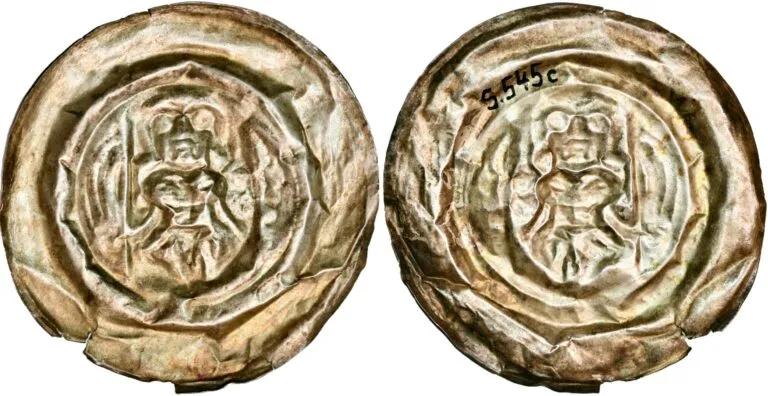
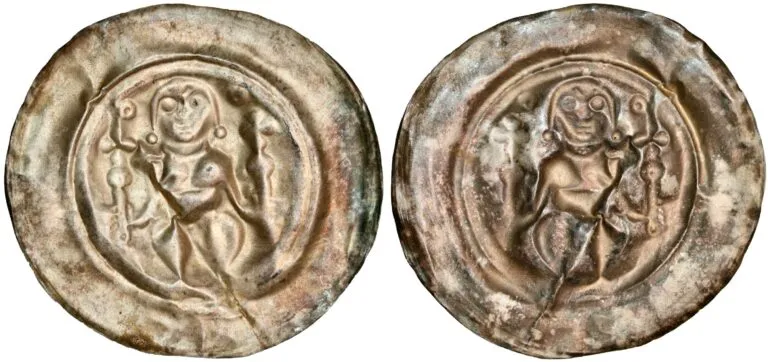
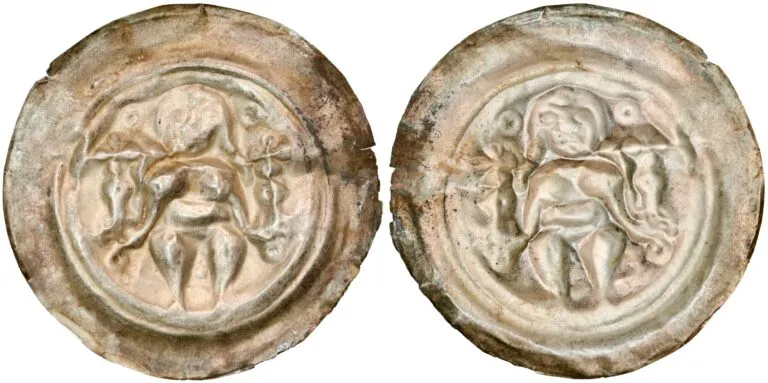
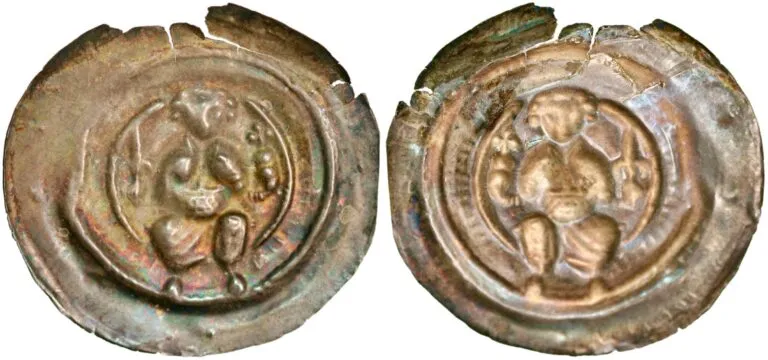
A bracteate is a thin silver penny struck on one side only, so that the design shows in relief on the front and as a hollow mirror image on the back. Bracteates were the dominant coin in large parts of Germany in the 12th and 13th centuries. Because the flans were so thin, the die cutters could use the full surface for elaborate images of rulers, bishops, saints, buildings and animals, and many bracteates are regarded as small works of art. Coins were often recalled and re-struck at regular intervals, which is one reason why so many types exist.
This category has more than twenty bracteates dated between about 1142 and 1258, including one of Archbishop Heinrich I. Bracteates were also struck in Scandinavia, including Norway; see Norway before 1814.
Bracteates are fragile, so collectors look for complete, uncracked flans and a sharp, well-centred image. For thalers, the strike, the portrait and any signs of mounting or cleaning matter most. Many German coins are identified by issuer rather than country, so the description of each item names the authority where it is known. For other European coins, see Europe.
A bracteate is a thin, one-sided silver coin from the Middle Ages, struck so that the image appears in relief on one side and incuse on the other. It was the main coin type in much of Germany in the 12th and 13th centuries.
Kipper und Wipper is the name for the period around 1618–1623 when many German mints issued heavily debased coins. The schreckenberger in this category belongs to these years.
The rentenpfennig was the small coin of the Rentenmark, introduced in late 1923 to end the German hyperinflation. The 50 rentenpfennig of 1924 here is an error strike.
Yes. Every item is researched and described as accurately as possible, and Denarius guarantees that everything sold is genuine and as described.
Every item gets its own number when it is catalogued. The number is shown on the product page, so you always know exactly which example it is.
Yes. We ship worldwide. Shipping method and price are shown at checkout before you pay.
Read more
From the silver penny to the groat and the great gold coins: a collector's guide to medieval coins, how they were made…
A bracteate is a paper-thin silver coin struck on one side only, and for much of the Middle Ages it was Norway's…
In early 2022, Denarius published two remarkable German bracteates in the space of two weeks: a huge coin from the archbishopric of…