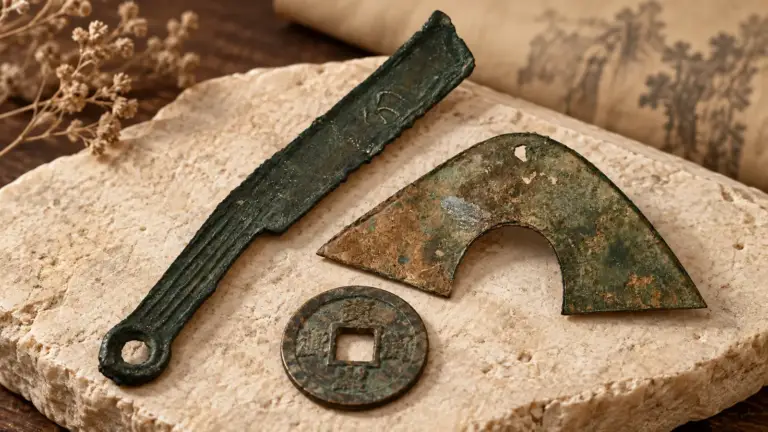
Ancient Chinese coins: knife money, bridge money and cash coins
From Zhou-period knife money and bridge money to round cash coins with a square hole: the story of ancient Chinese coins and…
African banknotes from colonial East and West Africa, Madagascar, Botswana, the Gambia, Congo, Zaire, Mauritania and Libya, including rare specimen notes. Every note is examined, photographed and described with its own protocol number, and guaranteed genuine.
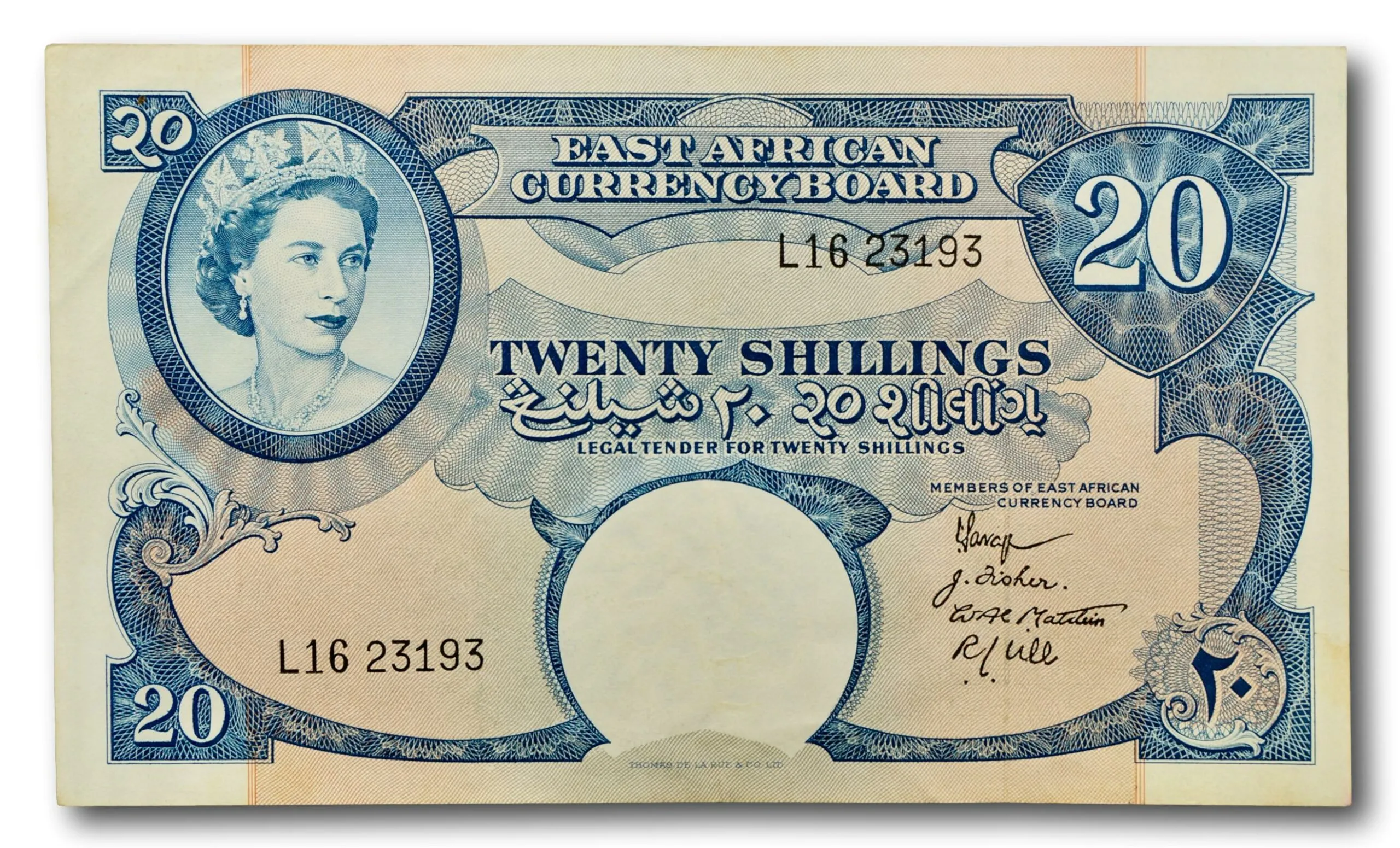
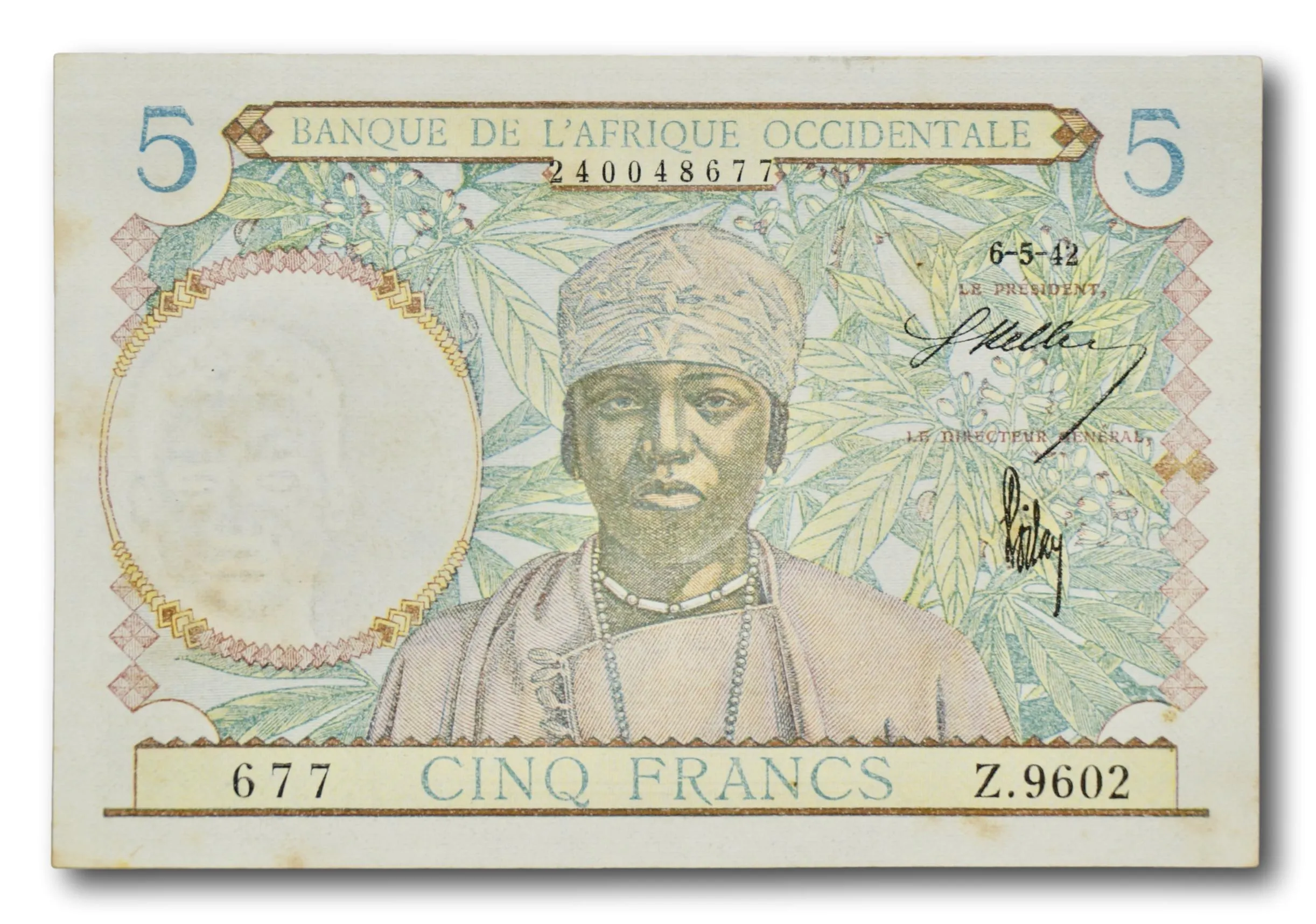
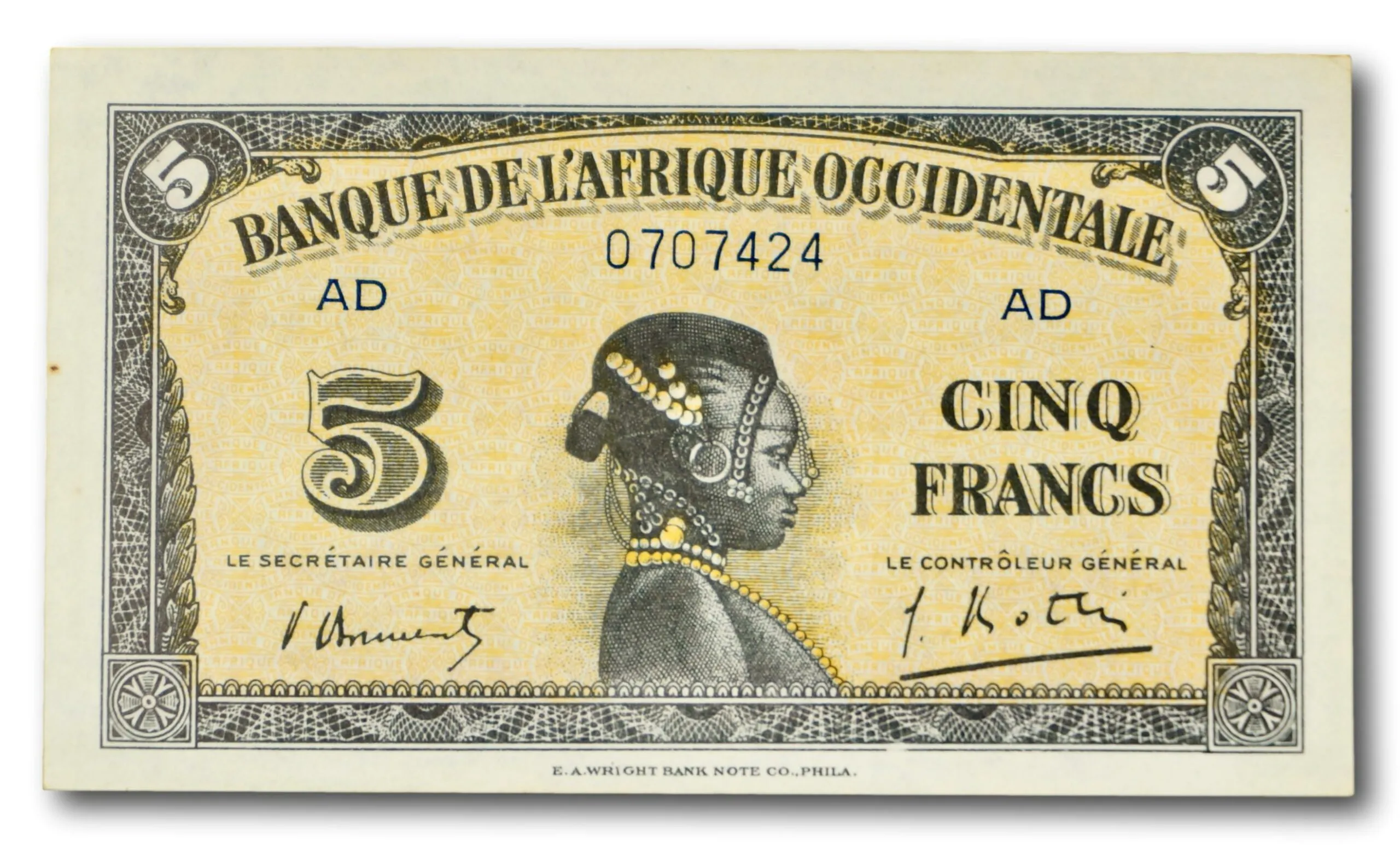
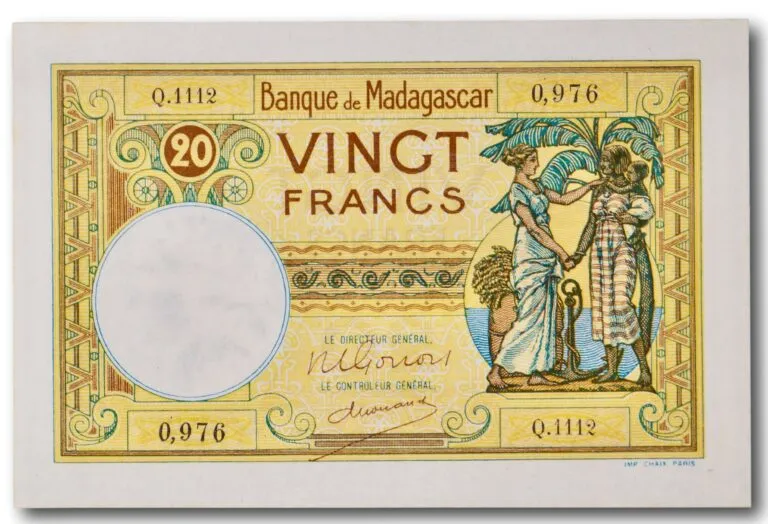
The banknotes of Africa tell the story of the continent in the twentieth century. Before independence, notes were issued by colonial authorities and currency boards. In this category you will find a 20 shillings 1958–1960 from the East African Currency Board, which served the British territories in East Africa until the new states set up their own central banks, a 5 francs 1942 issued during the Second World War by the Banque de l’Afrique Occidentale for French West Africa and a 20 francs 1937–1947 from colonial Madagascar.
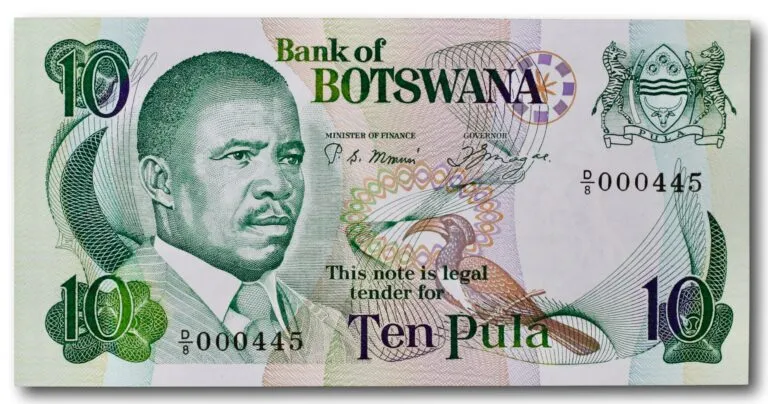
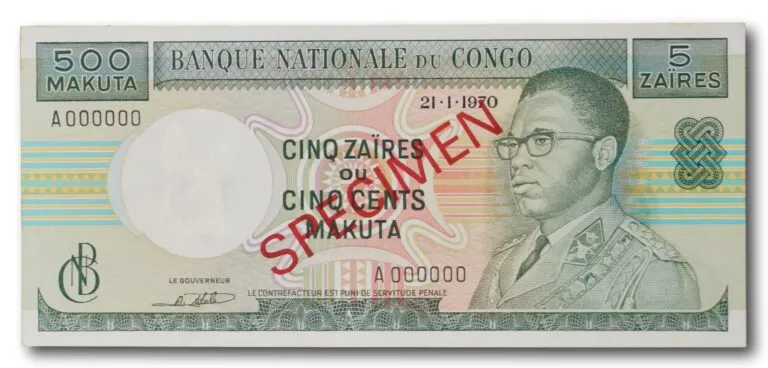
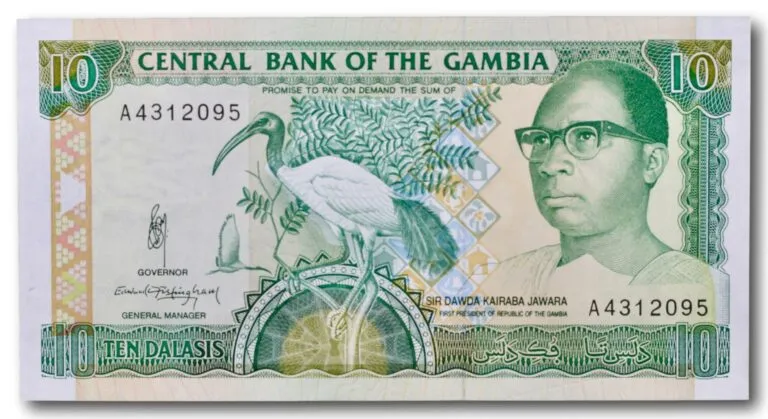
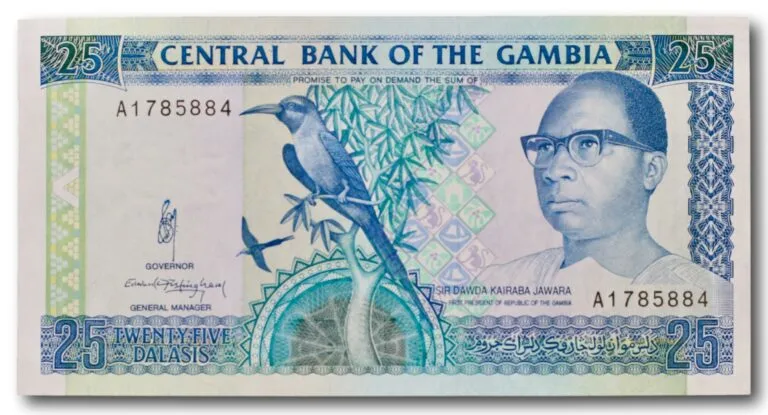
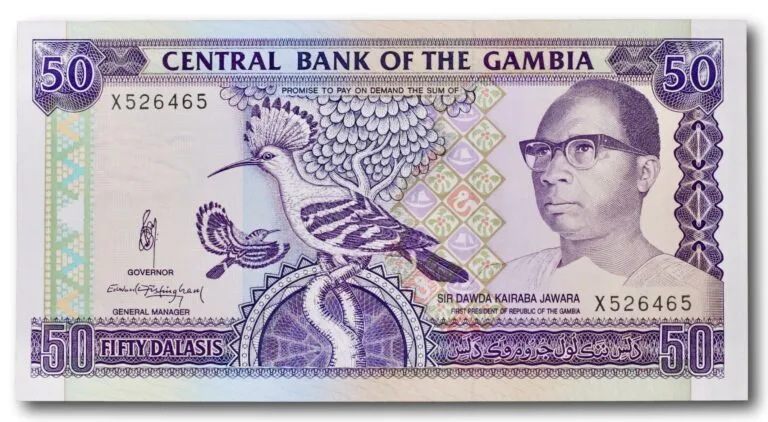
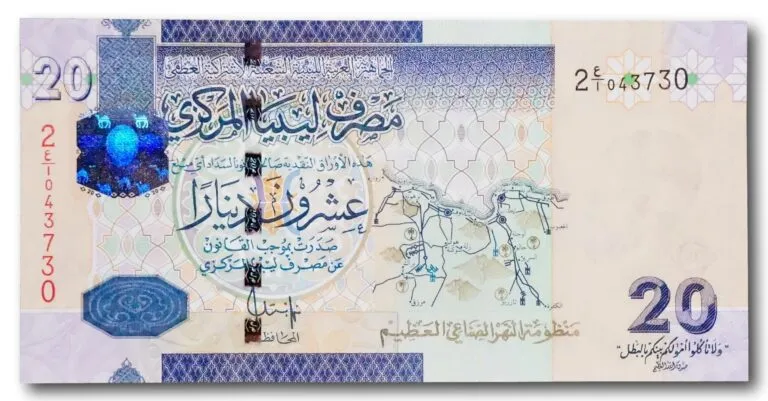
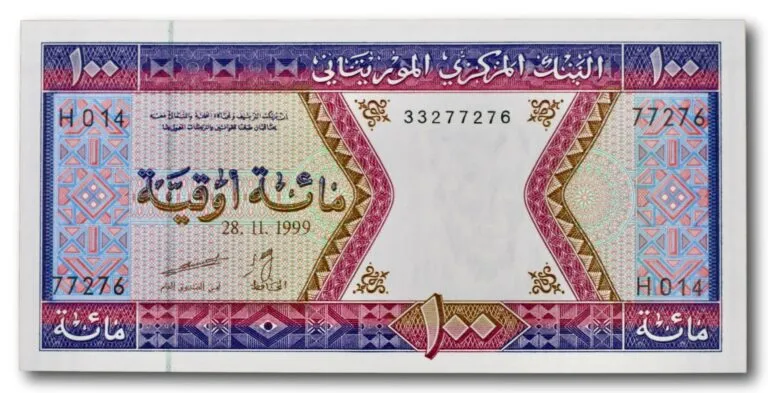
After independence, new currencies with new names followed: the dalasi in the Gambia (1971), the ouguiya in Mauritania (1973) and the pula in Botswana (1976). The category includes Gambian 10, 25 and 50 dalasis from 1989–1991, Botswana 10 pula, Mauritania 100 ouguiya and a Libyan 20 dinars from 2009. From Congo there are notes from the zaïre system introduced in 1967, when one zaïre was divided into 100 makuta.
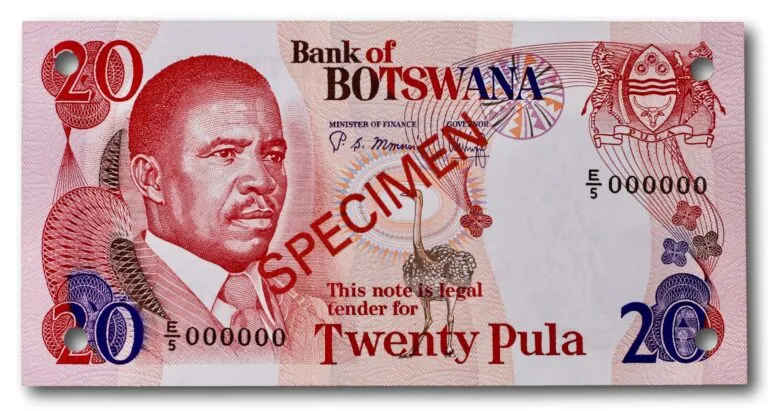
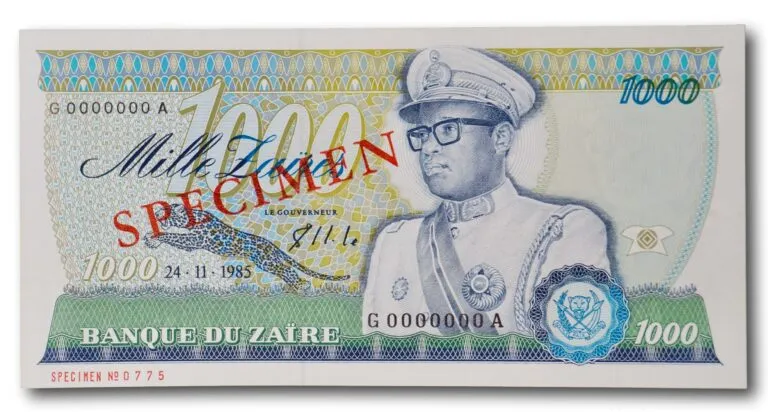
Several of the African notes here are specimens: Botswana 20 pula 1982–1983, Congo 5 zaïres / 500 makuta 1970 and Zaire 1000 zaires 1985. Specimen notes were made so that central banks, commercial banks and police could recognise a new note. They are overprinted or perforated with the word SPECIMEN, often carry zero serial numbers and were never legal tender. Because they were made in small numbers and distributed to a limited circle, they are sought after by collectors.
Condition is the most important factor. A note in uncirculated condition (UNC) has no folds, creases or handling marks, while notes graded Very Fine (VF) or Extremely Fine (EF) show some circulation. Folds, pinholes, stains, tears and repairs all lower the value. Many African notes circulated hard in warm and humid climates, so older notes in high grade can be hard to find.
Each note is described with its Pick number from the Standard Catalog of World Paper Money, which identifies the exact type and variety. Signature combinations and dates can also separate varieties of the same denomination.
Collect the continent in metal as well: see our coins from Africa or browse all banknotes.
The category currently holds notes from Botswana, Congo and Zaire, the East African Currency Board, French West Africa, the Gambia, Libya, Madagascar and Mauritania. The oldest notes date from the colonial period, the newest from 2009.
No. Specimen notes were made to show banks and authorities what a new note looked like and were never legal tender. They are usually marked SPECIMEN and often have zero serial numbers.
The Pick number refers to the Standard Catalog of World Paper Money, the standard reference for world banknotes. It identifies the exact type and variety, so you can compare the note with catalogue information.
Yes. Every item is researched and described as accurately as possible, and Denarius guarantees that everything sold is genuine and as described.
Every item gets its own number when it is catalogued. The number is shown on the product page, so you always know exactly which example it is.
Yes. We ship worldwide. Shipping method and price are shown at checkout before you pay.
Read more
From Zhou-period knife money and bridge money to round cash coins with a square hole: the story of ancient Chinese coins and…
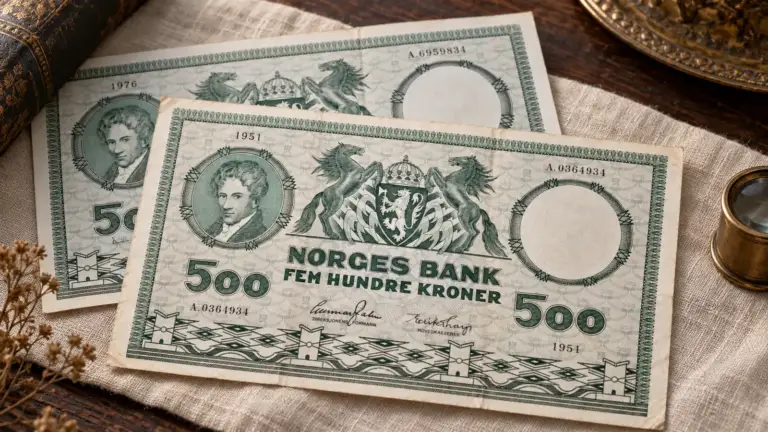
Which old Norwegian banknotes can still be exchanged at Norges Bank, and which only have collector value? The rules, the 500-krone note…
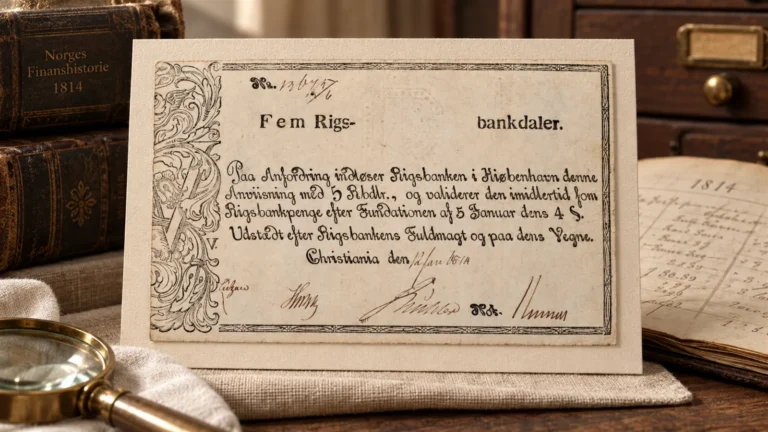
From thor Møhlen’s notes of 1695 to today’s sea-themed series: the history of Norwegian banknotes, the Norges Bank series, what collectors look…