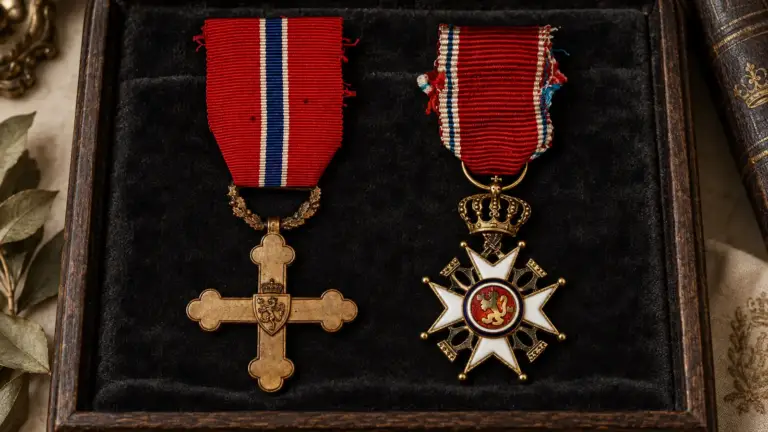
Norwegian Medals and Orders: St Olav, the War Cross and the King’s Medal of Merit
From the War Cross with Sword and the Order of St Olav to the King's Medal of Merit: who awards Norwegian medals…
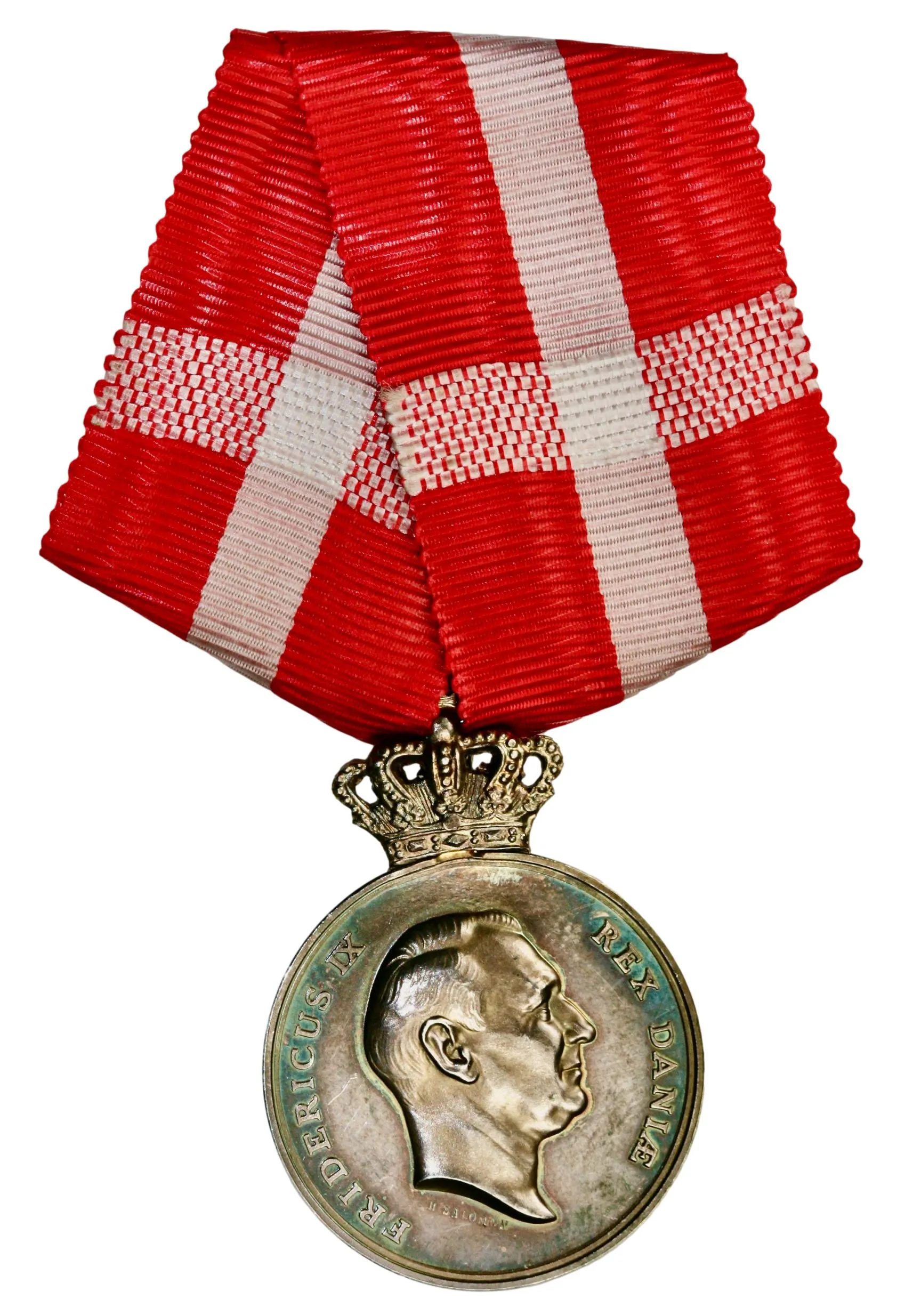
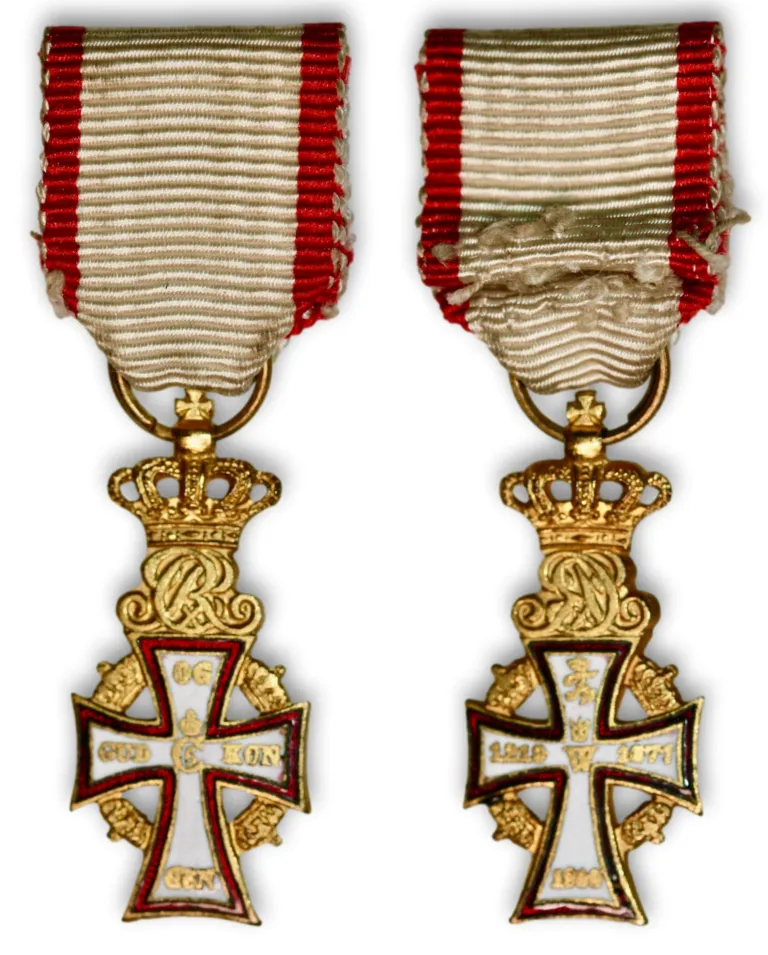
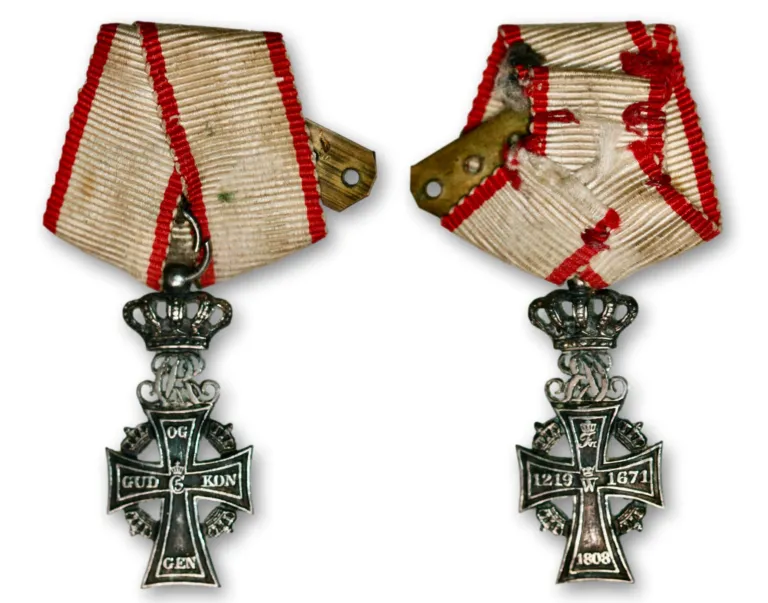
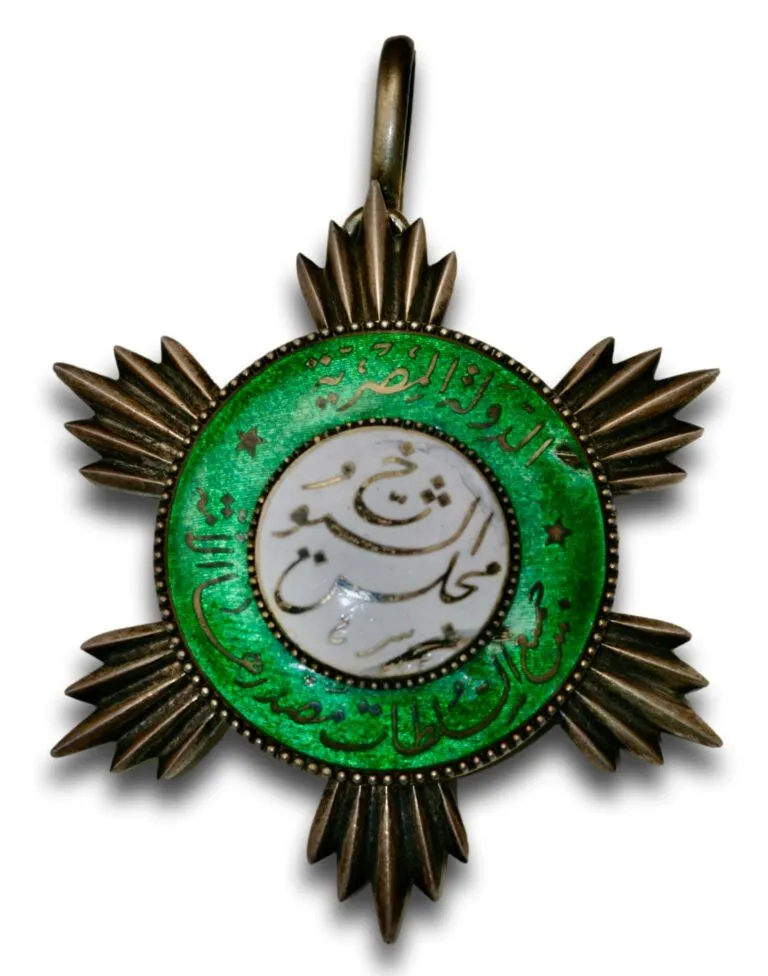
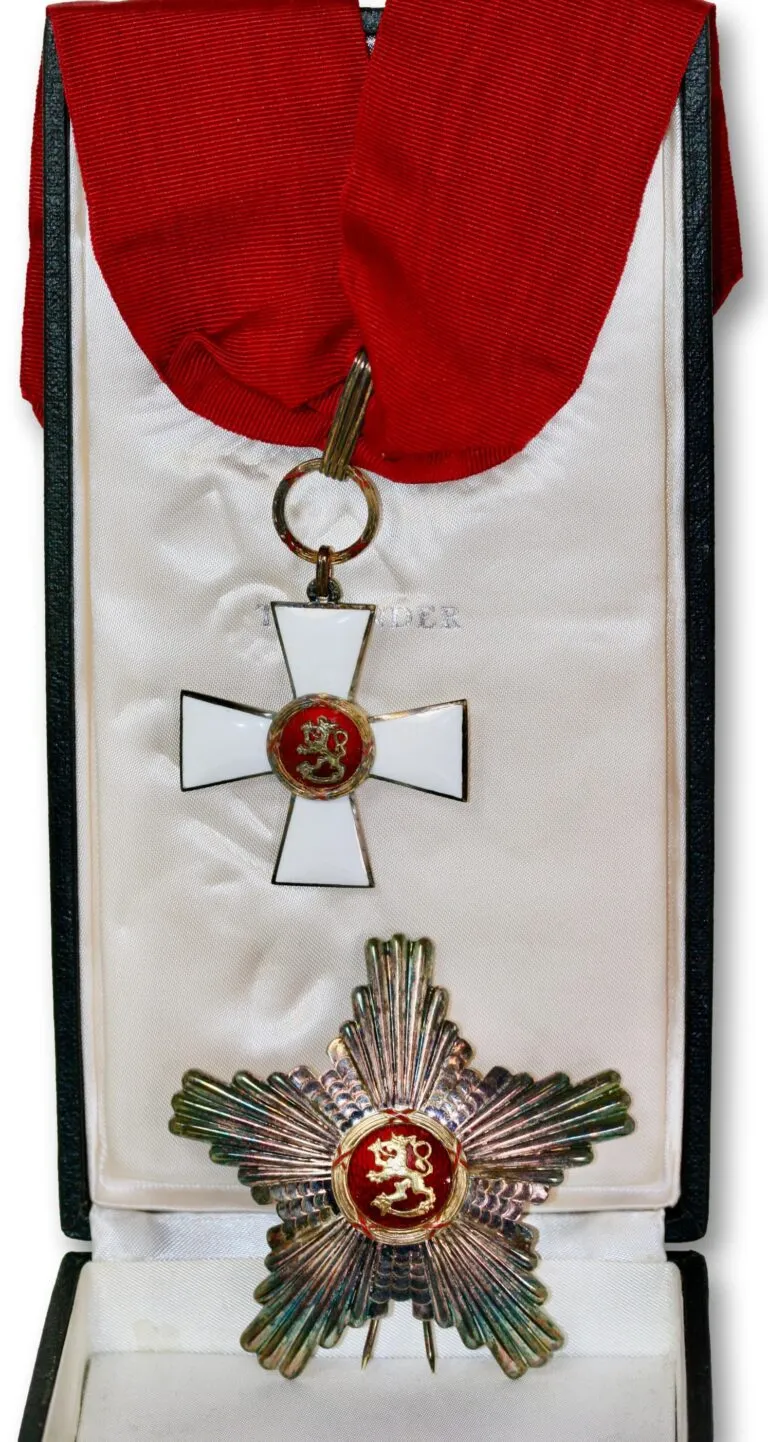
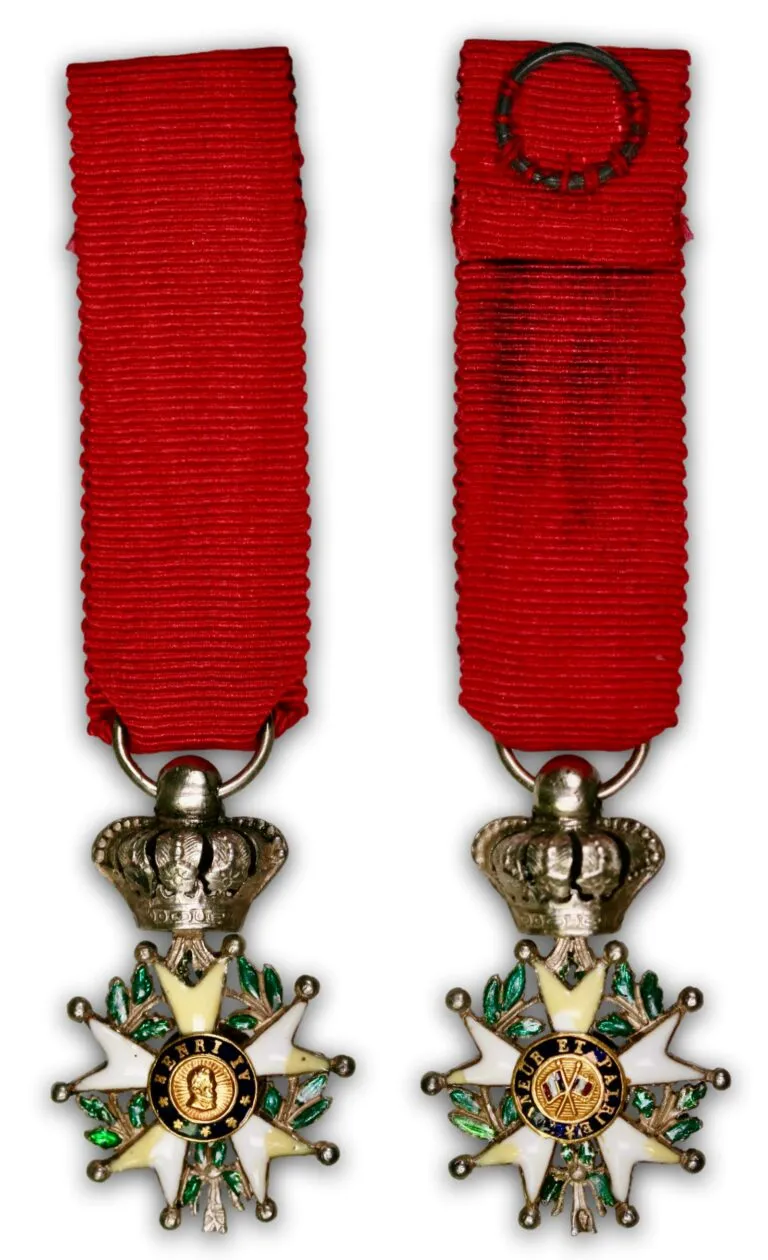
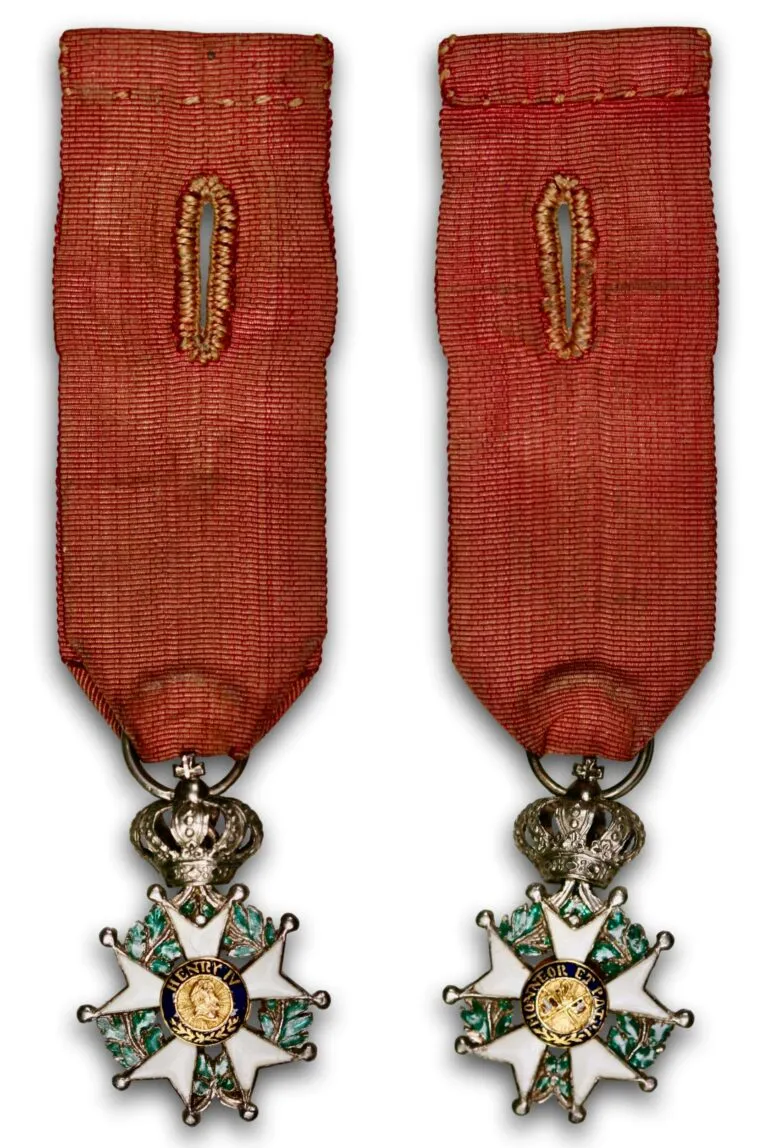
Medals and orders from Norway and abroad: coronation and royal anniversary medals, Norwegian merit medals, orders such as St. Olav, Dannebrog and the Legion of Honour, historical medals from the 17th century and tokens. All guaranteed genuine by Denarius.
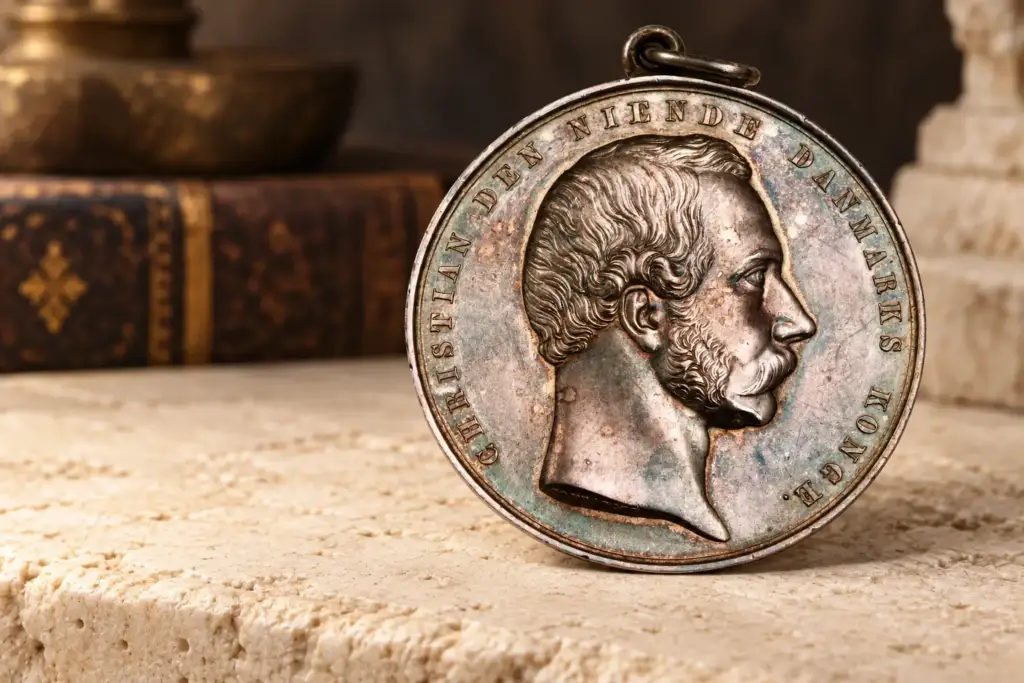
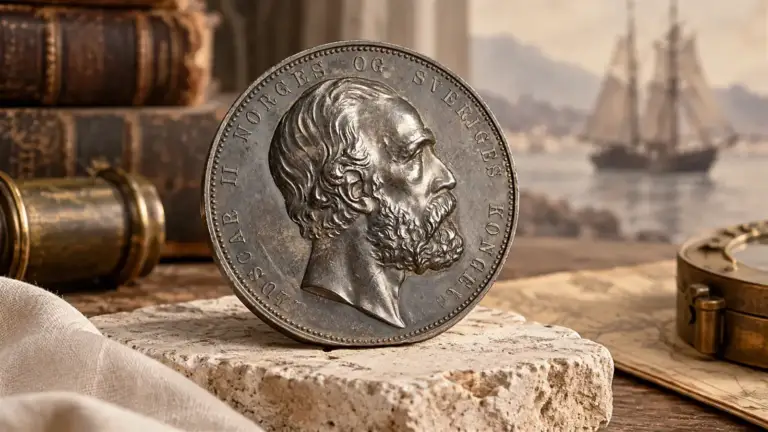
The Norwegian medals in this category follow the history of the country from the union period to the present. They include medals for the coronation of Oscar II and Queen Sophie in 1873 and of Haakon VII and Queen Maud in 1906, the Norwegian millenary in 1872, the unveiling of the statue of King Carl XIV Johan in 1875 and the dissolution of the union with Sweden on 7 June 1905. Later royal medals include jubilee and centenary medals for Haakon VII and Olav V and the centenary medal of the royal house (1905–2005).
Other Norwegian medals mark events such as the opening of the National Theatre in 1899, the Jubilee Exhibition at Frogner in 1914, agricultural meetings and exhibitions, and company anniversaries.
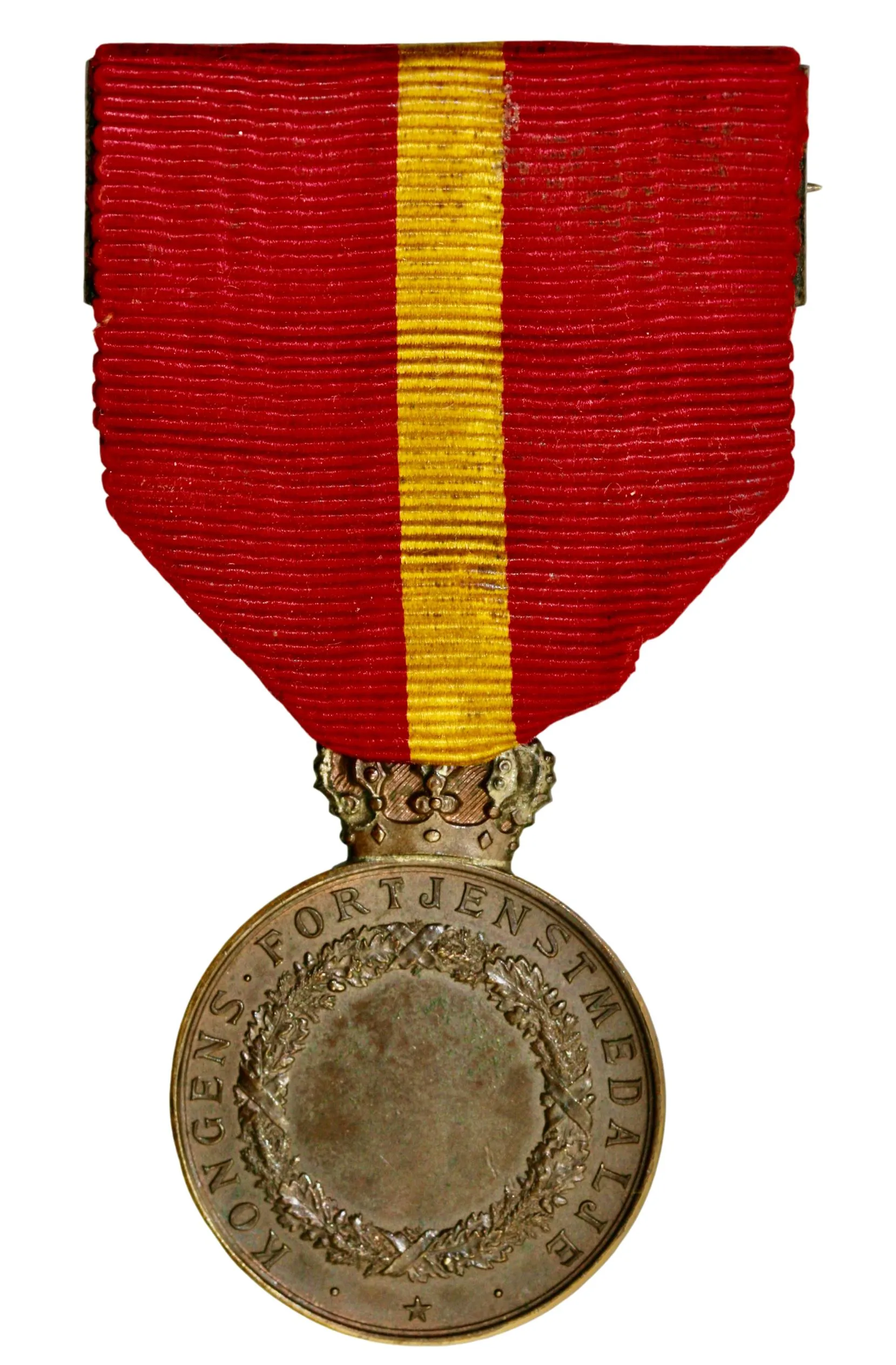
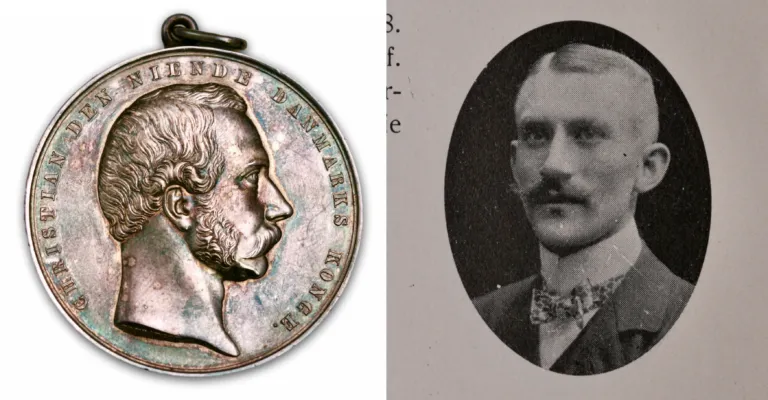
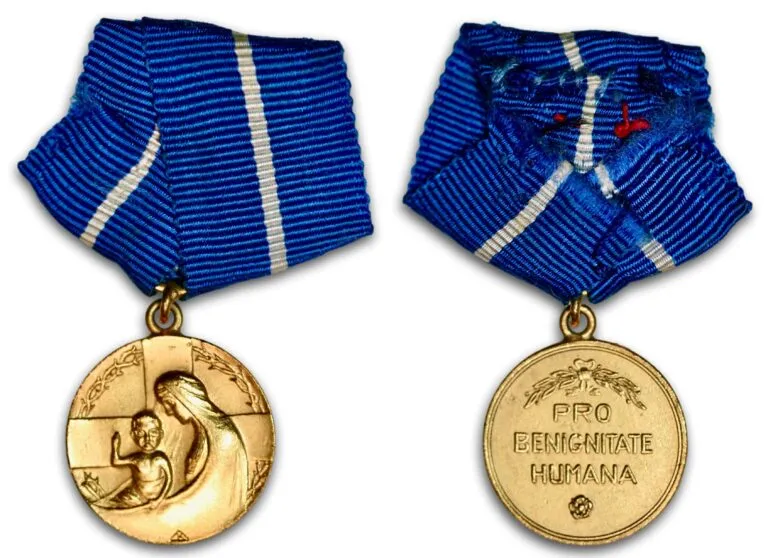
Norwegian merit medals in the category include the Medal for Civic Deeds (Medaljen for borgerdaad) from the reigns of Oscar I to Oscar II, the Medal for Noble Deeds (1885–1905), King Oscar II’s medal for meritorious service and the Crown Prince’s medal for academic research (1849). There is also a case model for King Haakon VII’s Medal for Meritorious Service, a medal established in 1908.
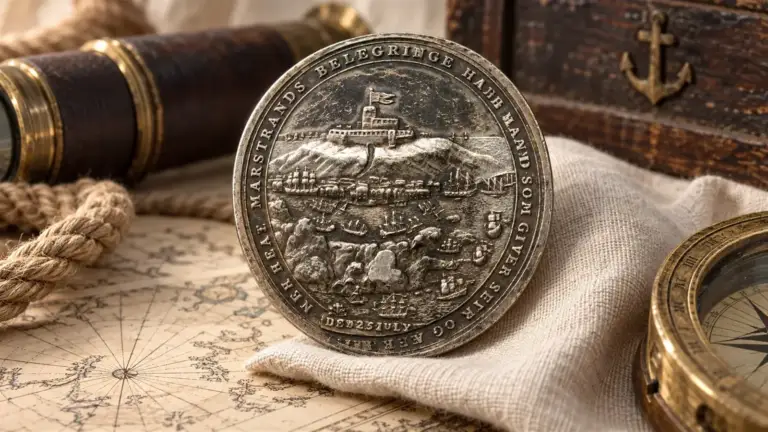
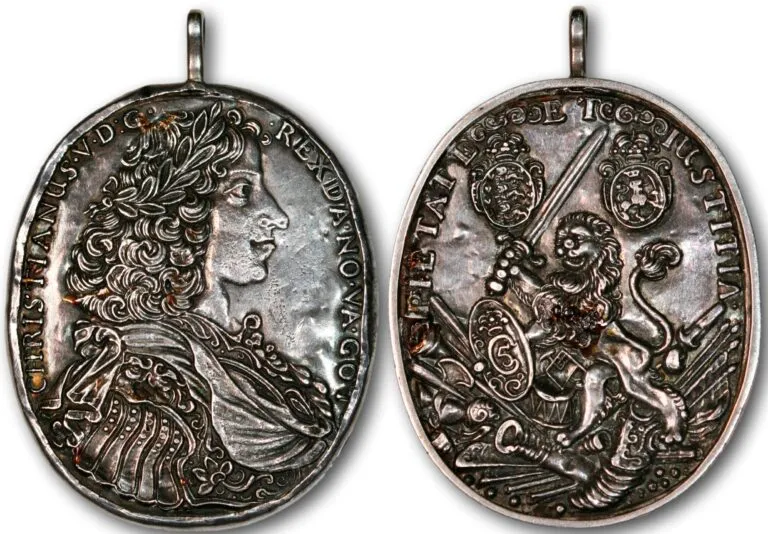
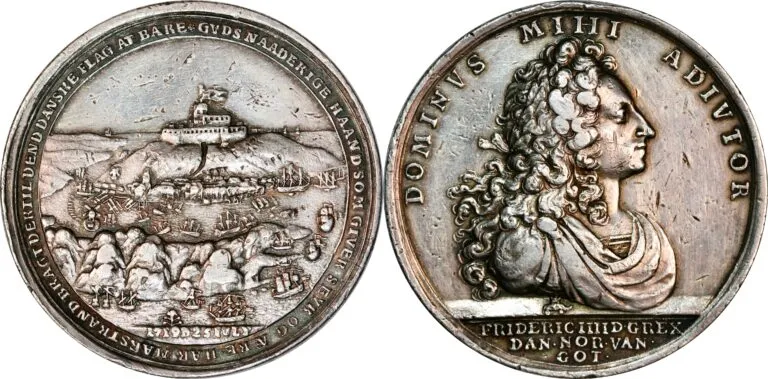
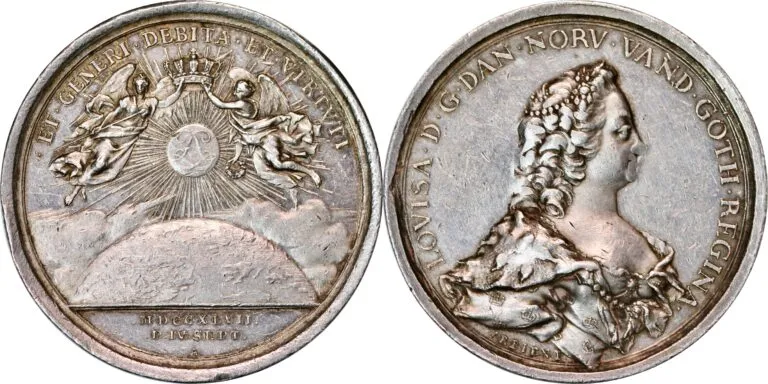
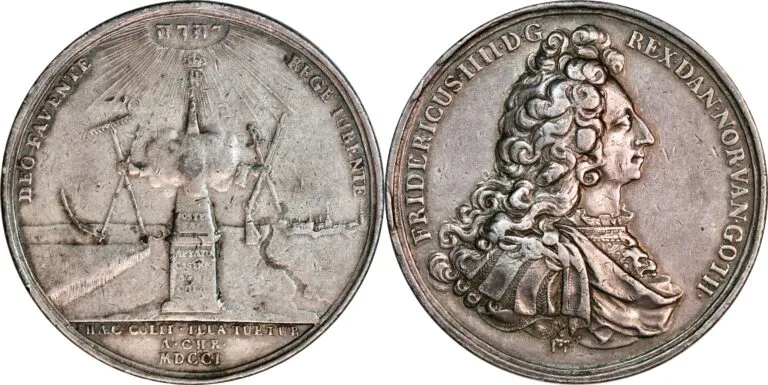
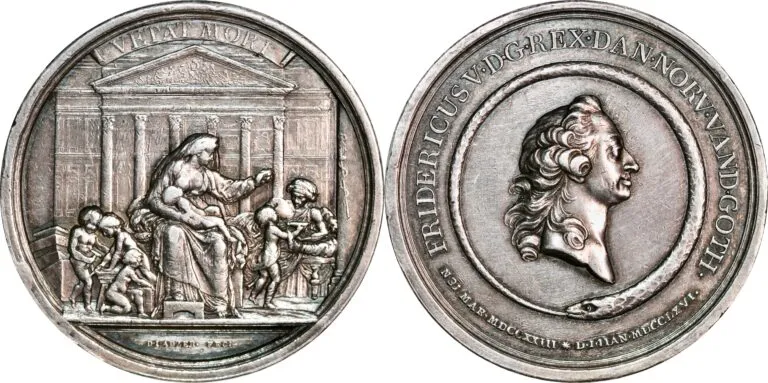
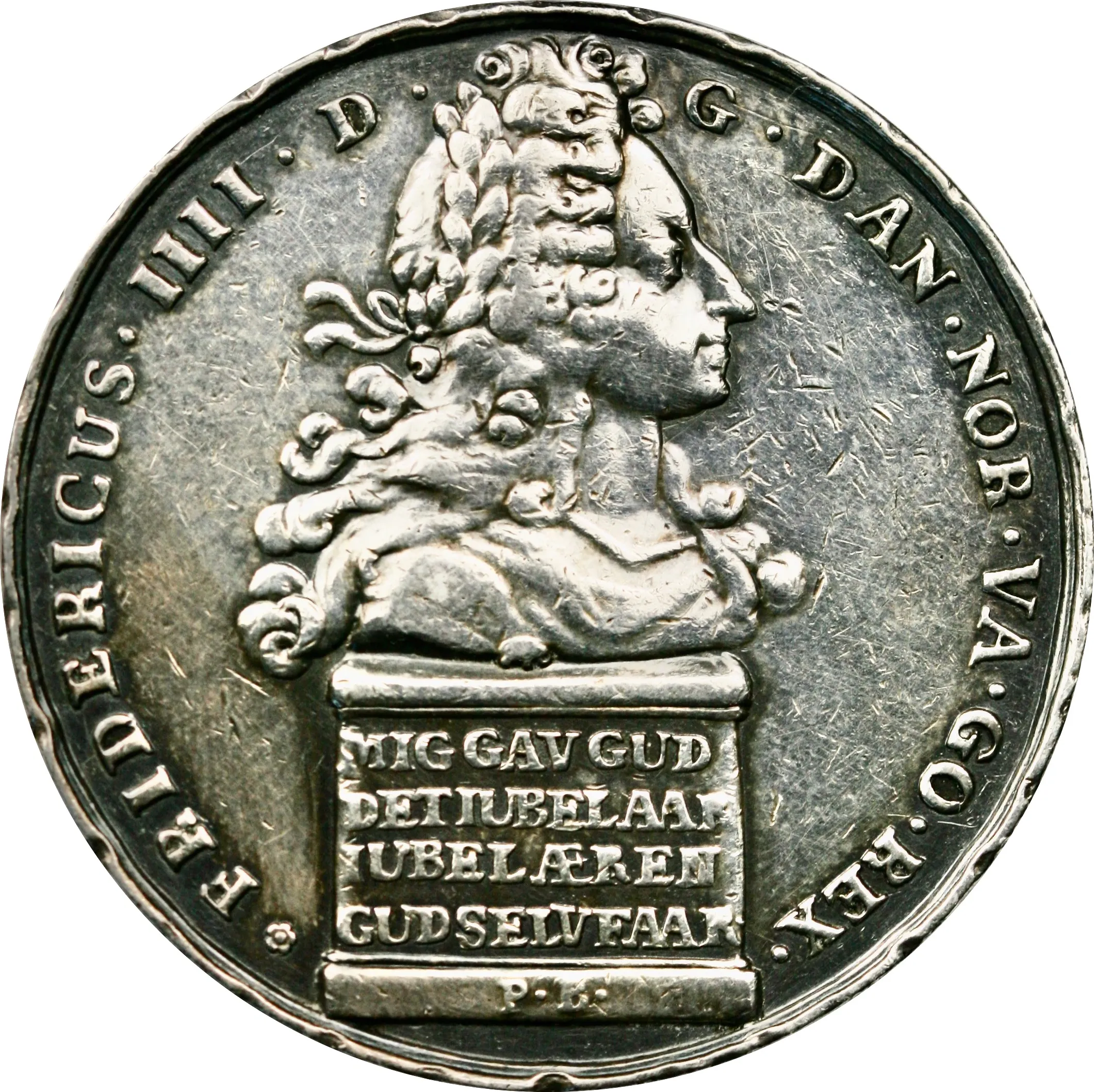
The oldest medals date from the late 17th and 18th centuries. Danish examples commemorate the capture of Marstrand in 1719, the Reformation jubilee of 1717, the anointing of Queen Louise in 1747, the death of Frederik V in 1766 and the royal house jubilee of 1749. Swedish medals include the coronation of Gustav III in 1772 and Charles XII at Bender in 1709. The category also has tokens: brass tokens from Christiania Dampkjøkken and Swedish mining tokens from Sala (1682) and Stora Kopparberg (1765).
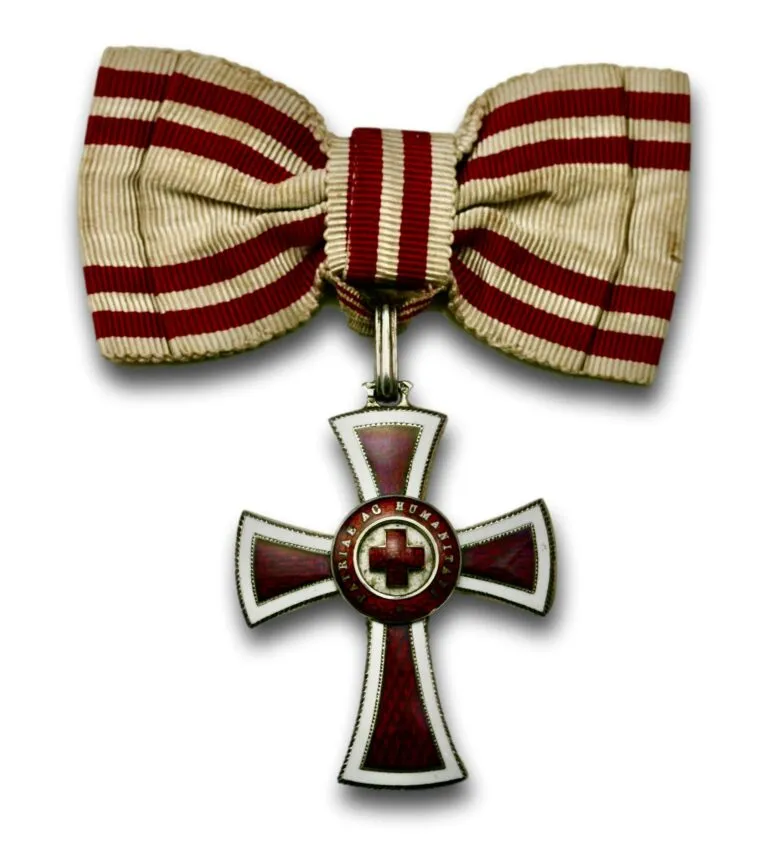
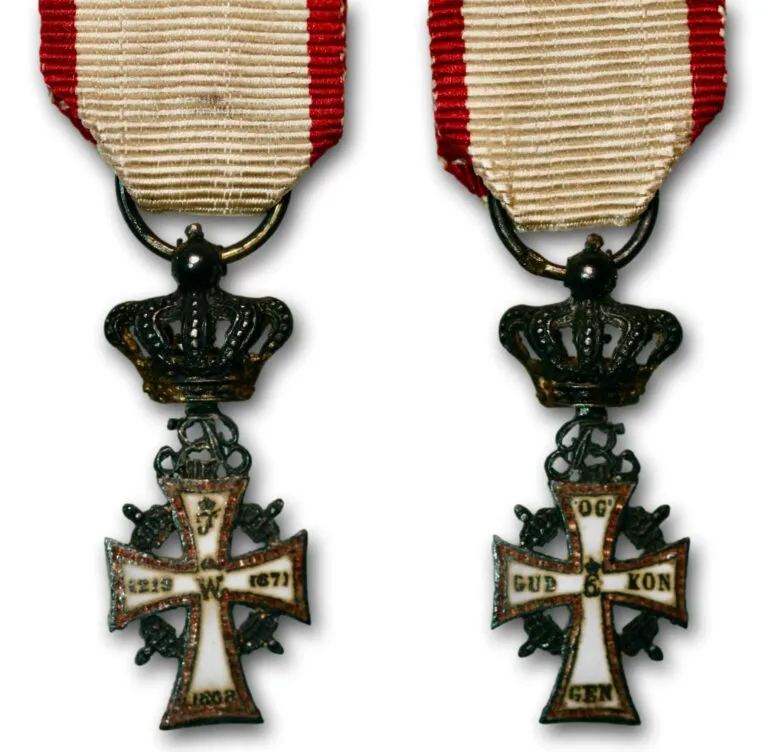
Condition, metal, rarity and the presence of the original ribbon or case all matter. A named or documented recipient adds historical interest, and for orders, enamel damage and the difference between full size and miniature are important. For coins from the same periods, see Norway 1814 – 1874 and Norway after 1874.
Yes. Norwegian merit and award medals can be bought and sold as collector's items. The category includes medals for civic deeds, noble deeds and meritorious service from the 19th and 20th centuries.
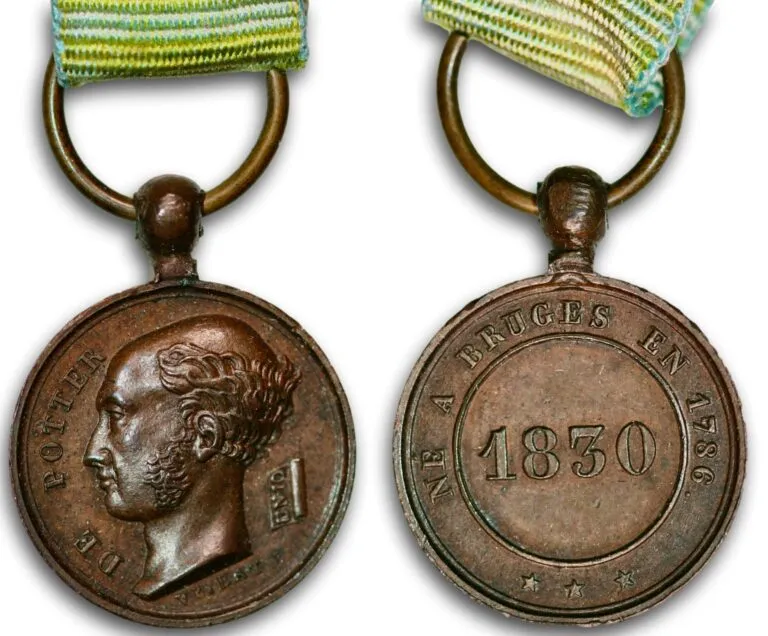
A miniature is a small version of an order or medal worn on formal dress instead of the full-size insignia. Miniatures are collected in their own right and are usually more affordable than full-size pieces.
Many medals were struck in gold, silver and bronze, either as different grades of award or for different groups of recipients. The metal affects both rarity and price, and it is always stated in the description.
Yes. Every item is researched and described as accurately as possible, and Denarius guarantees that everything sold is genuine and as described.
Every item gets its own number when it is catalogued. The number is shown on the product page, so you always know exactly which example it is.
Yes. We ship worldwide. Shipping method and price are shown at checkout before you pay.
Read more
From the War Cross with Sword and the Order of St Olav to the King's Medal of Merit: who awards Norwegian medals…
The Medal for Heroic Deeds – Medaillen for Ædel Daad in the spelling of the time – was instituted by King Oscar…
Tordenskiold’s bluff at Marstrand in July 1719 is one of the best-known episodes in the military history of Denmark-Norway, and it was…