Byzantine coins: a collector’s guide to the follis and solidus
From Anastasius' big follis of 498 to the fall of Constantinople in 1453: how to read Byzantine coins, what the M and…
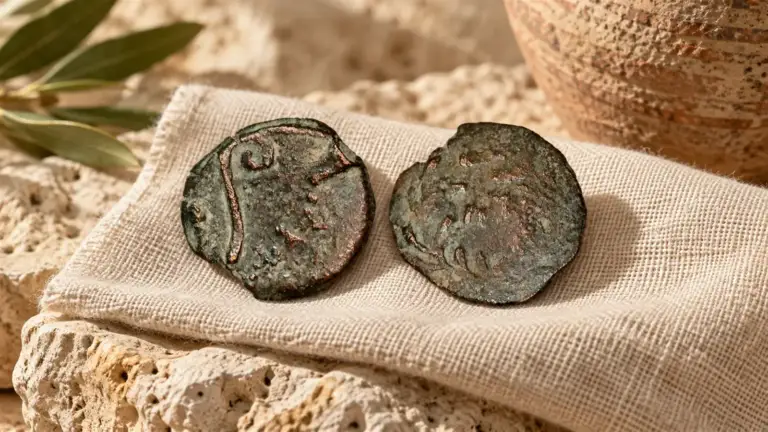
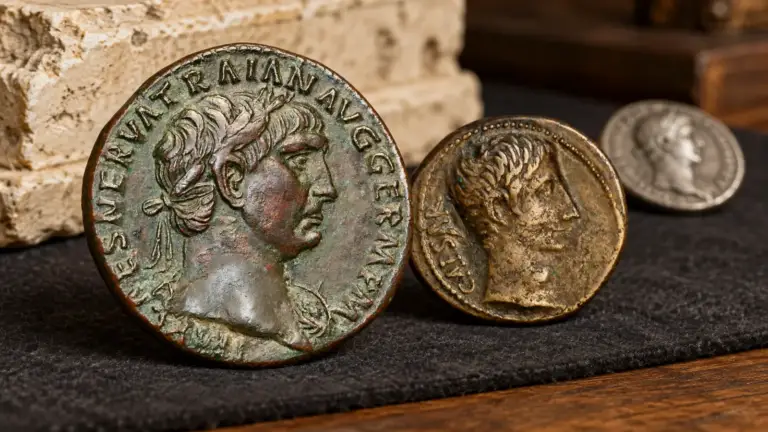
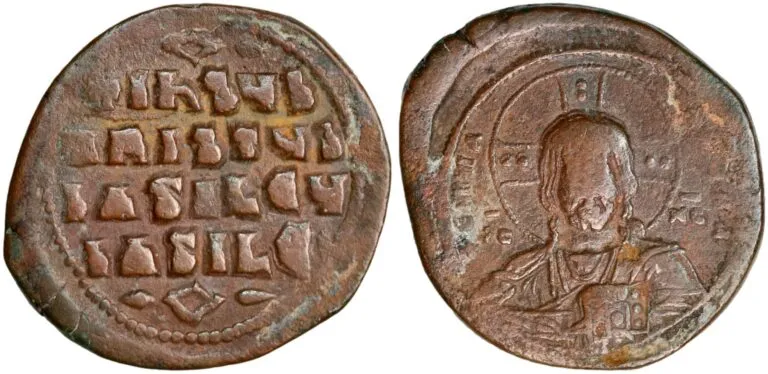
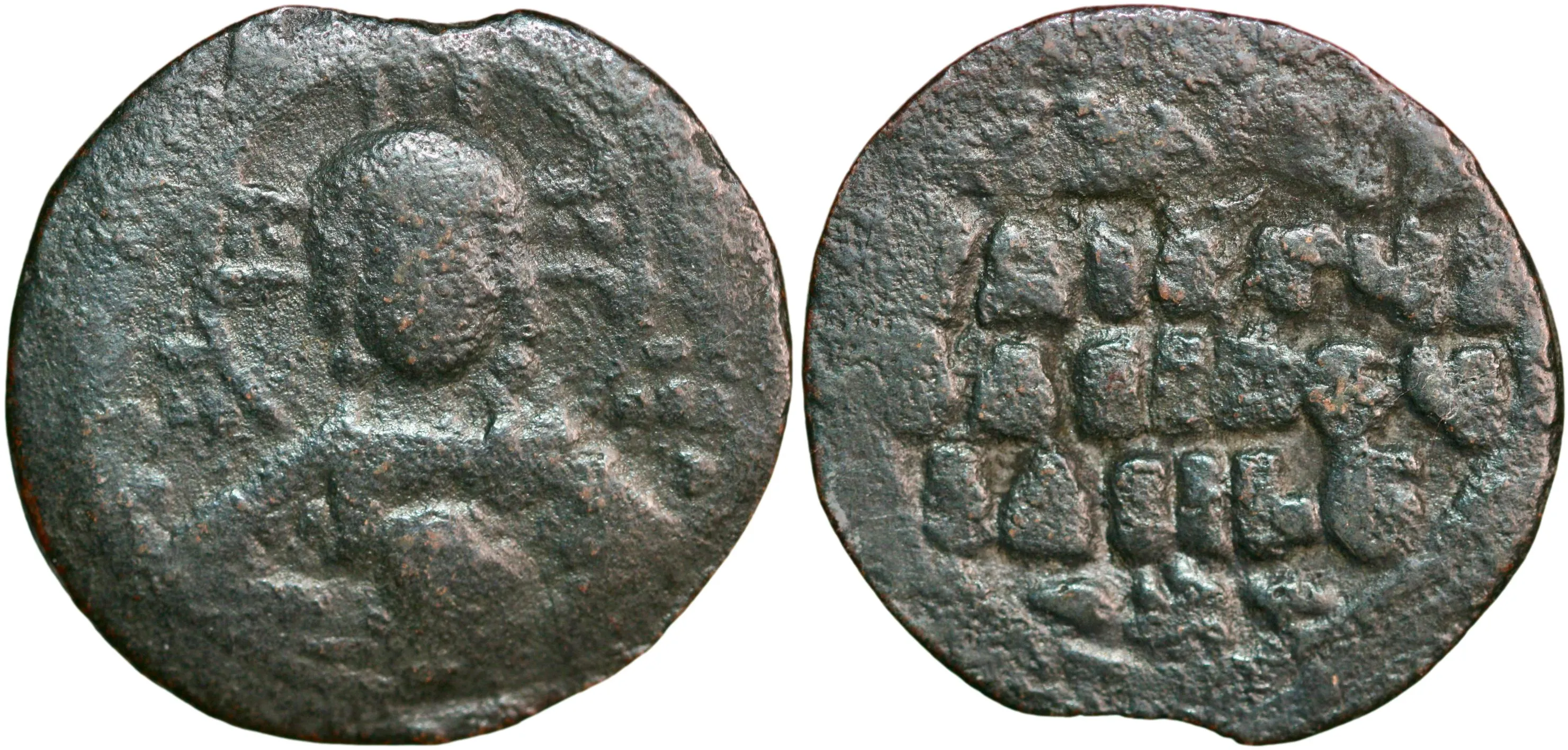
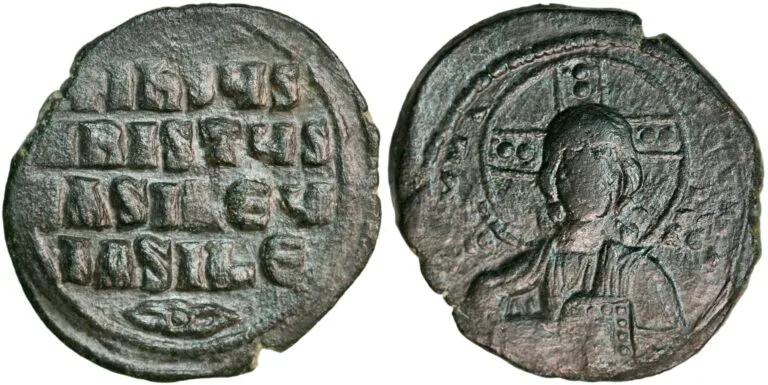
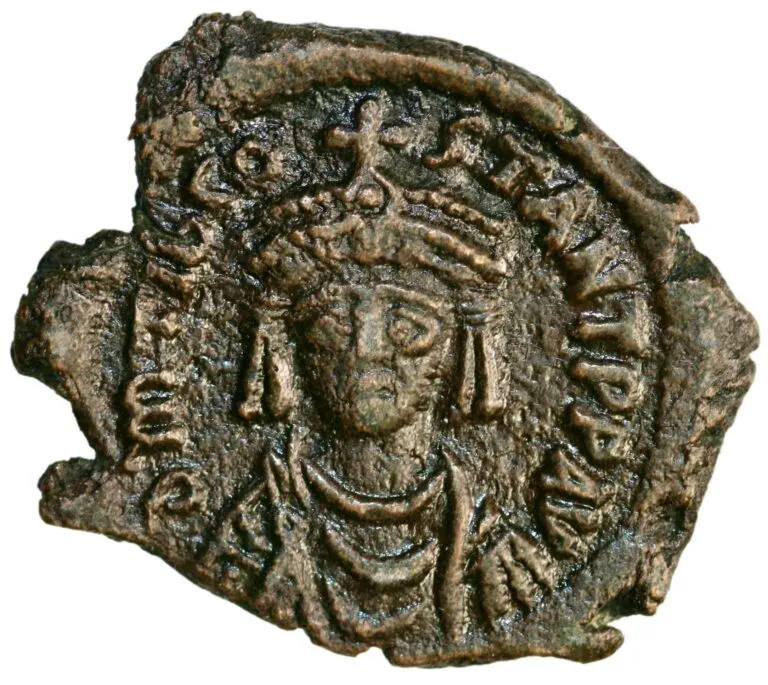
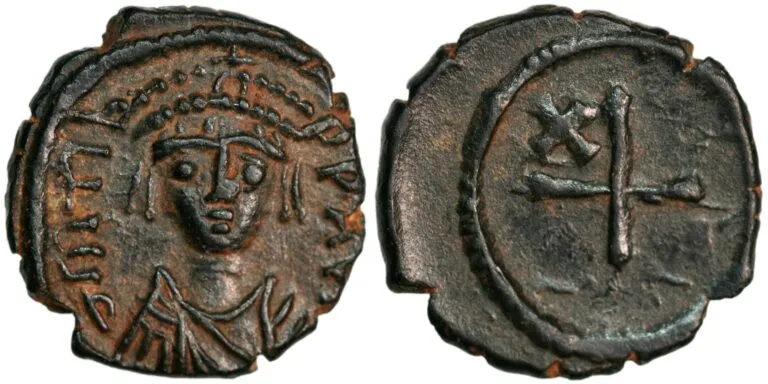
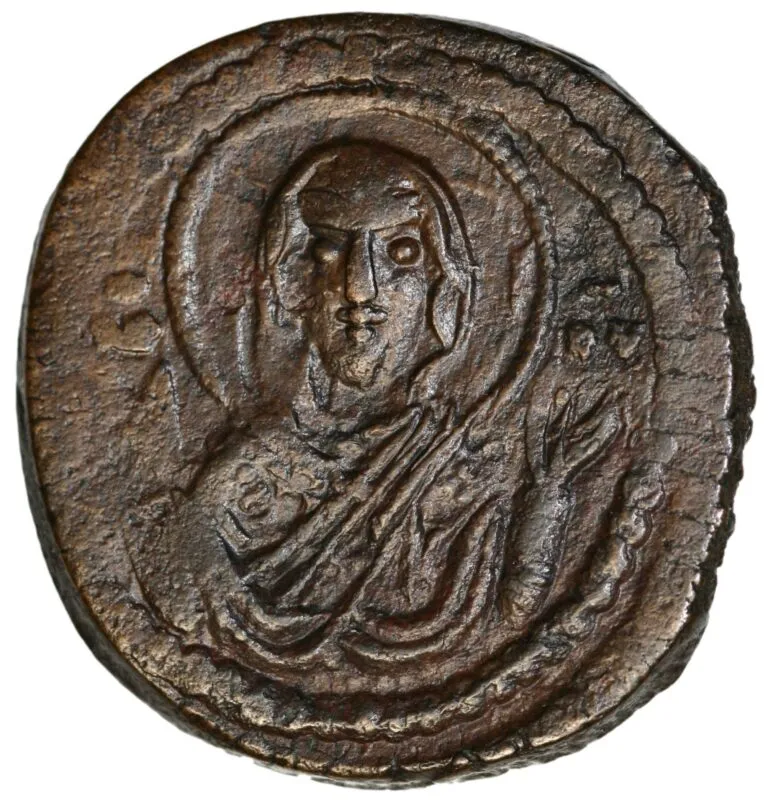
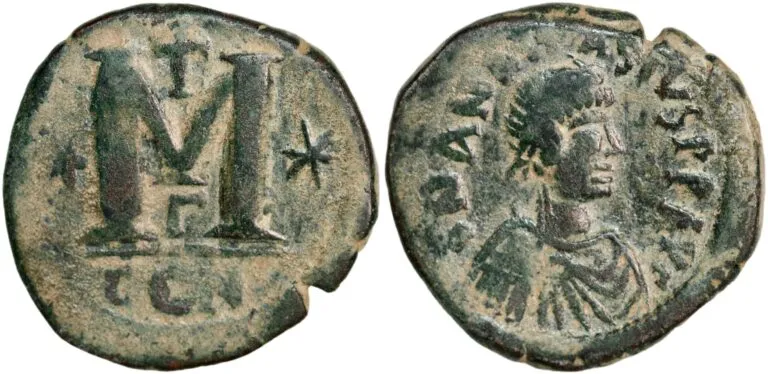
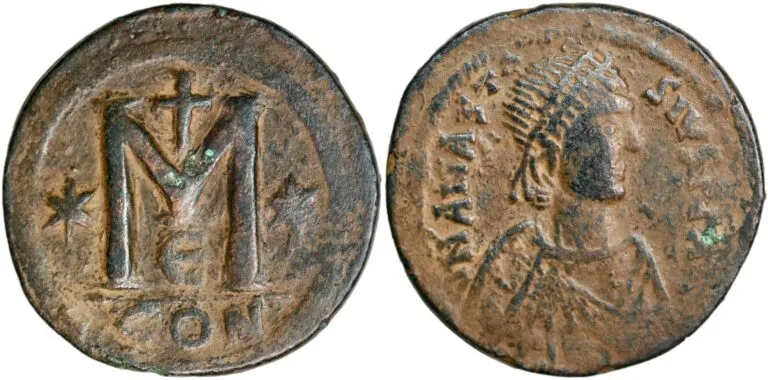
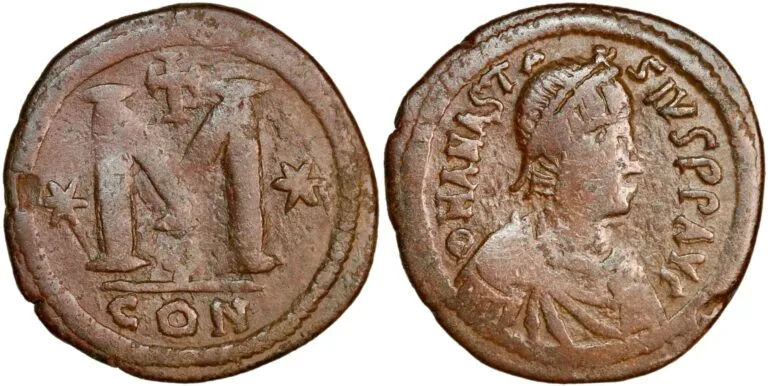
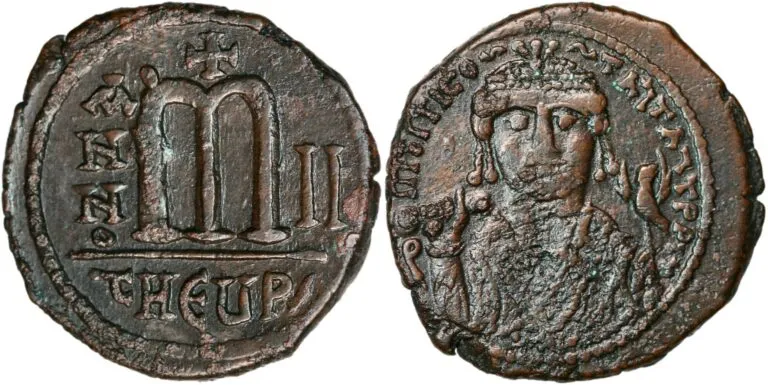
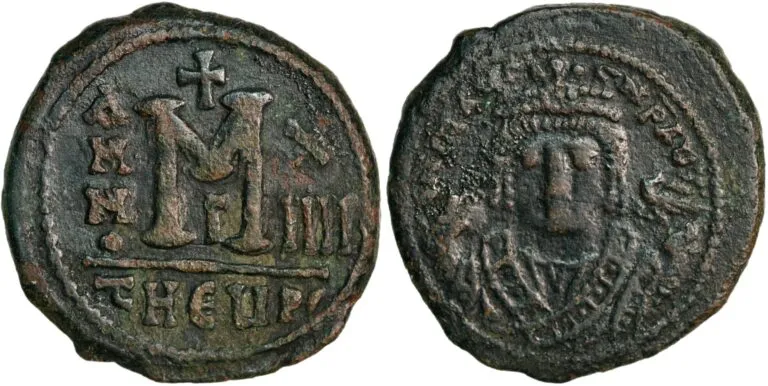
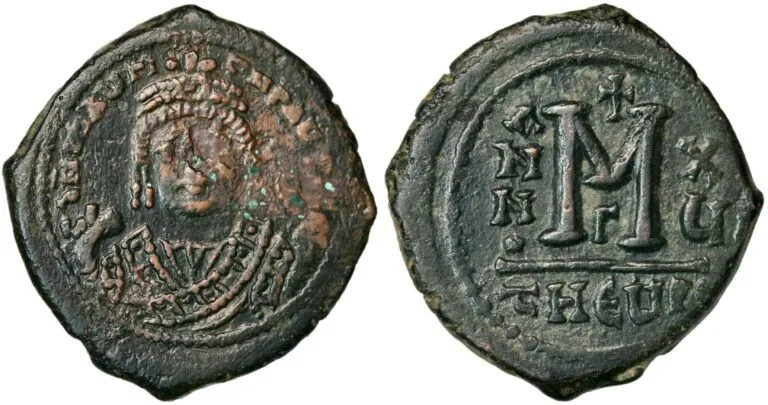
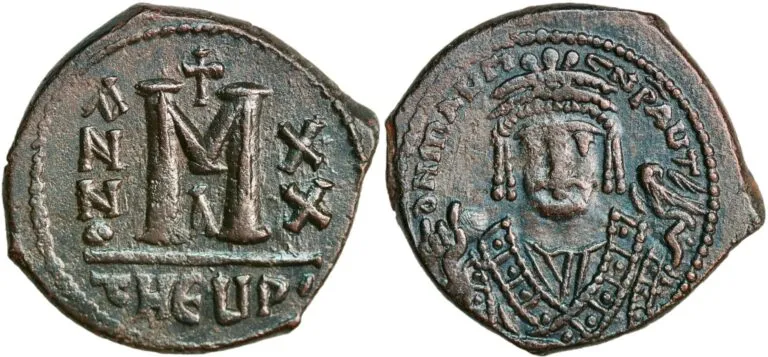
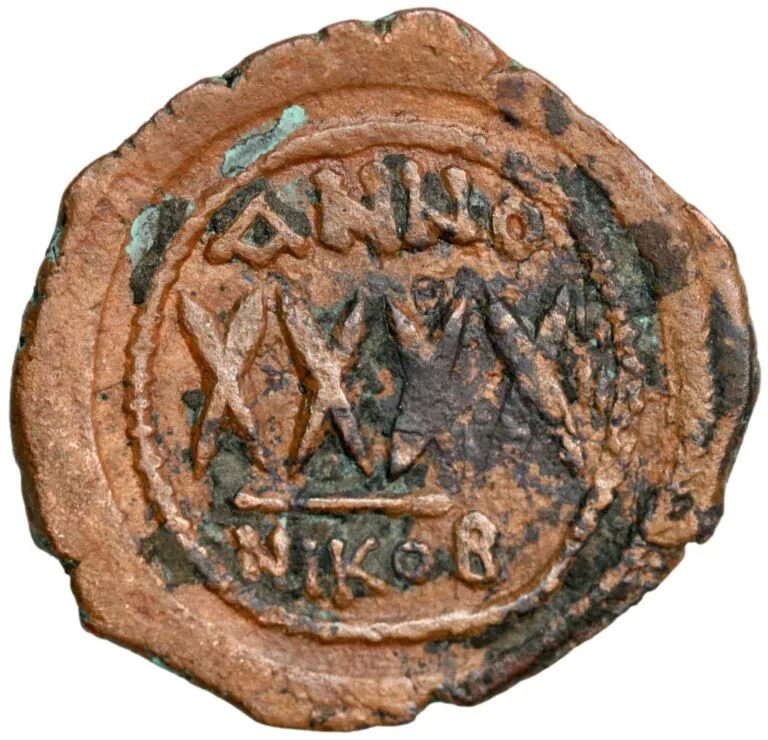
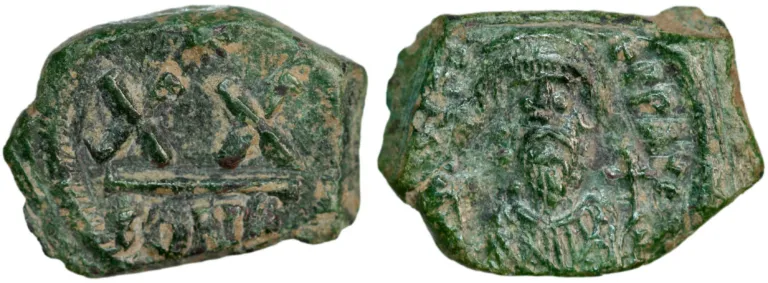
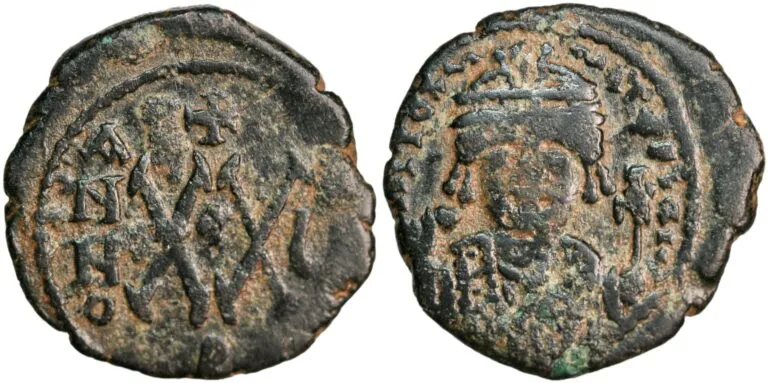
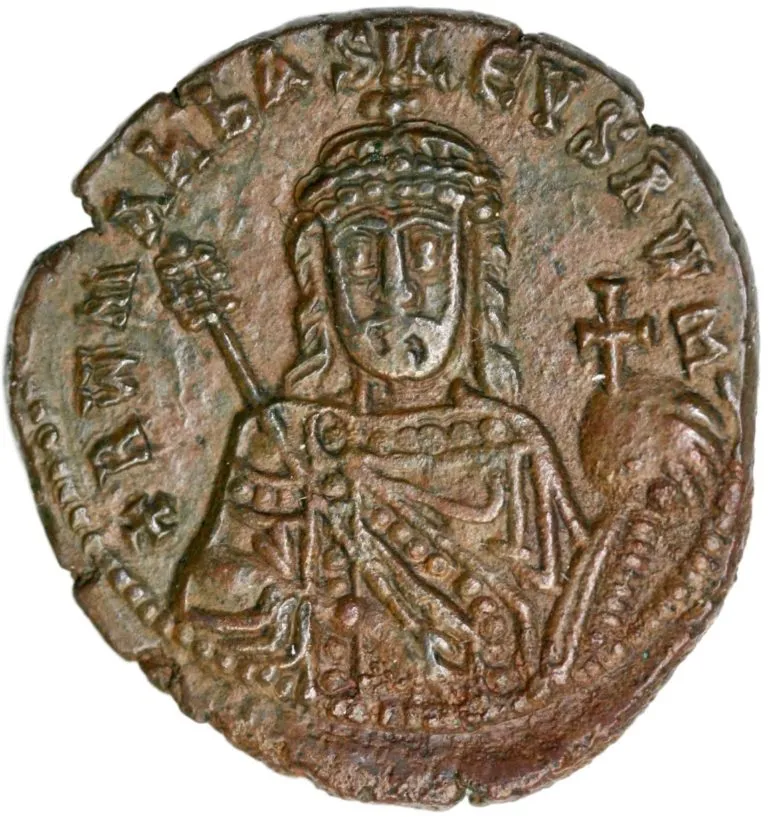
Byzantine bronze coins from the 6th to the 11th century: folles of Anastasius I, Maurice Tiberius and Phokas, and anonymous folles with the bust of Christ.
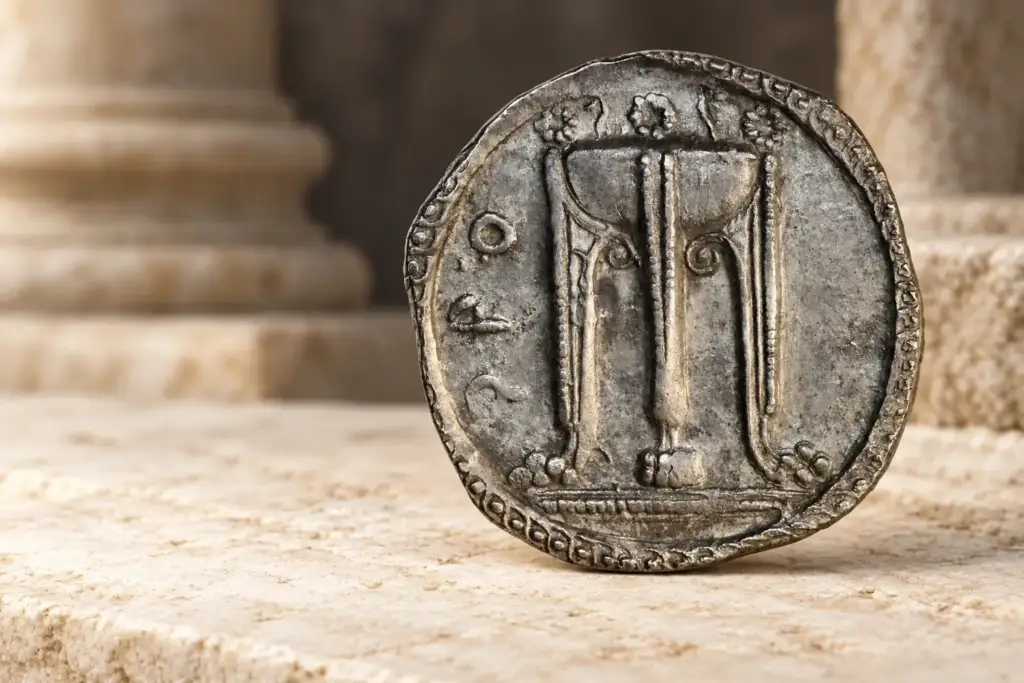
Byzantine coins are the coinage of the Eastern Roman Empire, which survived the fall of the West in 476 and lasted until Constantinople fell to the Ottomans in 1453. Numismatists usually start the Byzantine series with the monetary reform of Anastasius I in 498. This category holds Byzantine bronze coins from the 6th to the 11th century, from the large folles of Anastasius to the anonymous folles with the bust of Christ.
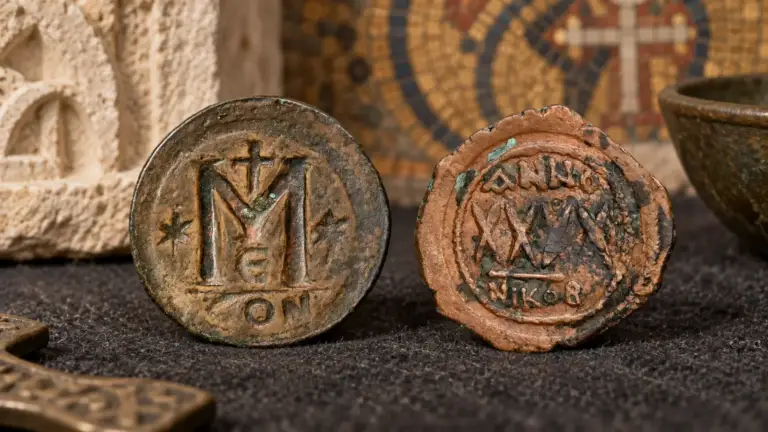
Anastasius’ reform introduced a large bronze coin, the follis, with its value written as a Greek numeral on the reverse. M stands for 40 nummi, K for 20 and I for 10. A follis is therefore marked M, a half follis K, and the decanummium I. The coins in this category include all three, from emperors such as Anastasius I, Tiberius II Constantine, Maurice Tiberius and Phokas.
Below the value mark, most coins also name the mint, such as CON for Constantinople, and many add an officina letter for the workshop that struck them. Other important mints were Nicomedia, Cyzicus and Antioch. From the reign of Justinian I (527–565) many folles also carry the emperor’s regnal year, written ANNO with a numeral. That is why some coins here can be dated to a single year, such as 595/6 or 602/3.
Under John I Tzimiskes (969–976) the emperor’s name and portrait disappeared from the bronze coinage. The anonymous folles show the bust of Christ on the obverse, and the earliest classes read “Jesus Christ, King of Kings” in Greek on the reverse. They were struck in a series of classes for about a century. Scholars date the classes to emperors by style and by which class is struck over which, so the dates are approximate. Class G, for example, is placed around 1068–1071.
Alongside the bronzes, the gold solidus was one of the most stable coins of the Middle Ages until it was debased from the 1030s. In 1092 Alexios I introduced a new gold coin, the hyperpyron, together with cup-shaped coins known as trachy. In the last century of the empire no gold was struck at all, only silver and copper.
The anonymous folles and the religious imagery of the coins are also discussed in our article on the widow’s mite. Earlier coins of the empire are found in Roman coins 314–476 AD, and the gold dinars of the Islamic world in gold coins from the Middle East.
M is the Greek numeral 40 and shows that the coin is a follis worth 40 nummi. A half follis is marked K (20 nummi) and a decanummium I (10 nummi).
An anonymous follis is a Byzantine bronze coin without the emperor's name or portrait. Instead it shows the bust of Christ, and the earliest types read “Jesus Christ, King of Kings” on the reverse. The series began under John I Tzimiskes (969–976).
Numismatists usually date the start to the monetary reform of Anastasius I in 498. The coinage ended when Constantinople fell to the Ottomans in 1453.
Yes. Every item is researched and described as accurately as possible, and Denarius guarantees that everything sold is genuine and as described.
Every item gets its own number when it is catalogued. The number is shown on the product page, so you always know exactly which example it is.
Yes. We ship worldwide. Shipping method and price are shown at checkout before you pay.
Read more
From Anastasius' big follis of 498 to the fall of Constantinople in 1453: how to read Byzantine coins, what the M and…
The widow's mite is the tiny bronze coin from Mark 12 and Luke 21. Here is what a lepton was, which ancient…
As, sestertius, denarius, antoninianus, nummus, maiorina and solidus: the names of Roman coins, what they were worth and which emperors introduced them.