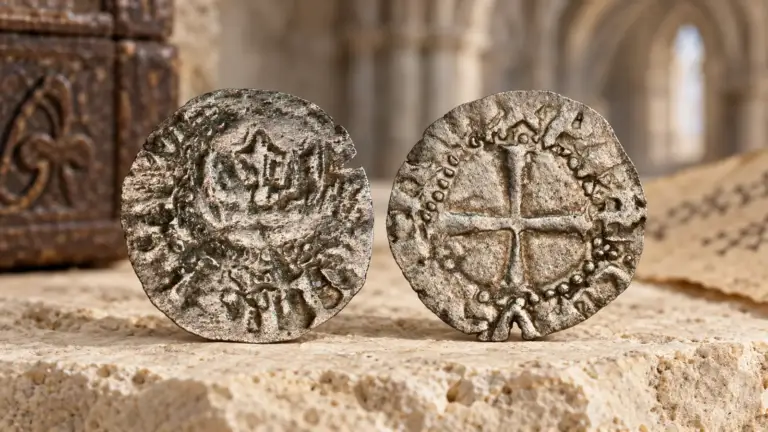
Norwegian medieval coins: penning, hvid and skilling (1280–1537)
From Eirik Magnusson's lion pennies to Olav Engelbrektsson's skillings: Norwegian medieval coins from 1280 to 1537 explained, including the gap after 1387…
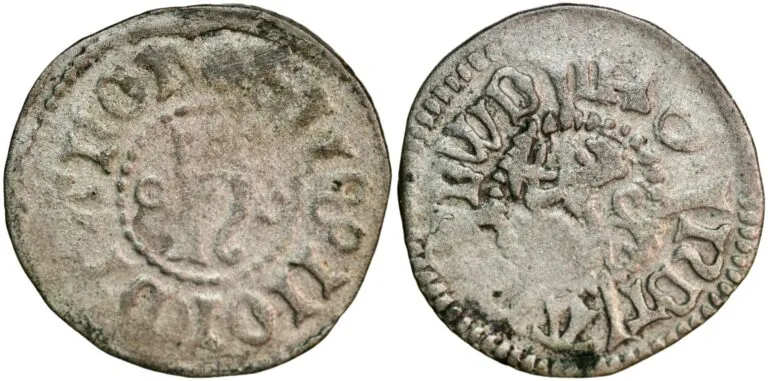
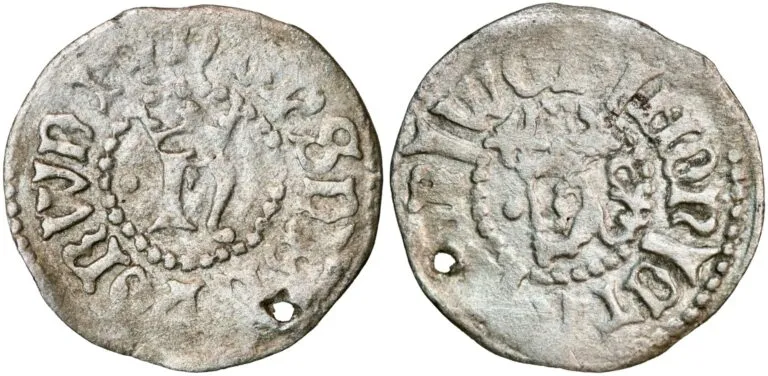
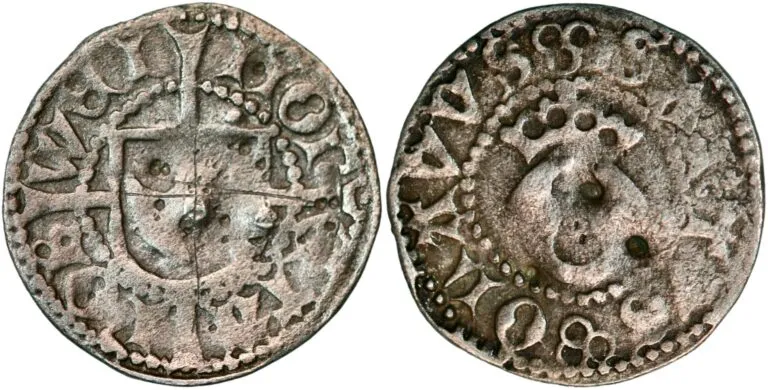
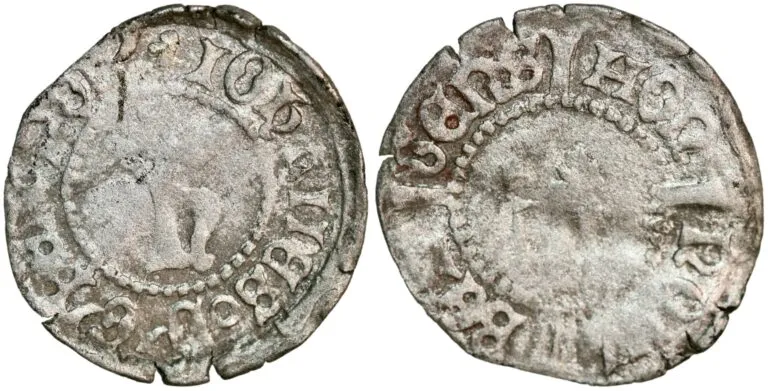
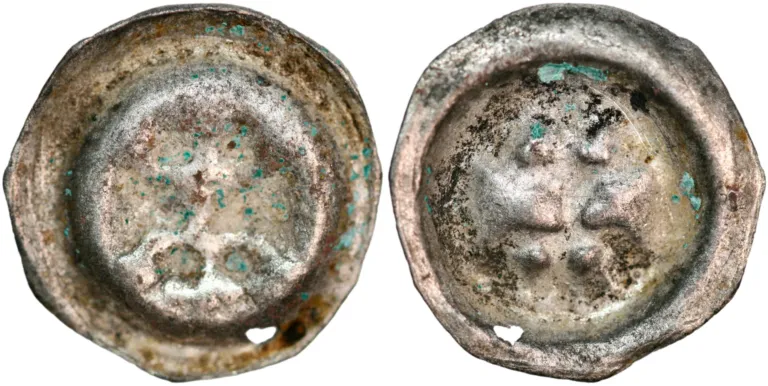
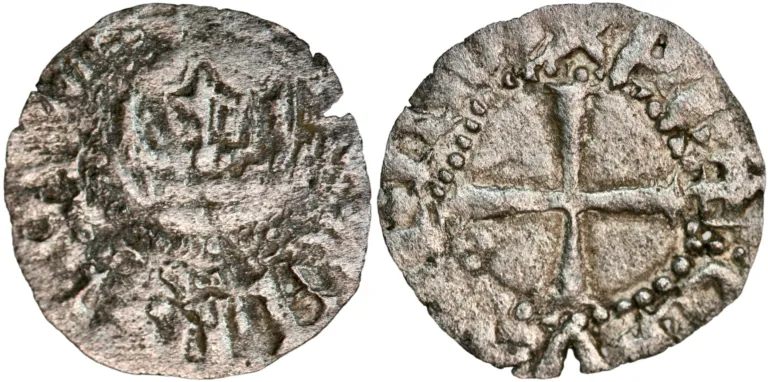
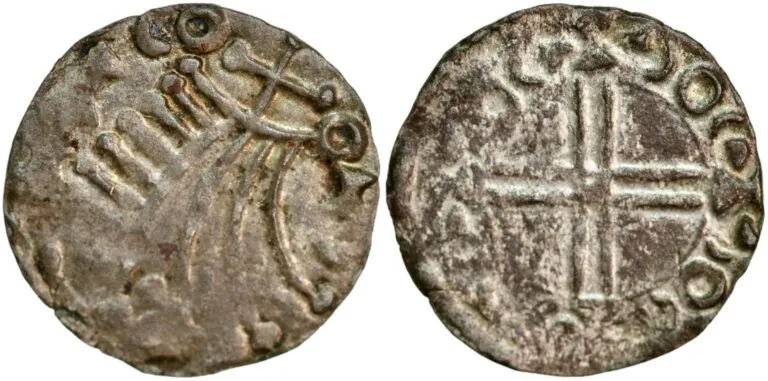
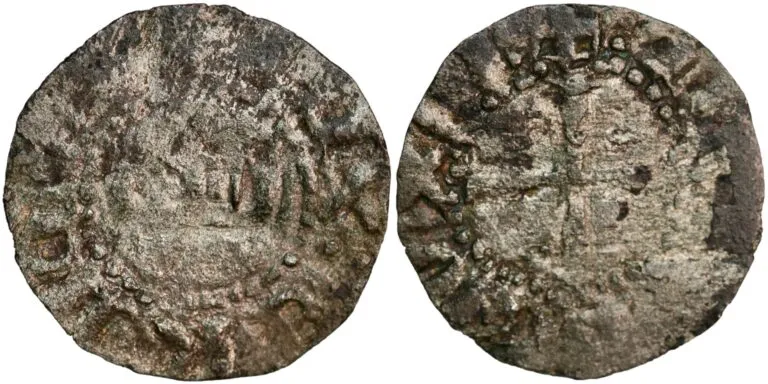
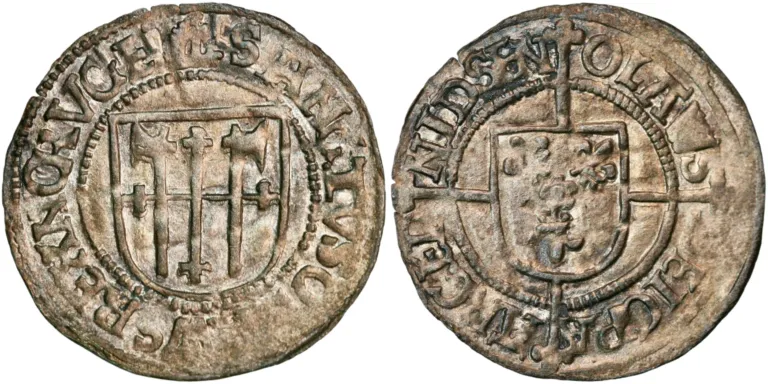
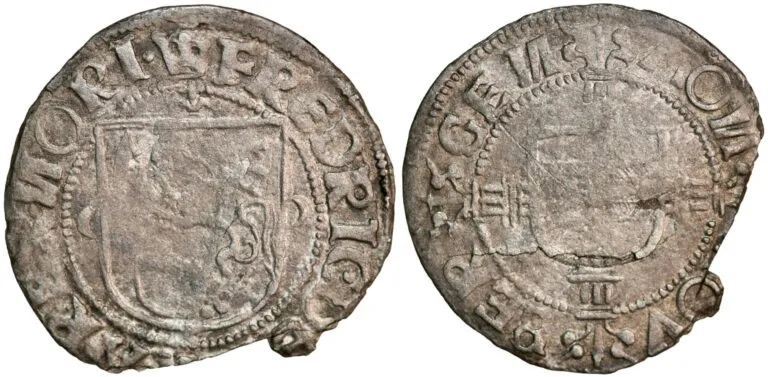
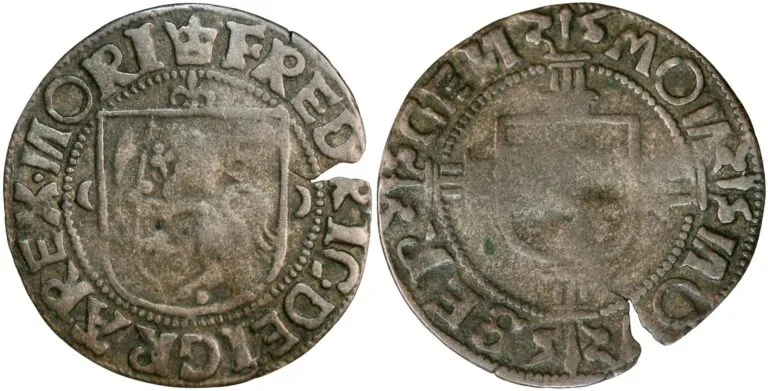
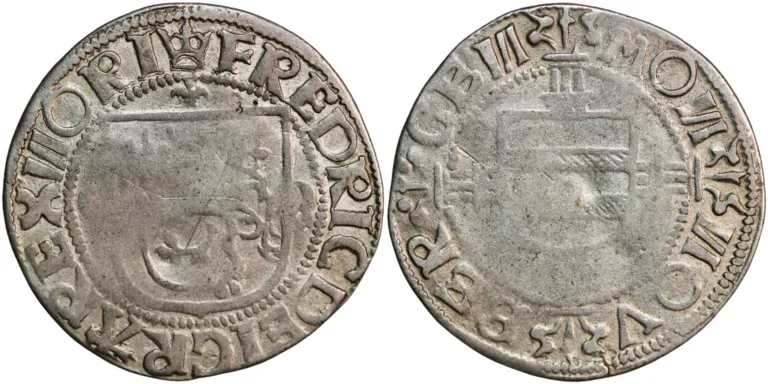
Norwegian medieval coins from Olav Kyrre to the Reformation: pennies of Olav Kyrre, Eirik Magnusson and Håkon VI, hvids of King Hans and Archbishop Gaute Ivarsson, and skillings of Frederik I and Olav Engelbrektsson. Each coin is examined, catalogued and guaranteed genuine.
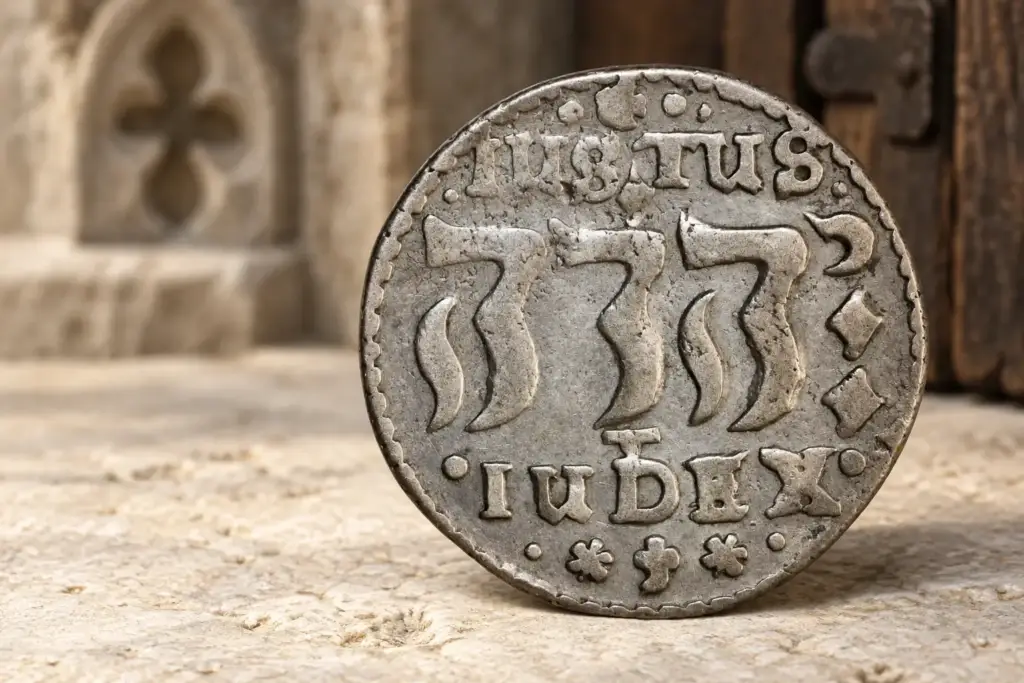
The category is named after Archbishop Gaute Ivarsson, but m. fl. (“and others”) covers Norwegian coins from about 1066 to 1537. It includes:
Gaute Ivarsson was archbishop of Nidaros from 1475 until his death in 1510, longer than any other Norwegian archbishop. He ran a mint in the archbishop’s palace in Trondheim. Excavations there in 1991–1995 uncovered the remains of three medieval mints, and research from NTNU links much of the known output of Norwegian hvids from his time to this workshop. Some of his hvids were struck in the name of King Hans.
Olav Engelbrektsson, archbishop from 1523, also struck skillings in Nidaros. His coinage ended when he left the country in 1537 and the Reformation was carried through. At the same time Frederik I had skillings and hvids struck in Bergen; the Bergen skillings were dated from 1530, so undated ones are placed earlier.
Medieval coins are small and thin, often weighing under one gram. Legibility of legend and motif, whether the flan is whole, and documented provenance are the main factors. Several coins here have pedigrees back to collections such as P. Hauberg (1929) and Count Christian Lerche. Norwegian coins older than 1537 require an export licence when they leave Norway.
See also Sverre Sigurdsson for bracteates from the civil war period, and Norway before 1814.
The archbishops of Nidaros held the right to strike coins in parts of the Middle Ages. Gaute Ivarsson and Olav Engelbrektsson both had coins made in the archbishop's palace in Trondheim, where remains of the mint workshops have been excavated.
The hvid ("white") was a small silver coin of the late Middle Ages in Scandinavia. In Norway hvids were struck both for the king and in the archbishop's mint in Nidaros.
Norwegian coins older than 1537 are listed as cultural objects and need an export licence. The application is decided by the Museum of Cultural History at the University of Oslo.
Yes. Every item is researched and described as accurately as possible, and Denarius guarantees that everything sold is genuine and as described.
Every item gets its own number when it is catalogued. The number is shown on the product page, so you always know exactly which example it is.
Yes. We ship worldwide. Shipping method and price are shown at checkout before you pay.
Read more
From Eirik Magnusson's lion pennies to Olav Engelbrektsson's skillings: Norwegian medieval coins from 1280 to 1537 explained, including the gap after 1387…
The Vikings paid in silver by weight, often cut into pieces. This guide explains which Viking age coins exist, from dirhams to…
A bracteate is a paper-thin silver coin struck on one side only, and for much of the Middle Ages it was Norway's…