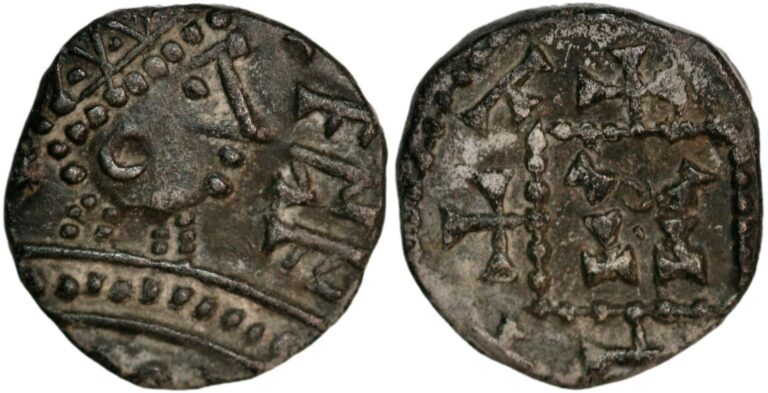
Medieval coins: hammered pennies, groats and gold
From the silver penny to the groat and the great gold coins: a collector's guide to medieval coins, how they were made…
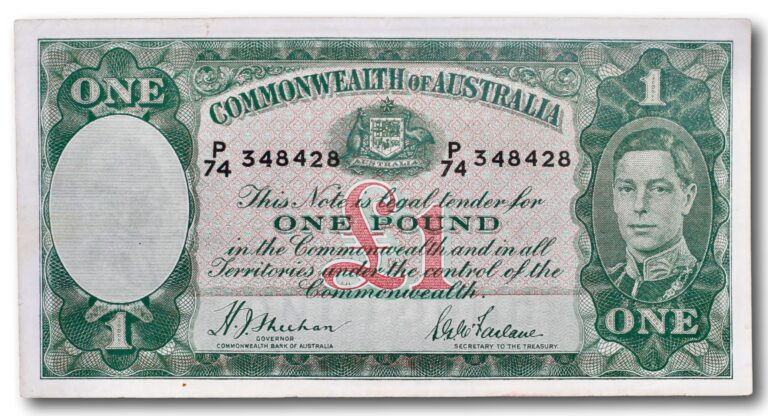
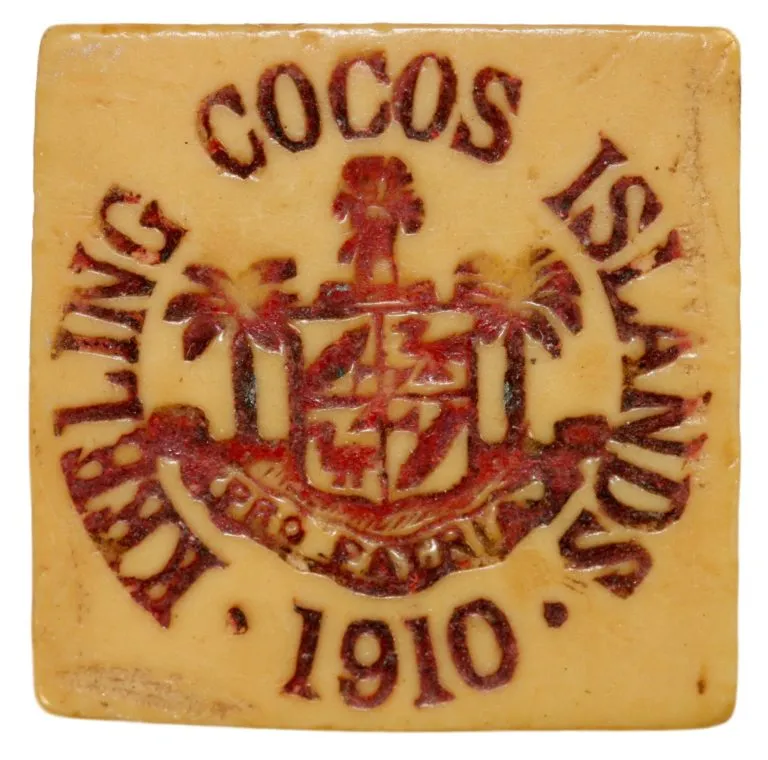
Coins and tokens from Australasia: an Australian 1 pound from 1938 and a rare 1913 plastic token from the Cocos (Keeling) Islands, issued by the Clunies-Ross estate. Each is examined, photographed, described with its own protocol number and guaranteed genuine.
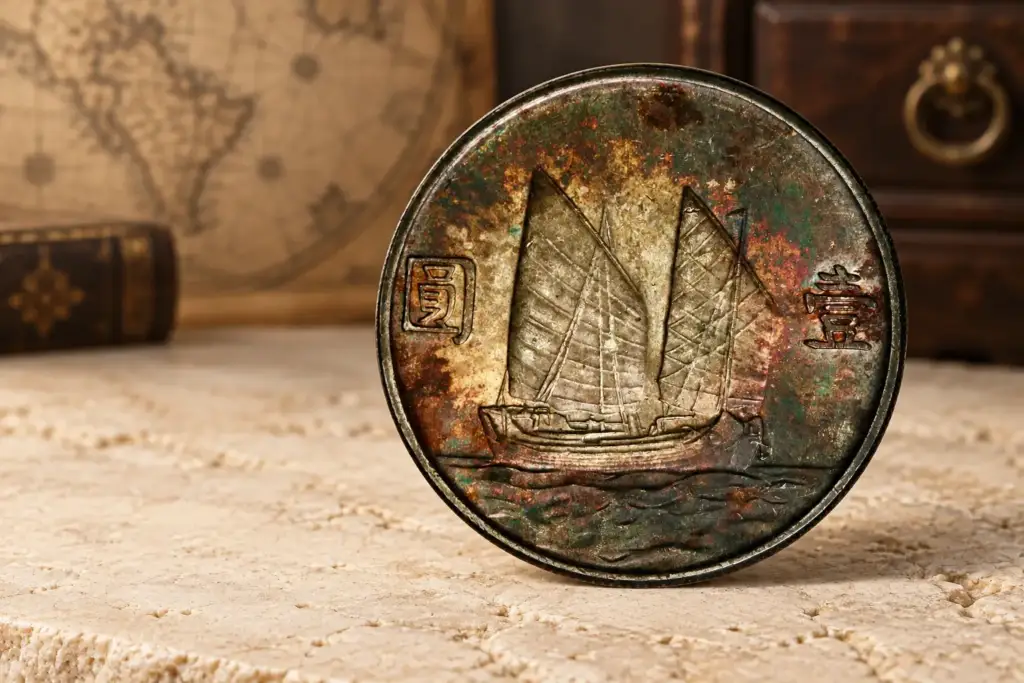
This small category currently holds two objects from Australasia. One is an Australian 1 pound from 1938, from the time when Australia counted in pounds, shillings and pence. The pound was replaced by the decimal Australian dollar in 1966.
The other is a curiosity: a 25 cents token from the Cocos (Keeling) Islands, dated 1913. The islands in the Indian Ocean were run as a private coconut estate by the Clunies-Ross family, who issued their own tokens for the workers. They could only be spent in the estate’s own store, and they were made not of metal but of a plastic imitating ivory. Each piece carries a serial number and the name of J. S. Clunies-Ross, and the series is a favourite among collectors of unusual money.
For plastic tokens like the Cocos pieces, look for cracks, chips and warping, and check that the serial number and lettering are clear. For older Australian money, wear and an original surface determine the grade. Each object is described with its condition.
See also banknotes from Australasia.
They are tokens issued in 1913 by the Clunies-Ross family, who ran the islands as a coconut estate. Workers were paid in them, and they could only be spent in the estate's store.
No. They are made of a plastic that imitates ivory, and each token carries its own serial number.
Yes. Every item is researched and described as accurately as possible, and Denarius guarantees that everything sold is genuine and as described.
Every item gets its own number when it is catalogued. The number is shown on the product page, so you always know exactly which example it is.
Yes. We ship worldwide. Shipping method and price are shown at checkout before you pay.
Read more
From the silver penny to the groat and the great gold coins: a collector's guide to medieval coins, how they were made…
From Zhou-period knife money and bridge money to round cash coins with a square hole: the story of ancient Chinese coins and…
A bracteate is a paper-thin silver coin struck on one side only, and for much of the Middle Ages it was Norway's…