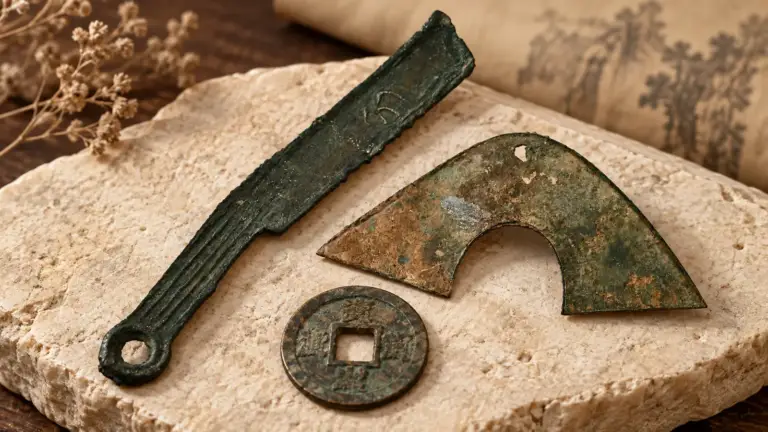
Ancient Chinese coins: knife money, bridge money and cash coins
From Zhou-period knife money and bridge money to round cash coins with a square hole: the story of ancient Chinese coins and…
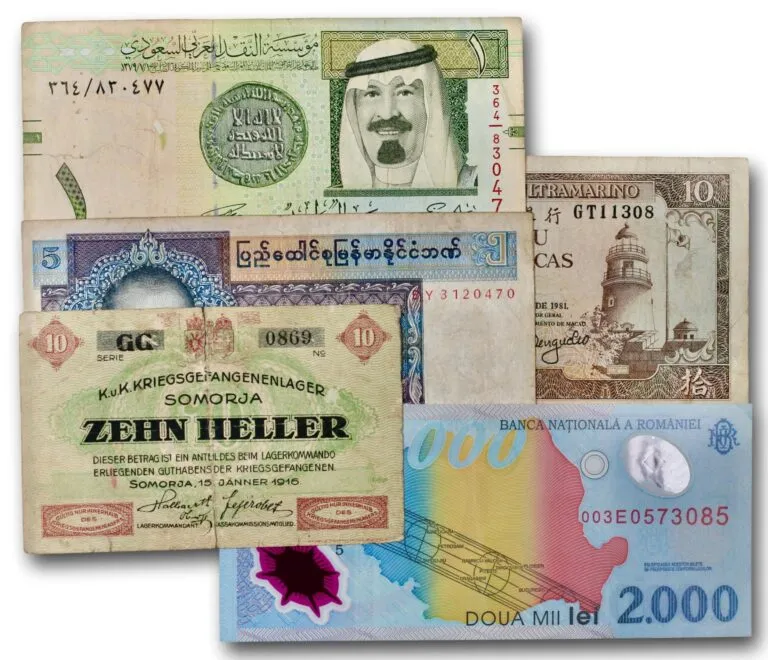
Asian banknotes from Republican China, uncut renminbi sheets from 1953, Hong Kong, Malaya and British Borneo, Portuguese Timor, Syria, Indonesia and Israel. Every note is examined, photographed and described with its own protocol number, and guaranteed genuine.
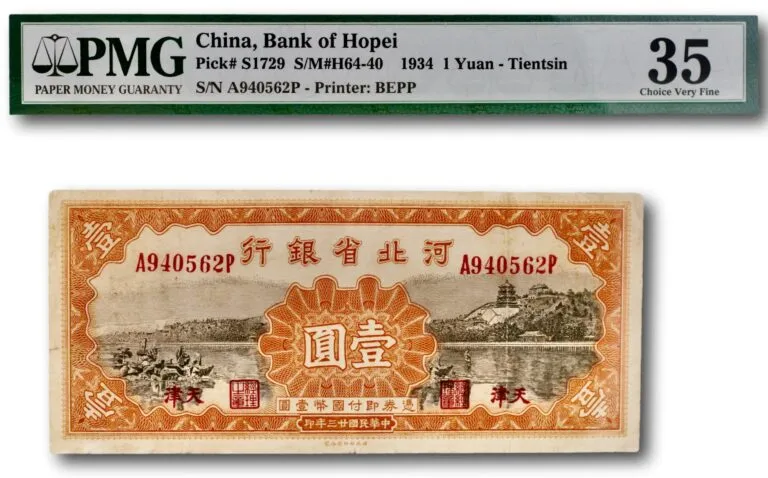
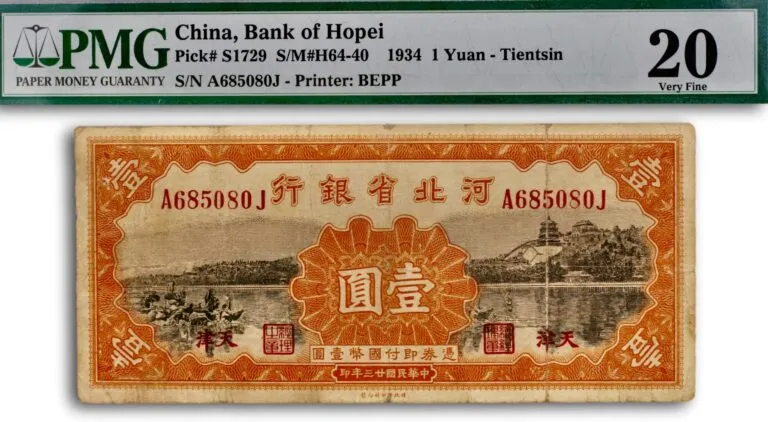
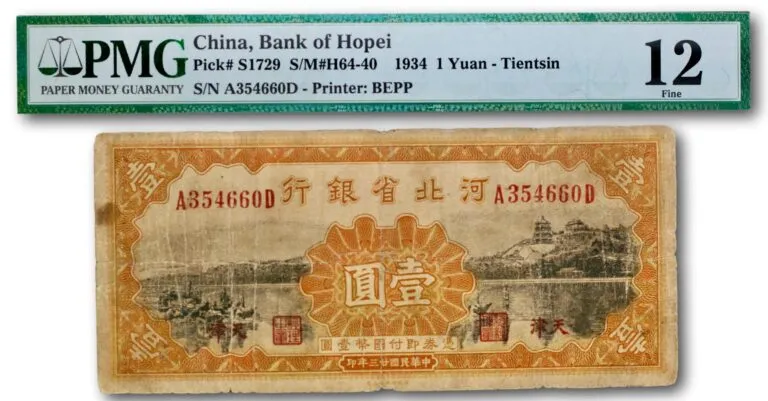
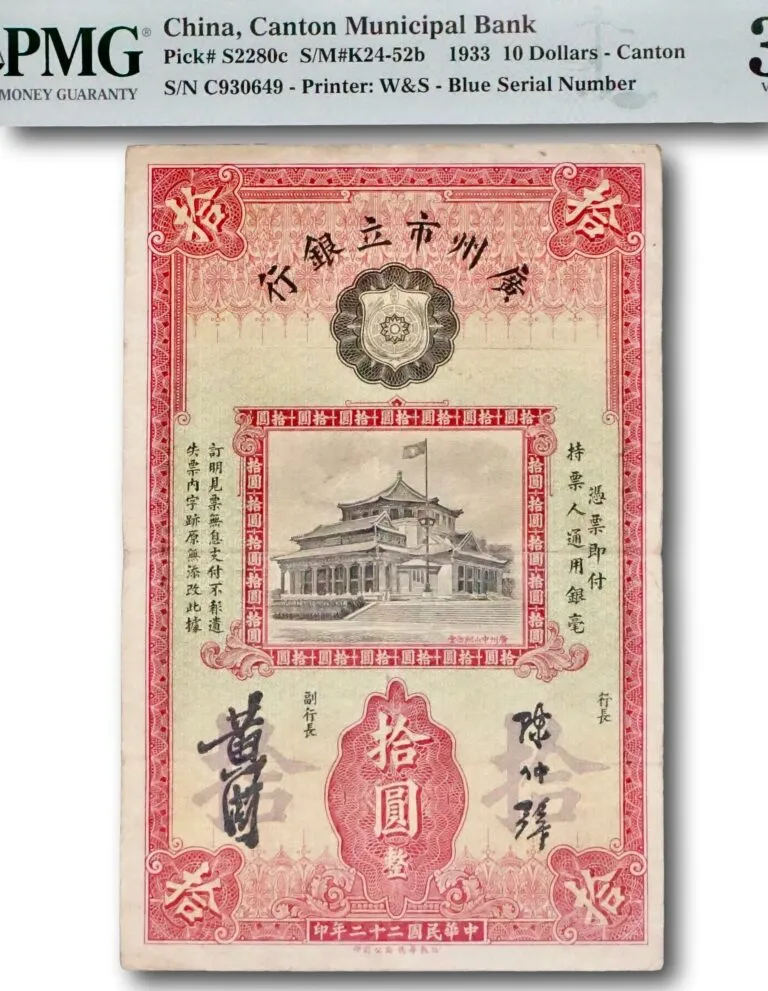
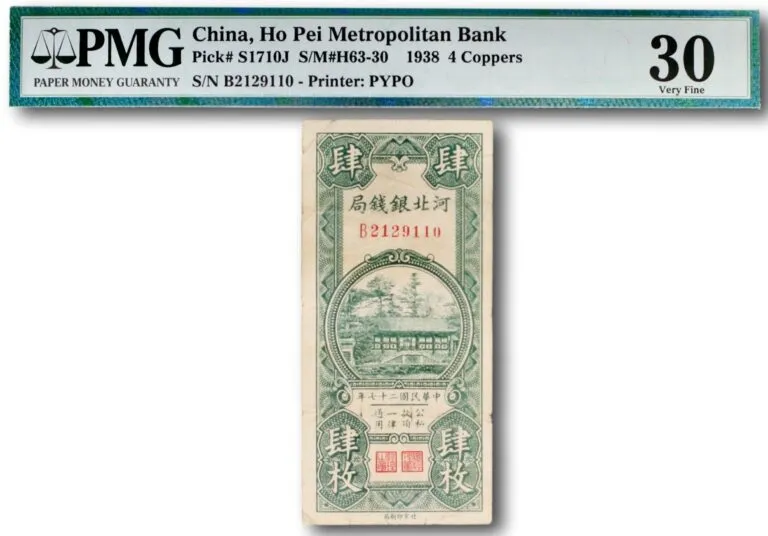
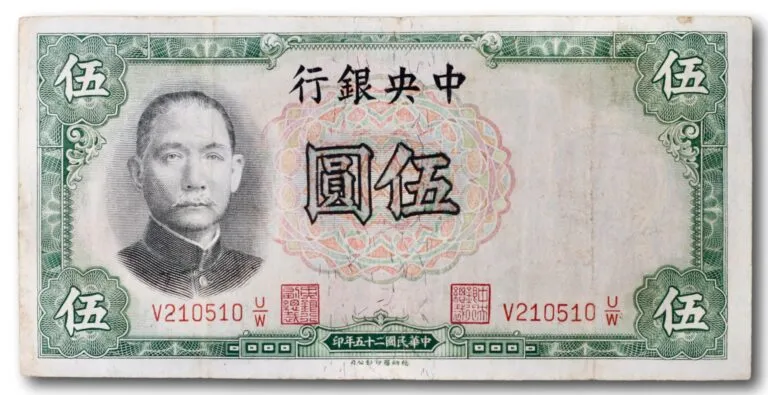
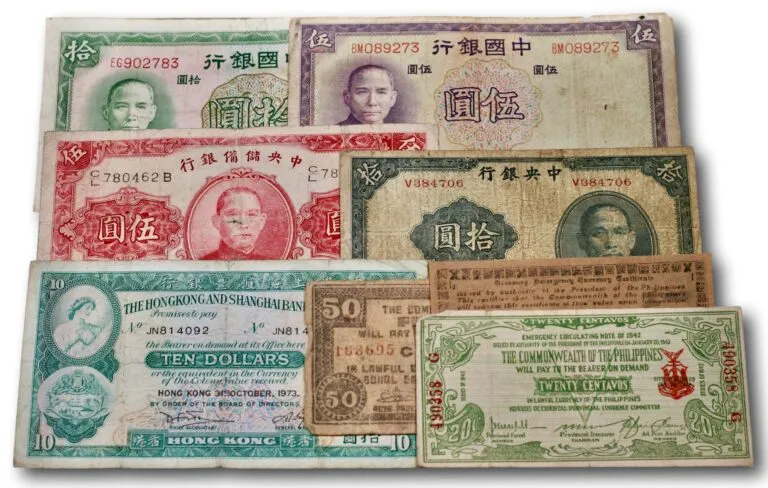
China is the largest group among the Asian banknotes. From the Republic of China there are notes from the 1930s: 10 dollars 1933, 1 yuan 1934, 5 yuan 1936 and a small-change note of 4 coppers 1938. In this period several banks issued paper money side by side, until the currency reform of 1935 concentrated note issue in a few government banks. The variety of issuers, signatures and printers makes the period rich for collectors.
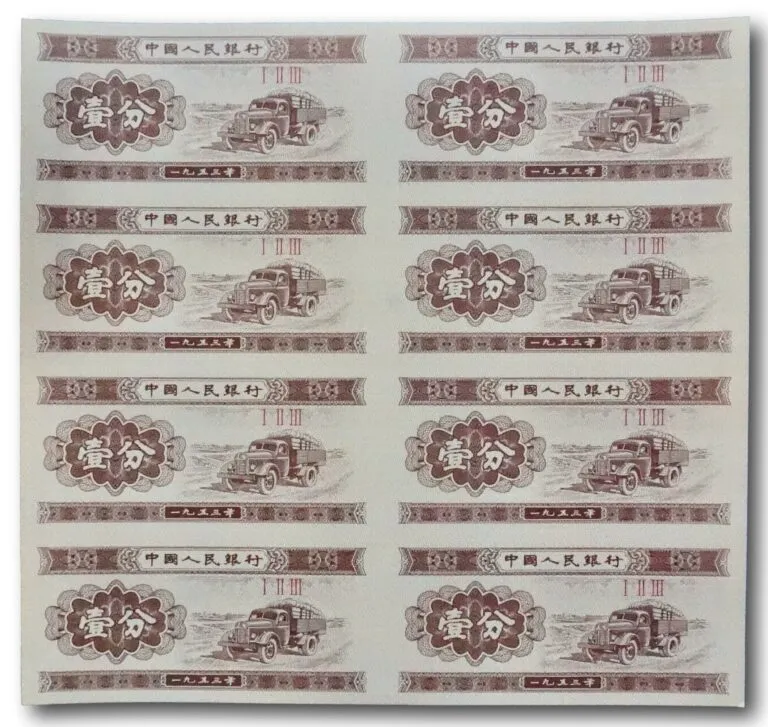
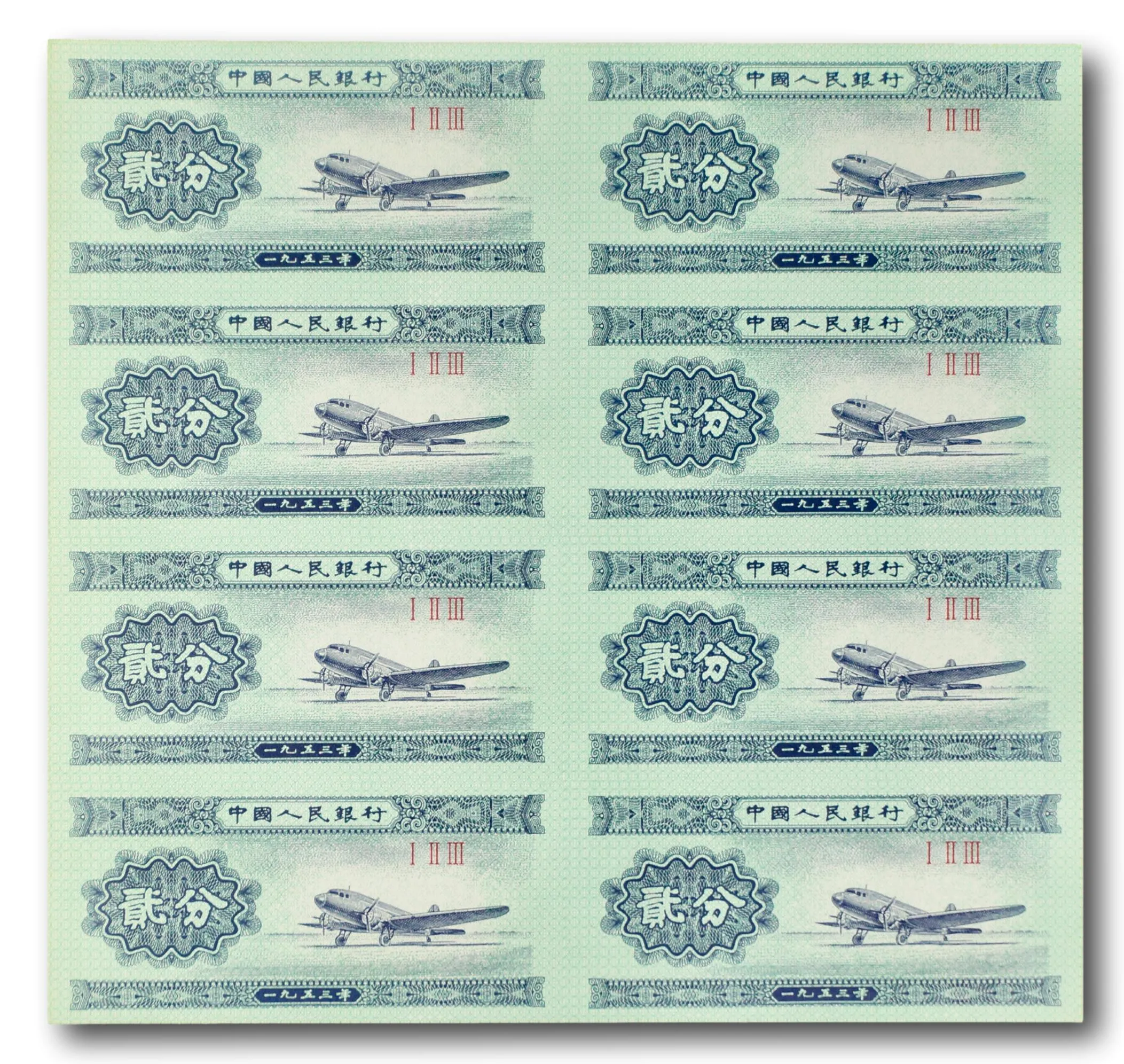
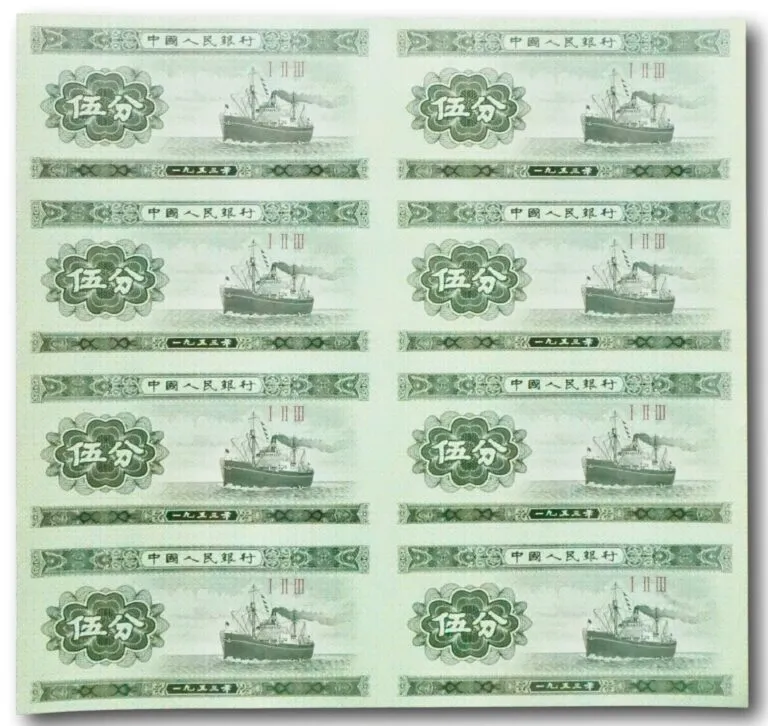
From the People’s Republic there are uncut sheets of 1, 2 and 5 fen dated 1953, from the second series of the renminbi issued by the People’s Bank of China. Uncut sheets show the notes exactly as they were printed, and they are rarer than single notes.
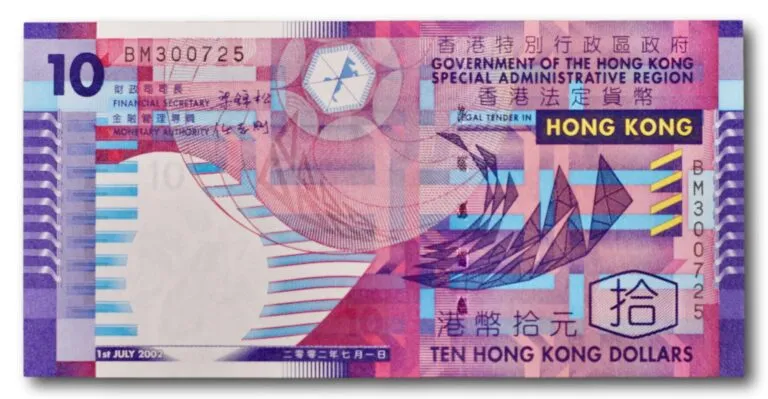
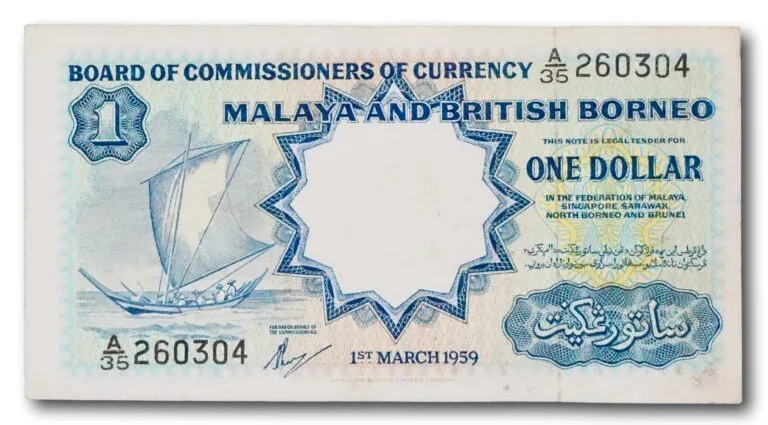
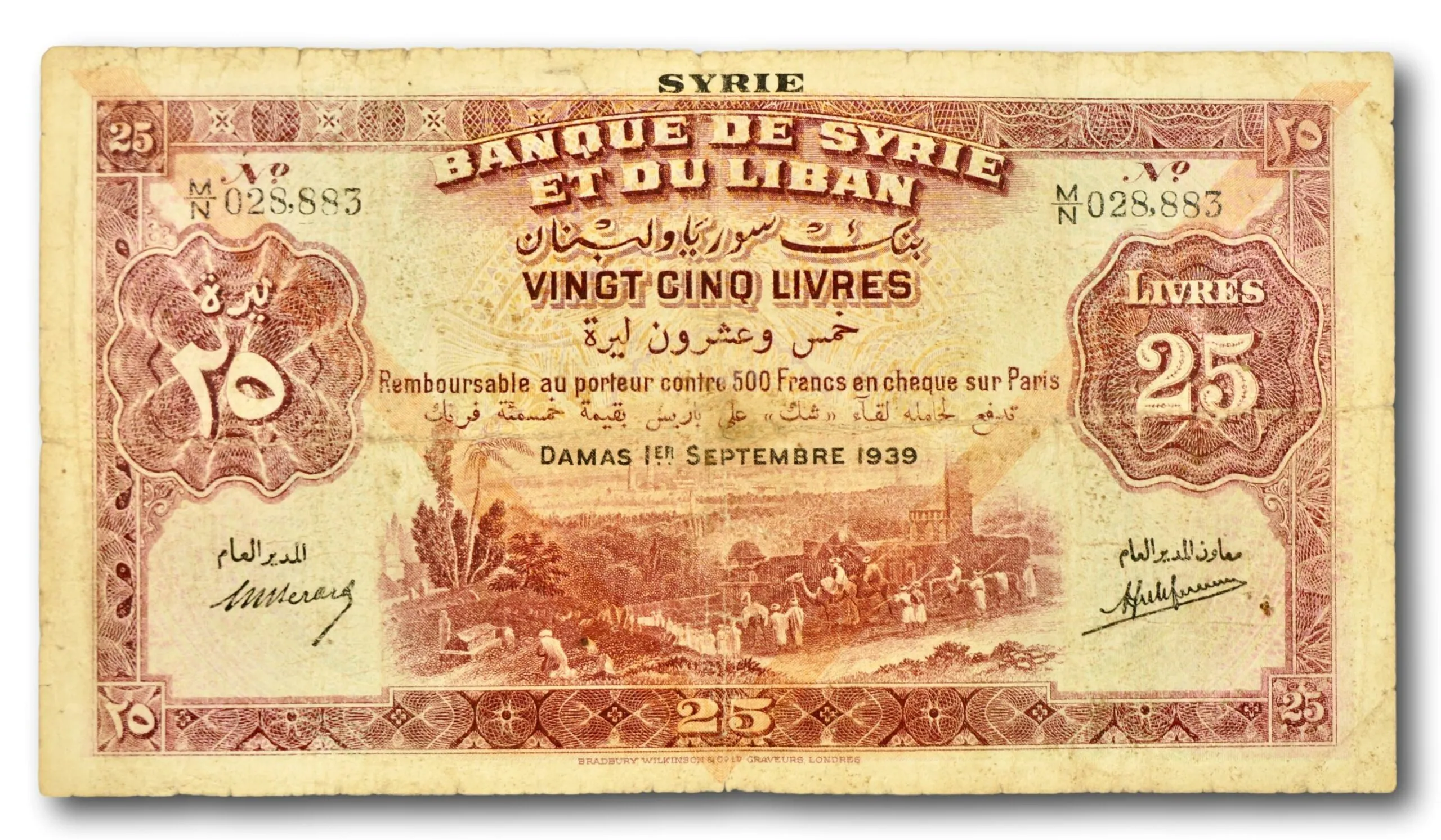
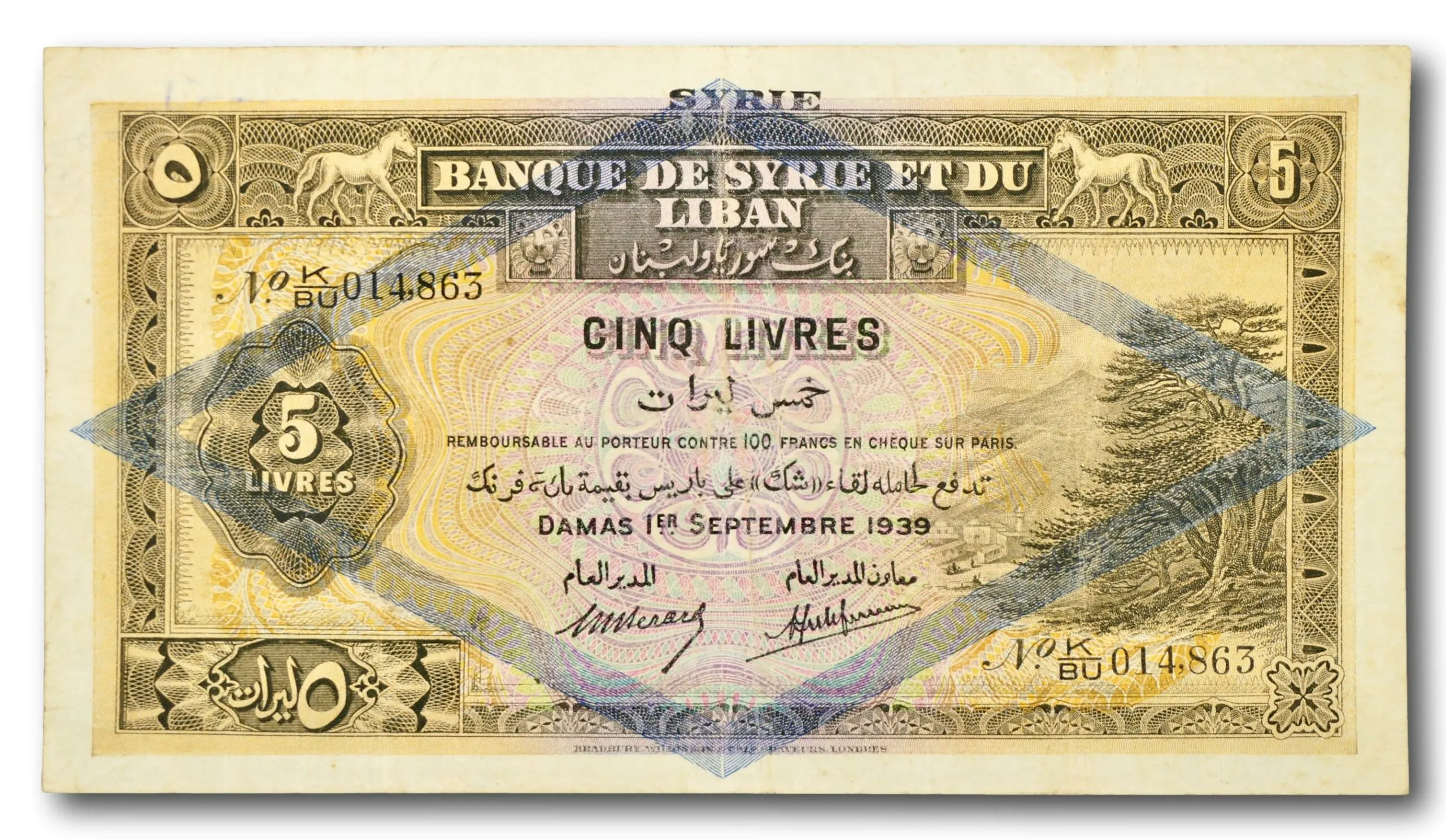
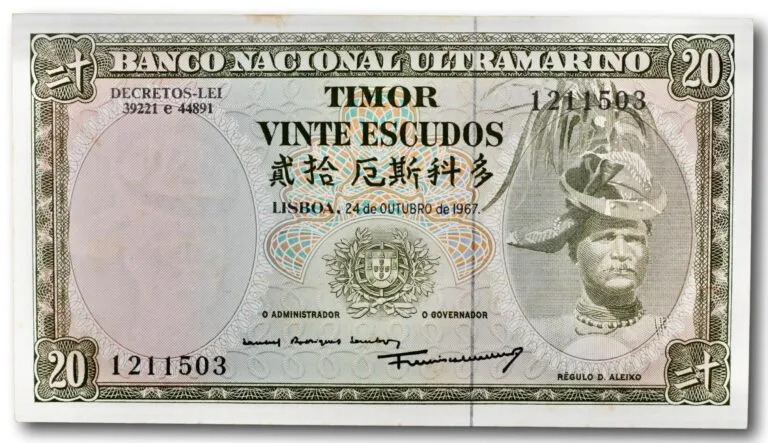
Several notes tell of colonial rule in Asia. The 1 dollar 1959 from Malaya and British Borneo was issued by a joint currency board for the British territories in the region. From Portuguese Timor there is a 20 escudos 1967, and from Syria under the French mandate there are 5 and 25 livres 1939. Hong Kong is represented by 5 dollars 1959 and 10 dollars 2002; Hong Kong is unusual in that commercial banks, not a central bank, issue most of its notes.
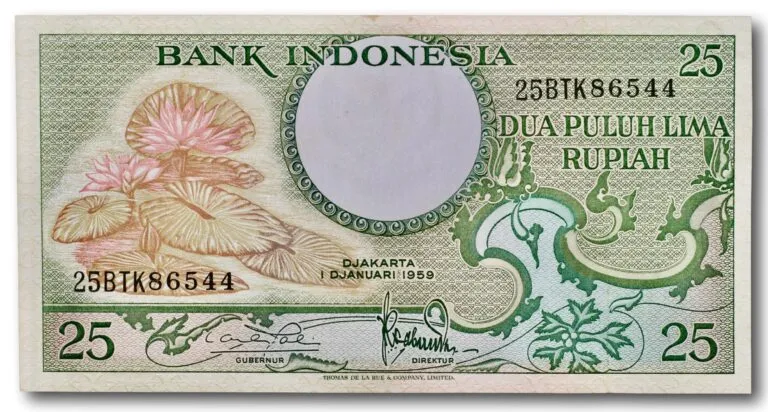
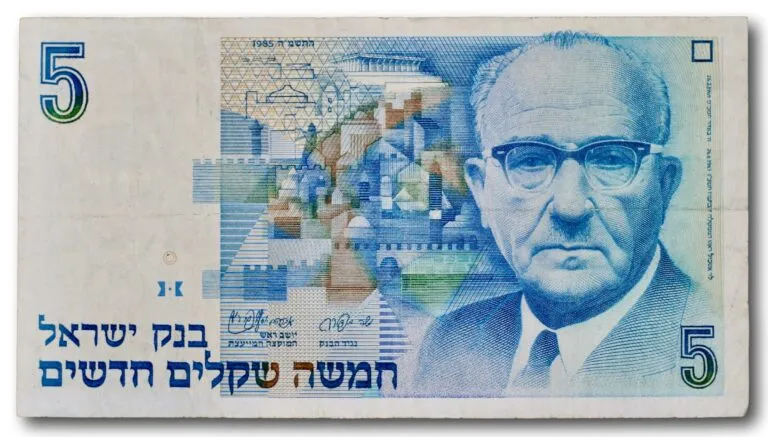
Other countries in the category are Indonesia (25 rupiah 1959) and Israel (5 new sheqalim 1985, from the year the new sheqel was introduced). There are also mixed collections of Asian and world banknotes, a good way to start a collection.
The grade describes how much a note has been used. Uncirculated (UNC) means no folds or handling; Extremely Fine (EF) has light traces of use; Very Fine (VF) has several folds but still firm paper. Stains, tears, pinholes, tape and writing lower the value. Many older Asian notes were printed on thin paper and circulated in humid climates, so crisp examples are scarce.
Collectors also look at serial numbers, signatures and replacement notes, which are marked differently from the ordinary series. Each note is described with its catalogue reference where relevant.
For coins from the same region, see coins from Asia, or browse all banknotes.
In Republican China several banks issued their own notes at the same time. The 1935 currency reform concentrated note issue in a few government banks, but notes from many issuers, with different signatures and printers, survive from the period.
An uncut sheet is a printed sheet of banknotes that was never cut into single notes. The 1953 fen sheets in this category show the notes exactly as they were printed.
Most Hong Kong notes are issued by authorised commercial banks rather than a central bank. That is why the same denomination can exist in several designs from different banks.
Yes. Every item is researched and described as accurately as possible, and Denarius guarantees that everything sold is genuine and as described.
Every item gets its own number when it is catalogued. The number is shown on the product page, so you always know exactly which example it is.
Yes. We ship worldwide. Shipping method and price are shown at checkout before you pay.
Read more
From Zhou-period knife money and bridge money to round cash coins with a square hole: the story of ancient Chinese coins and…
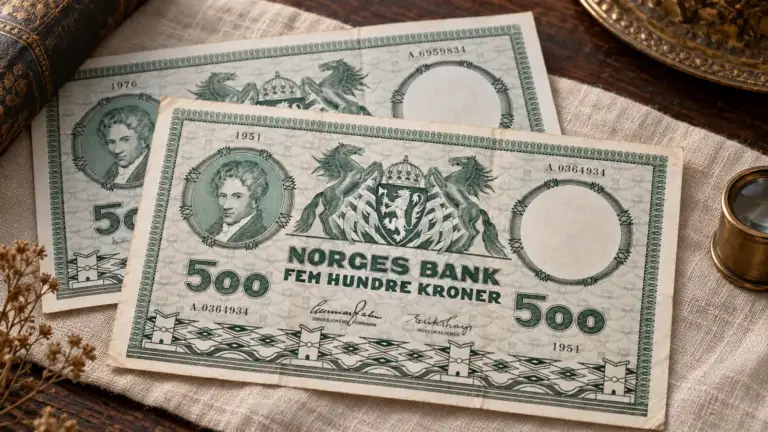
Which old Norwegian banknotes can still be exchanged at Norges Bank, and which only have collector value? The rules, the 500-krone note…
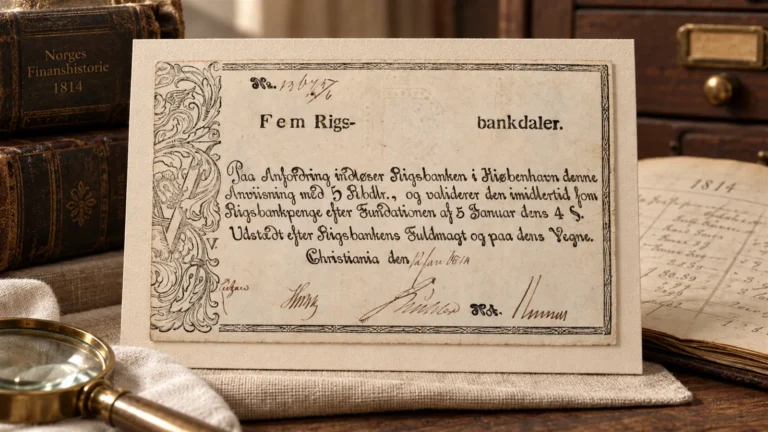
From thor Møhlen’s notes of 1695 to today’s sea-themed series: the history of Norwegian banknotes, the Norges Bank series, what collectors look…