Islamic coins: dinars and dirhams of the caliphates
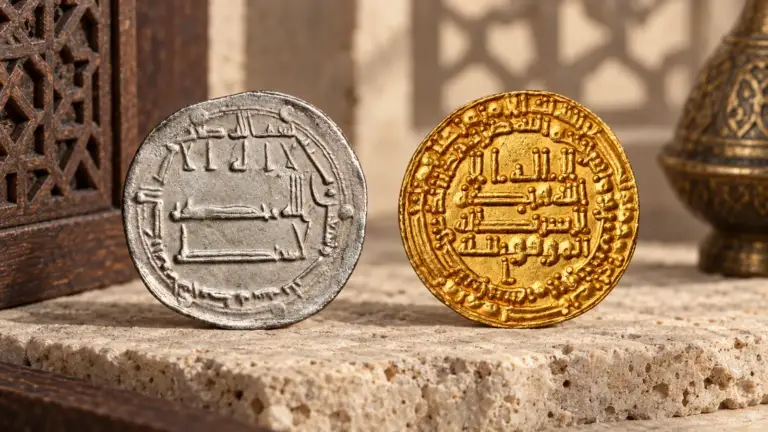
The gold dinar and silver dirham were created by Caliph Abd al-Malik in 696–699 and carry words instead of portraits. Here is…
Silver coins from the Islamic world: Abbasid dirhams including Harun al-Rashid, a Tabaristan hemidrachm, Fatimid, Almohad and Ilkhanid issues, and Ottoman, Egyptian and Afghan coins of the 1800s and 1900s. Each has its own protocol number and is guaranteed genuine.
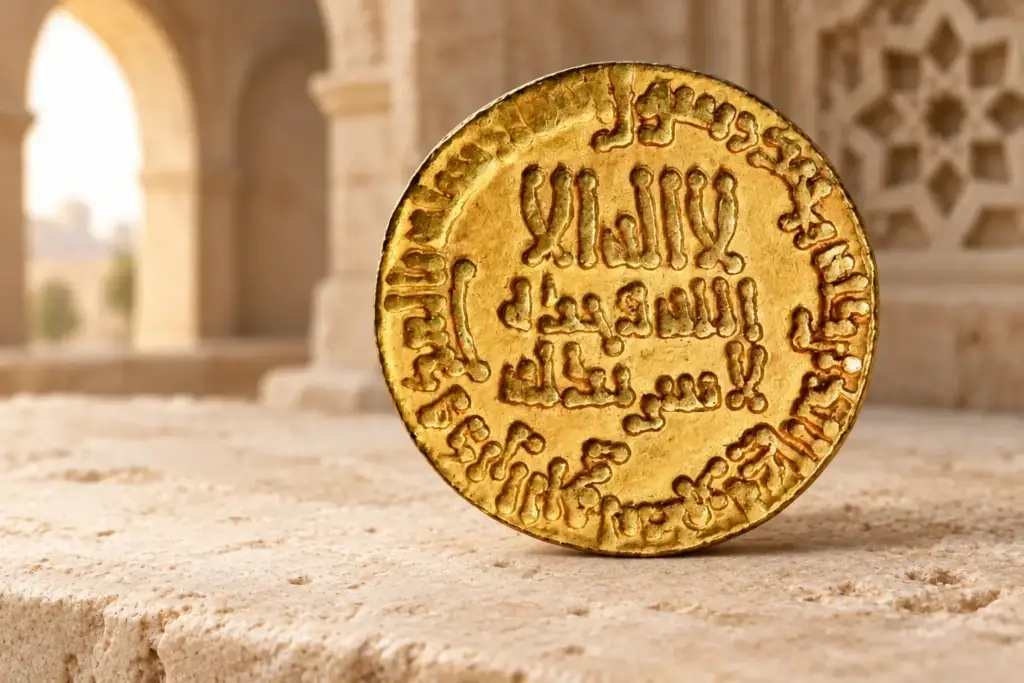
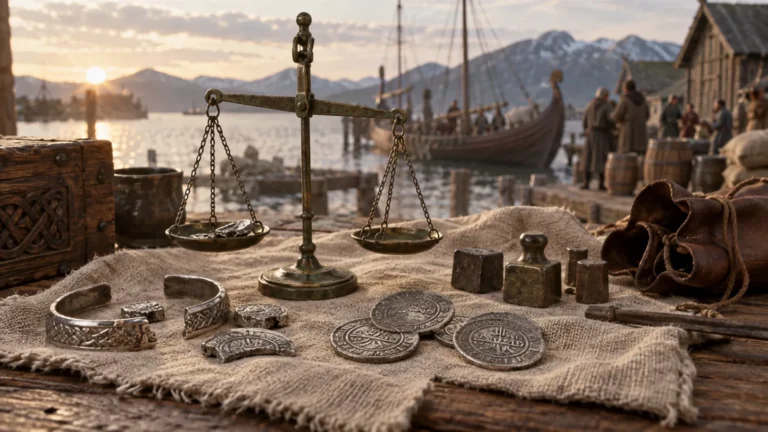
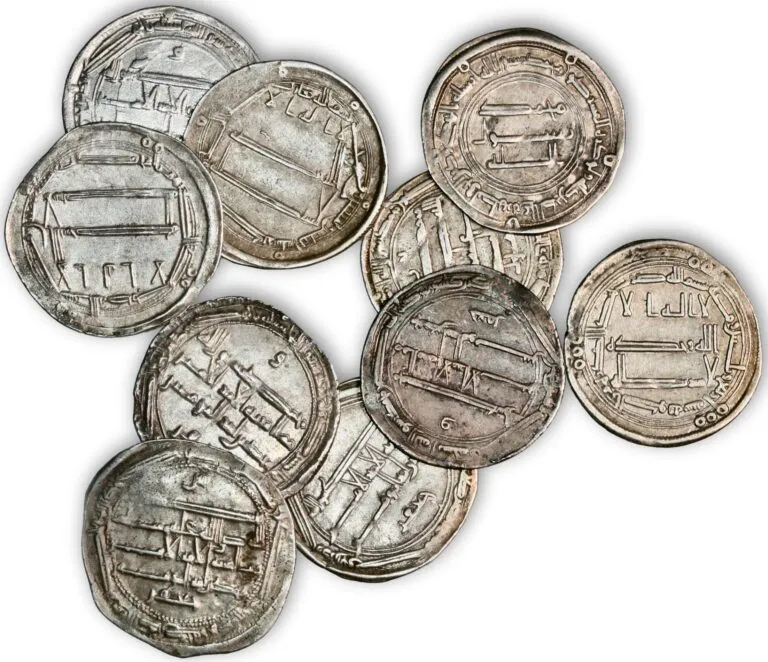
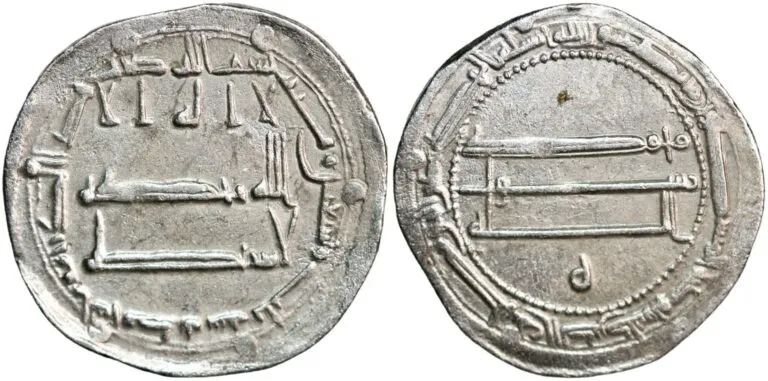
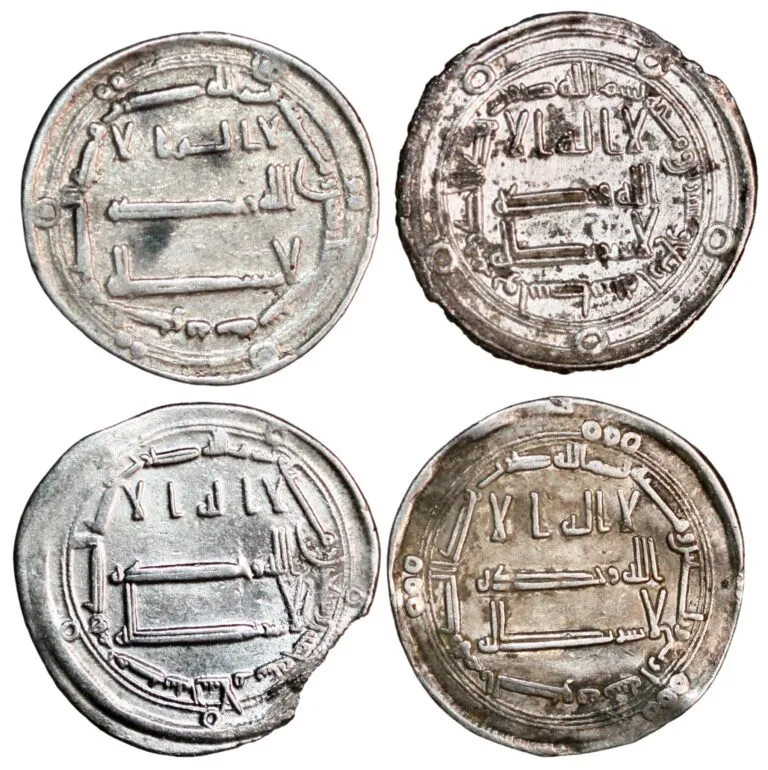
The word dirham goes back to the Greek drachm. From the end of the 7th century dirhams carried inscriptions only, and under the Abbasids, who took power in 750, they were struck in great numbers at mints from North Africa to Central Asia. Islamic dirhams travelled far beyond the caliphate: through Viking Age trade along the Russian rivers they reached Scandinavia, where they are a regular part of silver hoards, often cut into pieces and valued by weight.
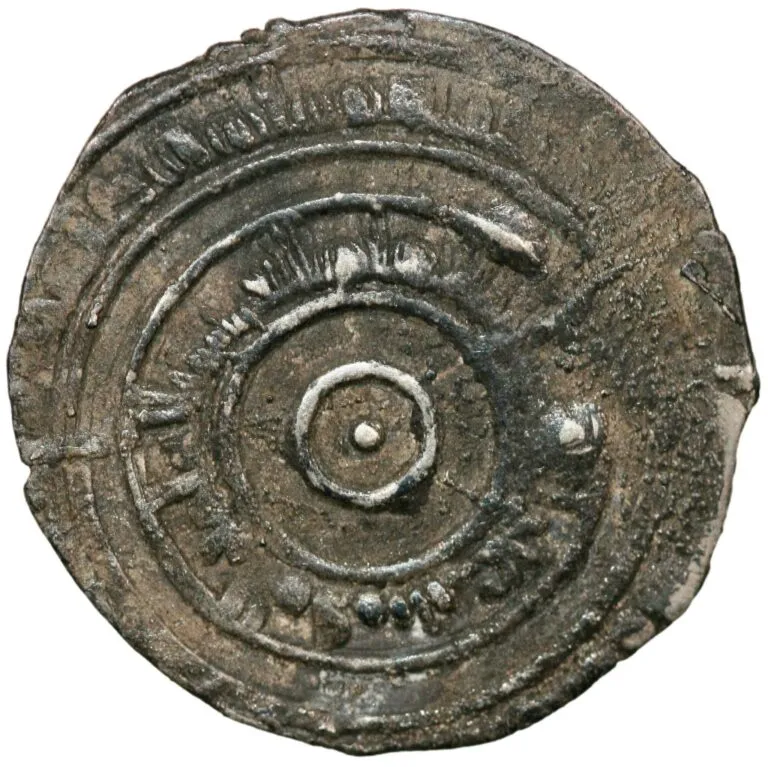
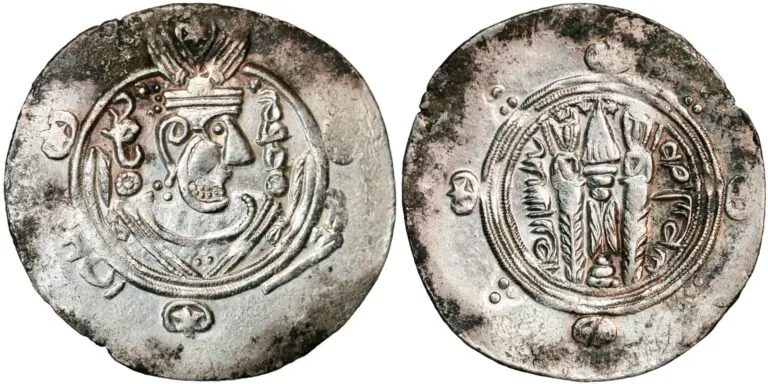
In this category you will find a dirham of Harun al-Rashid (786–809), the caliph of the Thousand and One Nights, as well as lots of 8th-century Abbasid dirhams. A hemidrachm from Tabaristan by the Caspian Sea is a special case: struck under Abbasid governors around 780–810, it keeps the older Persian design with a crowned bust, a fire altar and Pahlavi script.
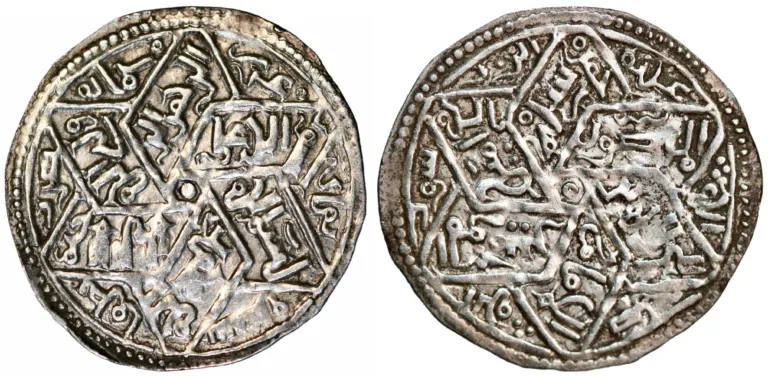
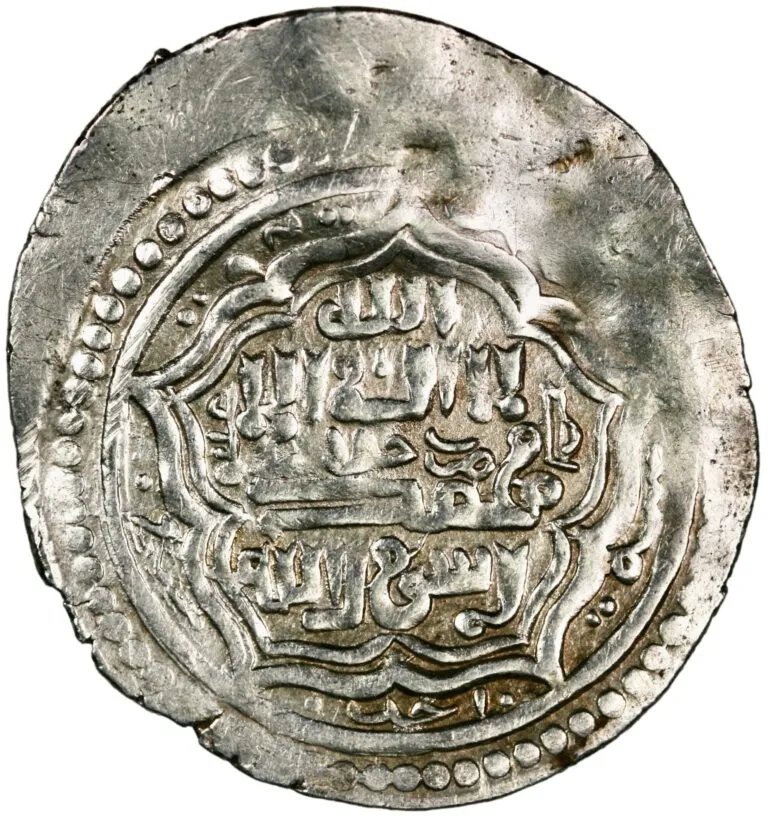
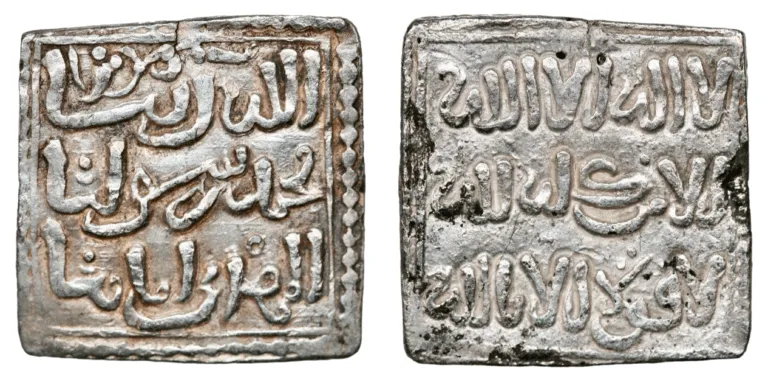
A half dirham of the Fatimid caliph al-‘Aziz (975–996) comes from the Shia caliphate based in Cairo. The Almohads, who ruled North Africa and Muslim Spain in the 12th and 13th centuries, struck anonymous dirhams, known for their square shape. From Yemen comes a dirham of the Zaydi imams dated 1230/1, struck in the name of the imam al-Mansur ‘Abd Allah after his death, and from the Mongol Ilkhanate in Iran a double dirham of Ghazan Mahmud, the khan who converted to Islam.
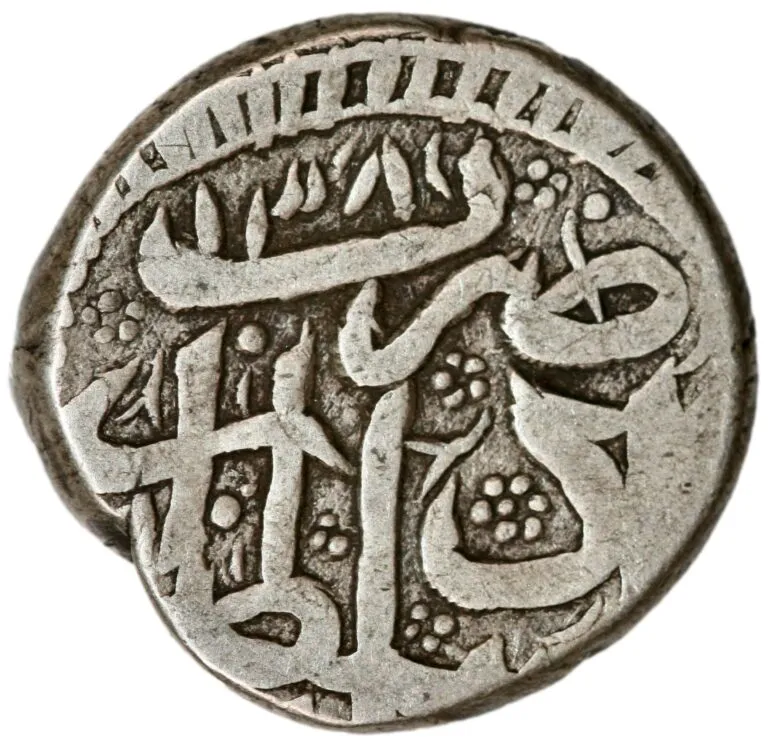
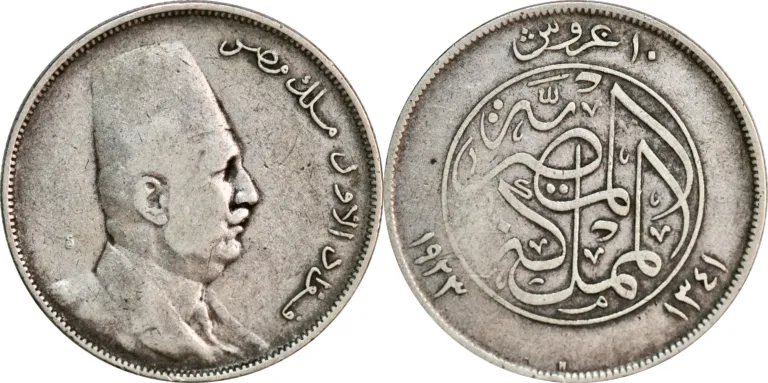
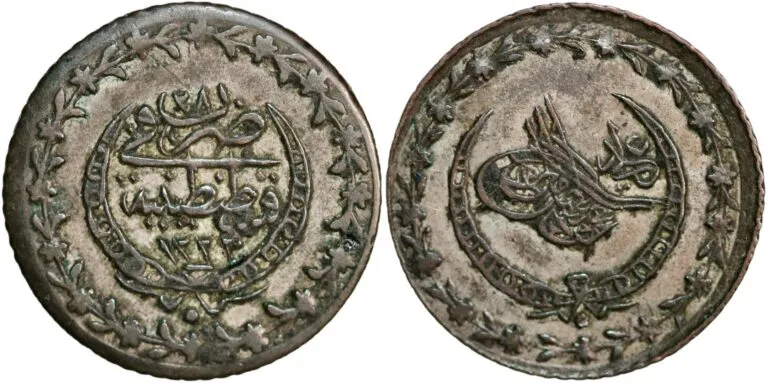
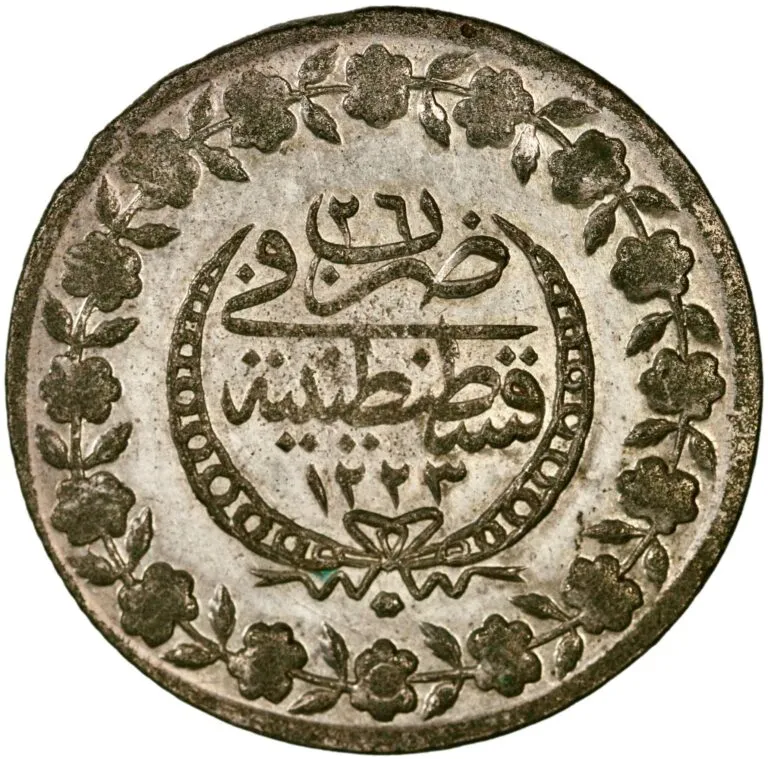
Two coins of the Ottoman sultan Mahmud II (1808–1839), a 5 kurush of 1833 and a 20 para of 1836, show how Ottoman coins are dated: with the sultan’s accession year (AH 1223) and a regnal year. Forty para made one kurush. The category also has a silver 10 piastres from the Kingdom of Egypt under Fuad I (1923) and a rupee of Amir Sher Ali of Afghanistan (1865).
On Islamic silver the information lies in the inscriptions, so a legible mint and date matter most. Many dirhams are weakly struck at the edges or slightly clipped, and the weight is stated for each coin. Lots of several Abbasid dirhams are an affordable way to start. Gold from the same world is found under gold coins, and an overview of the dynasties under The Middle East.
In the Viking Age, large quantities of Islamic silver reached Scandinavia through trade along the Russian rivers. Silver was valued by weight, so dirhams were often cut into pieces, and they are a regular part of Viking Age silver hoards.
It is a light silver coin from Tabaristan by the Caspian Sea, struck under Abbasid governors in the late 8th and early 9th centuries. Unlike ordinary dirhams it keeps the older Persian design, with a bust, a fire altar and Pahlavi script, and often names the governor.
They usually show the sultan's accession year in the Hijri calendar together with a regnal year. For Mahmud II the accession year is AH 1223, so the actual year of striking is found by adding the regnal year.
Yes. Every item is researched and described as accurately as possible, and Denarius guarantees that everything sold is genuine and as described.
Every item gets its own number when it is catalogued. The number is shown on the product page, so you always know exactly which example it is.
Yes. We ship worldwide. Shipping method and price are shown at checkout before you pay.
Read more
The gold dinar and silver dirham were created by Caliph Abd al-Malik in 696–699 and carry words instead of portraits. Here is…
The Vikings paid in silver by weight, often cut into pieces. This guide explains which Viking age coins exist, from dirhams to…
Thinking of buying gold coins as a collector? Here is how collectible gold coins differ from bullion, what drives their value, and…