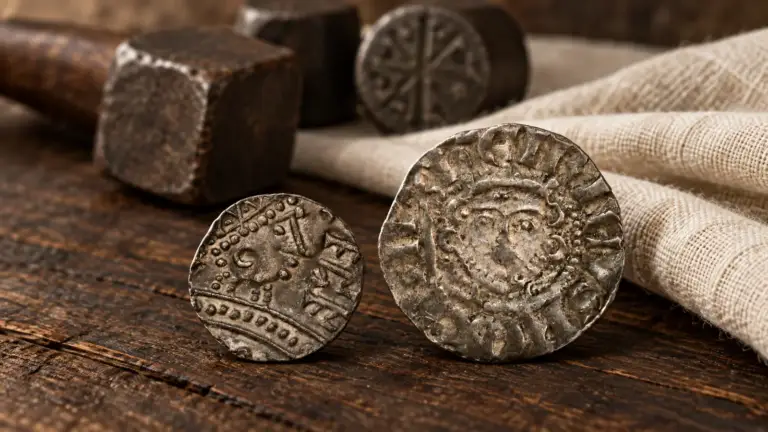
Medieval coins: hammered pennies, groats and gold
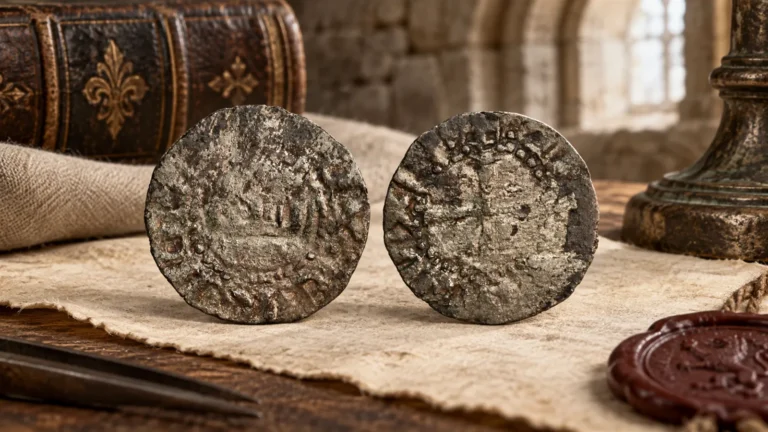
From the silver penny to the groat and the great gold coins: a collector's guide to medieval coins, how they were made…
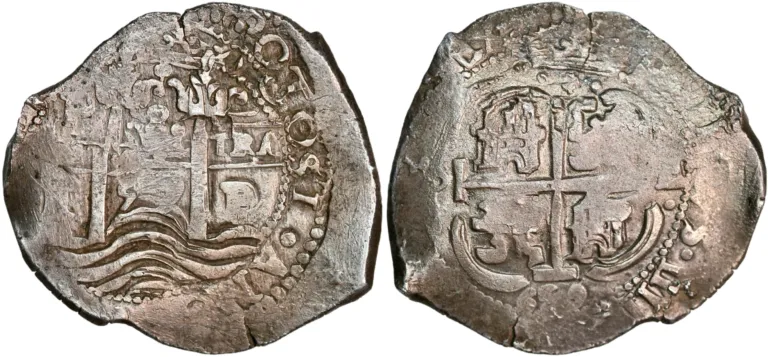
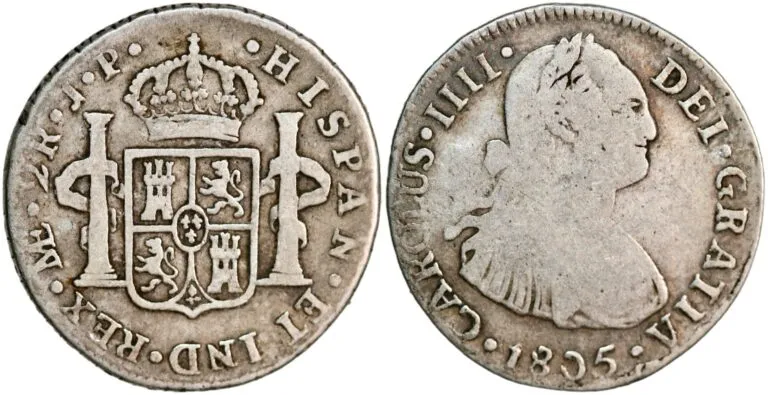
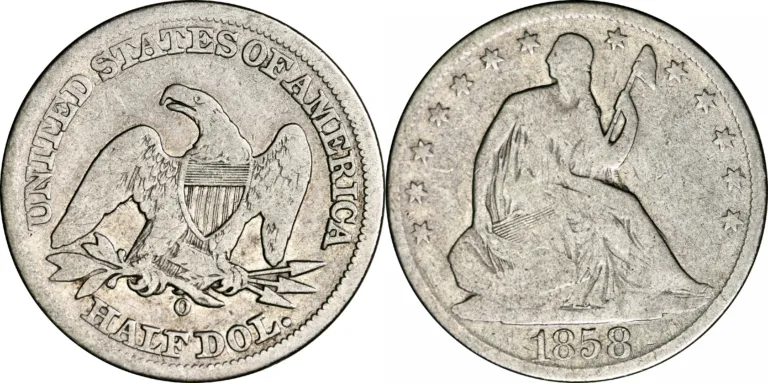
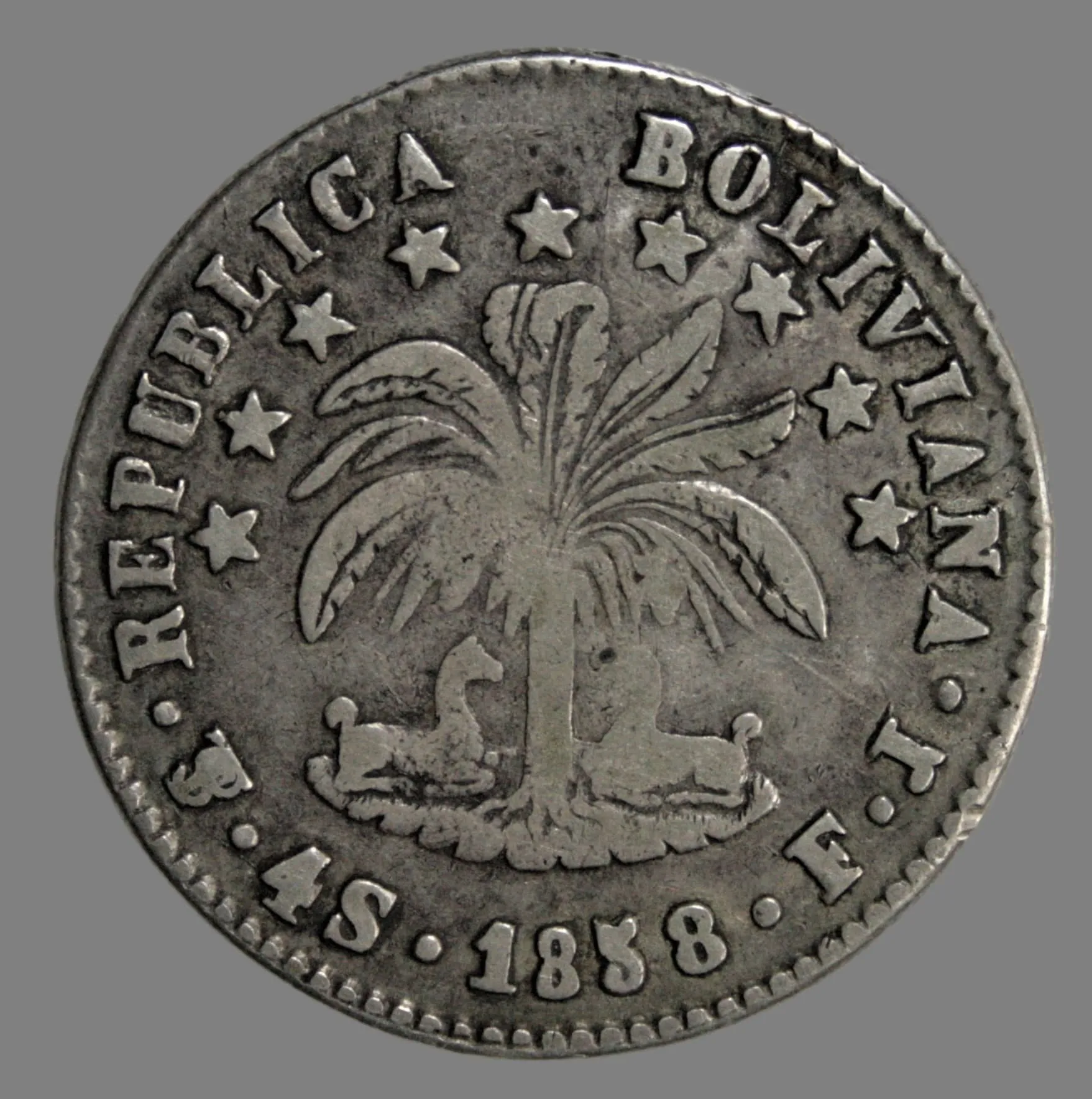
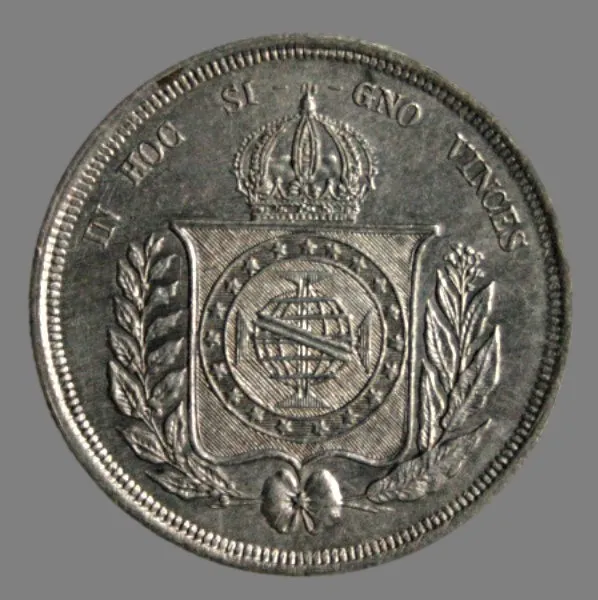
Coins from America: a Potosí 8 reales cob from 1659, Spanish colonial silver from Lima, Bolivia, a Brazilian 500 réis under Pedro II and a US Seated Liberty half dollar. Every coin is examined, photographed, described with its own protocol number and guaranteed genuine.
For three centuries, the silver of the Americas flowed into the world economy through Spanish colonial mints. The oldest coin in this category is an 8 reales 1659 from Potosí in present-day Bolivia, the great silver mountain of the Spanish empire. Coins like this are known as cobs: they were hand-struck on irregular pieces of silver cut from a bar, so no two look alike. After a scandal over debased coins at Potosí in the late 1640s, the mint introduced in 1652 a new design with the Pillars of Hercules above the waves of the sea. The 8 reales, the famous piece of eight, became a trade coin used far beyond the Spanish world.
By the late 1700s, colonial coins were struck by machine and had a round, regular shape. The 2 reales 1805 from Lima in Peru carries the portrait of the Spanish king Charles IV, from the last decades before the colonies won their independence.
After independence, the new states struck their own coins. The category has a 4 soles 1858 from the Republic of Bolivia and a 500 réis 1861 from the Empire of Brazil under Emperor Pedro II. From the United States there is a half dollar 1858 of the Seated Liberty type, the design used on American silver coins for much of the nineteenth century.
For cobs, collectors look for a clear date, a visible mint mark and assayer’s initial, and as much of the design as possible on the often irregular flan. For later machine-struck coins, wear on the high points of the portrait or figure, the sharpness of the strike and an original, uncleaned surface are decisive. Each coin is described with its condition and catalogue reference.
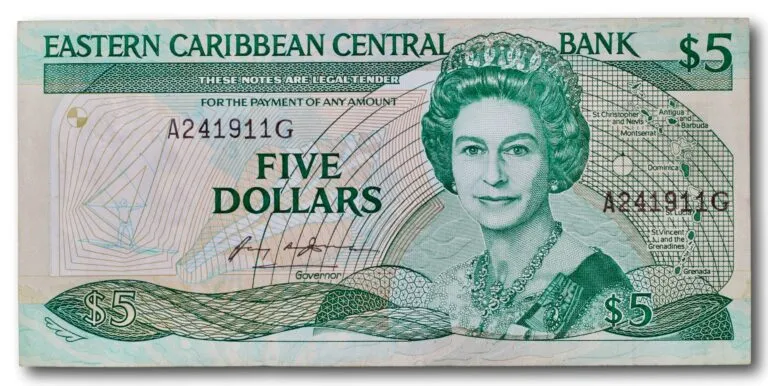
For paper money from the same part of the world, see American banknotes, or browse gold coins from around the world.
A cob is a hand-struck Spanish colonial coin made from an irregular piece of silver cut from a bar. Cobs vary in shape and often show only part of the design, so each one is unique.
The piece of eight is the Spanish silver 8 reales. Struck in large numbers at American mints such as Potosí and Mexico, it became one of the most widely used trade coins in the world.
The category currently has coins from Bolivia, Peru, Brazil and the United States, from 1659 to the 1860s.
Yes. Every item is researched and described as accurately as possible, and Denarius guarantees that everything sold is genuine and as described.
Every item gets its own number when it is catalogued. The number is shown on the product page, so you always know exactly which example it is.
Yes. We ship worldwide. Shipping method and price are shown at checkout before you pay.
Read more
From the silver penny to the groat and the great gold coins: a collector's guide to medieval coins, how they were made…
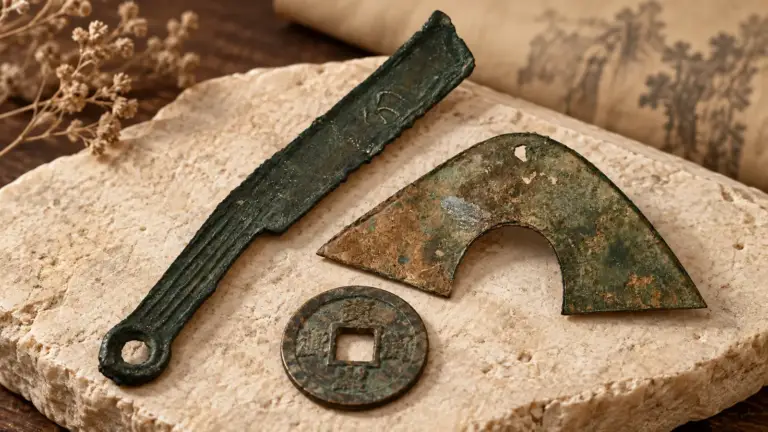
From Zhou-period knife money and bridge money to round cash coins with a square hole: the story of ancient Chinese coins and…
A bracteate is a paper-thin silver coin struck on one side only, and for much of the Middle Ages it was Norway's…