Alexander the Great coins: a collector’s guide
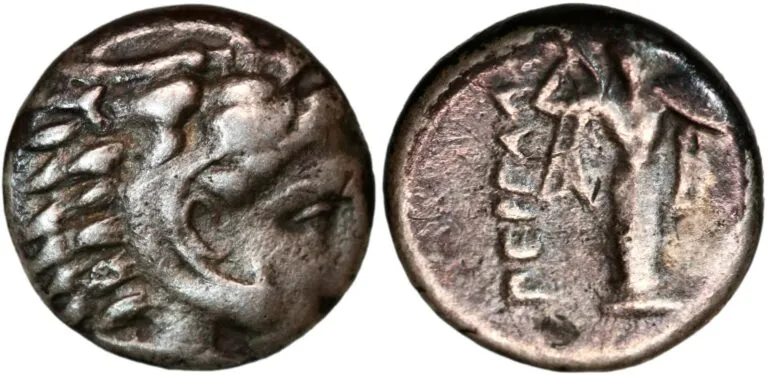
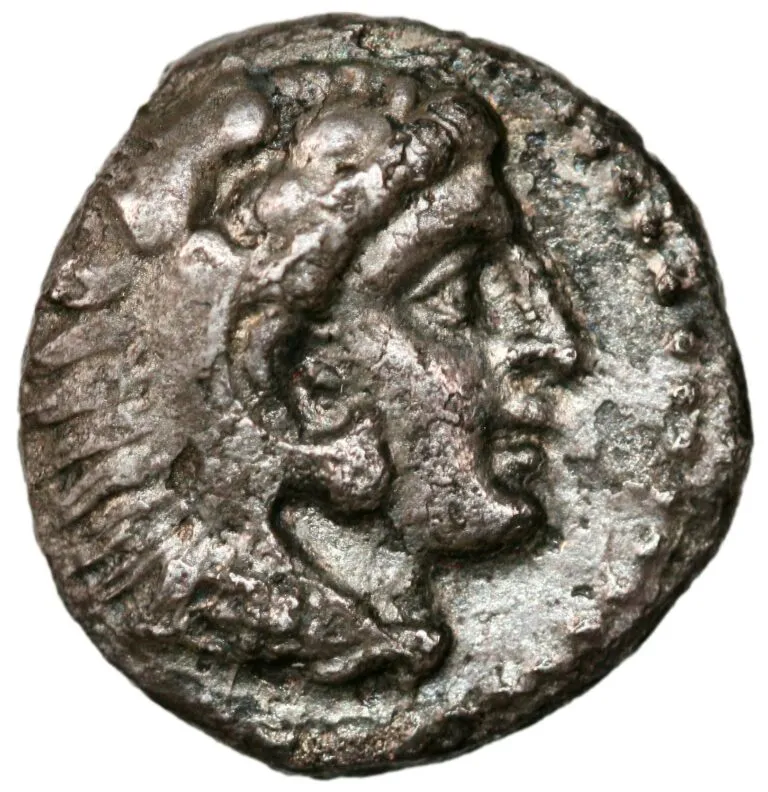
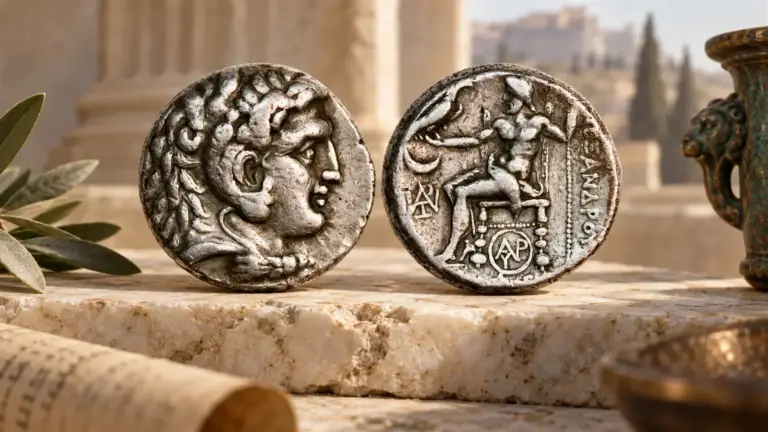
Herakles in a lion skin, Zeus on his throne: how to understand, date and value an Alexander the Great coin, from tetradrachm…
Greek coins for sale from the city states, Persia and the Hellenistic kingdoms: electrum, staters, tetradrachms, drachms and obols, each fully described.
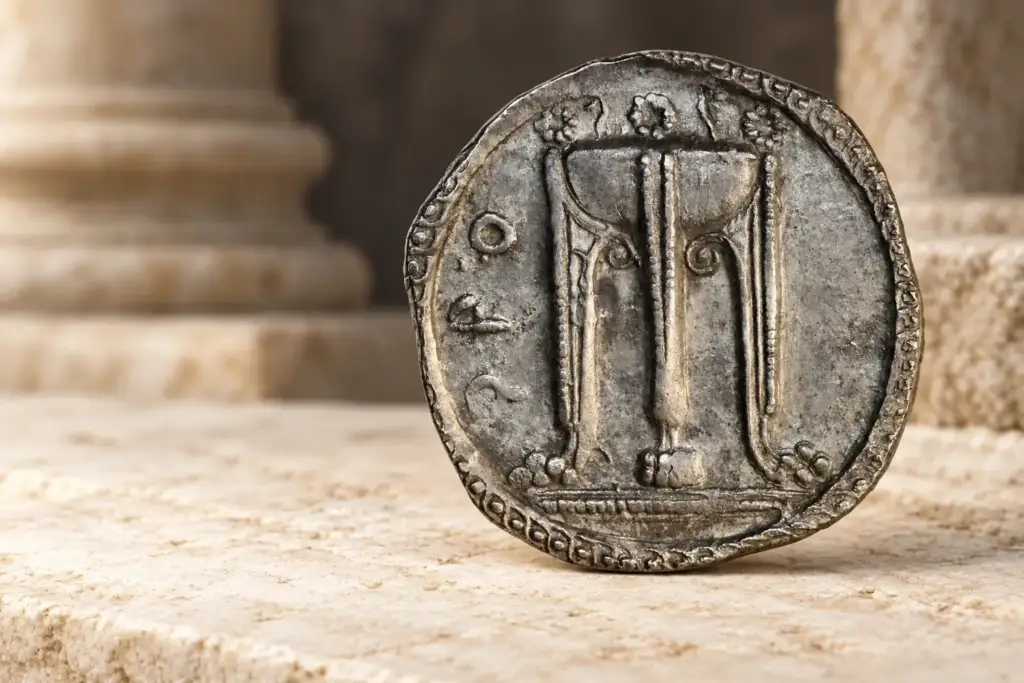
This category gathers Greek coins for sale from about 600 BC to the Roman period: early electrum from Ionia, silver from the city states of Greece, Asia Minor and southern Italy, Persian sigloi, and coins of Alexander the Great and the kingdoms that followed him. Each coin is described with mint, date, weight and catalogue reference where available.
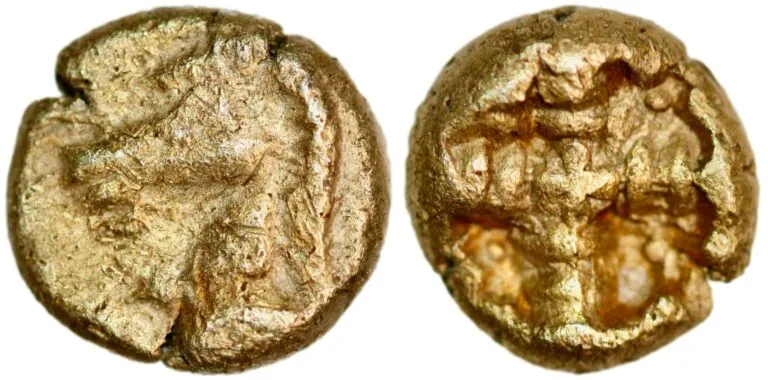
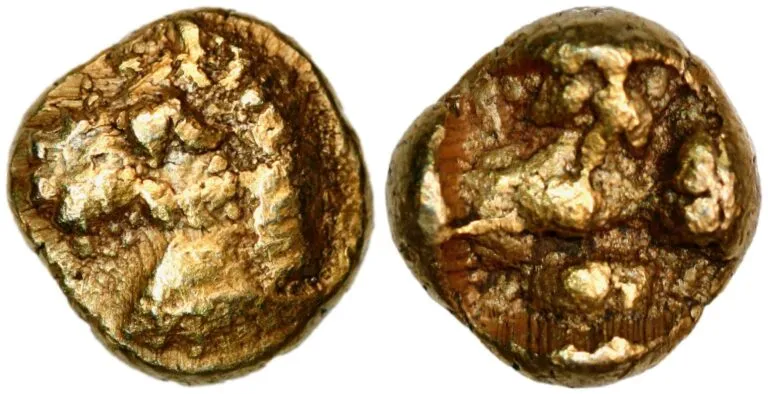
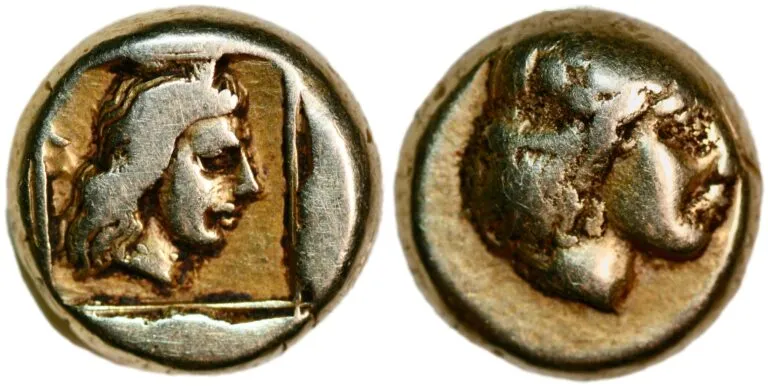
The earliest coins were made of electrum, a natural alloy of gold and silver, in Lydia and the Greek cities of Ionia in western Asia Minor. Coins found at the Temple of Artemis at Ephesus are dated to around 640 BC. In the mid-6th century BC King Croesus of Lydia replaced electrum with separate coins of gold and silver. Small electrum coins such as the hekte, a sixth of a stater, and its fractions are among the oldest coins a collector can own.
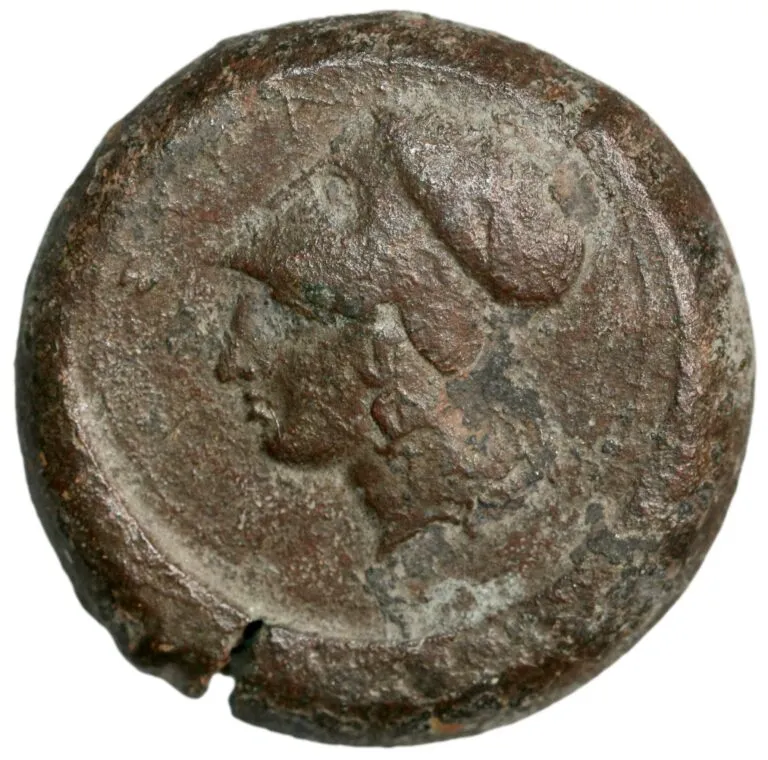
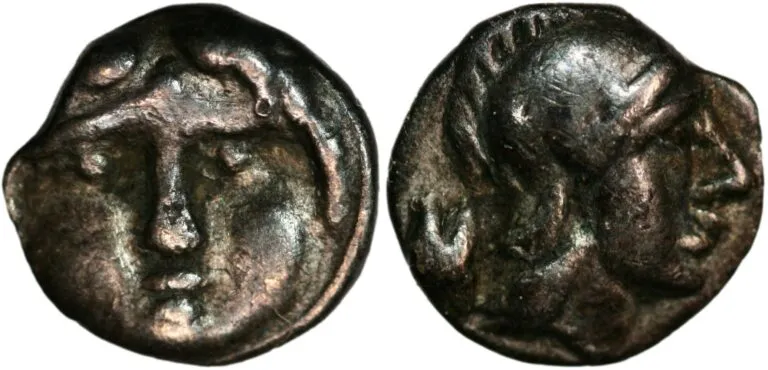
Every city struck its own coins with its own emblem, which worked almost like a trademark. The island of Aegina had its turtle. Athens used the head of Athena and her owl, and the Athenian owl tetradrachm became the leading trade coin of the Classical period.
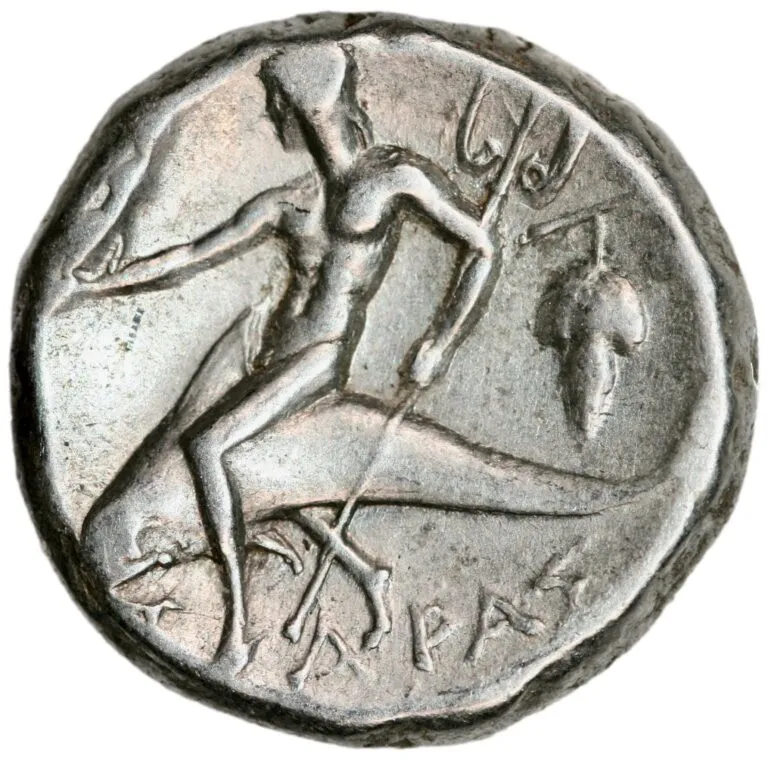
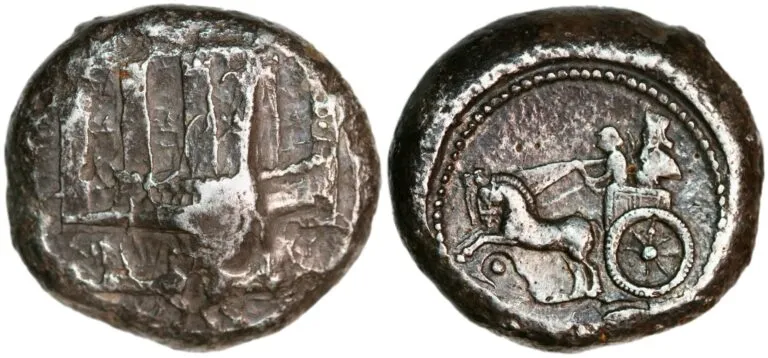
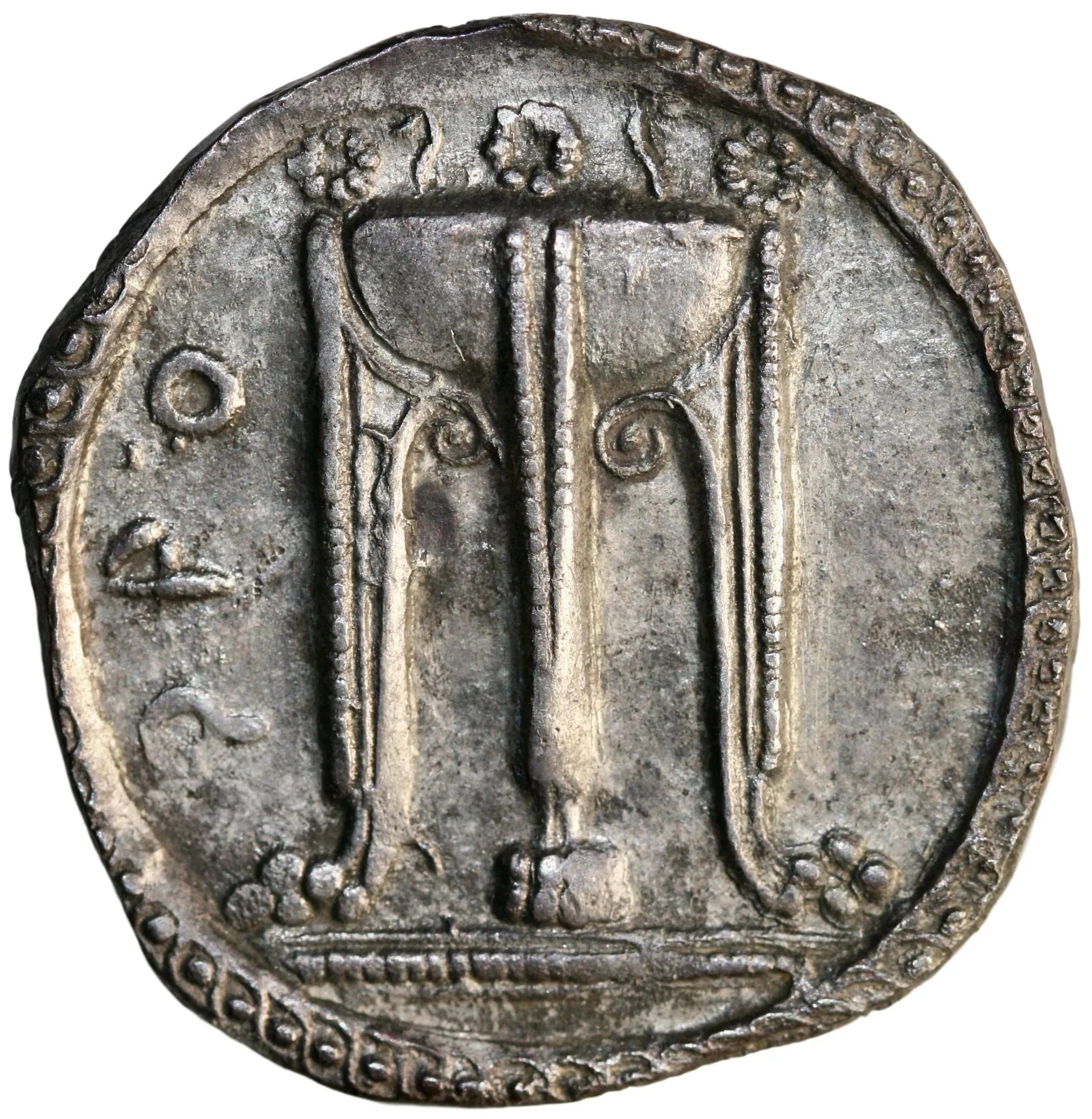
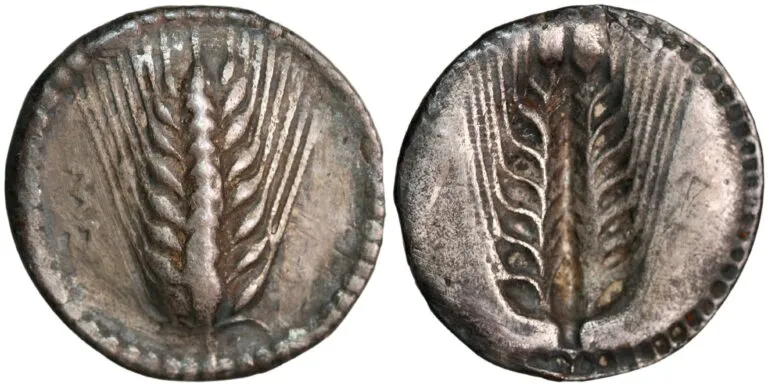
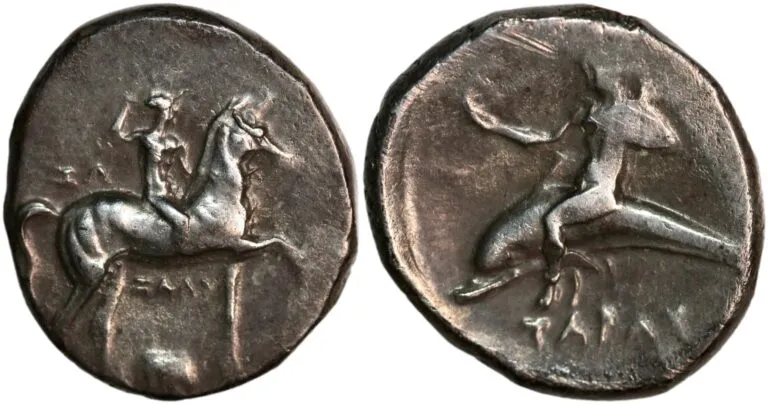
In southern Italy, cities such as Kroton, Metapontion and Sybaris struck incuse coins from around 550 BC: the same design appears raised on one side and sunk on the other. Kroton used a tripod, as on this nomos from Kroton, and Metapontion an ear of barley. Tarentum is known for its horseman and for Taras riding a dolphin.
The Persian kings had their own silver coin, the siglos, introduced in the late 6th century BC. It shows the king as an archer, and twenty sigloi made one gold daric.
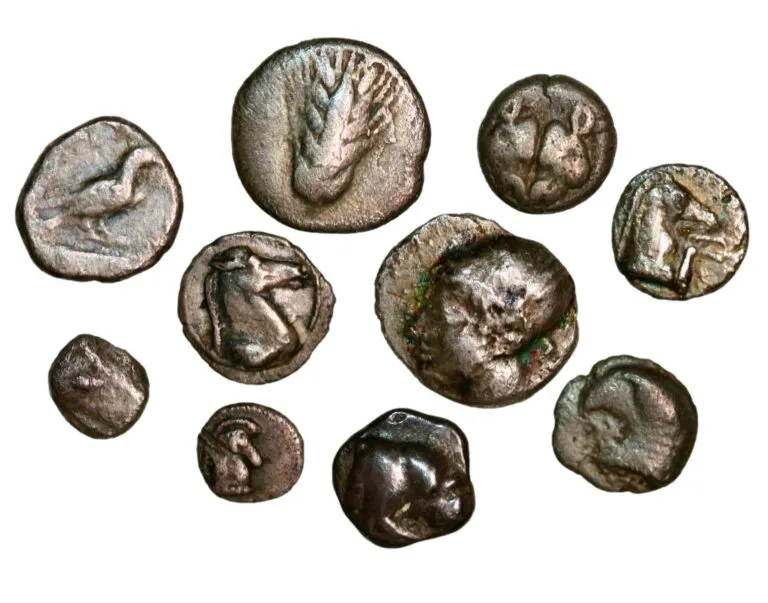
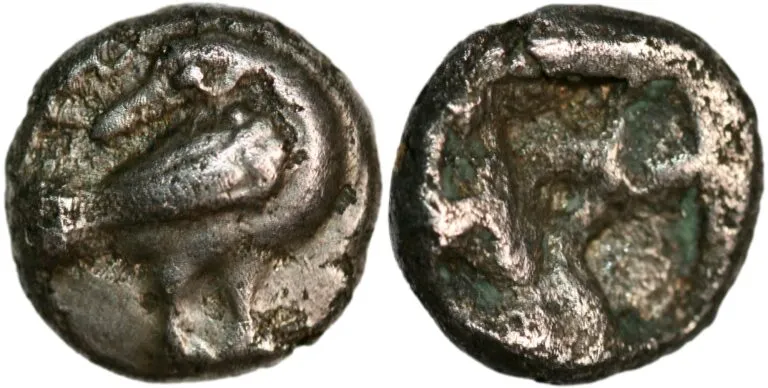
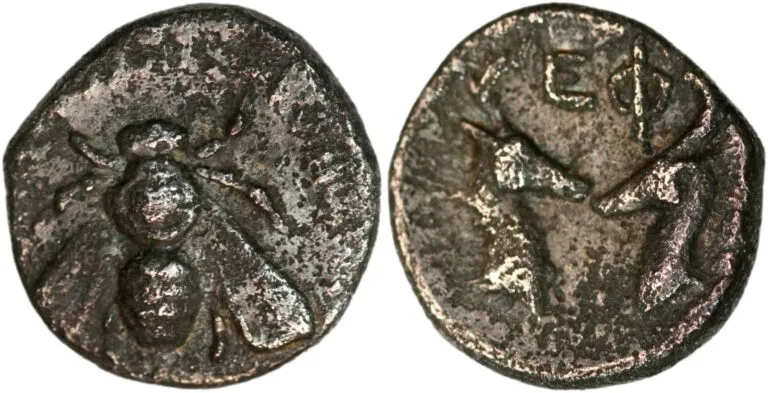
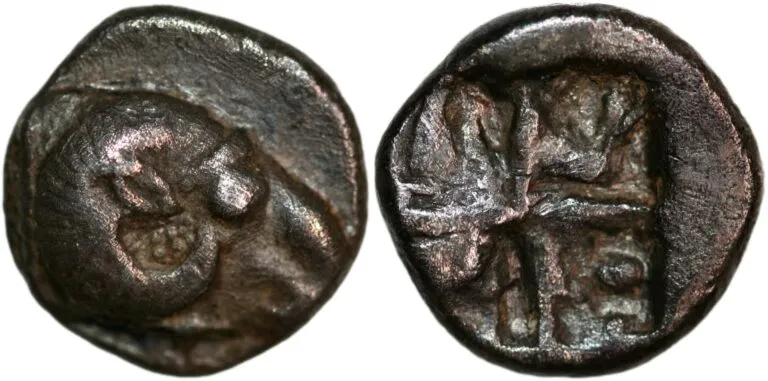
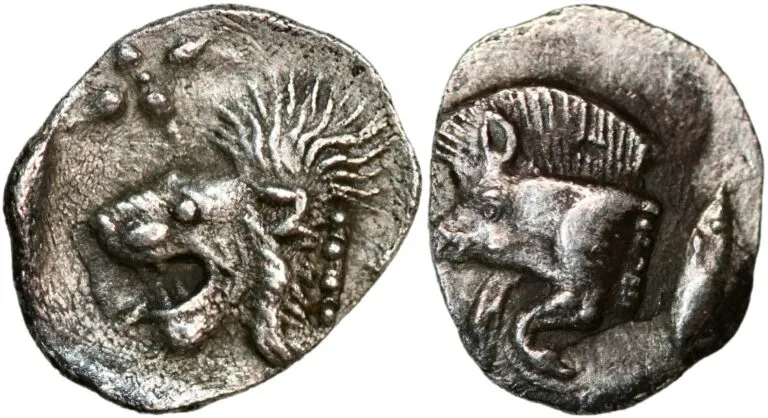
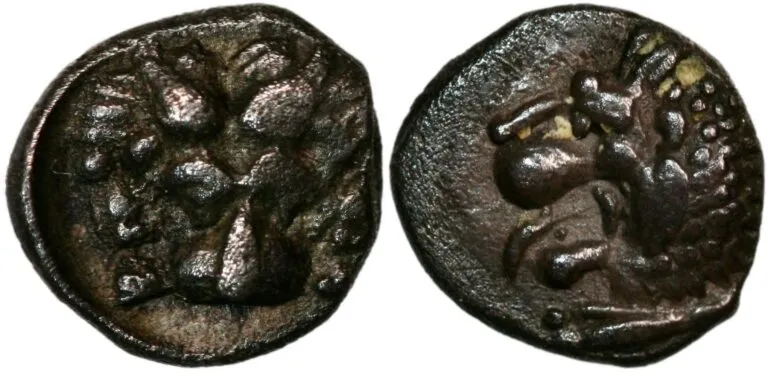
On the Attic standard a drachm weighed about 4.3 grams of silver and was divided into six obols. The tetradrachm was worth four drachms, while the diobol, the trihemiobol (1½ obols) and the hemiobol were small change. The smallest, such as the tetartemorion, a quarter obol, weigh only a fraction of a gram. These little coins are often affordable, and they show how far coinage reached into daily life.
Read more in our guide to Alexander the Great coins and in Animals on coins, about the owl, the turtle and other emblems. Roman coins follow in Roman coins, and the whole period is gathered under Greek & Roman.
A tetradrachm is a Greek silver coin worth four drachms. On the Attic standard it weighed about 17 grams. The Athenian owls and the tetradrachms of Alexander the Great are the best-known examples.
An obol was a sixth of a drachm and the everyday small change of the Greek world. There were also multiples and fractions, such as the diobol (two obols), the hemiobol (half an obol) and the tetartemorion (a quarter obol).
Electrum is a natural alloy of gold and silver. The first coins, struck in Lydia and Ionia in the 7th century BC, were made of it. Electrum coins are among the oldest coins in existence.
Yes. Every item is researched and described as accurately as possible, and Denarius guarantees that everything sold is genuine and as described.
Every item gets its own number when it is catalogued. The number is shown on the product page, so you always know exactly which example it is.
Yes. We ship worldwide. Shipping method and price are shown at checkout before you pay.
Read more
Herakles in a lion skin, Zeus on his throne: how to understand, date and value an Alexander the Great coin, from tetradrachm…
Animals on coins are as old as coinage itself. Since the first coins were struck around 600 BC, an enormous number of…
As, sestertius, denarius, antoninianus, nummus, maiorina and solidus: the names of Roman coins, what they were worth and which emperors introduced them.