Ancient Chinese coins: knife money, bridge money and cash coins
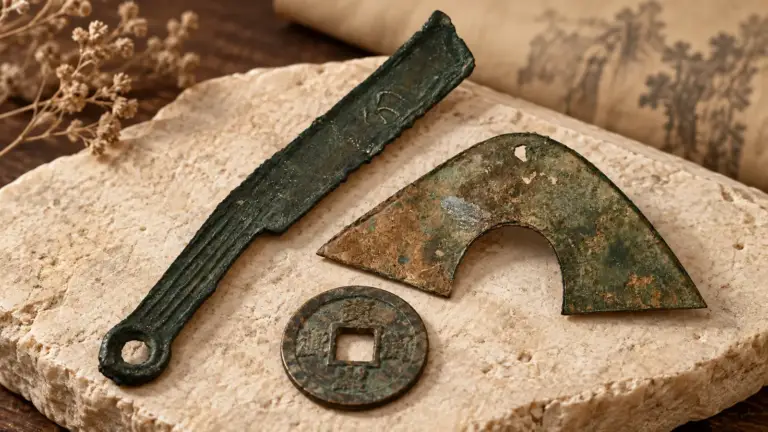
From Zhou-period knife money and bridge money to round cash coins with a square hole: the story of ancient Chinese coins and…
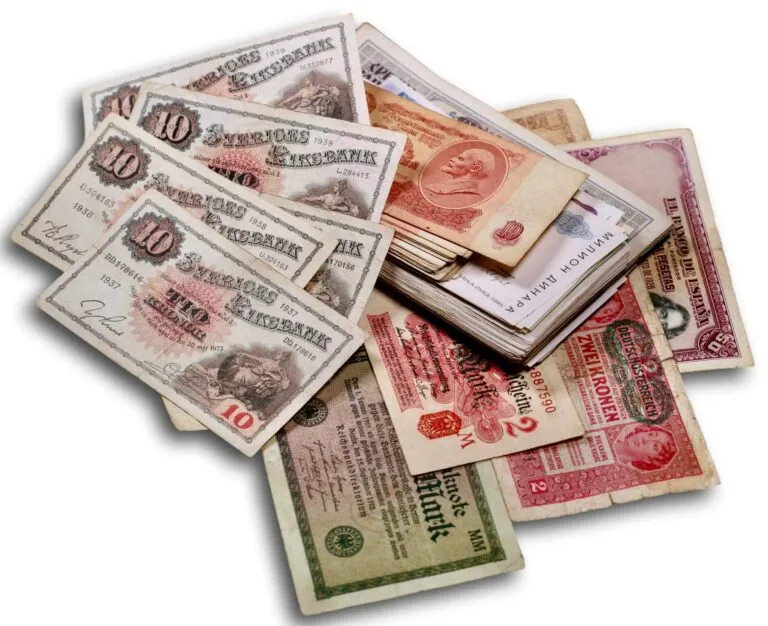
European banknotes, with British notes from the 1945 white fiver to Scottish, Channel Islands and armed forces issues, plus Nordic, German, Dutch and French notes. Every note is examined, photographed, described with its own protocol number and guaranteed genuine.
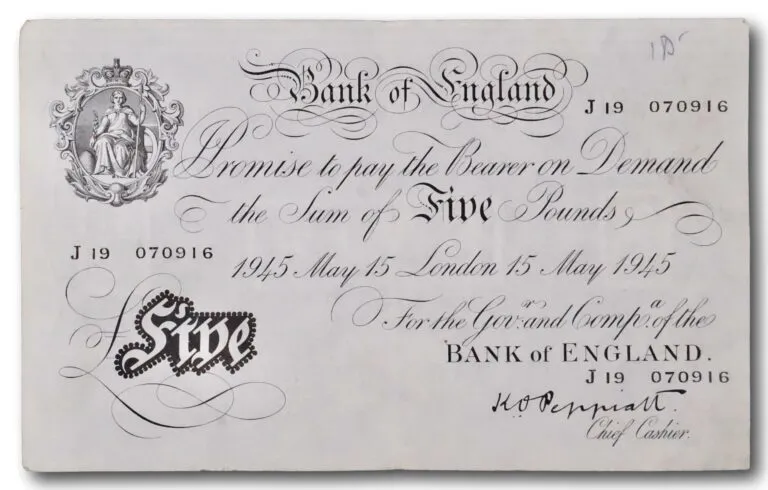
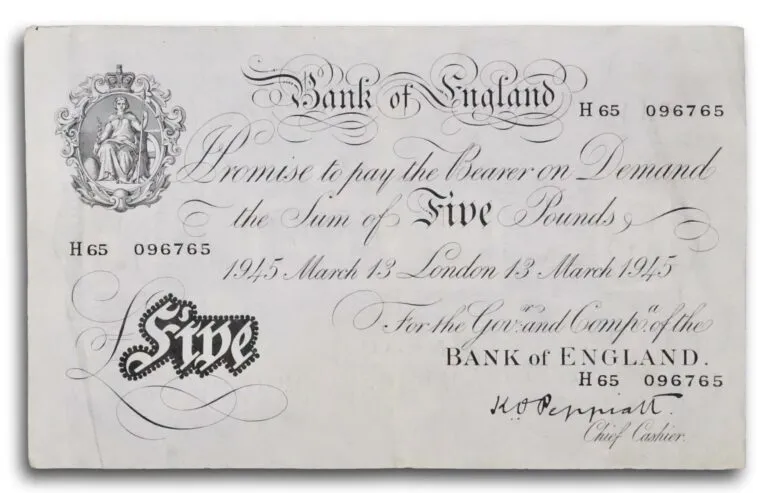
Britain and the British Isles make up the largest group among the European banknotes. The highlight is the large black-and-white Bank of England 5 pounds from 1945, the so-called white fiver, printed on one side only and signed by the Chief Cashier. The category follows the Bank of England through the 10 shillings of the 1930s and 1960s, pound notes from 1948 to 1977 and 5 and 10 pound notes from the 1970s to the 2016 polymer note.
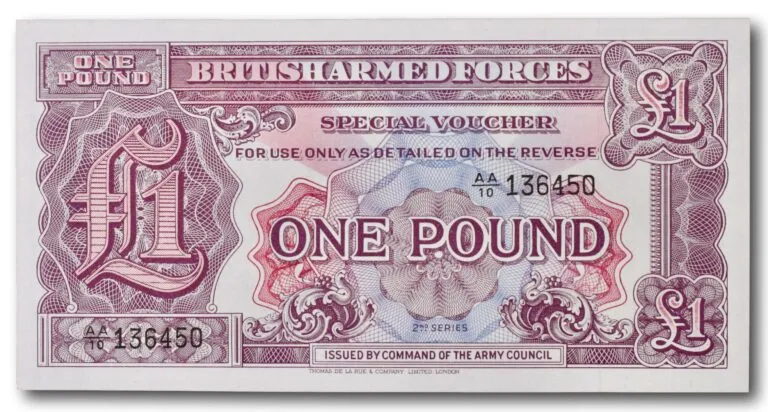
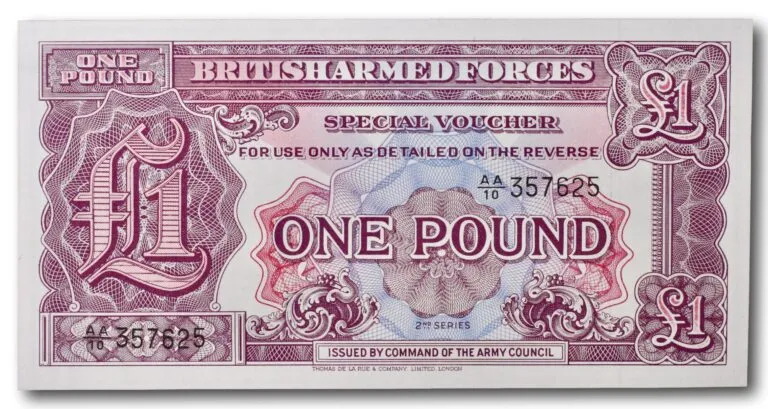
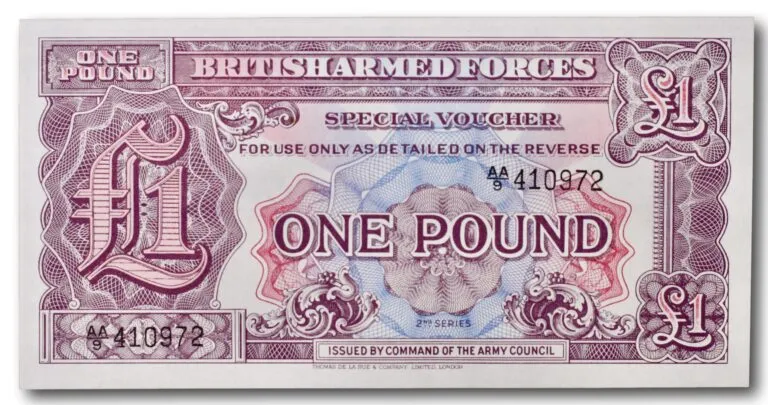
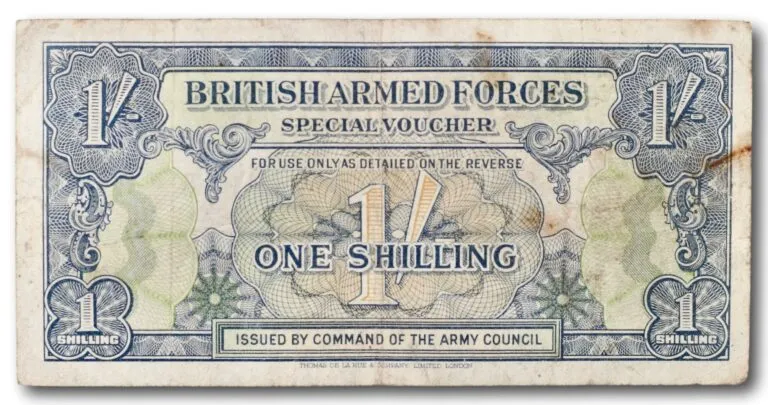
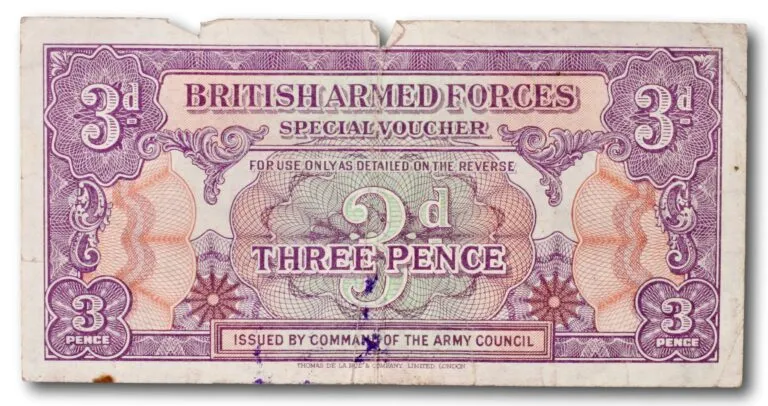
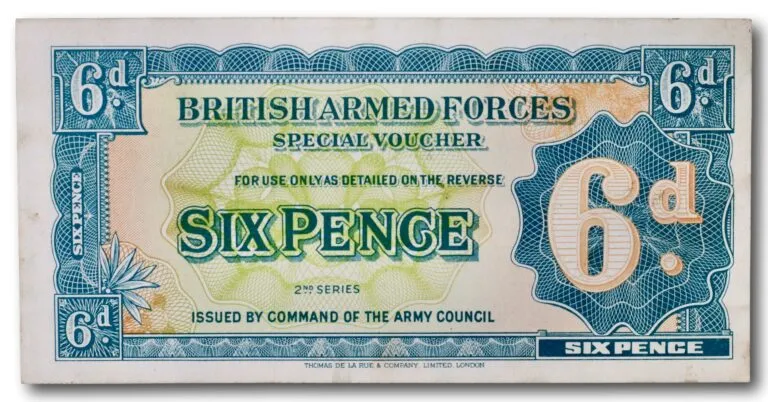
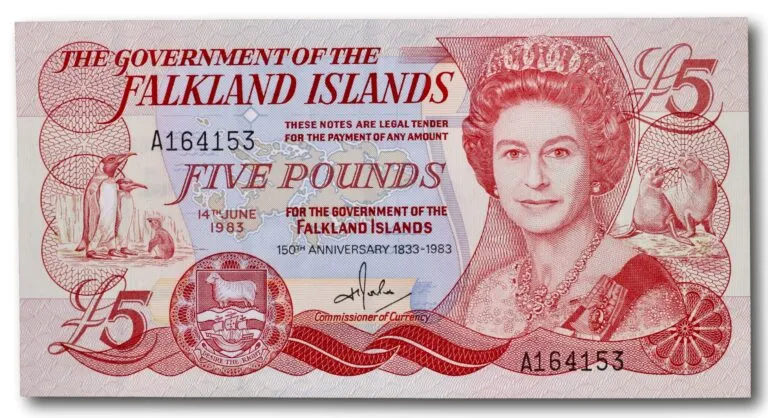
Scotland is a story of its own: there, commercial banks rather than the central bank issue notes, and the category includes a British Linen Bank 1 pound 1963 along with later Scottish 1, 5 and 10 pound notes. The Crown Dependencies and overseas territories have their own notes too, and you will find examples from Guernsey, Jersey (a 20 pounds specimen from 1976), the Isle of Man, Gibraltar and the Falkland Islands. A special group is the British Armed Forces vouchers from 1946 and 1948, introduced for British troops abroad after the Second World War to curb the black market.
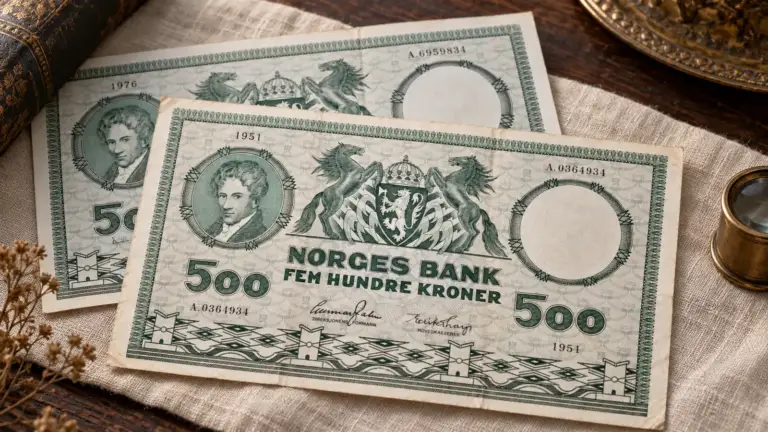
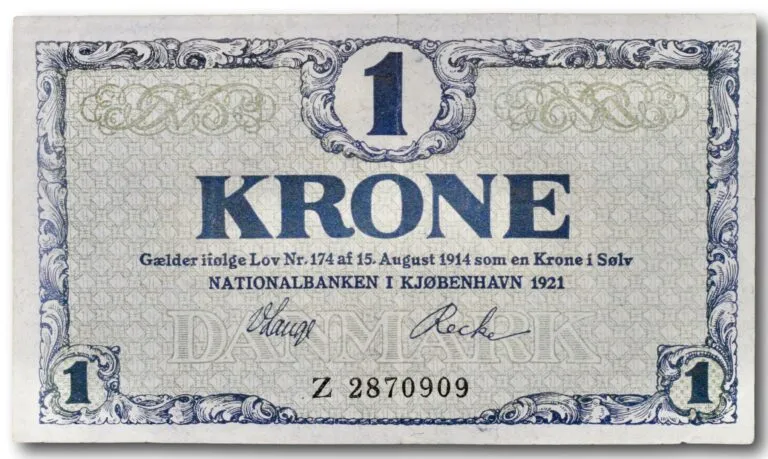
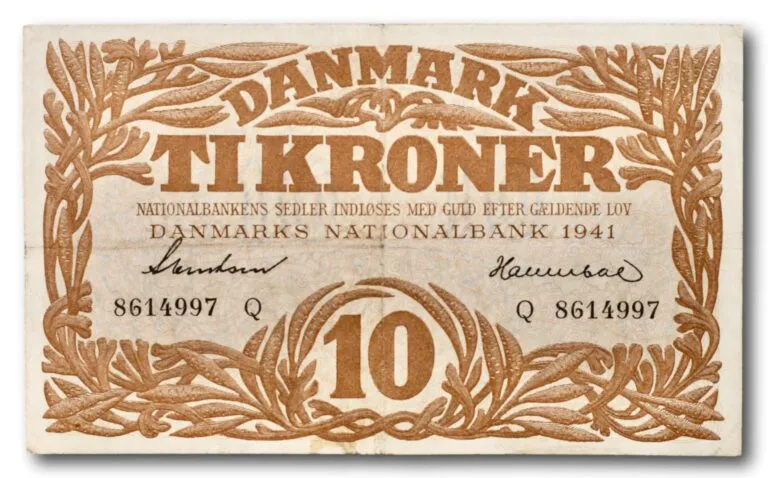
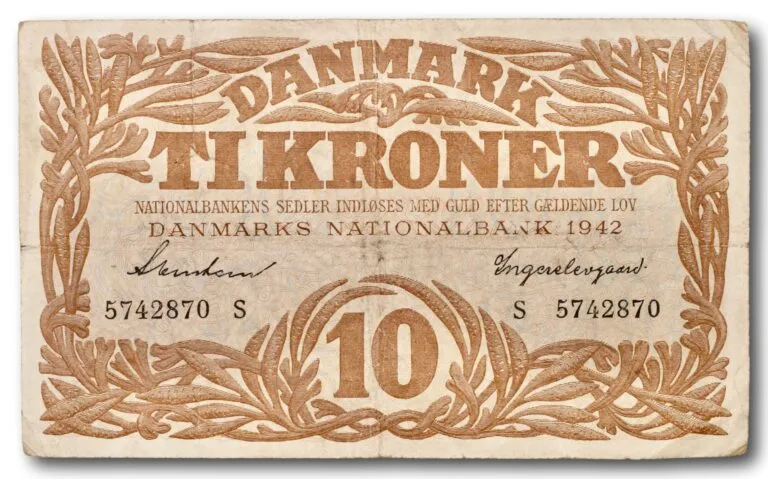
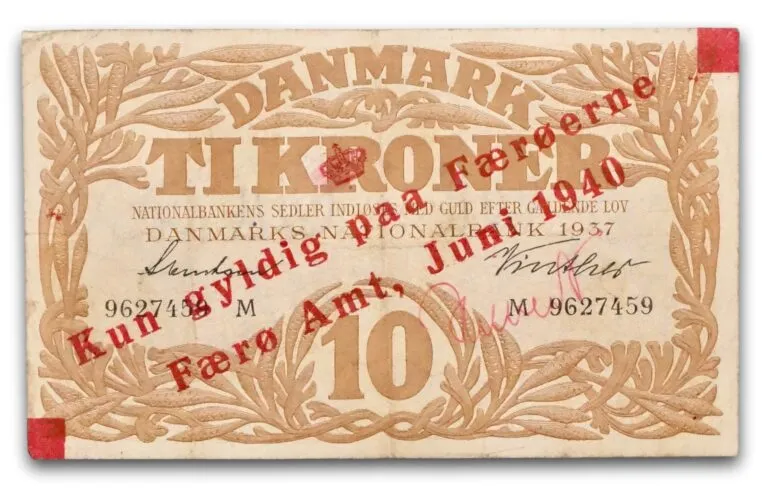
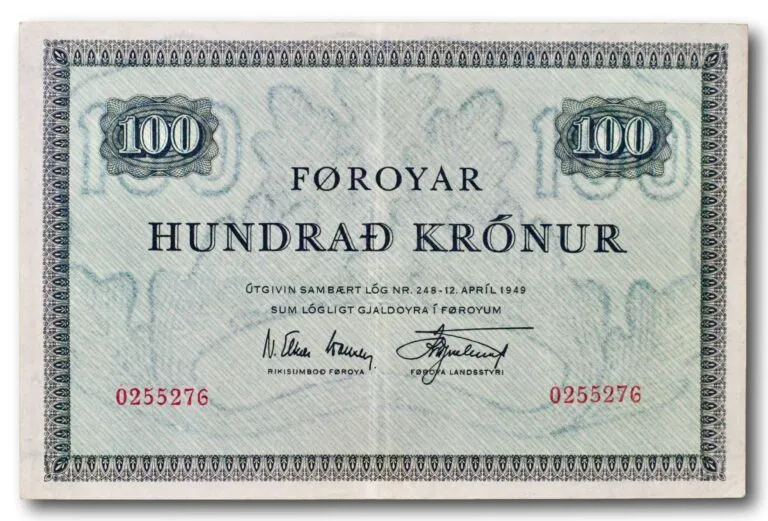
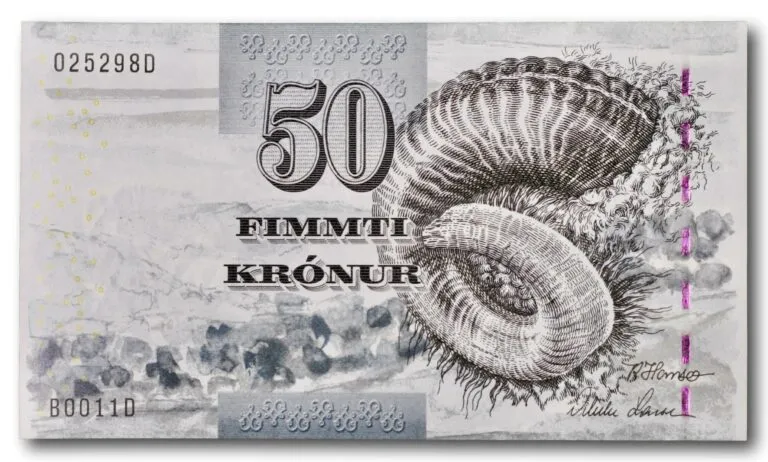
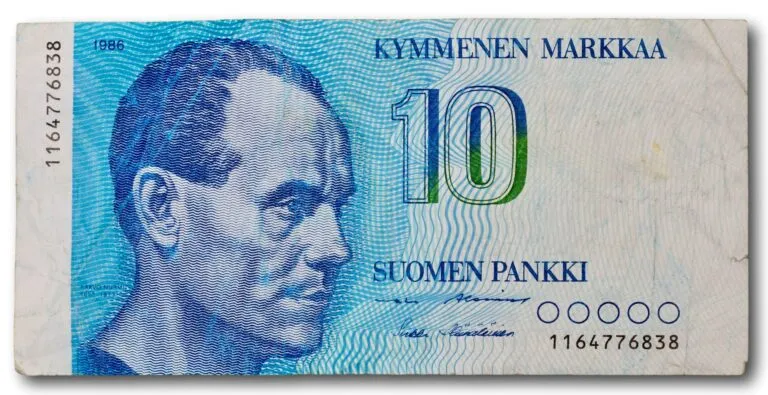
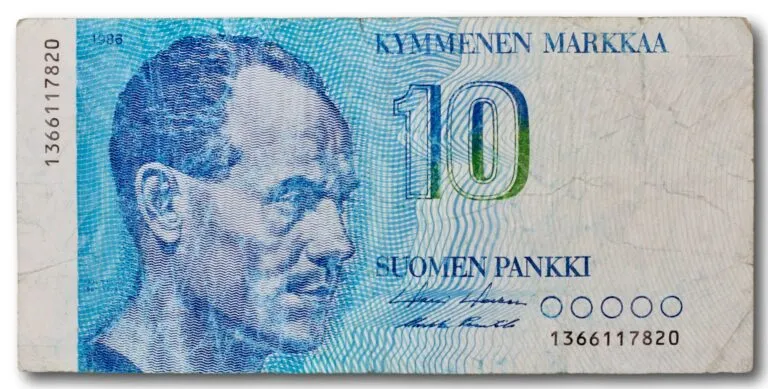
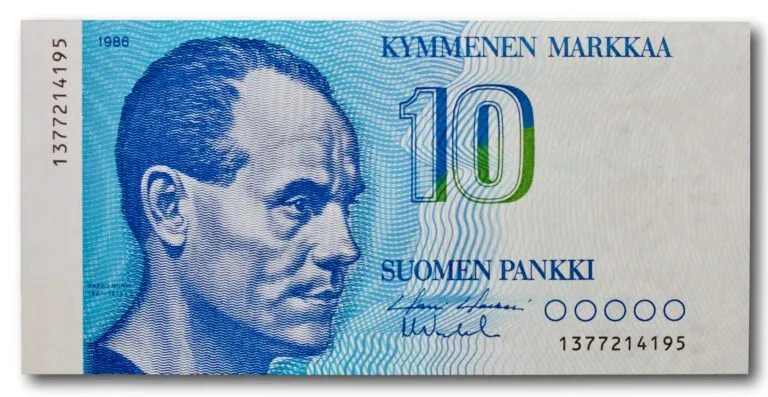
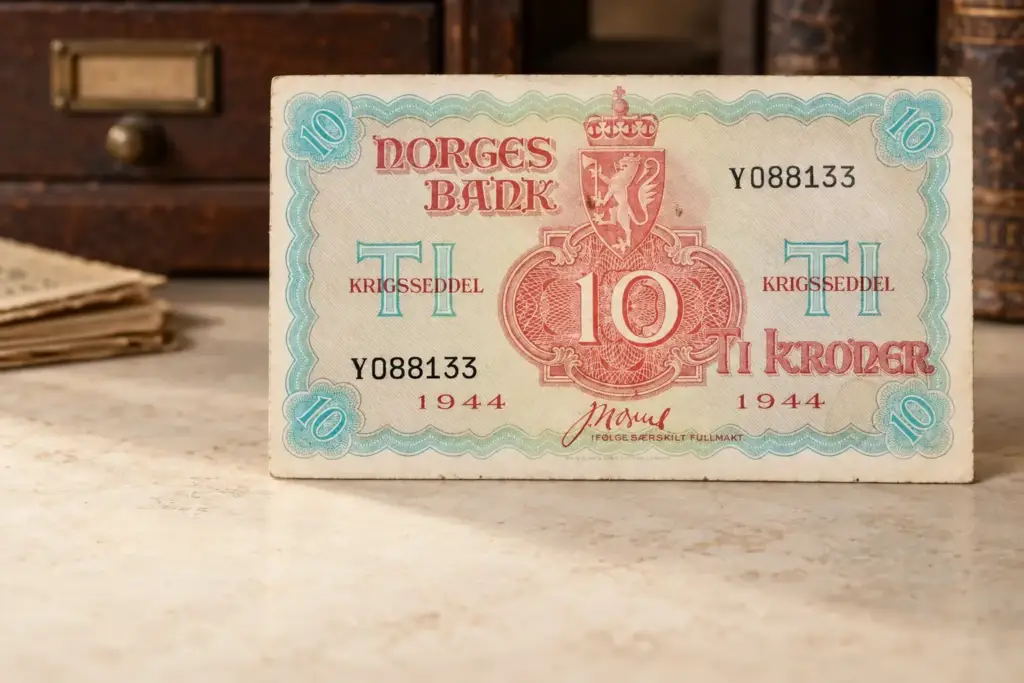
From the Nordic countries there are notes from Denmark (1921, 1941 and 1942), the Faroe Islands (1937, 1952 and 2002), Iceland (1928 and 2001), Finland (markkaa from 1986) and Sweden (10 kronor 1968). Norway is represented by the 10 kroner 1944 London issue, printed in Britain for the Norwegian government in exile; most Norwegian notes are in their own category.
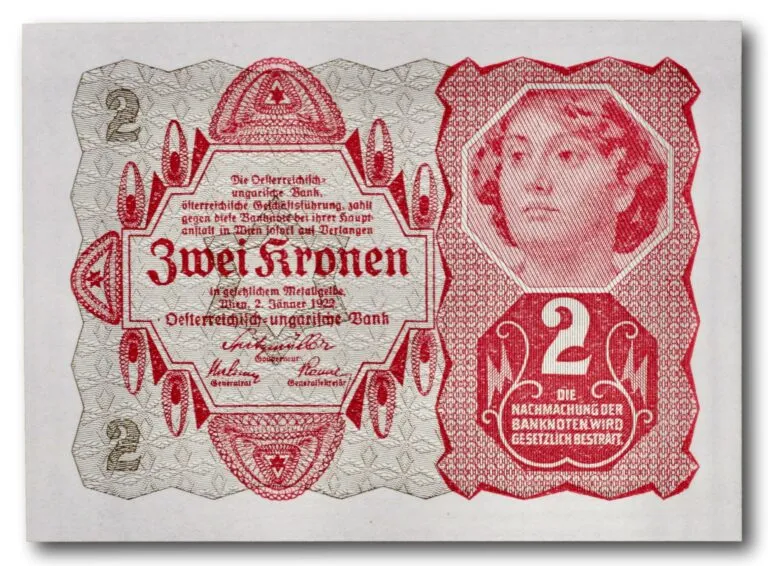
The German notes trace the country’s monetary history: an imperial 1000 mark 1910, a 5000 mark 1922 from the inflation years, a 50 mark 1948 from the year the Deutsche Mark was introduced, and a 20 mark from 1993. There are also notes from Austria (1922), France (1943 and 1966), the Netherlands, Luxembourg, Ireland, Malta and the Soviet Union (1 rouble 1947). Many of these currencies, from the gulden to the lira of Malta, were later replaced by the euro.
Condition is decisive. Uncirculated (UNC) notes have no folds; Extremely Fine (EF) and Very Fine (VF) notes show increasing use. Stains, pinholes, tears, bank stamps and writing lower the grade, and are always noted in the description. Collectors also look at signatures, since the same note can exist with different signature combinations, at serial numbers and prefixes, and at replacement notes, which are marked differently from the ordinary series.
See also the Norwegian notes in Banknotes: Norway and European coins in Worldwide: Europe.
The white fiver is the large Bank of England 5 pound note printed in black on white paper on one side only. The category includes examples dated 1945, signed by the Chief Cashier.
In Scotland, commercial banks issue their own notes rather than the central bank. That is why Scottish notes carry the names of banks such as the British Linen Bank, which issued notes until it merged into the Bank of Scotland.
They were special vouchers used by British troops abroad after the Second World War instead of ordinary sterling. The first series came in 1946 and the second in 1948, introduced to curb the black market.
Yes. Every item is researched and described as accurately as possible, and Denarius guarantees that everything sold is genuine and as described.
Every item gets its own number when it is catalogued. The number is shown on the product page, so you always know exactly which example it is.
Yes. We ship worldwide. Shipping method and price are shown at checkout before you pay.
Read more
From Zhou-period knife money and bridge money to round cash coins with a square hole: the story of ancient Chinese coins and…
Which old Norwegian banknotes can still be exchanged at Norges Bank, and which only have collector value? The rules, the 500-krone note…
From thor Møhlen’s notes of 1695 to today’s sea-themed series: the history of Norwegian banknotes, the Norges Bank series, what collectors look…