How to clean Roman coins? In most cases the best advice is not to: cleaning strips the patina, leaves fine scratches and usually makes a coin worth less than if it had been left alone. The exception is cheap “uncleaned” late Roman bronze coins bought as a hobby project. These can be cleaned slowly with distilled water, a soft brush and wooden tools, but never with steel wool, acids or metal polish.
This guide explains which coins you should never touch, how to clean uncleaned bronzes gently, what to avoid, and how to store ancient coins. The advice has been checked against conservation guidance from the Portable Antiquities Scheme in England, the Canadian Conservation Institute and Riksantikvaren in Norway.
In short:
- Cleaning ancient coins almost always lowers their value, because the patina is part of the coin.
- Never clean silver denarii, valuable coins or coins that have already been cleaned and conserved.
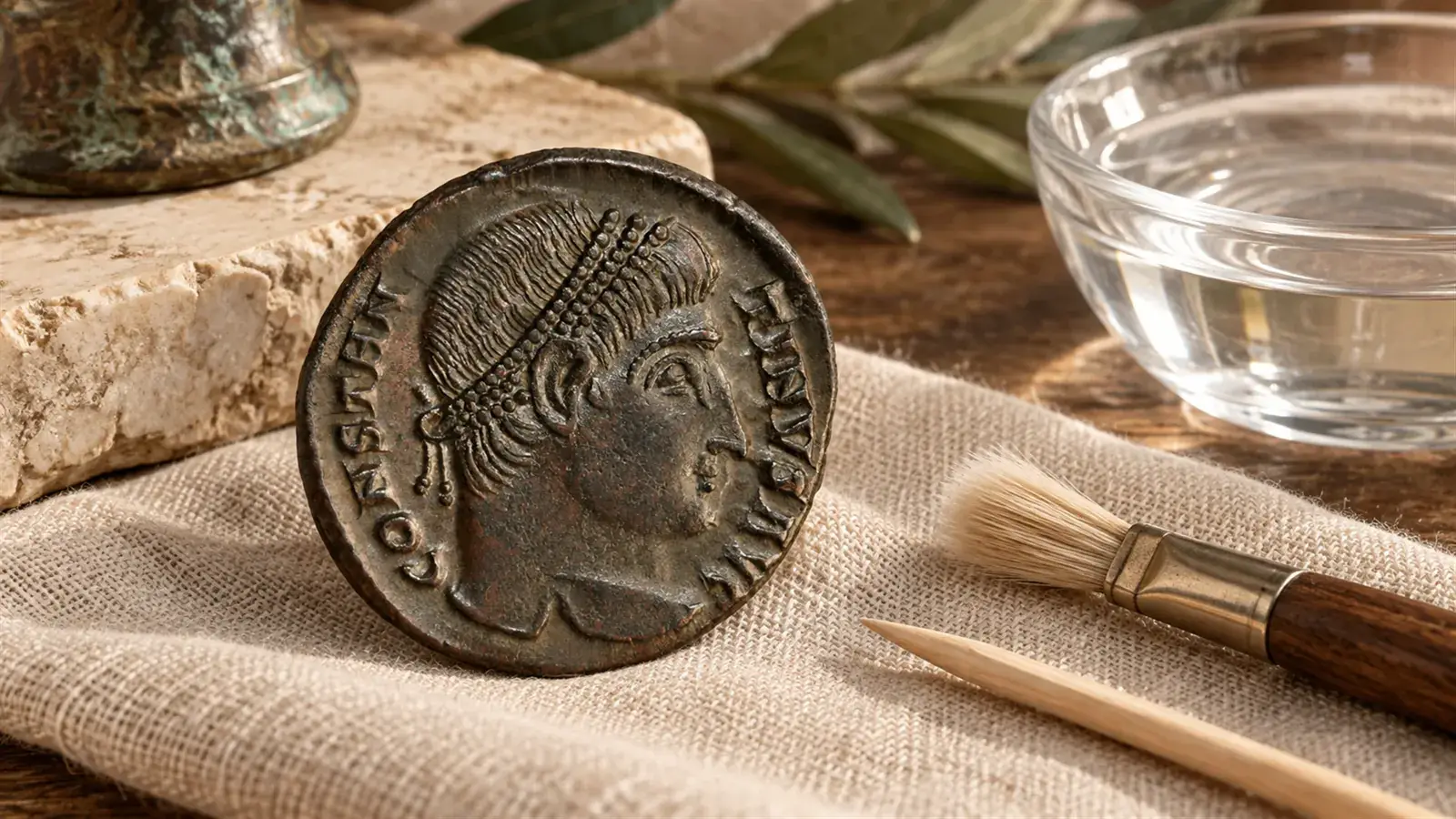
- For uncleaned bronzes: distilled water, patience, a soft brush and wooden toothpicks.
- Never use steel wool, wire brushes, acids, vinegar, metal polish or coin dips.
- Coins from before 1650 found in the ground in Norway belong to the state and must be reported, uncleaned.
Contents
Why does cleaning ancient coins lower their value?
After many centuries in the ground, a Roman bronze coin develops a patina: a stable layer of corrosion products in shades of green, brown, red or black. Collectors value an even, undisturbed patina. The Portable Antiquities Scheme warns that removing the patina from ancient copper-alloy objects can seriously damage them, reduce their value and destroy information. On silver coins, natural toning plays the same role.
Cleaning also leaves fine scratches, called hairlines, which are easy to spot under a loupe. A coin that has been scrubbed bright, polished or dipped will be described as cleaned and sells for noticeably less. The Canadian Conservation Institute notes that many numismatists believe coins should never be cleaned, precisely because they prize patina and toning.
Which coins should you never clean?
- Silver coins such as denarii. Silver is soft, scratches easily and its toning is part of its value. Even a “gentle” rub can leave marks.
- Valuable or rare coins. If a coin could be valuable, or you are unsure, leave it as it is. A cleaning mistake cannot be undone.
- Coins that are already cleaned and conserved. Coins sold as collector coins have normally been cleaned as far as is sensible. More cleaning can only remove patina.
- Coins with a provenance. A coin from a known old collection should keep the surface it had when it was recorded.
- Coins you have found yourself. In Norway, old finds must be reported uncleaned (see below), and other countries have their own rules.
- Coins with pale green, powdery spots. This may be bronze disease, which needs dry storage and possibly a conservator, not scrubbing.
Uncleaned coins and collector coins: what is the difference?
“Uncleaned” coins are sold in lots straight from the soil, still covered in earth and crust. Most are small late Roman bronze coins from the late 3rd and 4th centuries AD, which were struck in enormous numbers. Cleaning them is a popular hobby, and part of the excitement is not knowing what lies under the dirt. Many turn out worn or illegible; some reveal a clear emperor and reverse. If you buy uncleaned lots, ask the seller where the coins come from and whether they were exported legally.
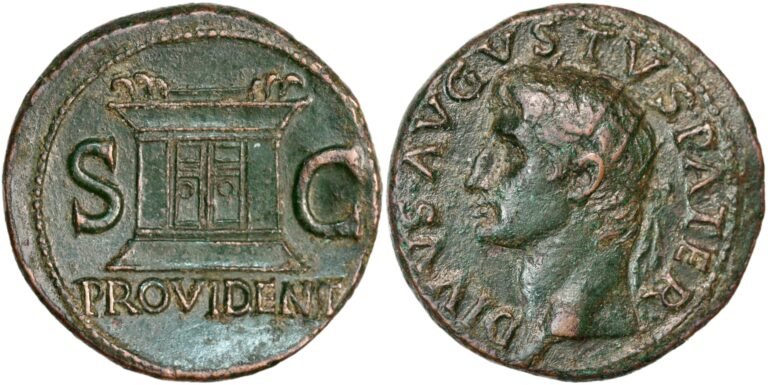
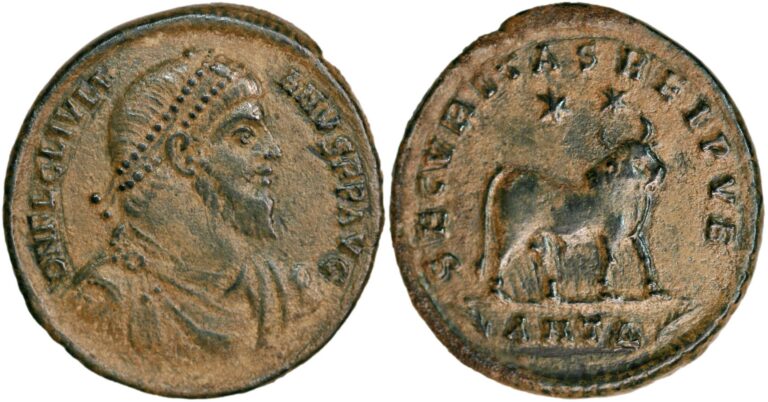
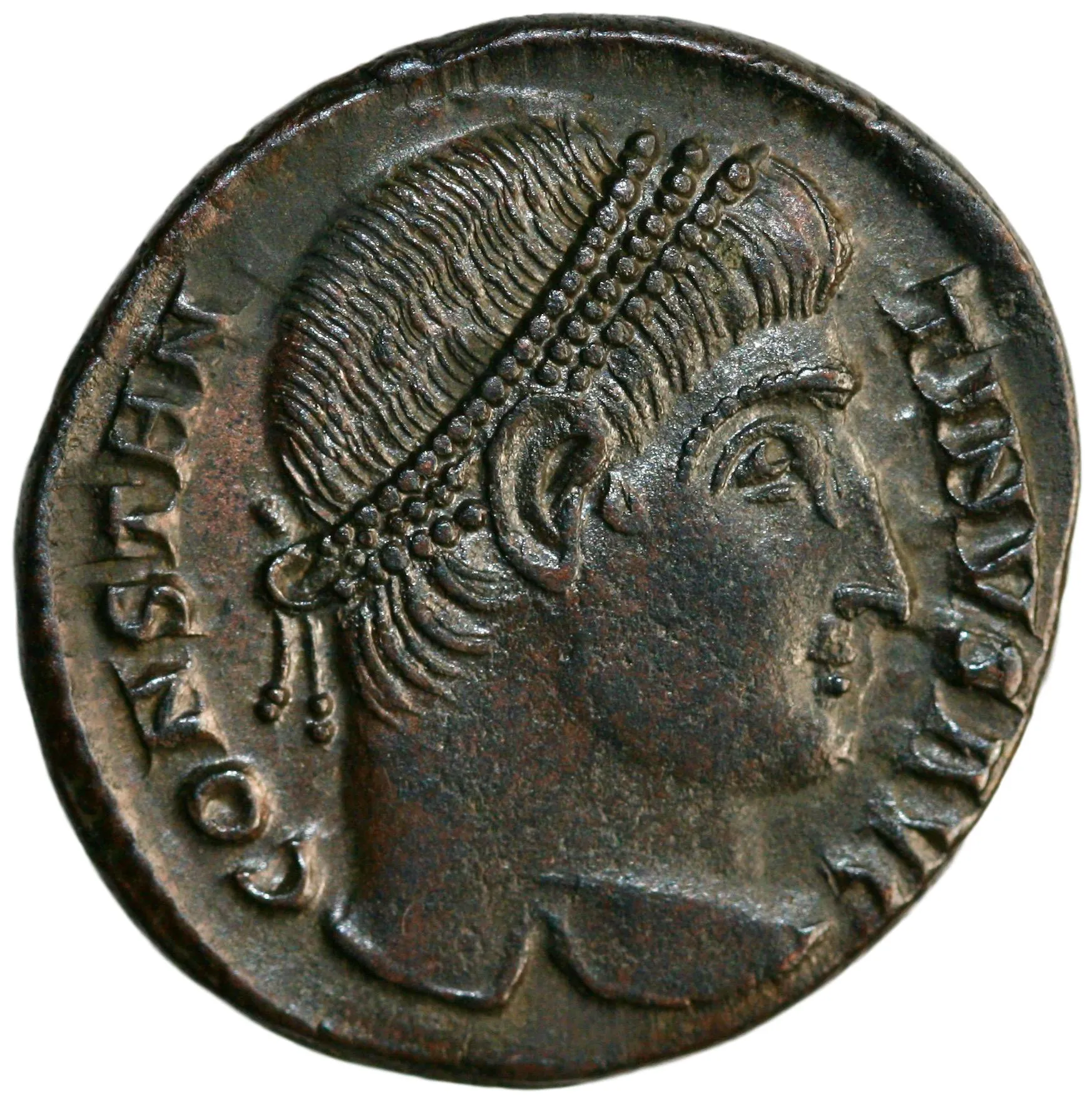
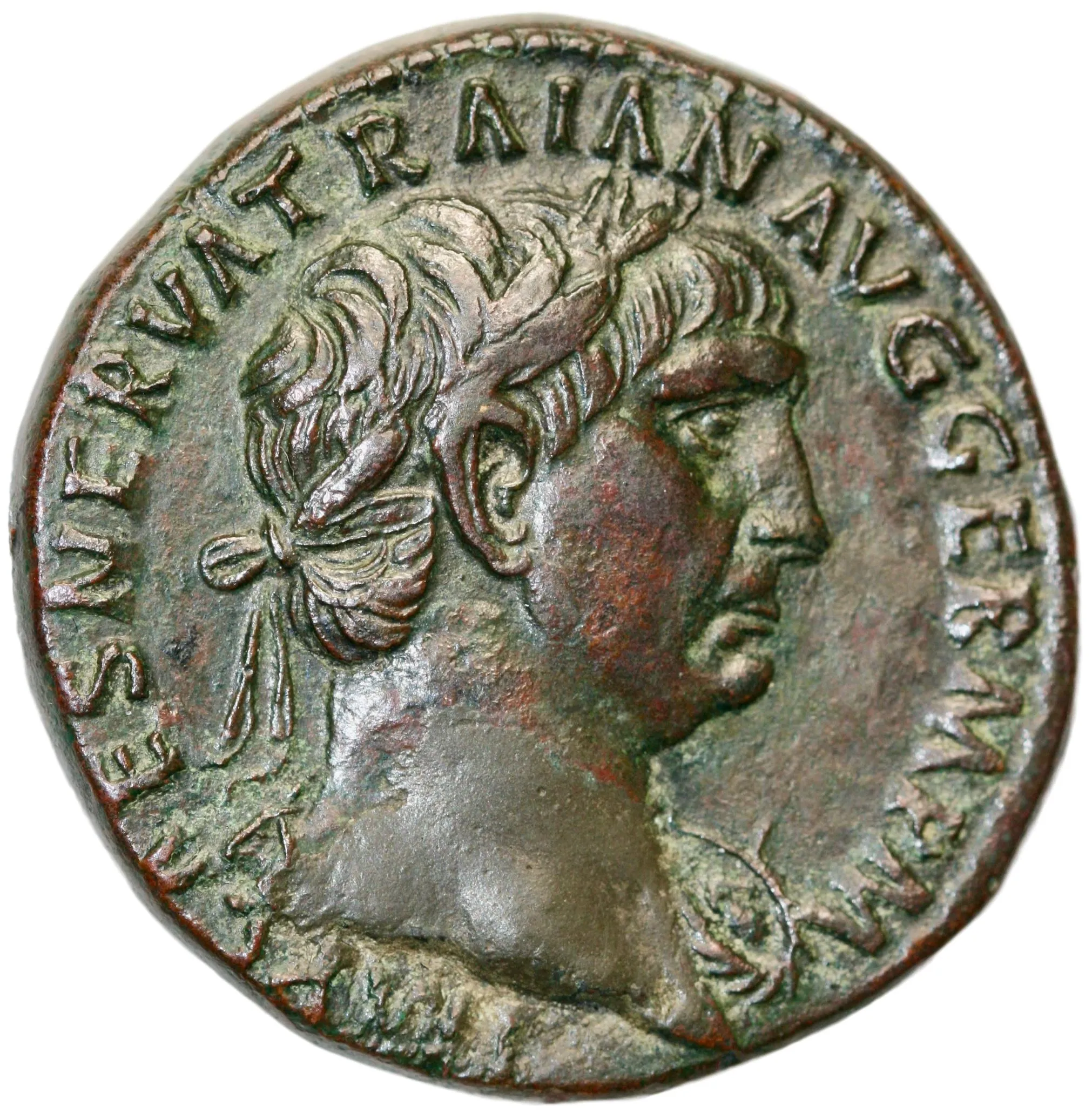
Collector coins are a different matter. Their surface is part of what you pay for, and they need no cleaning at all. At Denarius every coin has been examined, photographed and described, and has its own protocol number. Late Roman bronzes like the nummus from Emperor Constantine I (328-329 AD) at 850 kr (protocol no. 3716) or the double maiorina from Emperor Julian II (ca. 361-363 AD) at 2,900 kr (protocol no. 6257) are ready for the collection as they are. The same goes for larger early bronzes such as the as from Emperor Tiberius, ex Jacques Schulman (9,000 kr, protocol no. 5883) and the sestertius from Emperor Trajan (100 AD) (9,000 kr, protocol no. 3766). Prices are correct at the time of writing.
How to clean Roman coins safely, step by step
This method is for inexpensive uncleaned bronze coins with no known find-spot. It is slow by design: removing dirt without removing the patina takes weeks, sometimes months.
- Look first. Examine each coin under a magnifying glass. Set aside anything that looks like silver, already shows good detail or has pale green powdery spots.
- Soak in distilled water. Use a glass or plastic container, not metal. Collectors typically soak for days or weeks and change the water regularly, which loosens the soil without chemicals.
- Brush gently. Use a soft toothbrush or an artist’s brush, rinse, and put the coin back in fresh water. Repeat as often as needed.
- Use wood, not metal. Work stubborn dirt loose with a wooden toothpick or cocktail stick, preferably under magnification. Conservators recommend sharpened wooden or plastic points for exactly this.
- Know when to stop. The aim is to reveal the design, not bare metal. The original surface often lies within the corrosion layer, so stop when the portrait and legend are readable, even if a little earth remains in the letters.
- Rinse and dry slowly. Give the coin a final rinse in distilled water and let it dry at room temperature on soft paper. Never use a radiator or oven: sudden heat can crack fragile coins.
- Practise on the worst coins. Start with the least promising pieces until you have a feel for how much pressure the surface can take.
Note that conservators generally advise against soaking archaeological finds, because moisture can set off new corrosion and damage fragile remains. The soaking method above is a collectors’ practice for loose commercial uncleaned bronzes only. Never use it on finds, silver coins or coins of value.
What should you never do when cleaning old coins?
- Use steel wool, wire brushes, scouring pads or rock tumblers. They scratch the coin and strip the patina.
- Rub with metal polish or other abrasive cleaners, or polish the coin to make it shine.
- Use acids, including vinegar and lemon juice, or commercial coin dips, which contain acids.
- Use caustic soda or other strong household chemicals.
- Try electrolysis or other “quick fixes” that promise results in minutes.
- Coat the coin with household oil, wax or petroleum jelly, which can contain harmful substances.
What is bronze disease?
Bronze disease is an active form of corrosion caused by chlorides in the metal. It shows up as pale green, powdery spots that can spread and eat into the coin when there is moisture in the air. Keep an affected coin very dry and away from your other coins, and ask a conservator if it keeps spreading. Do not scrub it and do not soak it.
How should you store Roman coins?
- Keep them dry. Bronze can start corroding again above about 35 % relative humidity. An airtight plastic box with silica gel and a humidity indicator is a cheap and effective solution.
- Use inert holders. Choose holders made of polyethylene, polypropylene, PET (Mylar) or polystyrene, or acid-free paper envelopes. Avoid soft PVC flips, which can leave a sticky green film on the coin.
- Avoid oak and fresh wood. Wooden cabinets, especially new oak, can give off acidic vapours.
- Handle by the edge. Skin oils and salts leave marks. For silver, use cotton gloves rather than latex, since the sulphur in latex tarnishes silver. Foam rubber, felt and velvet can do the same.
- Label everything. Note where and when each coin was acquired. Provenance is part of the value.
Found an old coin in Norway?
Different rules apply to finds. Under the Norwegian Cultural Heritage Act (kulturminneloven § 12), coins from before 1650 belong to the state when no owner can be traced, and § 13 requires the finder to report the find as soon as possible. Riksantikvaren’s guidelines say to report it to the county authority (fylkeskommunen), ideally on the first working day after the find, and not to clean the object or even brush off loose soil. Note exactly where it was found, preferably with GPS. A finder’s reward may be paid. A new Cultural Environment Act has been proposed (NOU 2025: 3), but as of October 2026 the Cultural Heritage Act still applies.
Frequently asked questions
Should you clean ancient Roman coins?
Usually not. Cleaning removes the patina and leaves scratches, which lowers the value of most coins. The main exception is cheap uncleaned late Roman bronzes, which can be cleaned slowly with distilled water and wooden tools.
Can I clean a silver denarius?
It is best not to. Silver is soft and scratches easily, and natural toning is part of the coin’s value. A silver coin that has been polished or dipped is worth noticeably less than one that has been left alone.
What is the safest way to clean uncleaned Roman coins?
Soak them in distilled water in a glass or plastic container, change the water regularly and brush gently with a soft brush. Loosen stubborn dirt with a wooden toothpick under magnification, and stop as soon as the design is readable.
Can I clean Roman coins with vinegar or lemon juice?
No. Both are acids and can damage the surface and strip the patina. Conservators also advise against coin dips, metal polish and other abrasive cleaners on ancient coins.
What should I do if I find an old coin in Norway?
Coins from before 1650 found in Norway belong to the state and must be reported as soon as possible, normally to the county authority (fylkeskommunen). Do not clean the coin, note exactly where you found it, and keep it dry until you hear back.
Prefer coins that are ready for the collection? Browse all Roman coins or late Roman coins (314 to 476 AD). Every coin has been examined, photographed and described with its own protocol number, and Denarius guarantees that everything it sells is genuine and as described.