The Runde Treasure: Gold and Silver from the Akerendam
The Runde treasure is one of the most remarkable coin finds ever made in Norway: gold and silver coins from the Dutch…
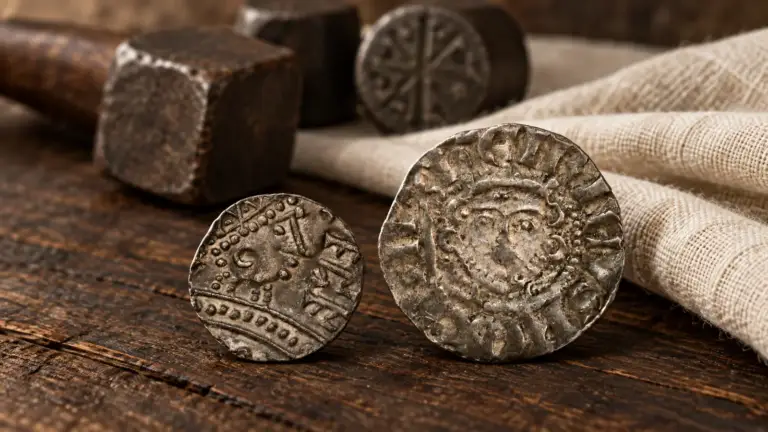
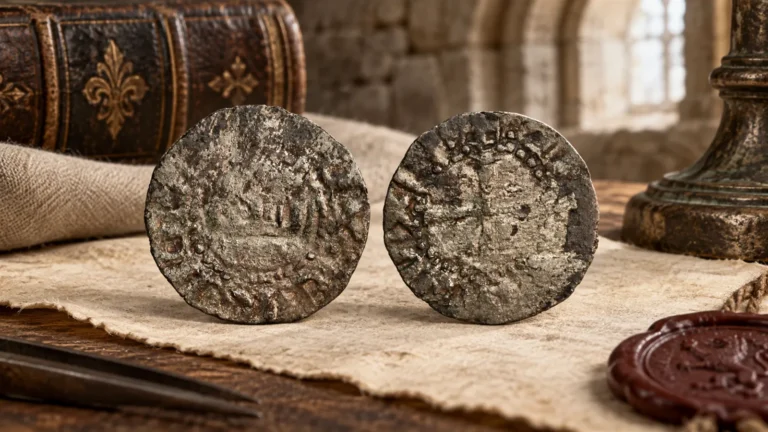
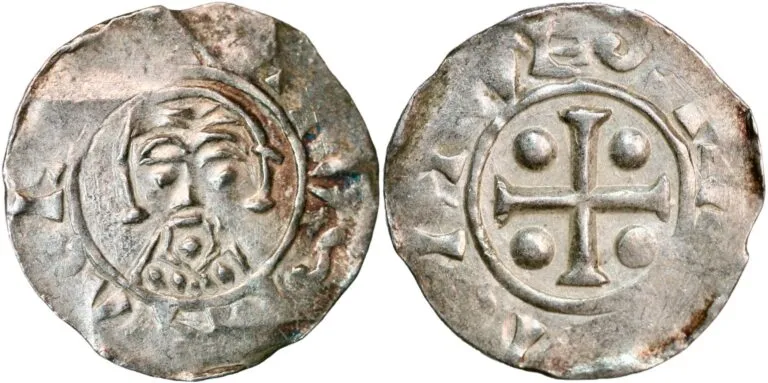
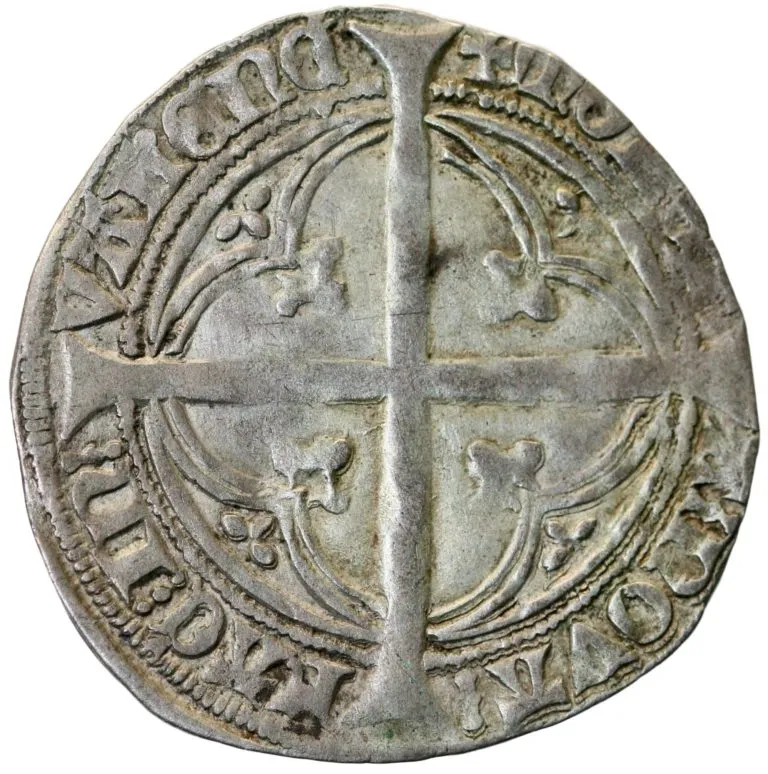
Dutch coins from the Middle Ages to the 18th century: a denar from Utrecht's bishop Bernold, a double groat from Holland, daalders, lion daalders and stuivers from the provinces of the Dutch Republic. All guaranteed genuine by Denarius.
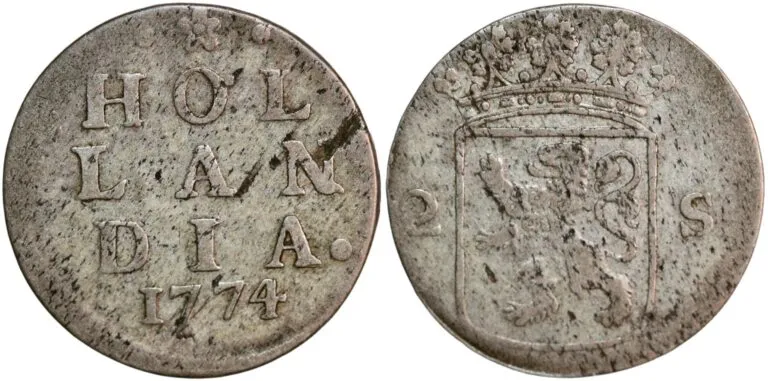
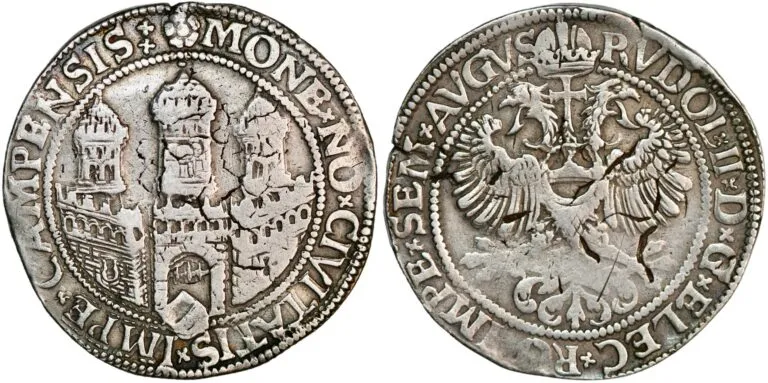
The Netherlands had no single coinage for most of its history. In the Middle Ages bishops, counts and dukes struck their own coins, and after the northern provinces broke away from Spanish rule in the late 16th century, each province and several cities of the Dutch Republic kept the right to mint. That is why the coins in this category carry names such as Holland, West Friesland, Gelderland and Kampen.
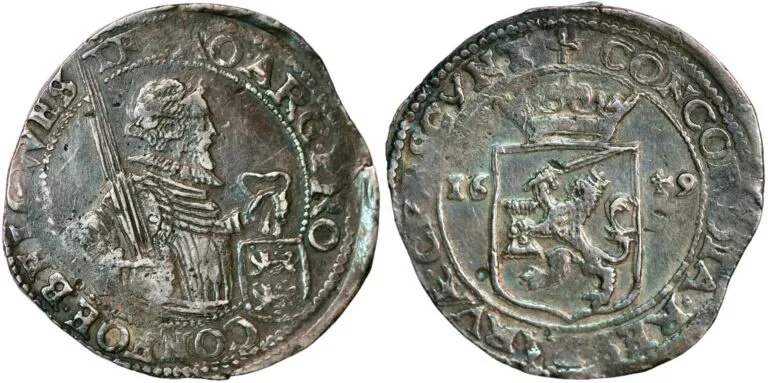
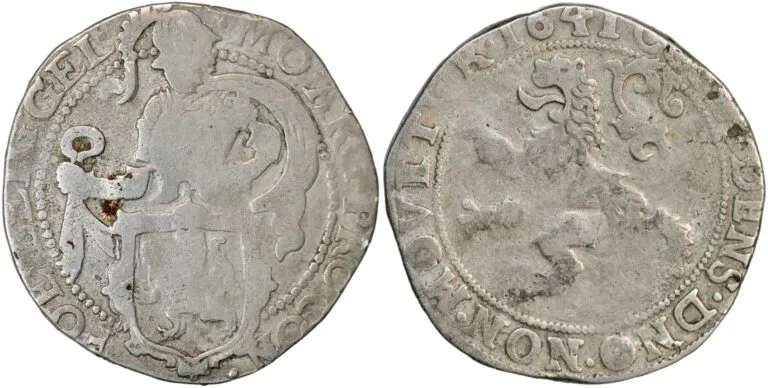
The lion daalder (leeuwendaalder) shows a standing knight with a shield bearing a lion. It was struck for trade as much as for home use and travelled far beyond the Netherlands, including to the eastern Mediterranean. Its weight and silver content were lower than those of the rijksdaalder, which made it practical in international trade.
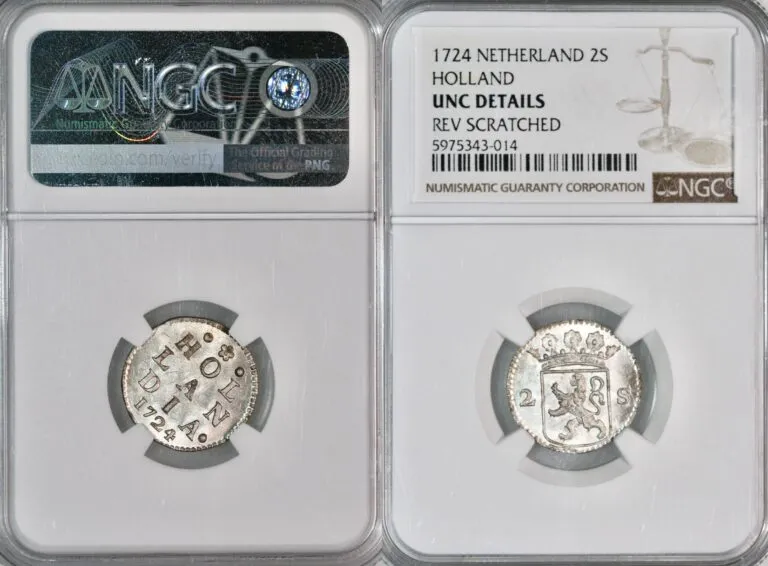
Provincial Dutch coins are identified by the arms and legend of the issuing province or city, so a readable legend matters. Large silver coins are judged on the strike, wear on the high points and any edge damage. The medieval denar is in exceptional condition for its age. A coin graded and sealed by NGC has had an independent assessment, but it is still worth studying the photographs, since a grade such as UNC Details means that a problem, for example a scratch, has been noted. For other European coins, see Europe.
In the Dutch Republic the individual provinces, and some cities, struck their own coins to common standards. The coins therefore show the arms and name of the province or city, for example Holland, Gelderland or West Friesland.
The stuiver was a Dutch silver coin worth one twentieth of a guilder. The 2 stuivers was a common small coin in the 18th century.
At present the category contains only coins from the Netherlands, ranging from the 11th to the 18th century.
Yes. Every item is researched and described as accurately as possible, and Denarius guarantees that everything sold is genuine and as described.
Every item gets its own number when it is catalogued. The number is shown on the product page, so you always know exactly which example it is.
Yes. We ship worldwide. Shipping method and price are shown at checkout before you pay.
Read more
The Runde treasure is one of the most remarkable coin finds ever made in Norway: gold and silver coins from the Dutch…
From the silver penny to the groat and the great gold coins: a collector's guide to medieval coins, how they were made…
A bracteate is a paper-thin silver coin struck on one side only, and for much of the Middle Ages it was Norway's…