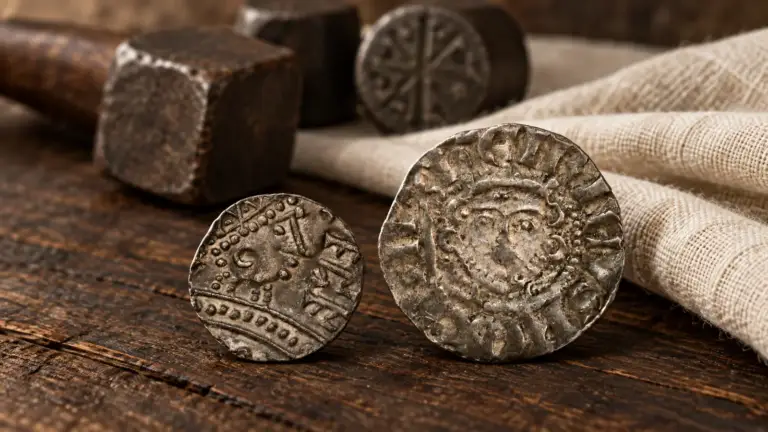
Medieval coins: hammered pennies, groats and gold
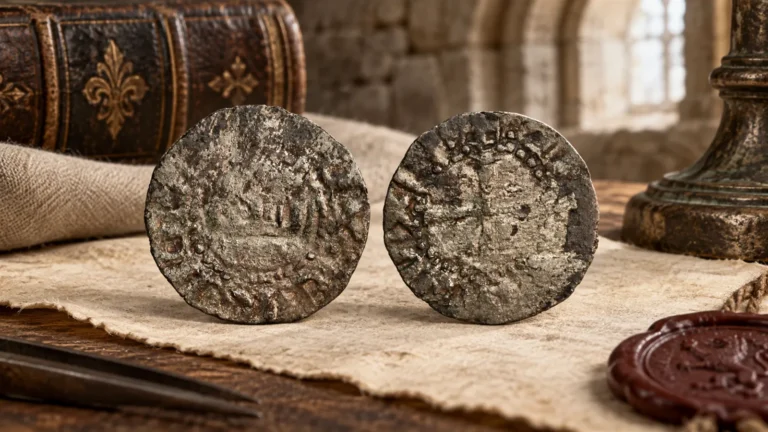
From the silver penny to the groat and the great gold coins: a collector's guide to medieval coins, how they were made…
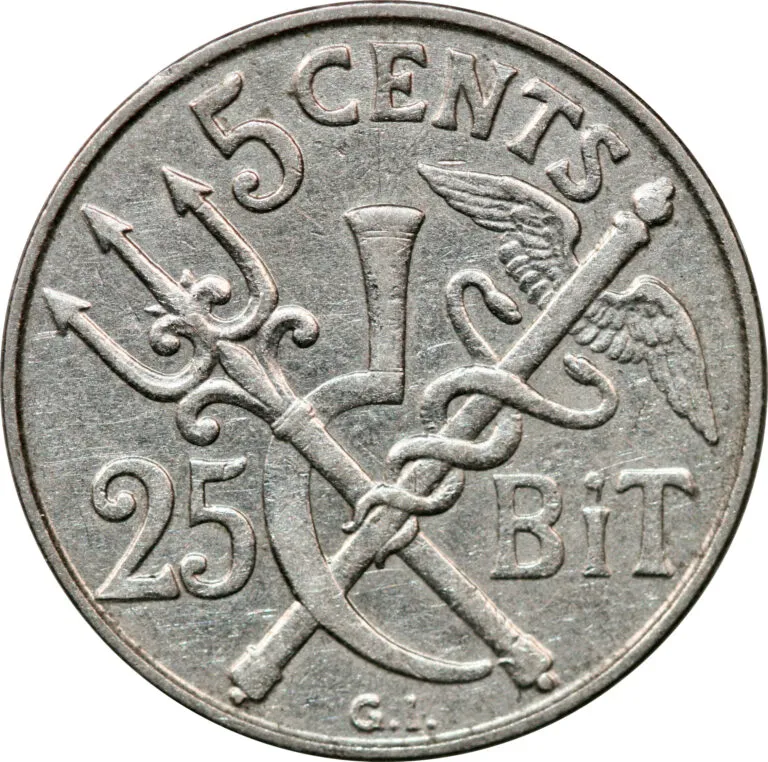
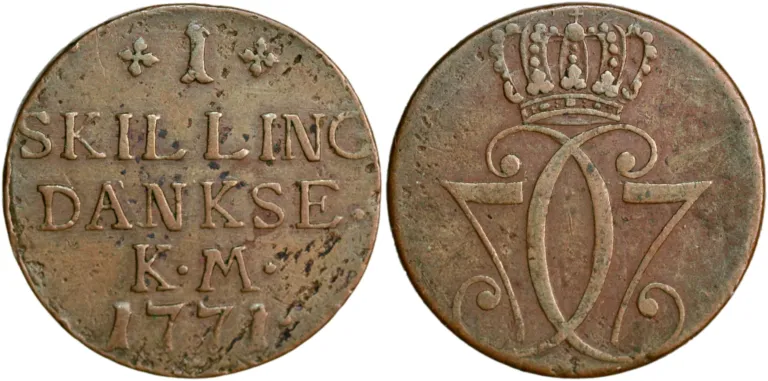
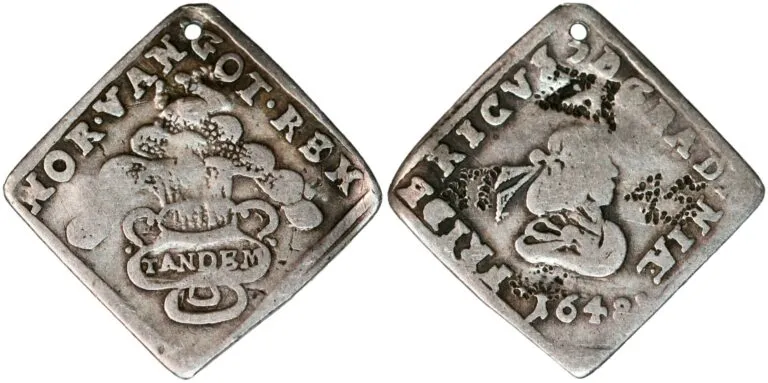
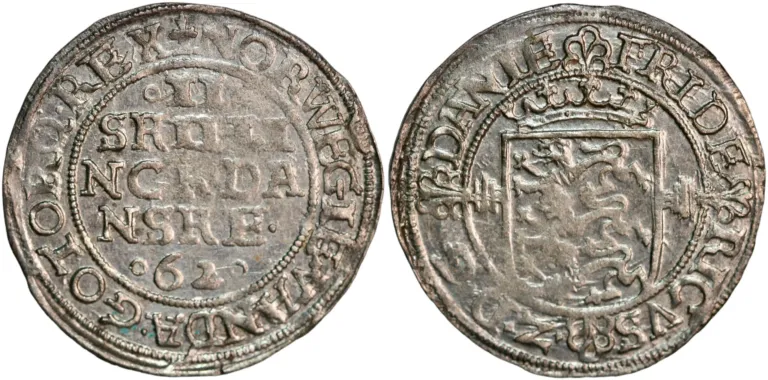
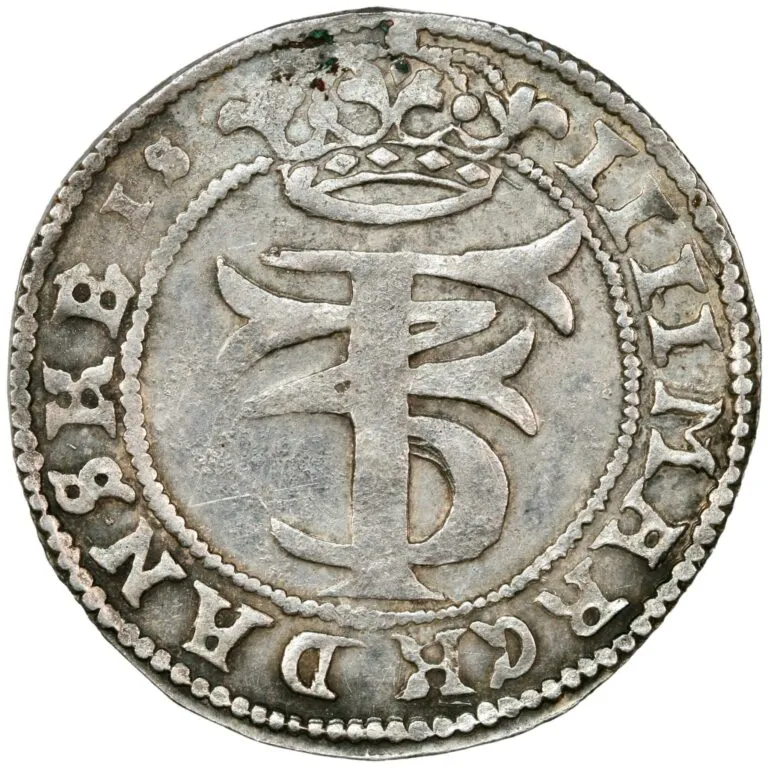
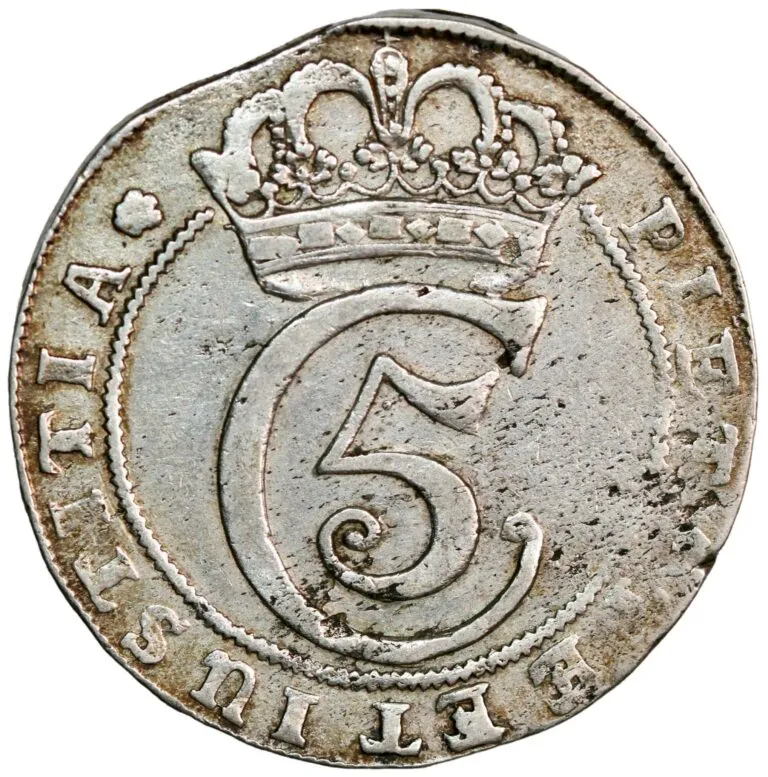
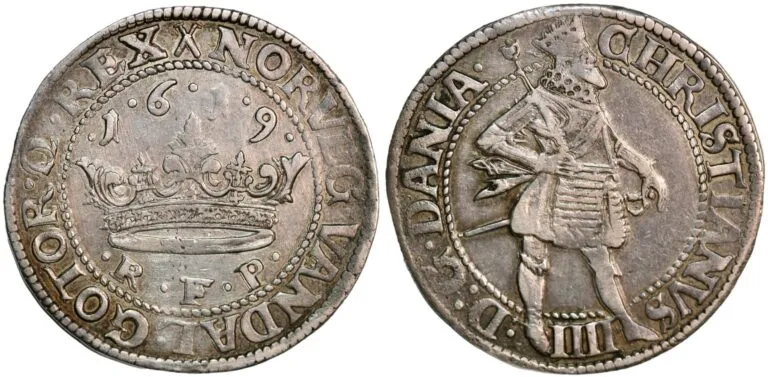
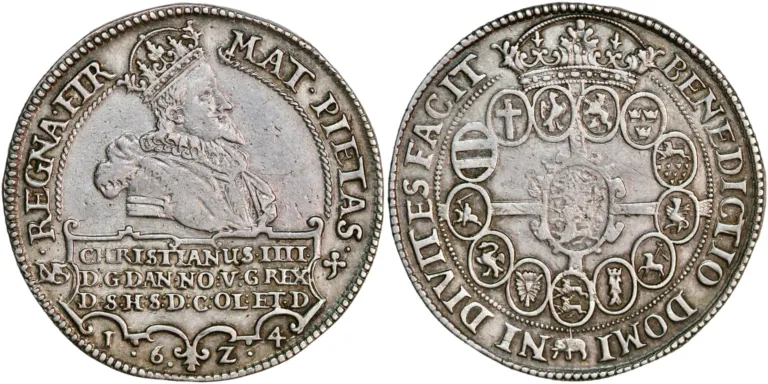
Danish coins from Frederik II to Christian VIII, including Christian IV silver, 4 mark pieces, the misspelt 1771 skilling and coins from the Danish West Indies. Every item is examined, described and guaranteed genuine by Denarius.
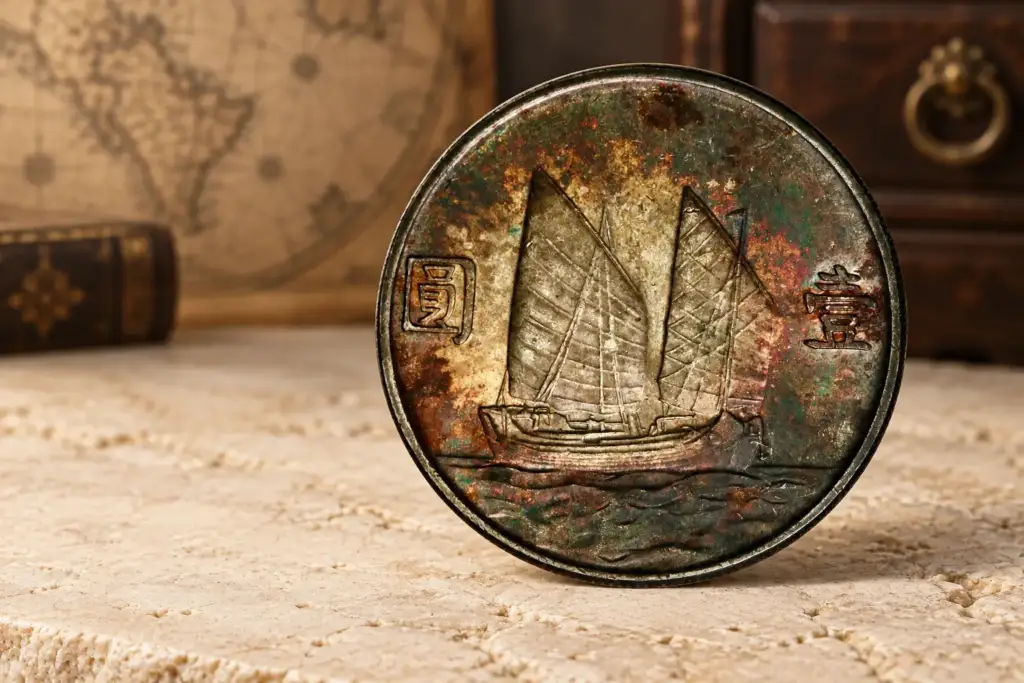
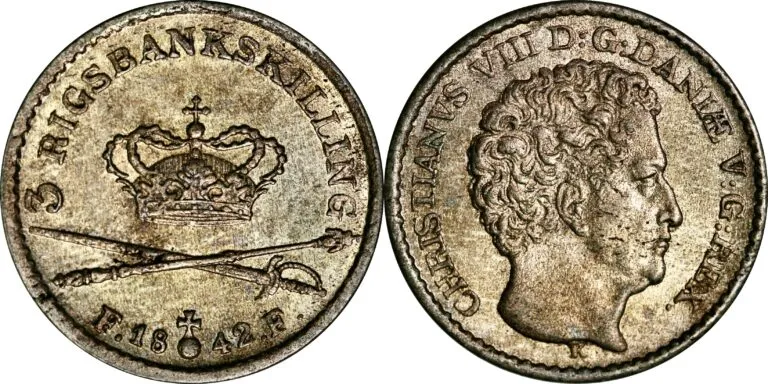
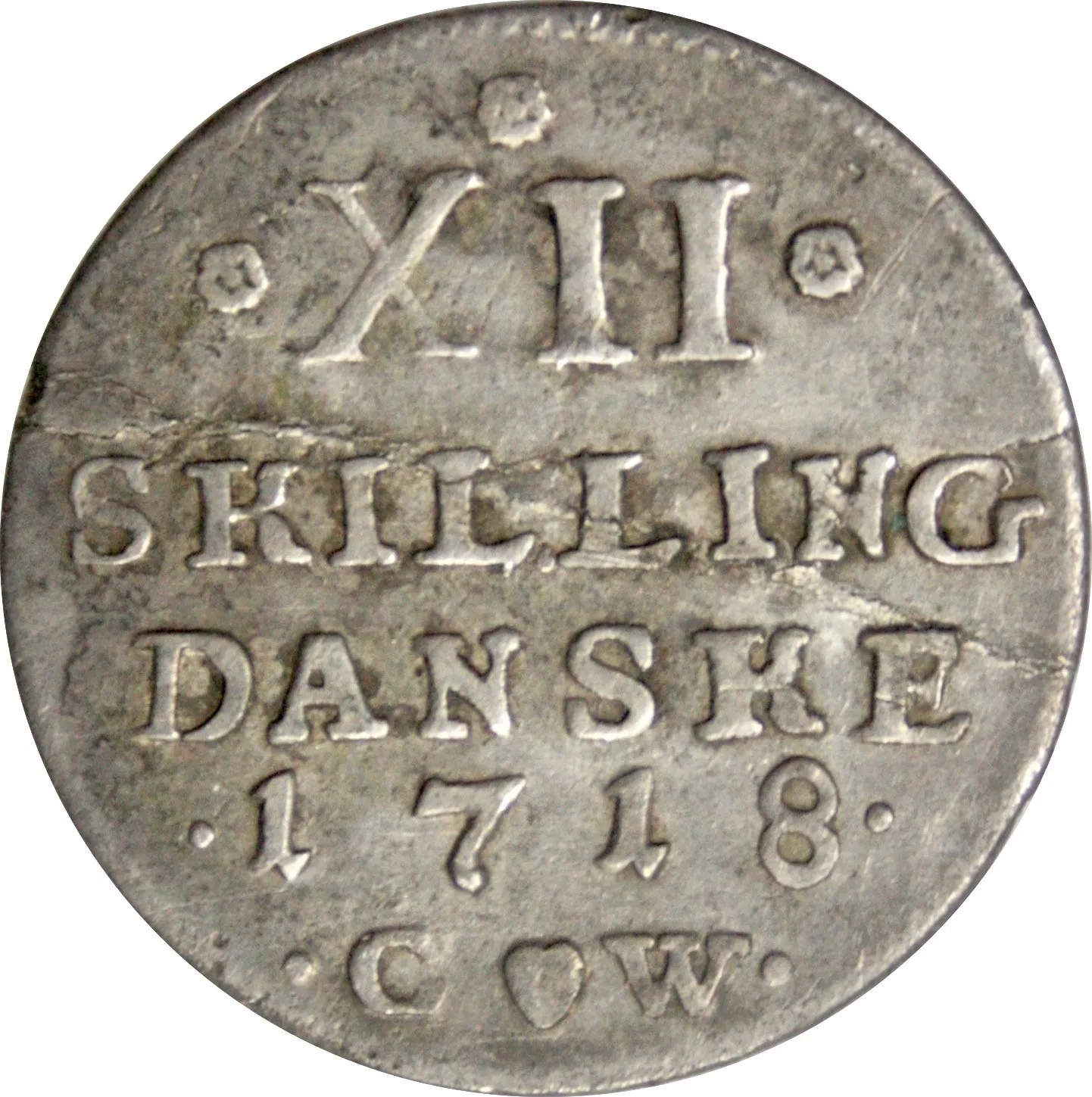
For most of the period covered here, Denmark and Norway were one kingdom with a shared monetary system based on the rigsdaler, mark and skilling. Many types were struck in Copenhagen, while others came from the mint at Kongsberg in Norway. The Danish coins in this category start with a 2 skilling of 1562 and continue through the 17th and 18th centuries to a 3 rigsbankskilling of 1842.
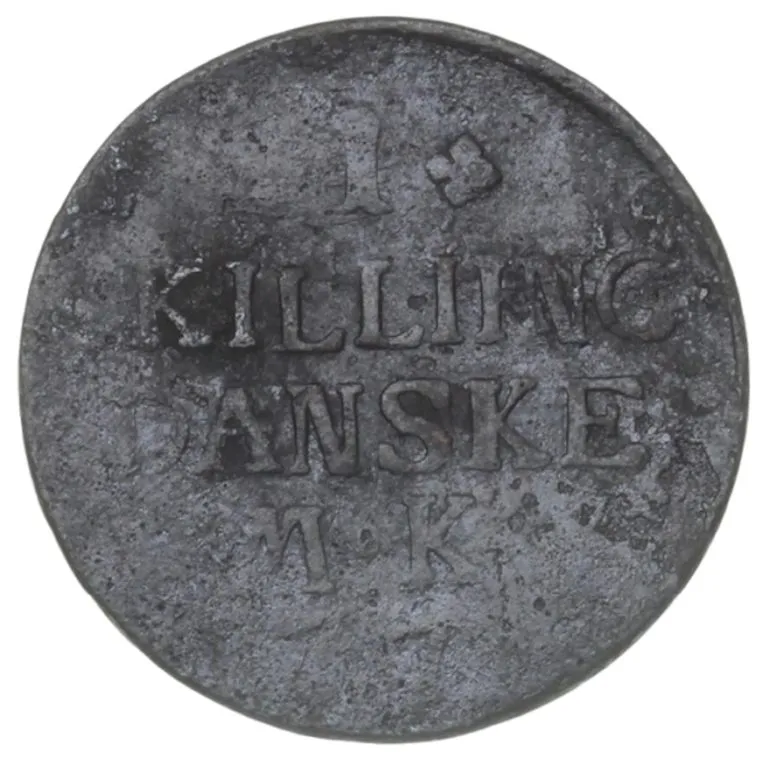
The 1 skilling of 1771 is famous among Scandinavian collectors because some dies were cut with misspellings. These error coins are collected as separate varieties. The same year also produced Norwegian error coins, which you will find under 1771-feilpreg.
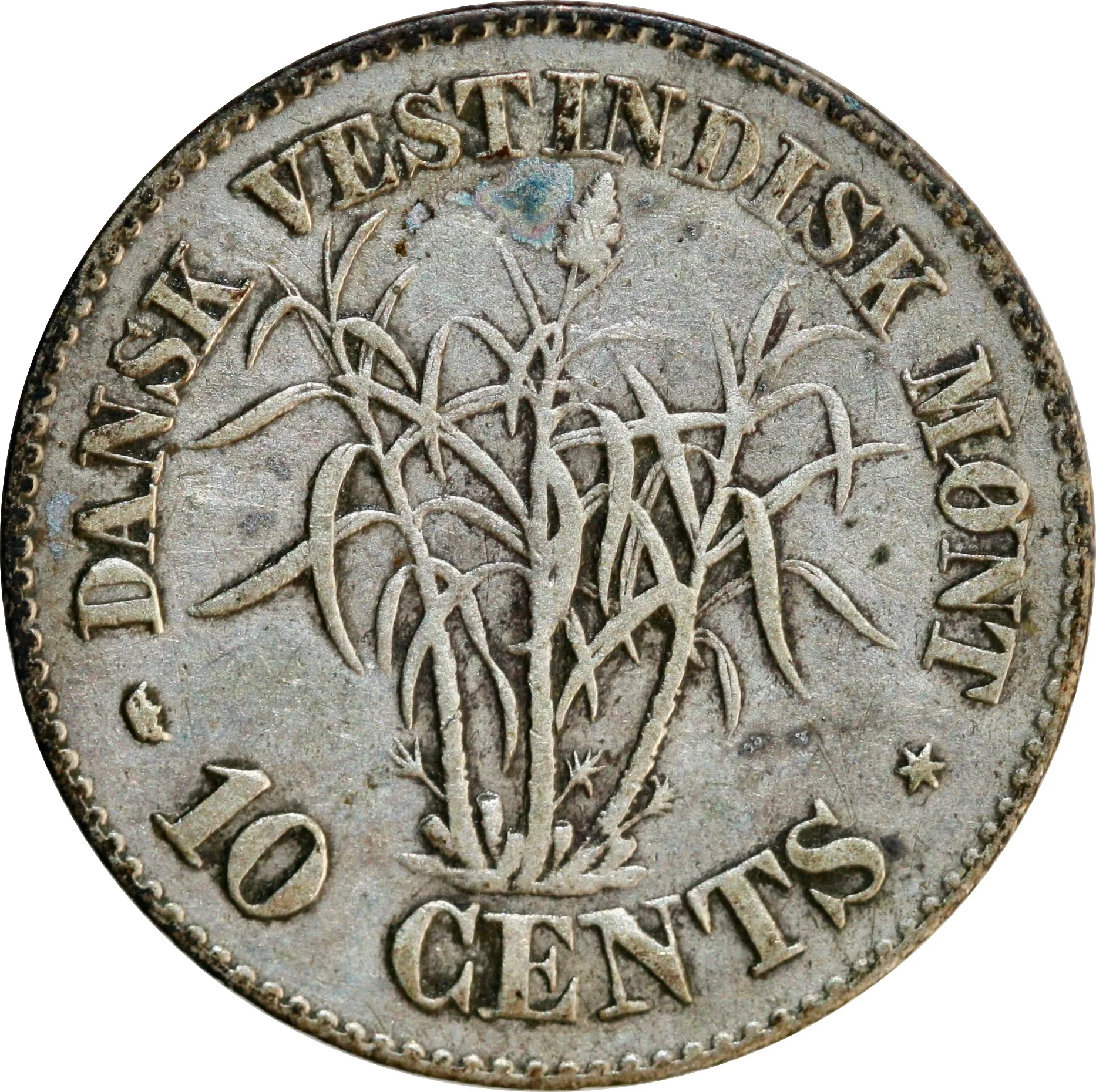
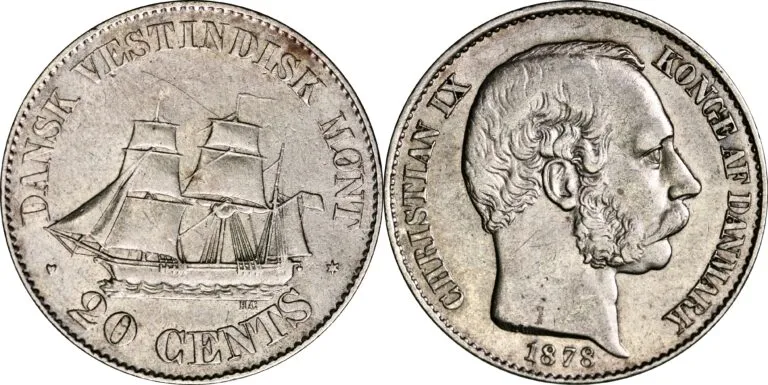
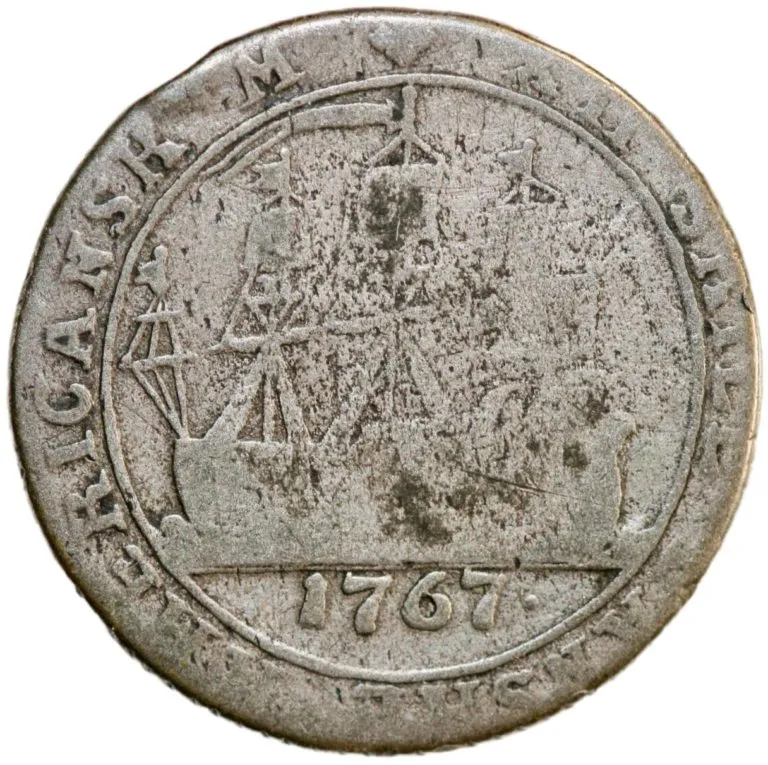
The islands of St. Thomas, St. John and St. Croix in the Caribbean were Danish until they were sold to the United States in 1917. The colony had its own coins, first in skilling and later in cents. The 12 skilling of 1767 in this category was struck at Kongsberg in Norway, which gives it a natural place in a Norwegian collection too.
Older Danish silver is judged on how clear the portrait, crown and legend are, on the condition of the flan and on whether the coin has been cleaned or damaged. Rarity varies a great deal between years and varieties, so the catalogue reference on each item is a good starting point. For the Norwegian side of the shared coinage, see Norway before 1814.
Denmark and Norway had a common monetary system, but many coins were struck specifically for one of the two countries. Some coins for Danish use, including colonial coins, were struck at the Kongsberg mint in Norway.
These are die errors where the engraver misspelled a word in the legend. They are collected as separate varieties and are well known among Danish and Norwegian collectors.
The islands were sold to the United States in 1917 and are now the U.S. Virgin Islands. Coins struck for the colony are collected both as Danish coins and as Caribbean coins.
Yes. Every item is researched and described as accurately as possible, and Denarius guarantees that everything sold is genuine and as described.
Every item gets its own number when it is catalogued. The number is shown on the product page, so you always know exactly which example it is.
Yes. We ship worldwide. Shipping method and price are shown at checkout before you pay.
Read more
From the silver penny to the groat and the great gold coins: a collector's guide to medieval coins, how they were made…
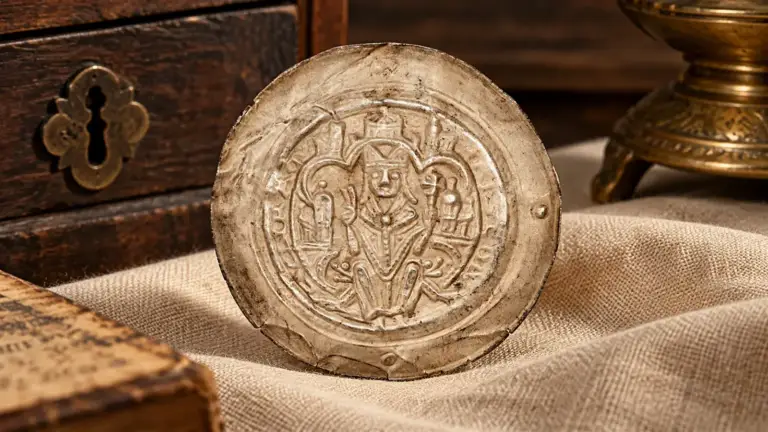
A bracteate is a paper-thin silver coin struck on one side only, and for much of the Middle Ages it was Norway's…
In early 2022, Denarius published two remarkable German bracteates in the space of two weeks: a huge coin from the archbishopric of…