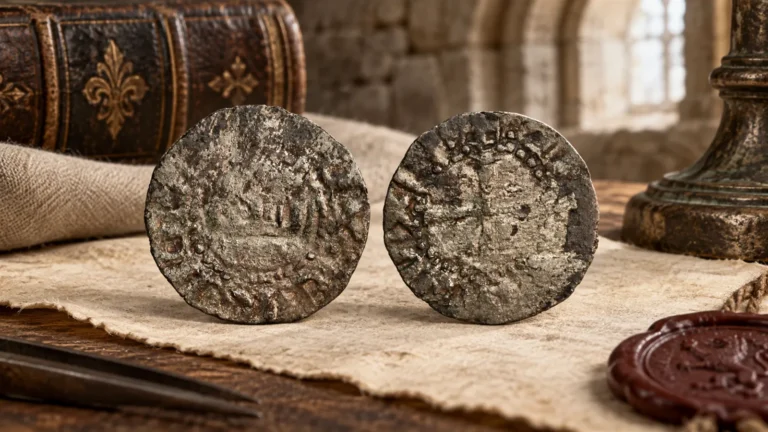
Medieval coins: hammered pennies, groats and gold
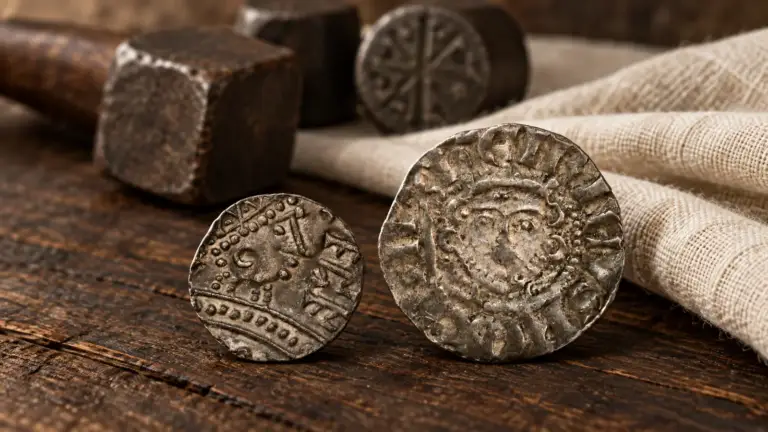
From the silver penny to the groat and the great gold coins: a collector's guide to medieval coins, how they were made…
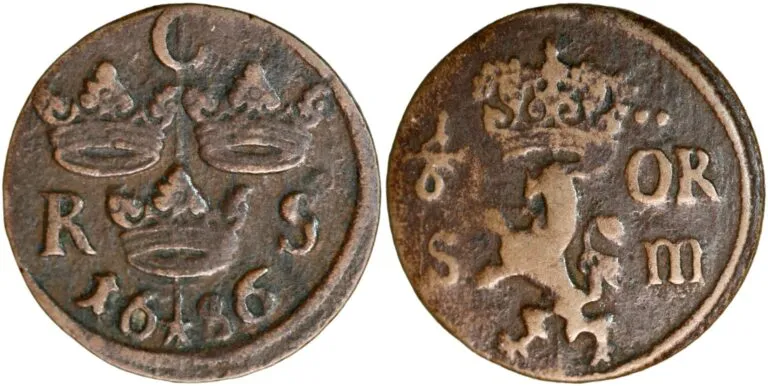
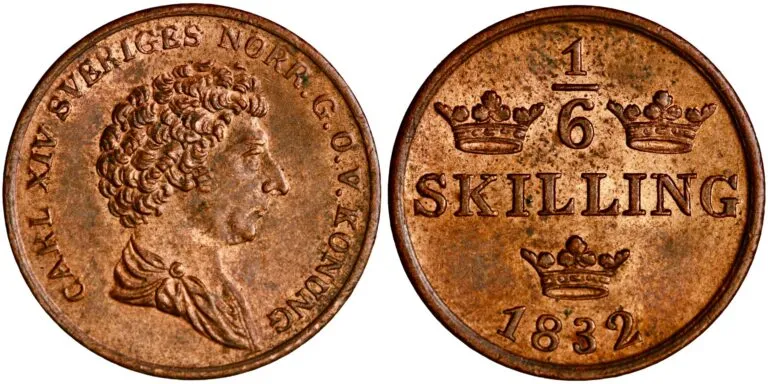
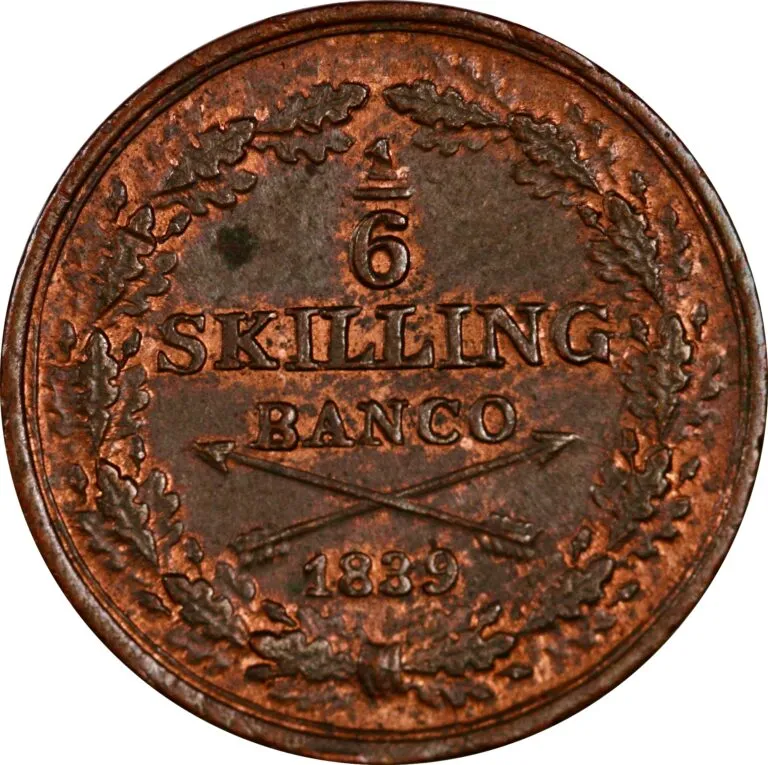
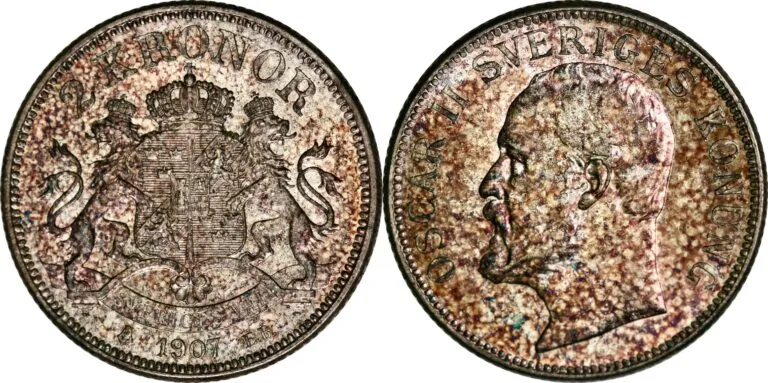
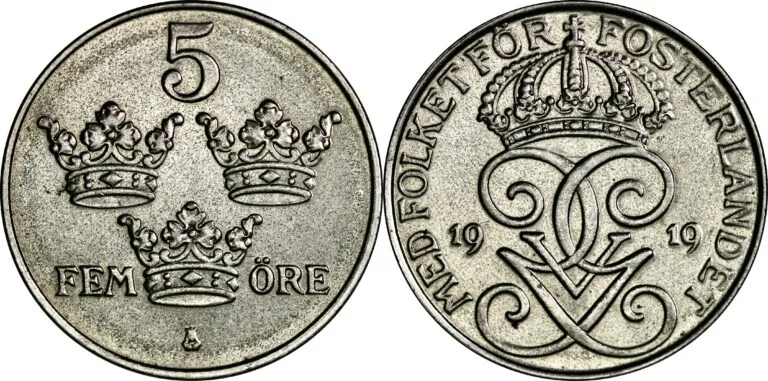
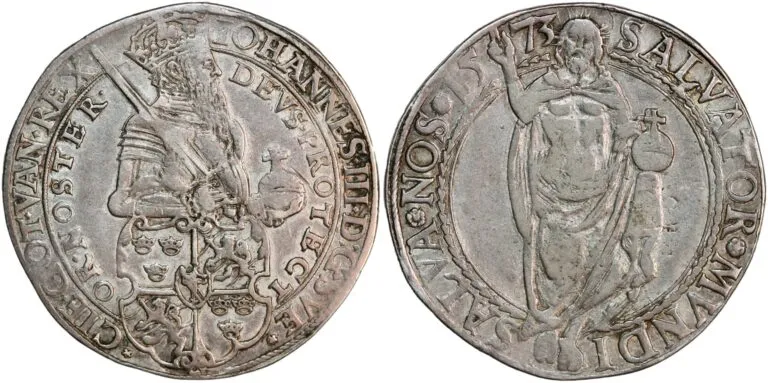
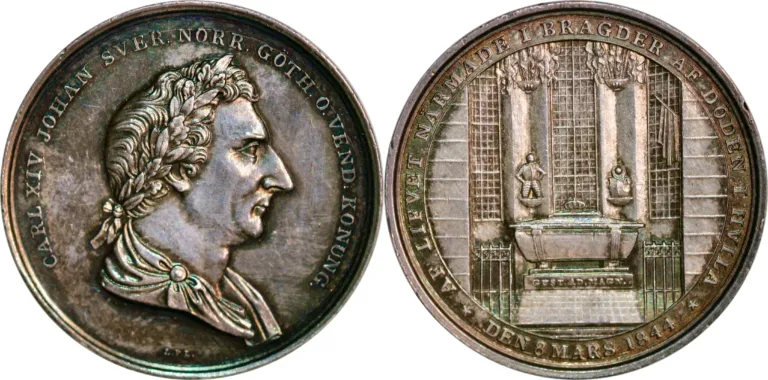
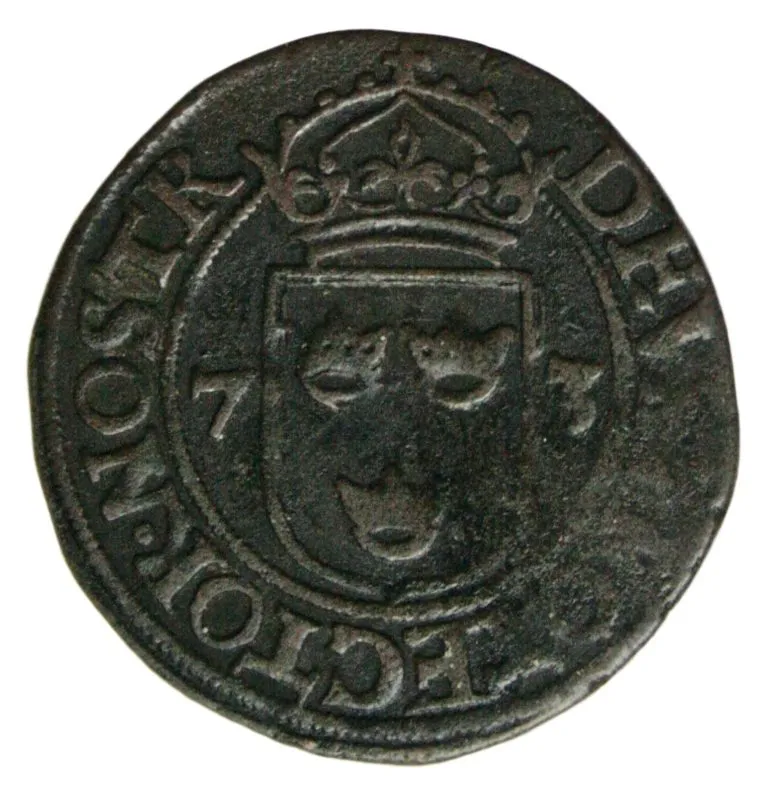
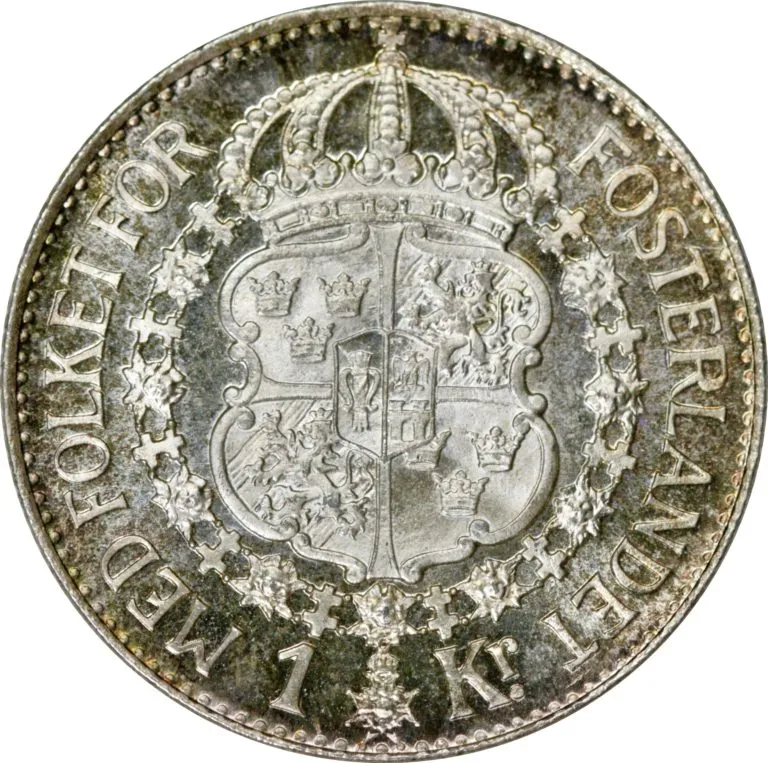
Swedish coins from Johan III to Gustaf V: silver daler and öre from the 1570s, early copper öre, 18th-century daler denominations, skilling coins of the union period and early krona coins, plus a medal and a book on plate money.
Sweden’s coinage changed many times between the 16th and the 20th century. Silver coins dominated at first, but in the 17th century Sweden became one of Europe’s great copper producers, and copper was used for coins on a scale seen almost nowhere else. In 1873 the country adopted the krona and öre, the same decimal system Norway adopted that year and put into use from 1874. The coins in this category follow these changes from 1573 to 1939.
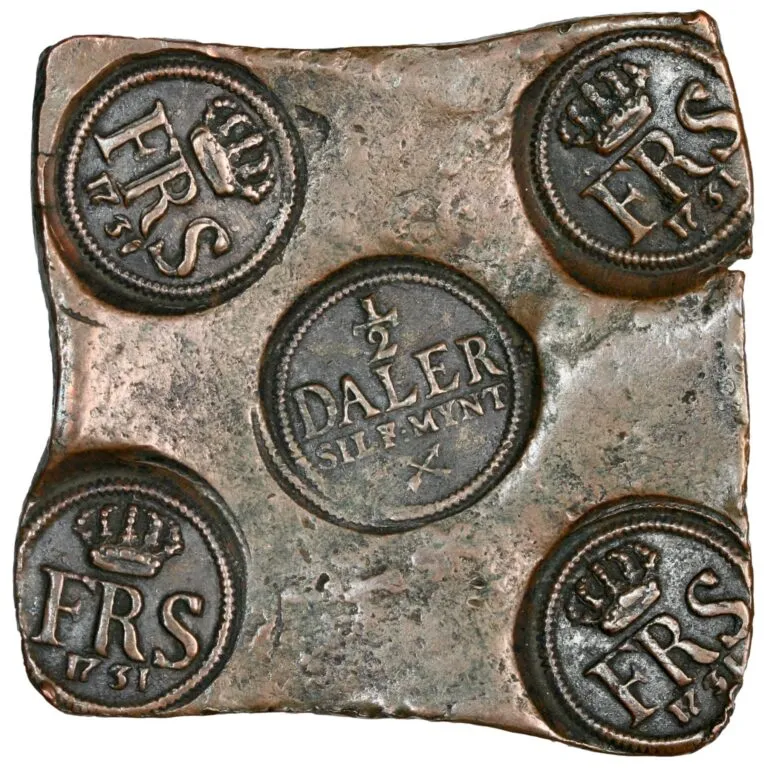
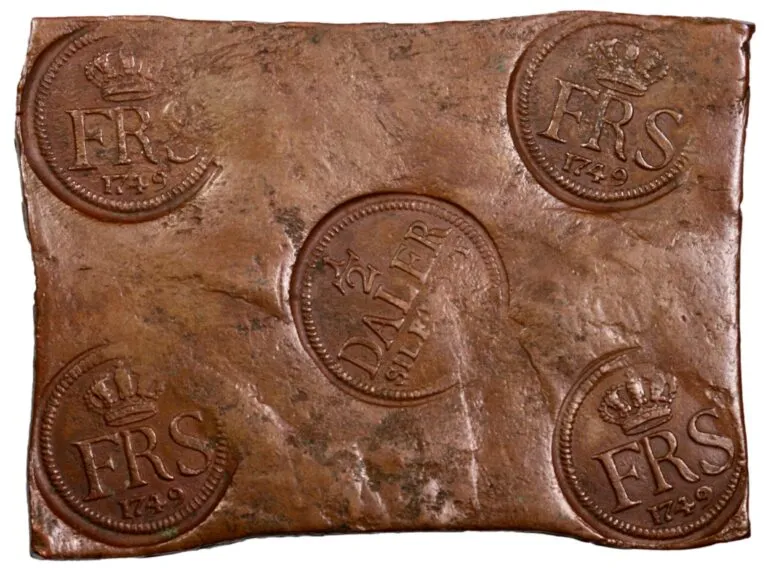
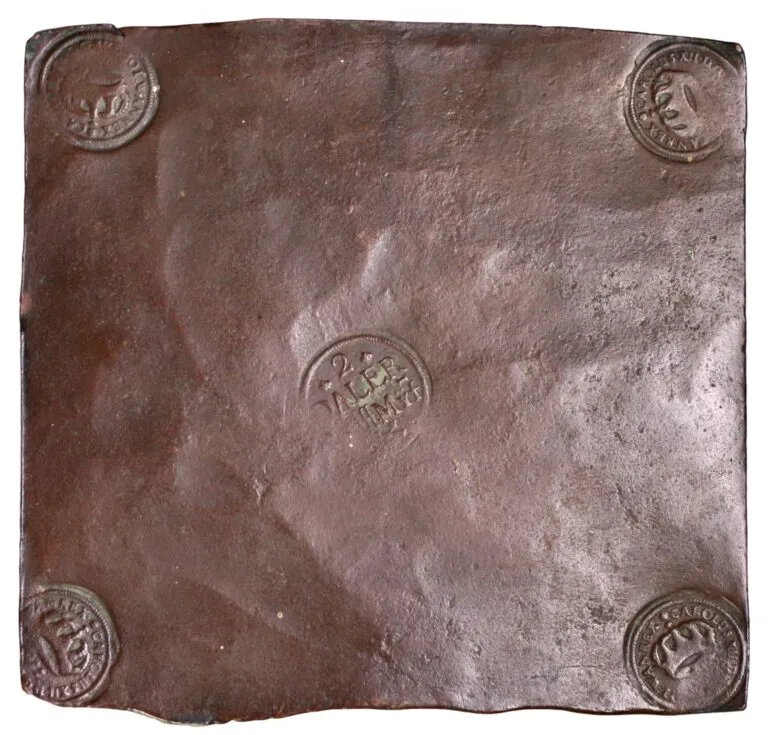
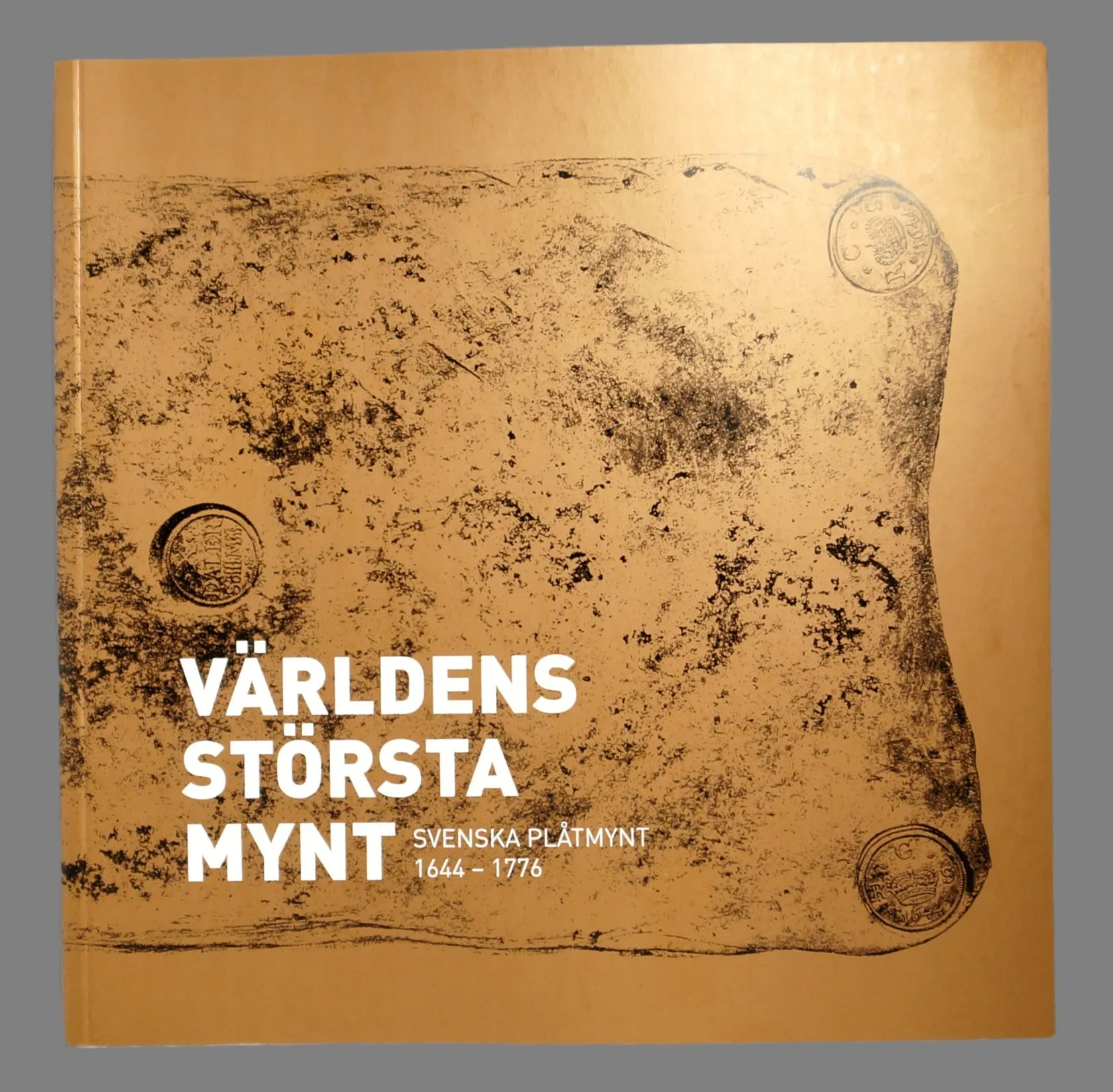
Because Sweden had abundant copper from mines such as Falun, the state used copper for money, and from 1644 to 1776 it even issued large copper plates stamped with their value, known as plate money. The daler, first struck in silver in the 16th century, survived as a unit of account in both silver and copper values. This dual system makes Swedish coins of the 17th and 18th centuries complex and rewarding to study.
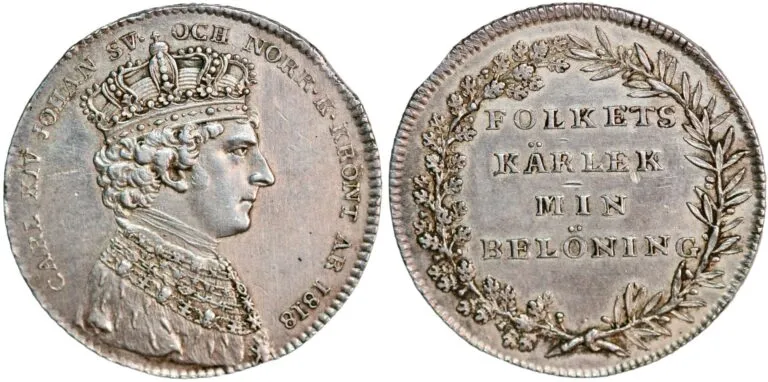
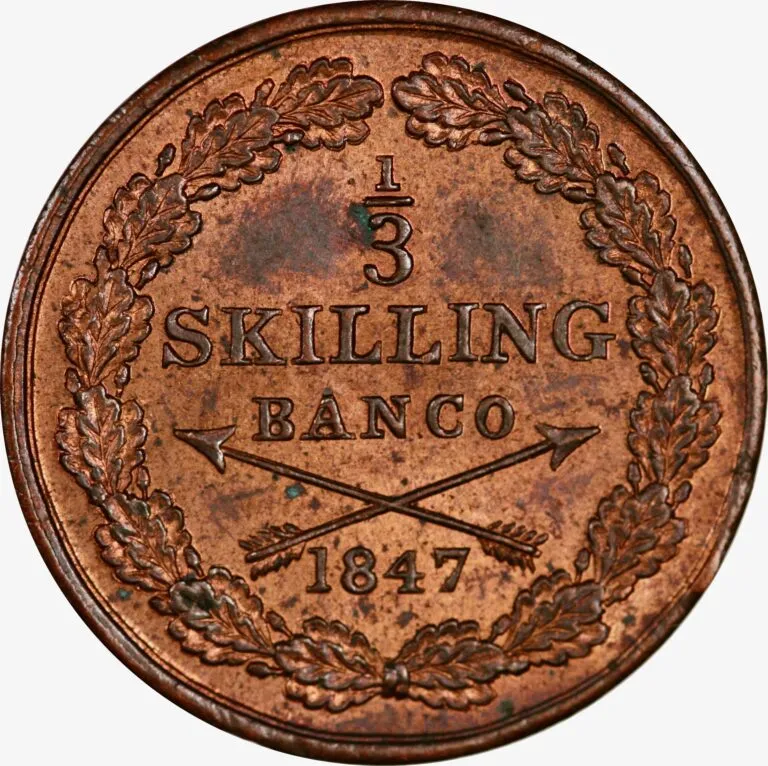
From 1814 to 1905 Sweden and Norway shared a king. The Swedish skilling coins of Karl XIV Johan and Oscar I are therefore close relatives of Norwegian coins of the same period, which you can find under Norway 1814 – 1874.
Early copper coins were struck on uneven flans and are rarely found in high grade, so a clear date and crown are important. For 19th- and 20th-century coins, mint lustre and the absence of cleaning or scratches make a big difference. More coins from the rest of Europe are found under Europe.
Plate money (plåtmynt) consisted of large rectangular copper plates stamped with their value, issued in Sweden between 1644 and 1776. They are among the largest coins ever made, and the category includes a book on the subject.
Sweden adopted the krona, divided into 100 öre, in 1873. Before that the riksdaler and skilling were in use, and earlier still the daler and öre.
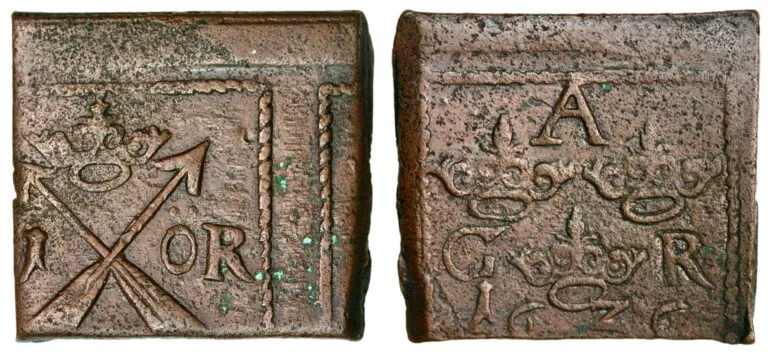
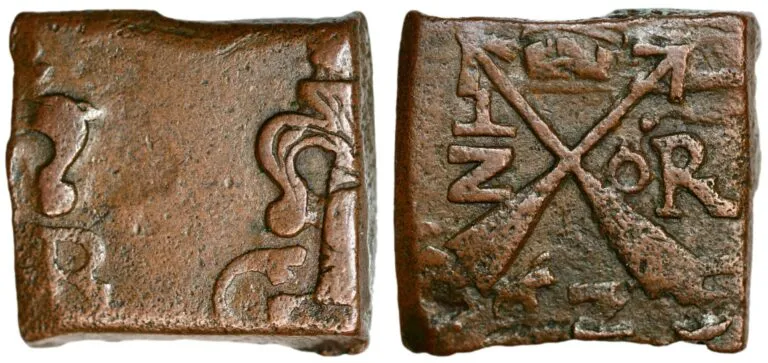
Sweden was one of Europe's largest copper producers in the 17th century, and the state used copper extensively for coinage. Copper öre from the 1620s are among the early examples in this category.
Yes. Every item is researched and described as accurately as possible, and Denarius guarantees that everything sold is genuine and as described.
Every item gets its own number when it is catalogued. The number is shown on the product page, so you always know exactly which example it is.
Yes. We ship worldwide. Shipping method and price are shown at checkout before you pay.
Read more
From the silver penny to the groat and the great gold coins: a collector's guide to medieval coins, how they were made…
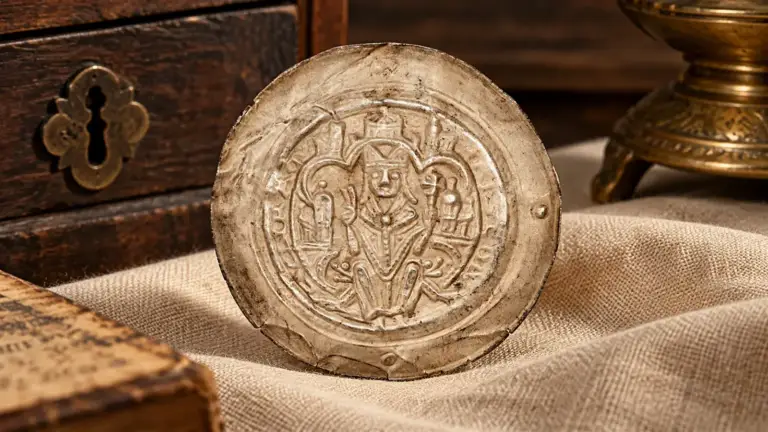
A bracteate is a paper-thin silver coin struck on one side only, and for much of the Middle Ages it was Norway's…
In early 2022, Denarius published two remarkable German bracteates in the space of two weeks: a huge coin from the archbishopric of…