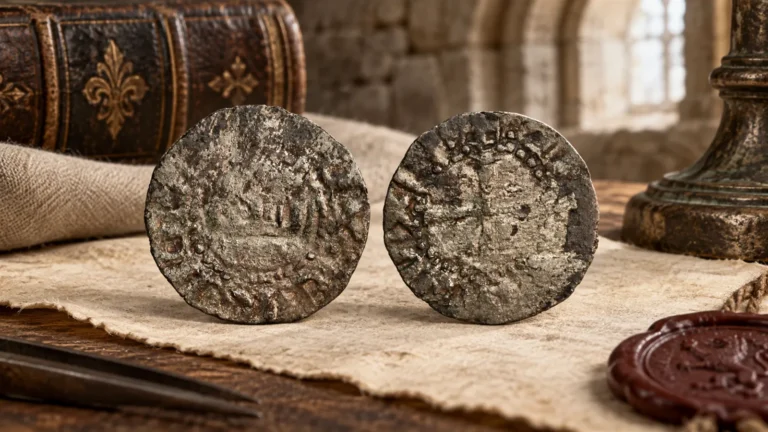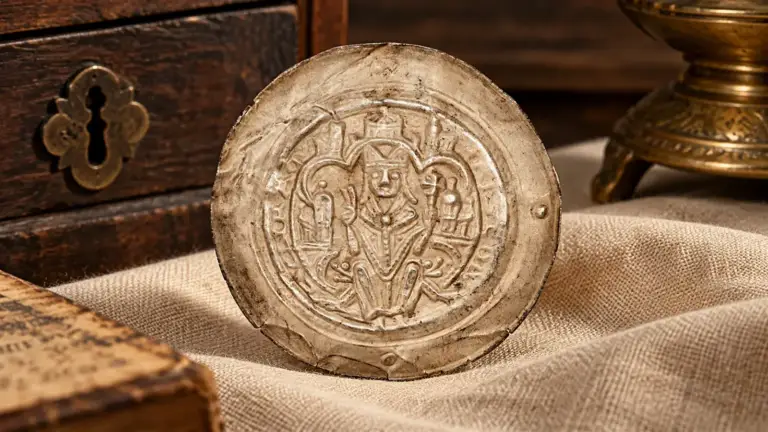
Medieval coins: hammered pennies, groats and gold
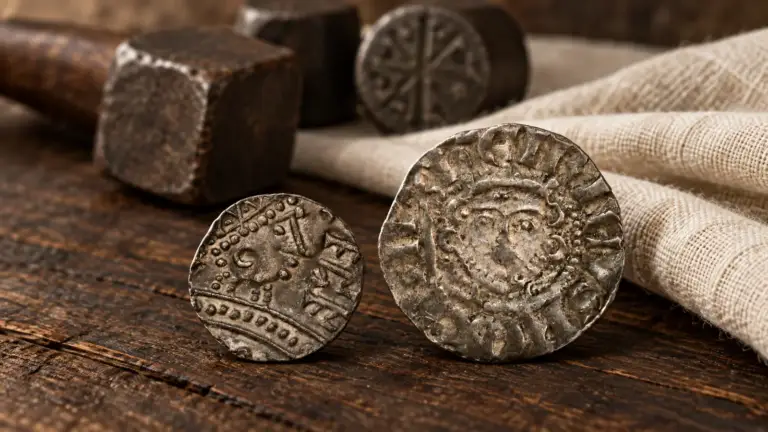
From the silver penny to the groat and the great gold coins: a collector's guide to medieval coins, how they were made…
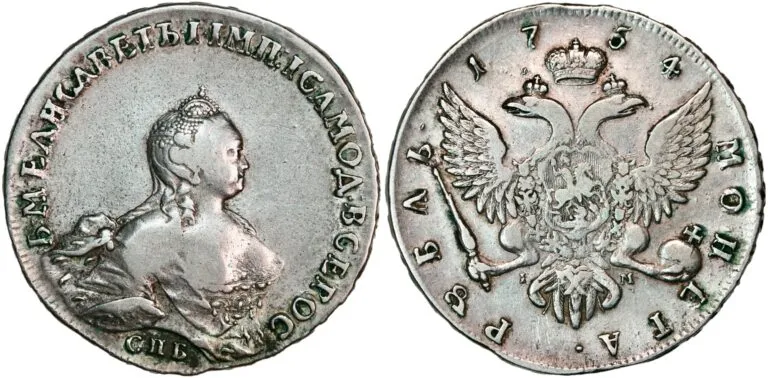
Russian coins from Peter I to Nicholas II: heavy 18th-century copper kopeks, silver roubles and kopeks, a cast Kunersdorf medal rouble and a rare 1917 propaganda counterstamp. Every piece is examined, described and guaranteed genuine by Denarius.
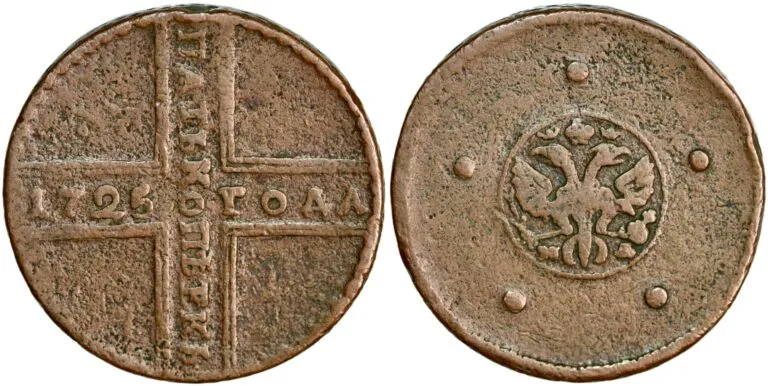
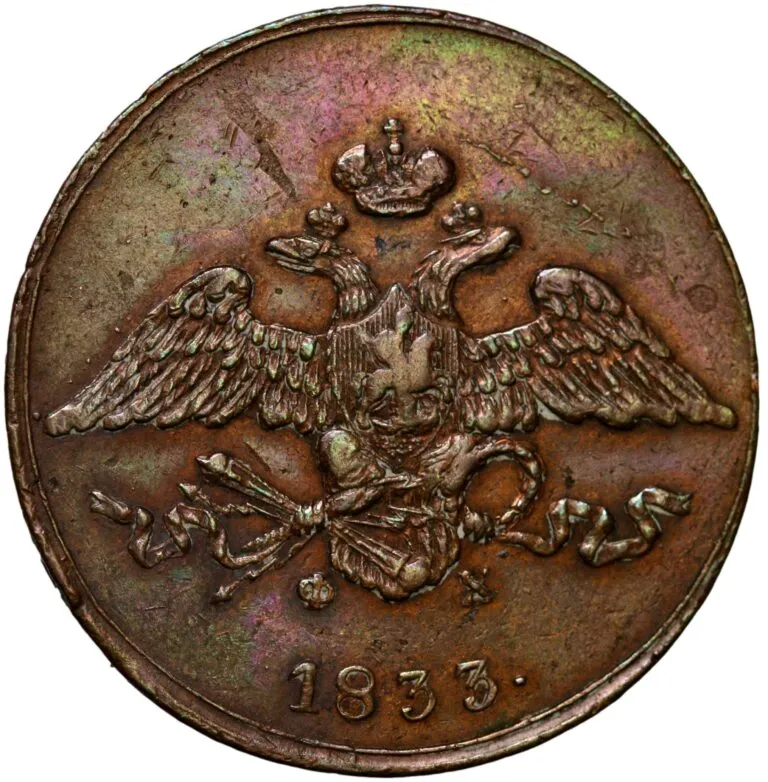
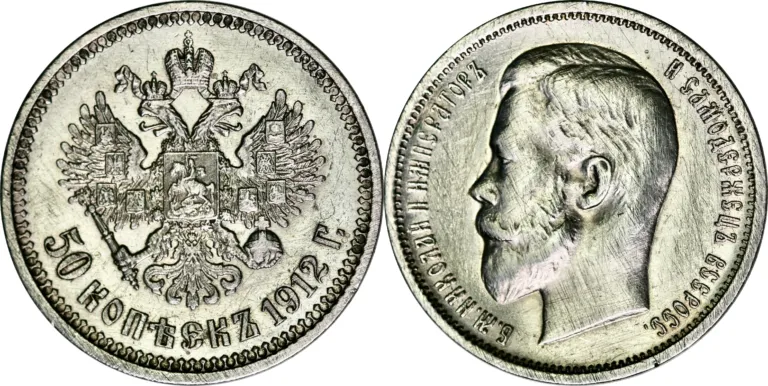
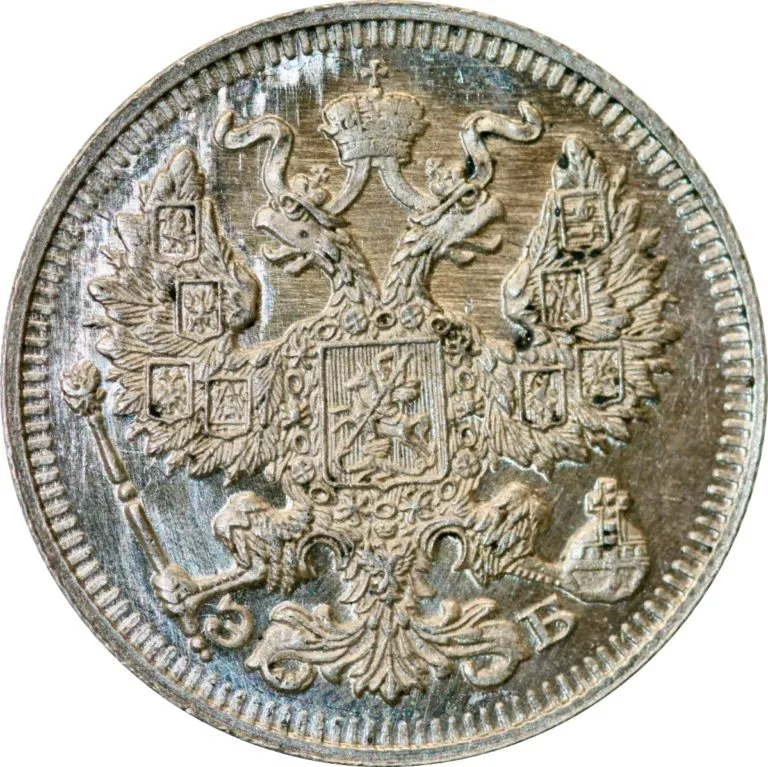
Modern Russian coinage begins with the reforms of Peter I (the Great) in the early 18th century, when Russia moved to a decimal system in which 100 kopeks made a rouble. Copper was used for the small denominations and silver for the rouble and its fractions. The coins in this category follow that system over almost two centuries, from a 5 kopeks of 1725, struck in Peter’s final year, to silver 20 and 50 kopeks of Nicholas II from 1912.
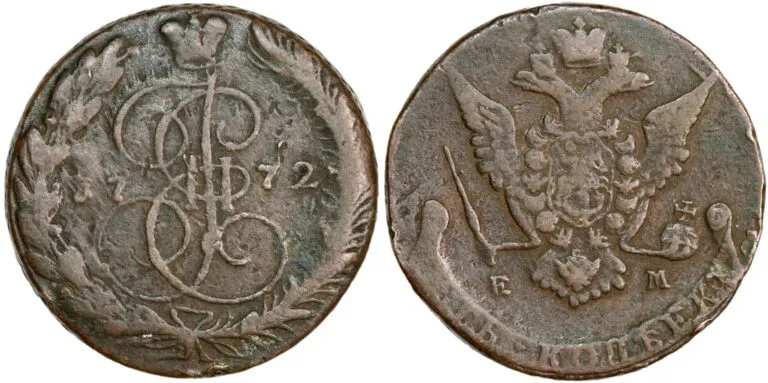
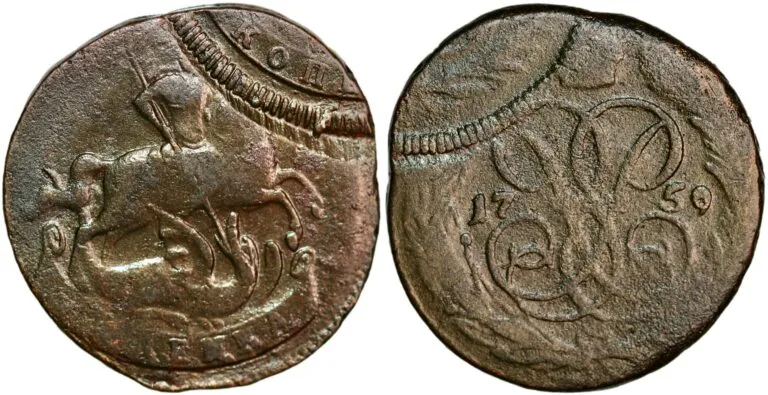
Russian 18th-century copper is heavy and was often struck on rough flans, so even, honest wear and a clear date and monogram count for a lot. Mint marks such as EM for Ekaterinburg tell where a coin was made. For the silver of Nicholas II, collectors look closely at lustre and hairlines, because small differences in grade matter for coins of this period. References such as Bitkin and the Krause catalogue (KM, C and Y numbers) are used to identify types and varieties.
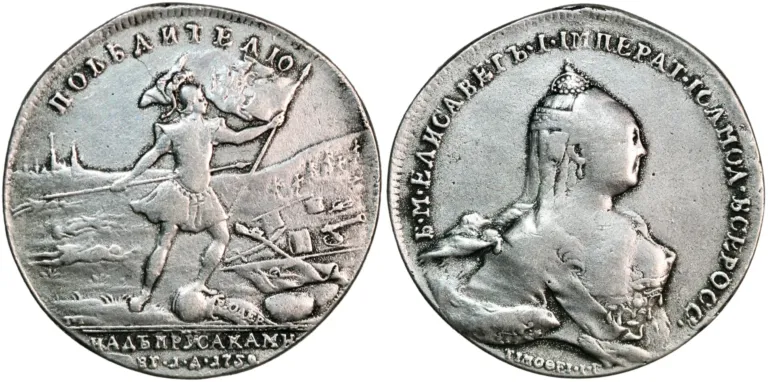
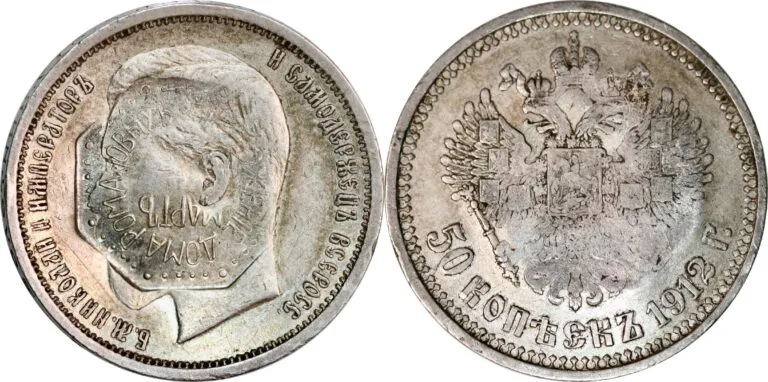
Coins can also be historical documents. The counterstamped 50 kopeks from 1917 belongs to the months after the February Revolution, when Nicholas II abdicated, and turned an ordinary imperial coin into a political statement. The Kunersdorf rouble recalls one of the battles of the Seven Years’ War. For more European coins, see the full Europe category.
The category contains coins from Peter I, Empress Elizabeth, Catherine II, Nicholas I and Nicholas II. The oldest coin is a 5 kopeks of 1725 and the latest regular coins are silver 20 and 50 kopeks of 1912.
After the February Revolution of 1917, some existing imperial coins were stamped with political texts. The example here is a 50 kopeks of 1912 with an octagonal stamp in Russian referring to the deposition of the Romanov dynasty. Such pieces are rare and are catalogued separately from the host coin.
Russian copper coinage of the period had a high weight per denomination, so a 5 kopeks could weigh 20 to over 40 grams. The coins were valued partly by their metal content, which made them large and heavy compared with later issues.
Yes. Every item is researched and described as accurately as possible, and Denarius guarantees that everything sold is genuine and as described.
Every item gets its own number when it is catalogued. The number is shown on the product page, so you always know exactly which example it is.
Yes. We ship worldwide. Shipping method and price are shown at checkout before you pay.
Read more
From the silver penny to the groat and the great gold coins: a collector's guide to medieval coins, how they were made…
A bracteate is a paper-thin silver coin struck on one side only, and for much of the Middle Ages it was Norway's…
In early 2022, Denarius published two remarkable German bracteates in the space of two weeks: a huge coin from the archbishopric of…