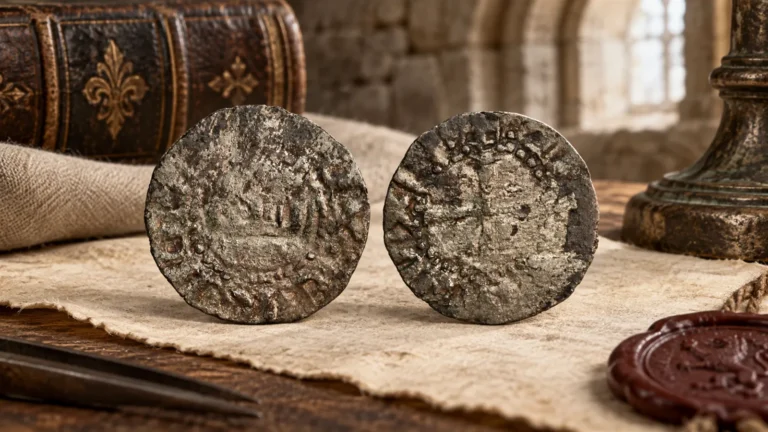
Medieval coins: hammered pennies, groats and gold
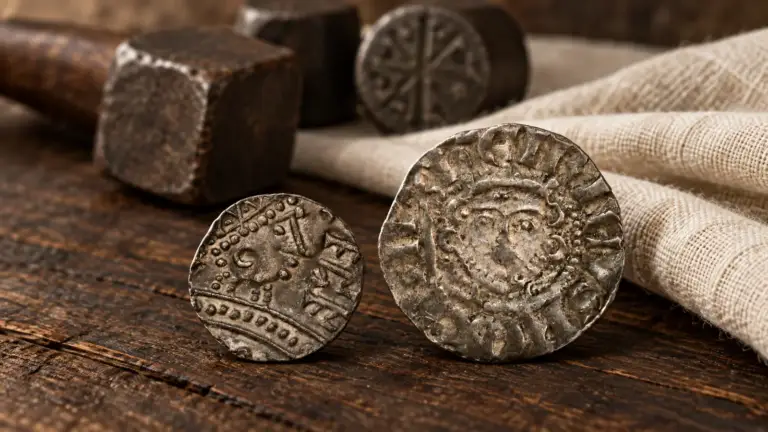
From the silver penny to the groat and the great gold coins: a collector's guide to medieval coins, how they were made…
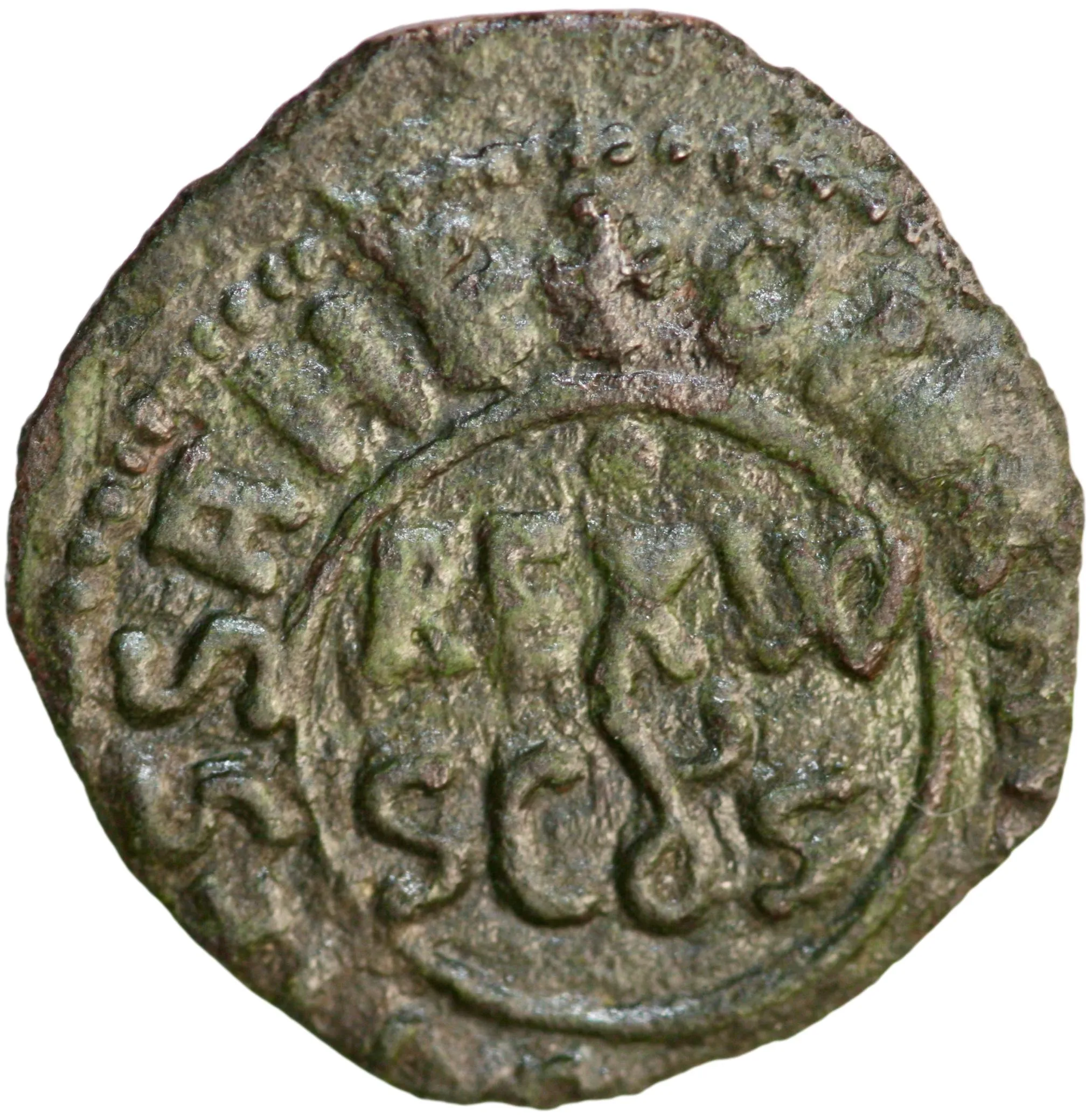
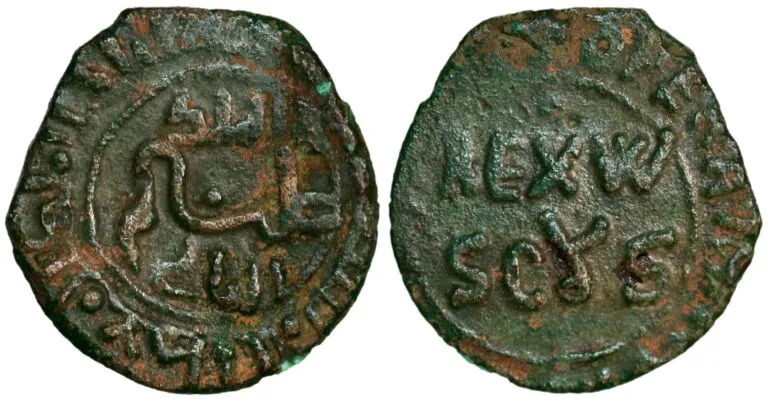
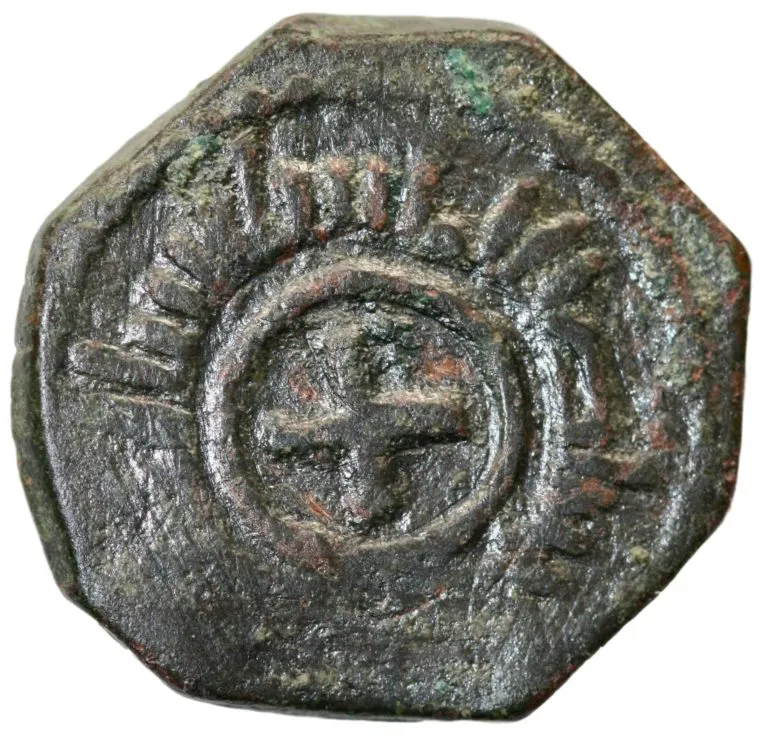
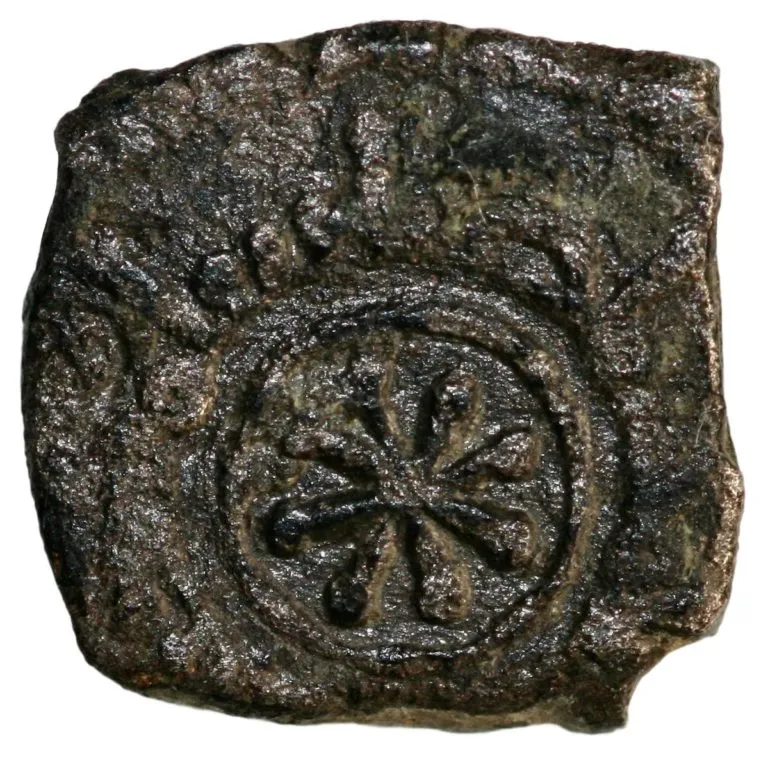
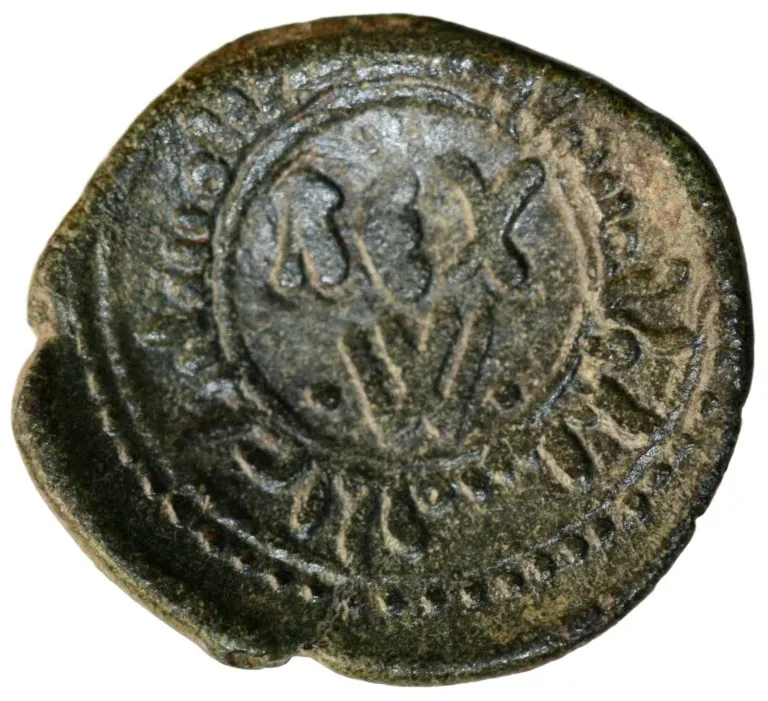
Coins from Norman Sicily: fractional dirhams and follari struck in Palermo and Messina under King William I and King William II in the 12th century. Each coin is examined, described and guaranteed genuine by Denarius.
In the 11th century Norman adventurers conquered southern Italy and Sicily, and in 1130 Roger II was crowned the first King of Sicily. The island had been under Byzantine and then Arab rule, and the Norman kings took over existing traditions rather than replacing them. Their coinage is a striking mix of cultures: Arabic inscriptions, Byzantine denominations and Latin Christian symbols can all appear on the coins of the same kingdom.
Palermo was the capital and the main mint of the kingdom, while Messina, on the strait facing the Italian mainland, was the other important mint. The kings also struck gold coins known as tarì, but the silver and copper fractions in this category were the money of daily trade. After William II died without an heir in 1189, the kingdom passed through a period of conflict before it came under the Hohenstaufen emperor Henry VI in 1194.
The small silver coins are descended from the Islamic dirham and often carry Arabic legends, while the copper follaro takes its name from the Byzantine follis. These were everyday coins in a multilingual kingdom, and they are small and light, often weighing around one gram. Collectors identify them with references such as Spahr and the Medieval European Coinage volume on Italy, which are cited on each item.
Norman Sicilian coins were struck on small, often irregular flans, so a full, legible inscription is the main quality factor. Corrosion is common on copper. The coins here are in Fine to Very Fine condition. If you are interested in the Byzantine background, see Byzantine coins; more European coins are found under Europe.
Sicily was under Arab rule before the Norman conquest, and the Norman kings kept many administrative and monetary traditions. Arabic remained an official language at court, and it appears on many of their coins.
The follaro is a copper coin of medieval southern Italy and Sicily. Its name comes from the Byzantine follis, and fractions such as the mezzo follaro (half follaro) were struck under the Norman kings.
Yes. Every item is researched and described as accurately as possible, and Denarius guarantees that everything sold is genuine and as described.
Every item gets its own number when it is catalogued. The number is shown on the product page, so you always know exactly which example it is.
Yes. We ship worldwide. Shipping method and price are shown at checkout before you pay.
Read more
From the silver penny to the groat and the great gold coins: a collector's guide to medieval coins, how they were made…
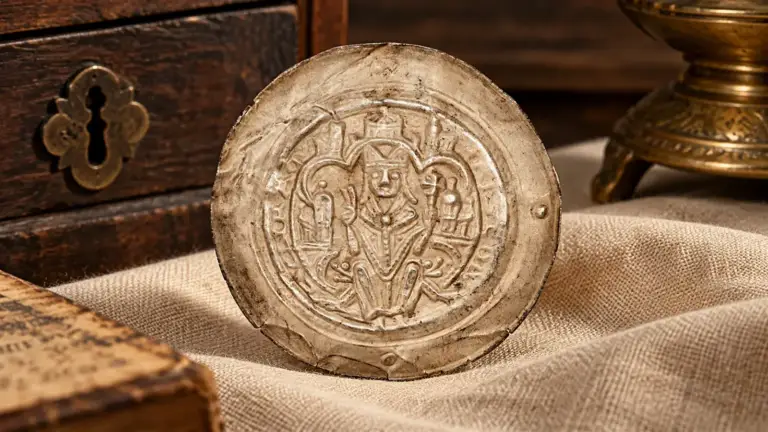
A bracteate is a paper-thin silver coin struck on one side only, and for much of the Middle Ages it was Norway's…
In early 2022, Denarius published two remarkable German bracteates in the space of two weeks: a huge coin from the archbishopric of…