Medieval coins: hammered pennies, groats and gold
From the silver penny to the groat and the great gold coins: a collector's guide to medieval coins, how they were made…
Foreign coins from around the world: medieval English and German silver, thalers, Danish, Swedish and Russian coins, Chinese cash and Indian rupees, and colonial silver from the Americas. Every coin is examined, photographed, described with its own protocol number and guaranteed genuine.
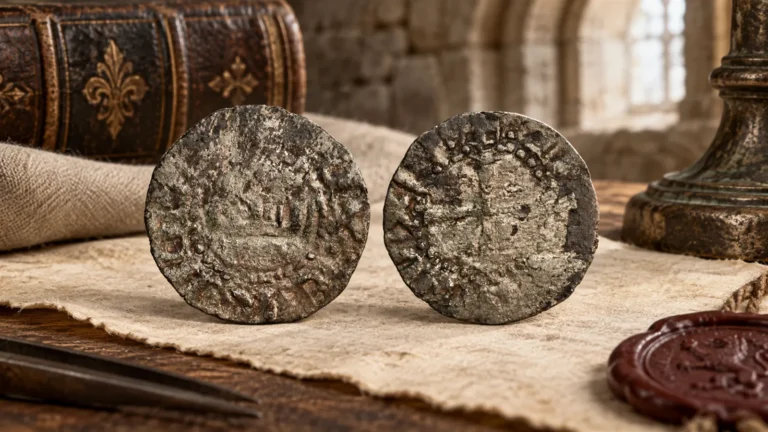
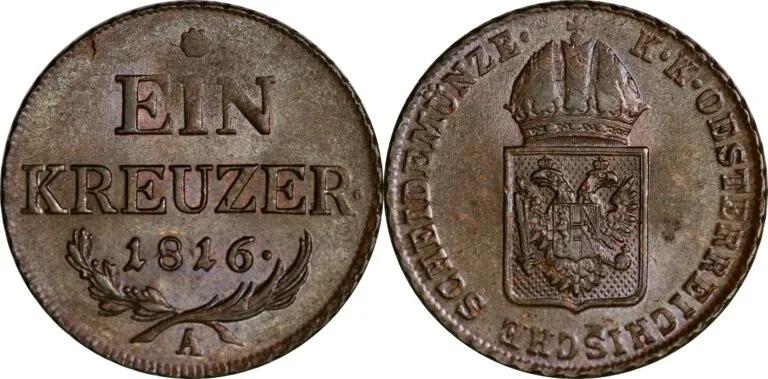
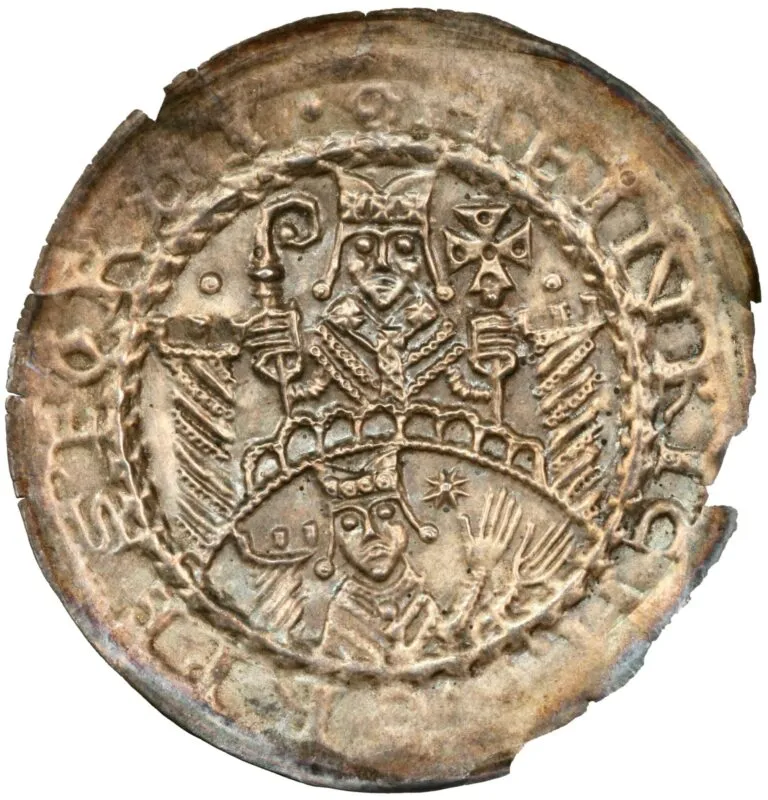
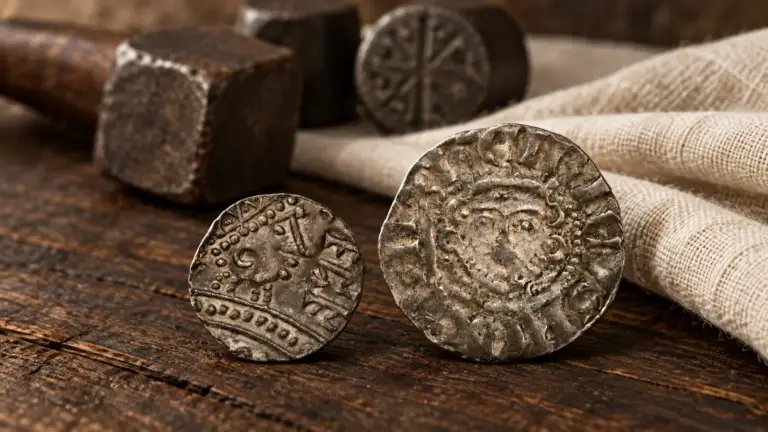
The Worldwide category gathers foreign coins from the early Middle Ages to modern times, sorted into Europe, Asia, Africa, America and Australasia. Europe is by far the largest group, with its own subcategories for England, Denmark, Sweden, Russia, France, Italy, Spain, the Benelux countries and Prussia, Germany and Austria. Here you find English hammered pennies and groats, German bracteates of the 12th and 13th centuries, thalers and daalders, Danish coins of Christian IV, Swedish coins from 1573 to the 20th century and Russian kopeks and roubles.
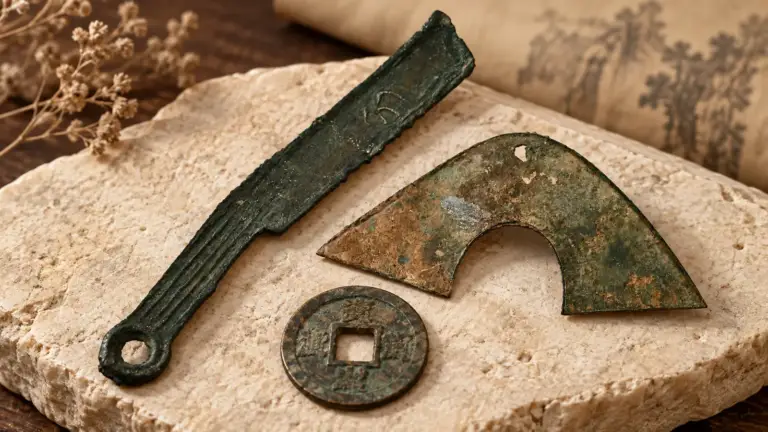
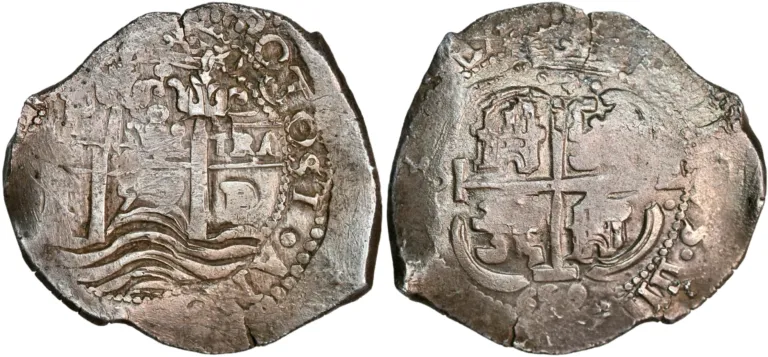
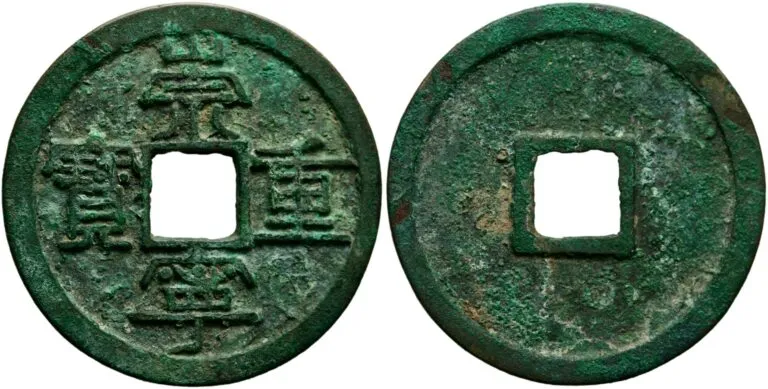
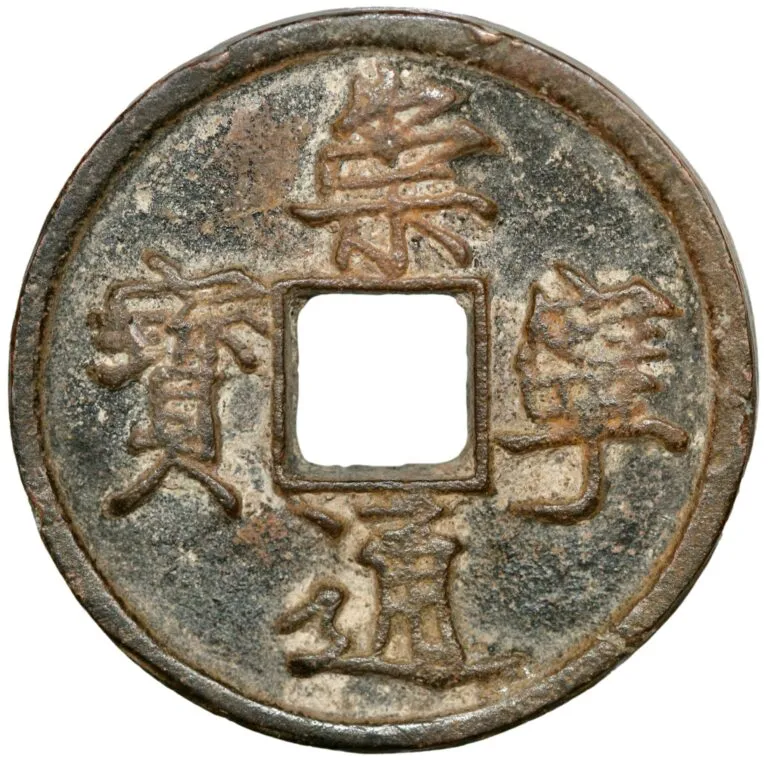
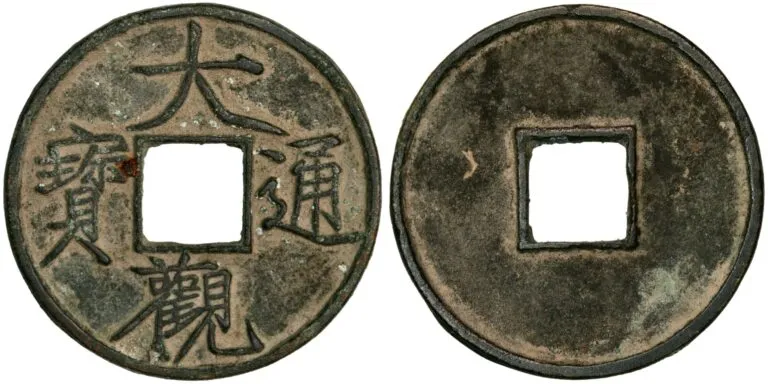
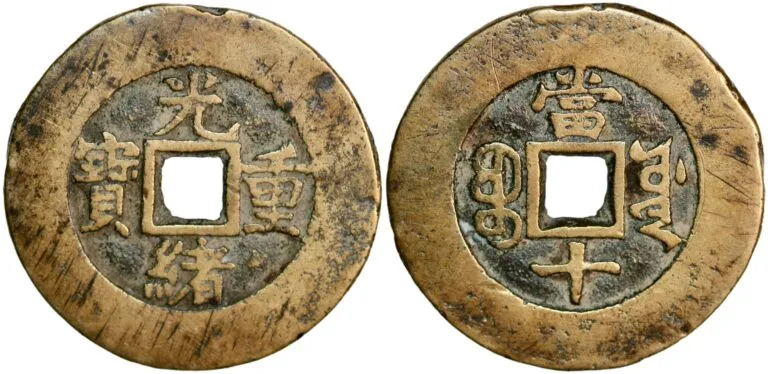
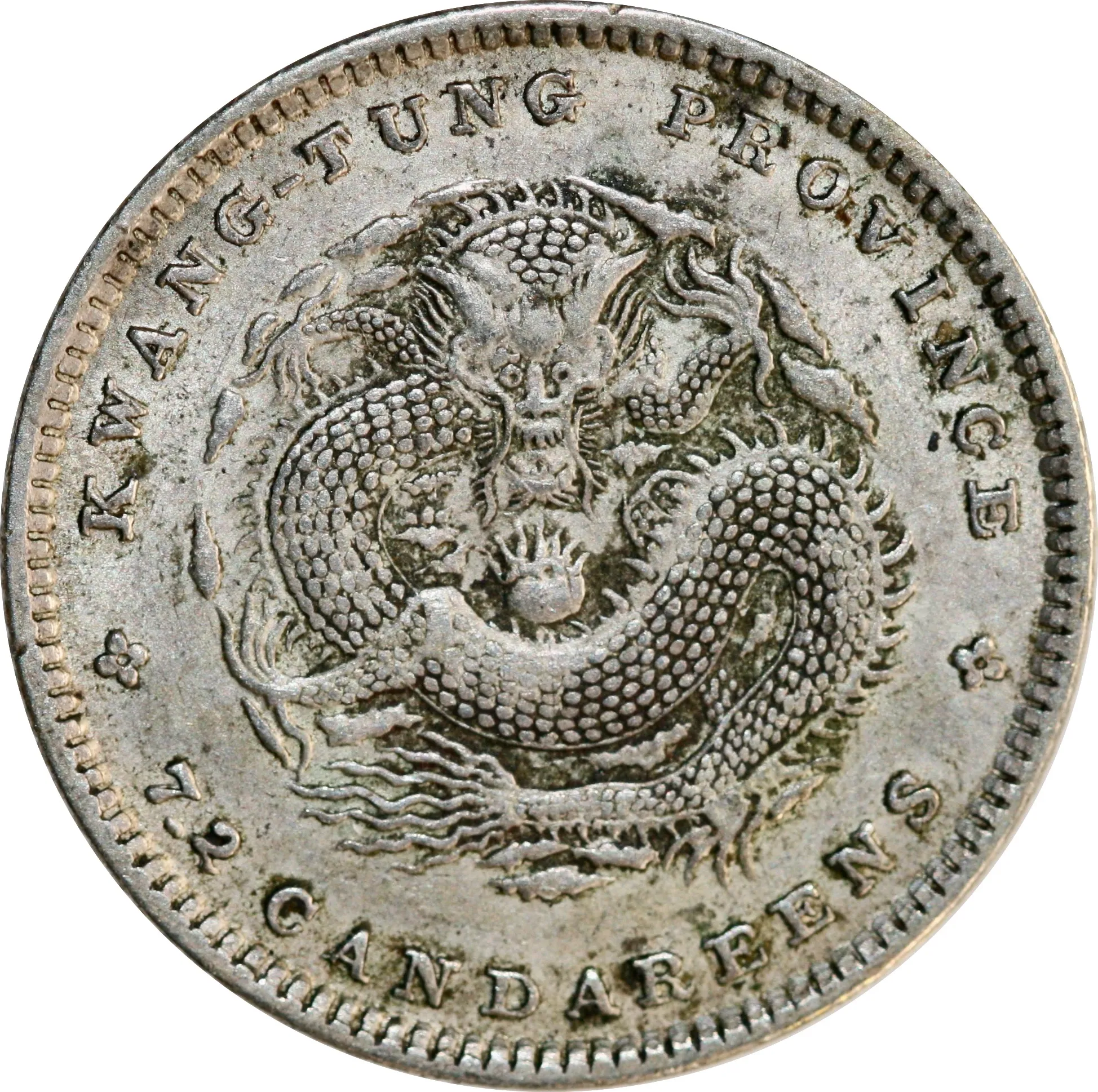
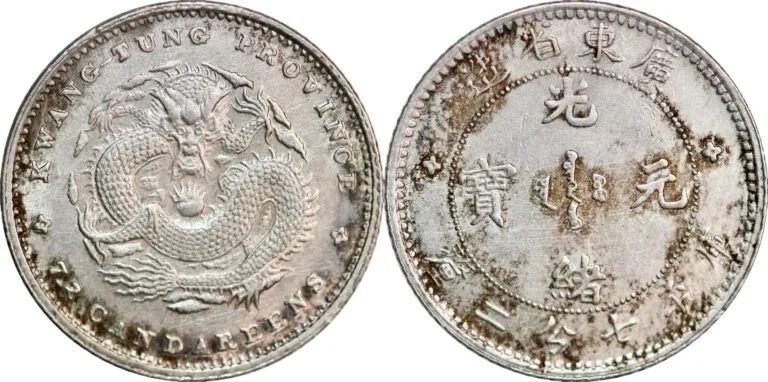
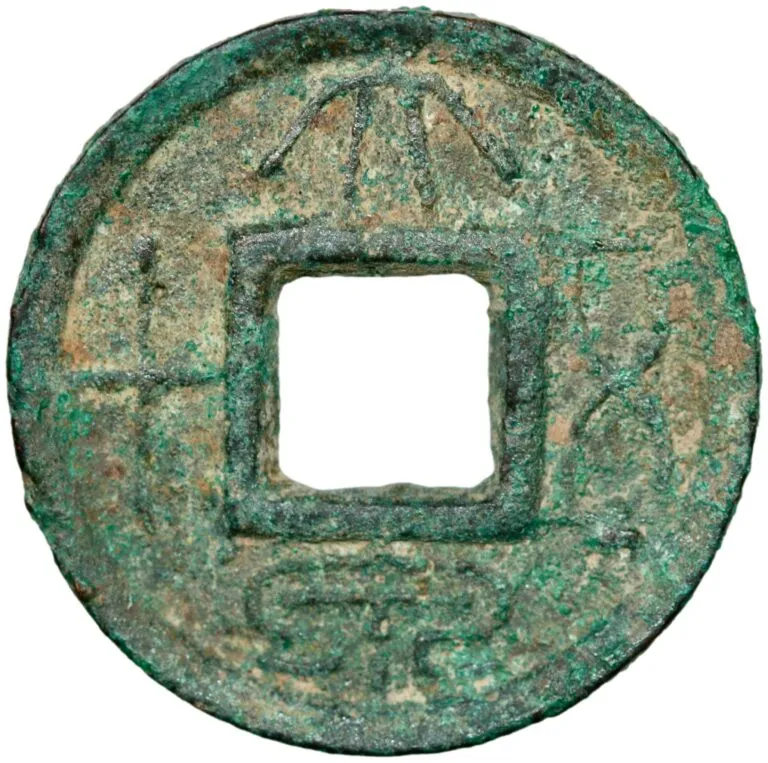
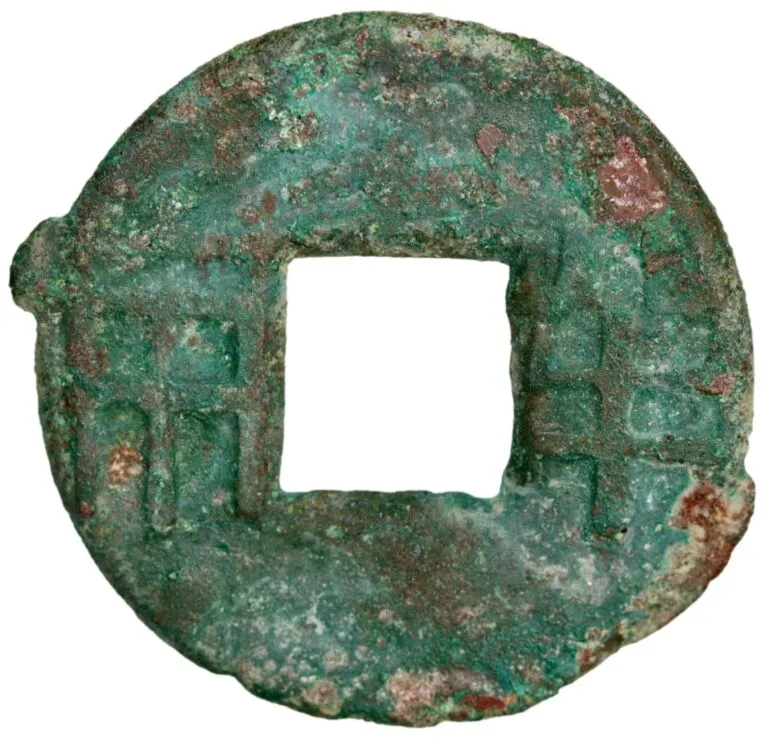
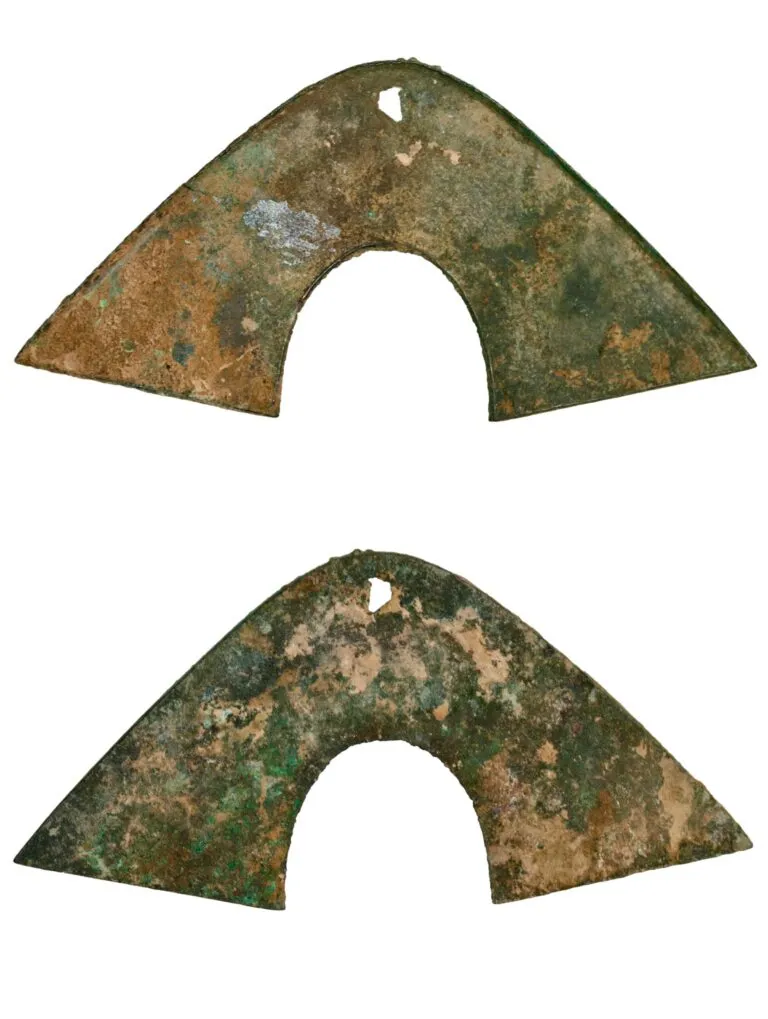
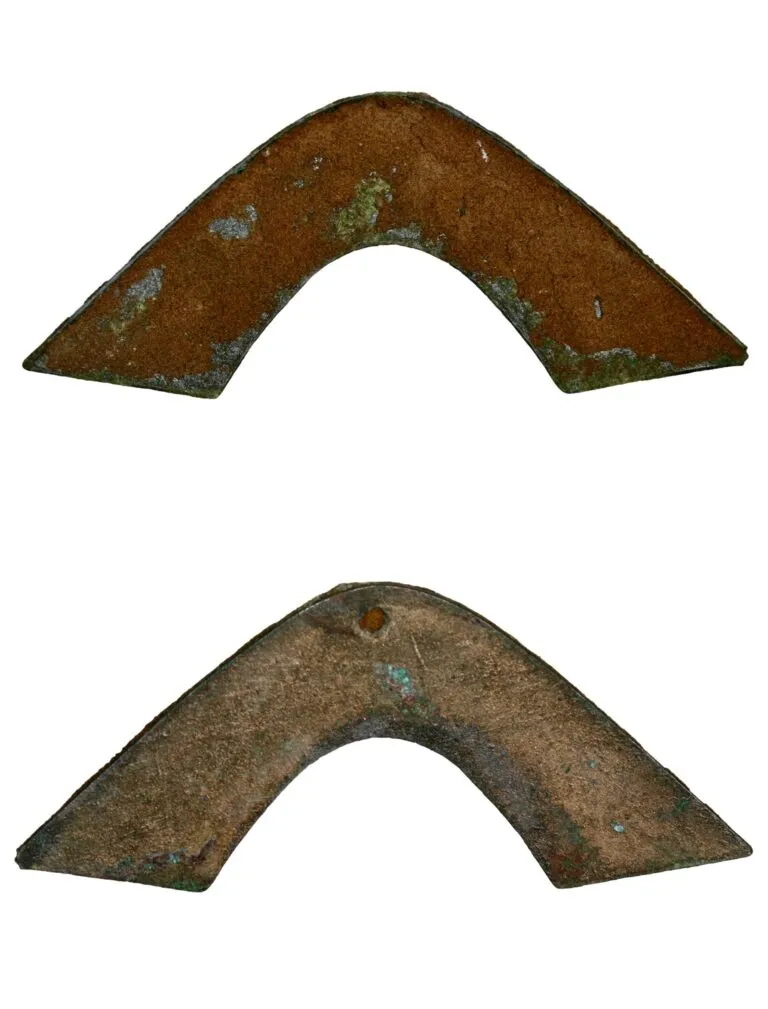
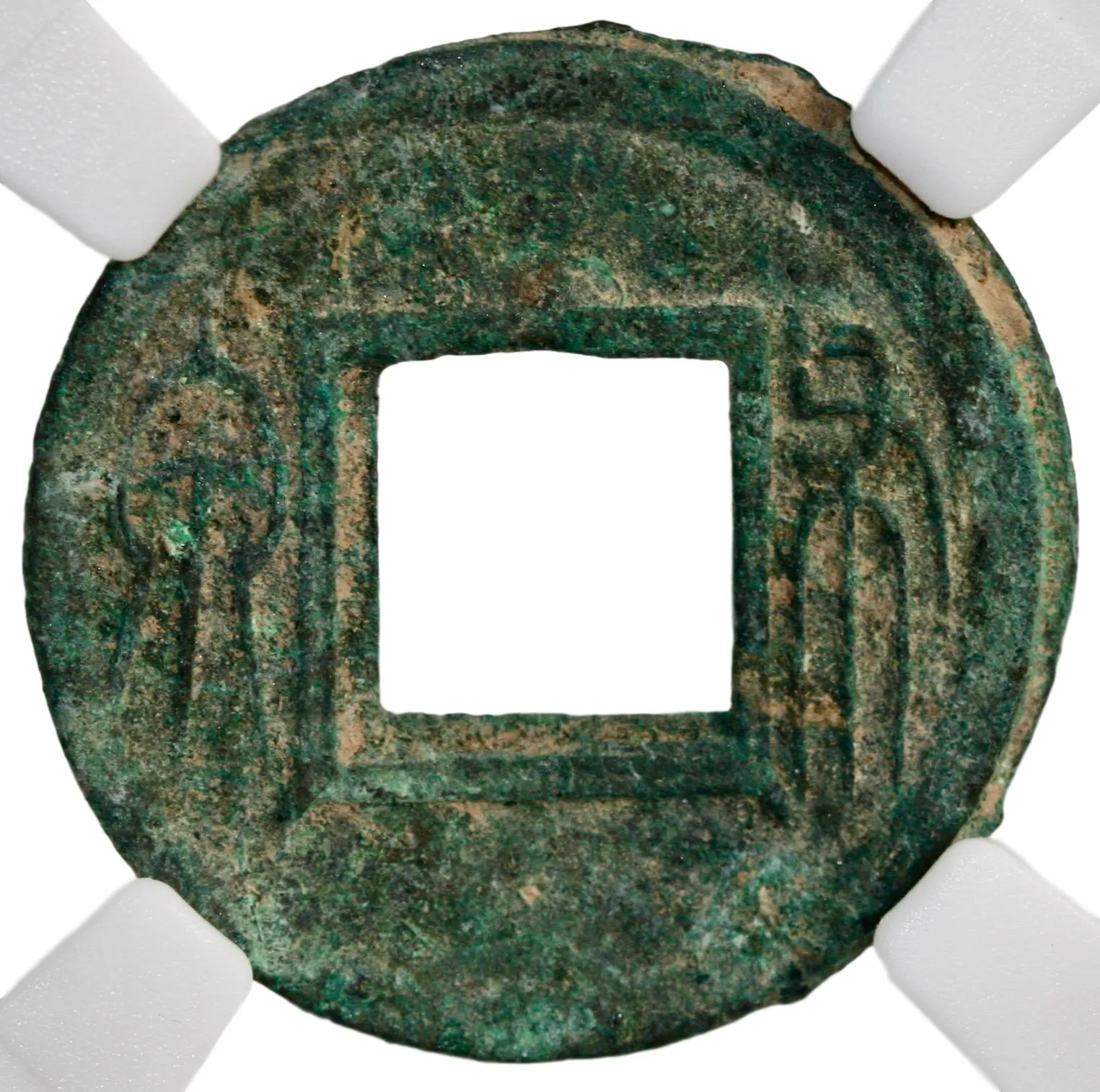
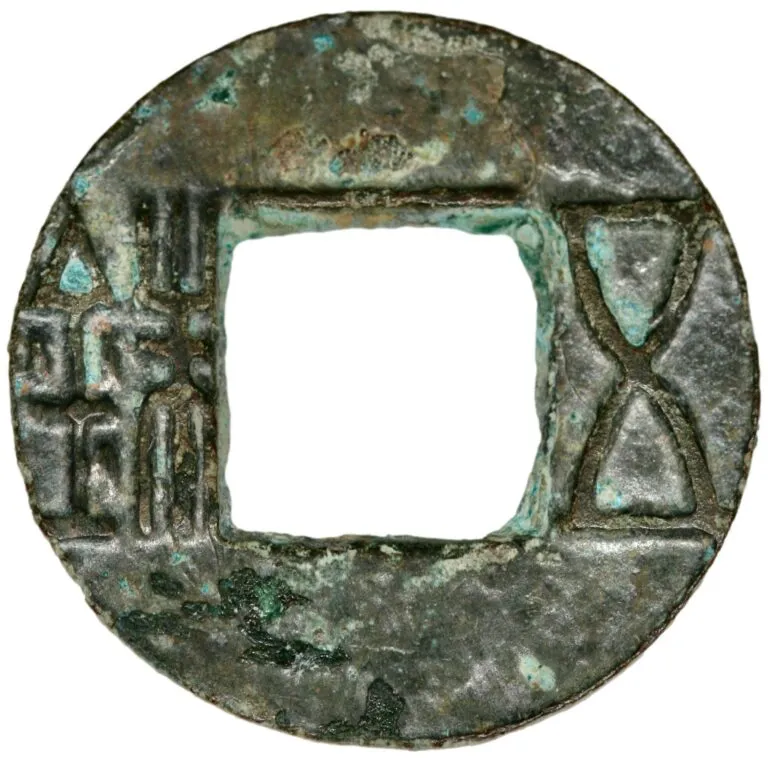
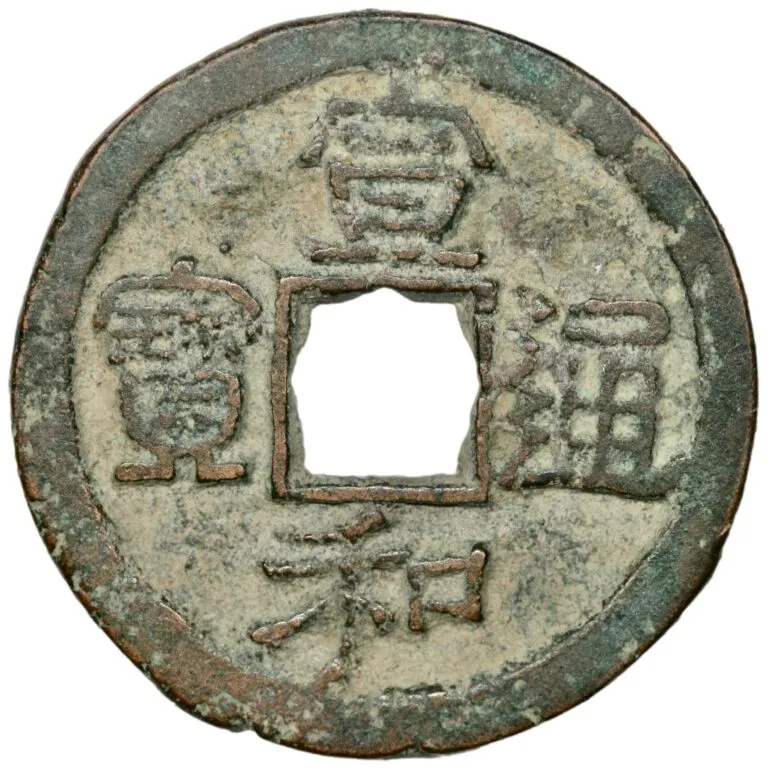
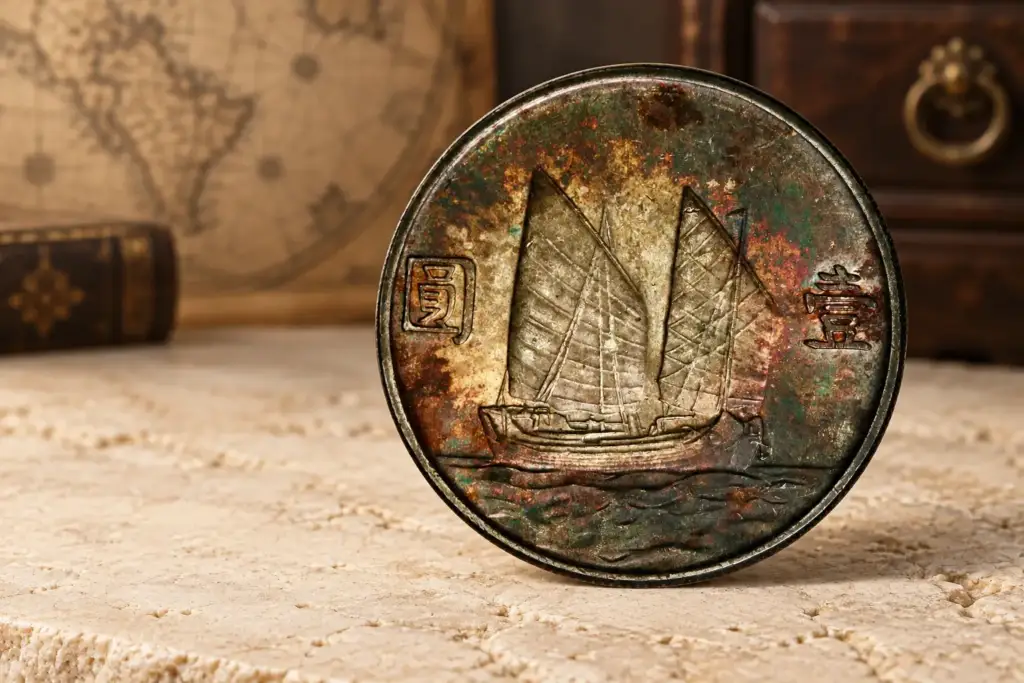
Asia is the second-largest group, with Chinese money from knife money and cash coins of the Han, Xin and Song dynasties to Qing dragon silver, rupees from the Mughal Empire and the East India Company, and a Japanese Tenpō Tsūhō. Africa is represented by silver from Egypt under King Farouk and a coin of Paul Kruger’s South African Republic, America by Spanish colonial silver from Potosí and Lima and coins from Brazil and the United States, and Australasia by a token from the Cocos (Keeling) Islands. Norwegian coins, ancient coins and coins from the Middle East and the Arctic have their own categories.
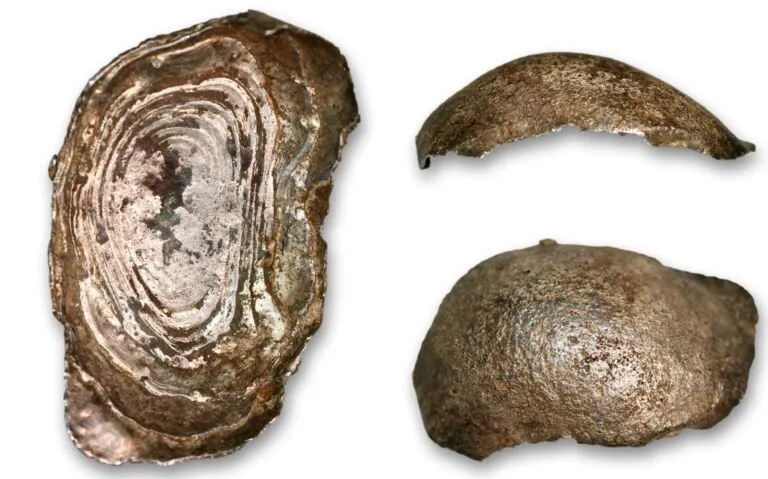
Coins were made in different ways in different parts of the world, and the method affects what you should look for:
Four factors matter most. Rarity: how many were made and how many survive. Condition: Norwegian dealers grade coins on a scale where 0 is uncirculated, 01 nearly uncirculated, 1+ very well preserved, 1 well preserved with clear wear and 1- or 2 for more worn coins; in English the terms are roughly UNC, aUNC, EF, VF and F. Strike and flan: a sharp, well-centred strike on a whole flan is worth more than a weak or off-centre one. Surface: an original, untouched patina is preferred, while cleaned or polished coins are valued lower.
Historical interest also counts. A coin of a famous ruler, from a dramatic period or with a visible error can be more sought after than its rarity alone would suggest. Each coin is described with ruler, mint, date, condition and catalogue reference, and the photographs show both sides.
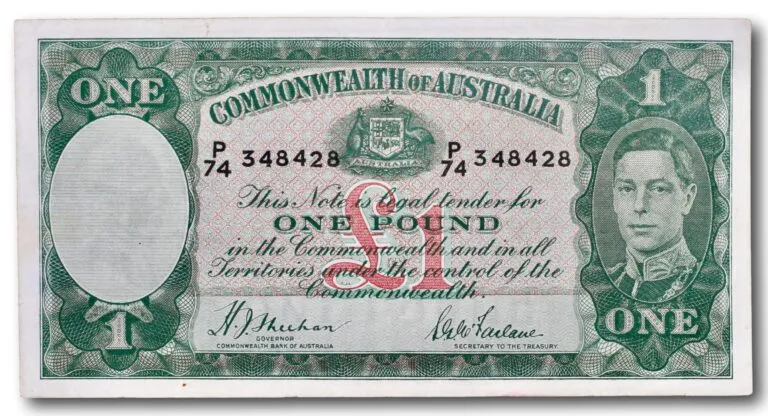
Every coin at Denarius is examined, photographed and described, and has its own protocol number. Most are single examples, so the coin you see is the coin you receive. Denarius guarantees that everything sold is genuine and as described, and ships worldwide. For paper money from the same countries, see the Banknotes category.
Norwegian coins, Greek and Roman coins and coins from the Middle East and the Arctic have their own categories. The Worldwide category covers foreign coins from Europe, Asia, Africa, America and Australasia.
No. Cleaning removes the original patina and leaves fine scratches, and collectors value cleaned coins considerably lower. Store coins dry and handle them by the edge.
A hammered coin was struck by hand between two dies, as was usual in Europe before machine striking took over. Hammered coins are often slightly off-centre or irregular in shape, which is normal for the type.
Yes. Every item is researched and described as accurately as possible, and Denarius guarantees that everything sold is genuine and as described.
Every item gets its own number when it is catalogued. The number is shown on the product page, so you always know exactly which example it is.
Yes. We ship worldwide. Shipping method and price are shown at checkout before you pay.
Read more
From the silver penny to the groat and the great gold coins: a collector's guide to medieval coins, how they were made…
From Zhou-period knife money and bridge money to round cash coins with a square hole: the story of ancient Chinese coins and…
A bracteate is a paper-thin silver coin struck on one side only, and for much of the Middle Ages it was Norway's…