Medieval coins: hammered pennies, groats and gold
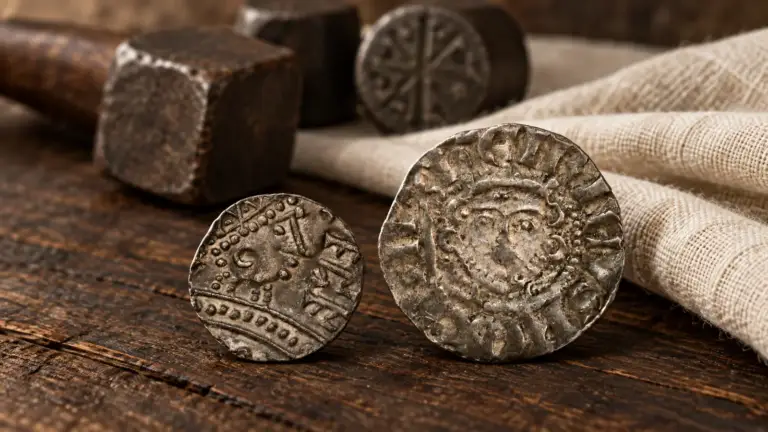
From the silver penny to the groat and the great gold coins: a collector's guide to medieval coins, how they were made…
Gold coins from antiquity to the 19th century, from many parts of the world. Every item is photographed, described and catalogued with its own number.
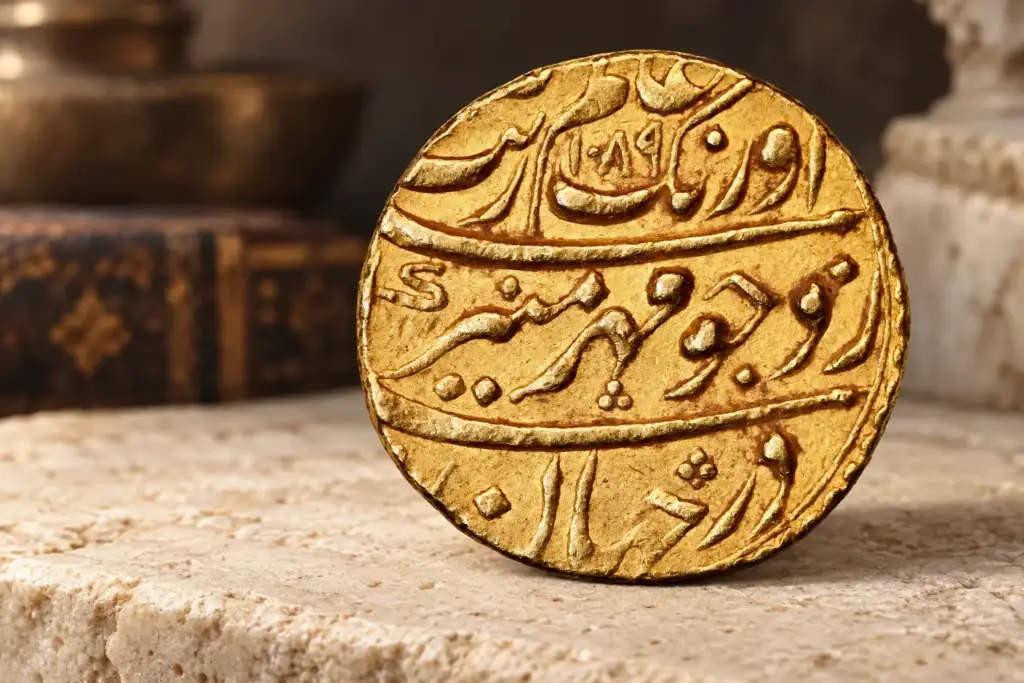
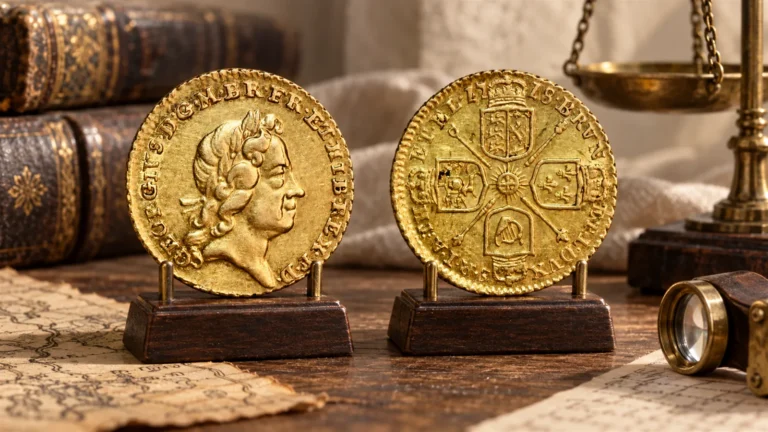
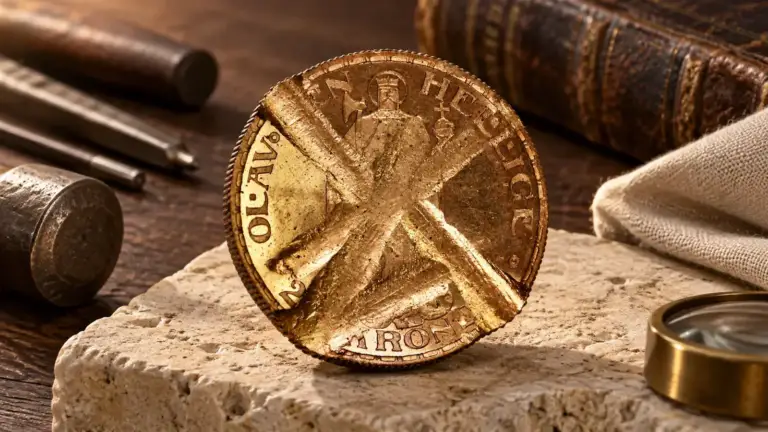
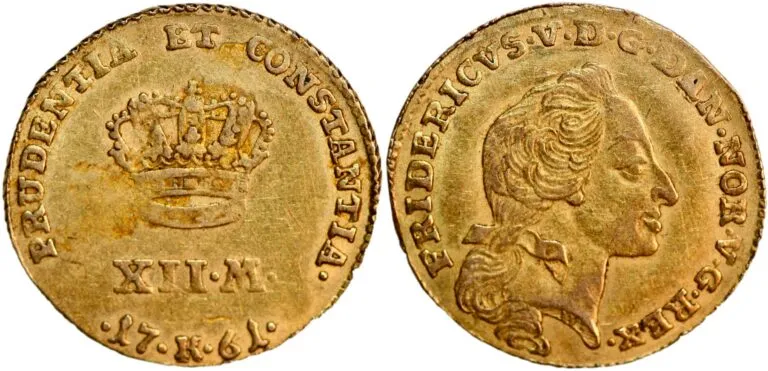
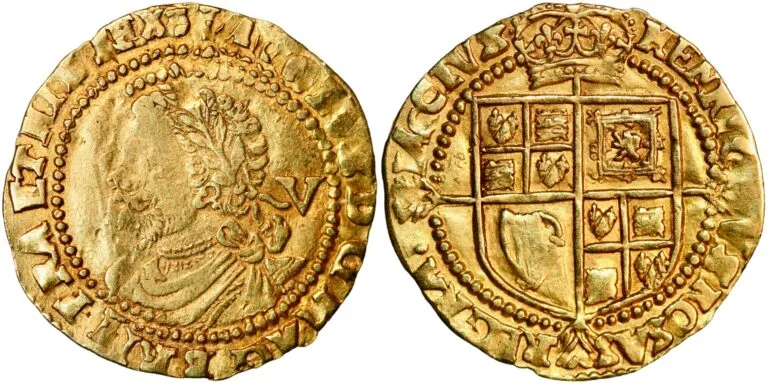
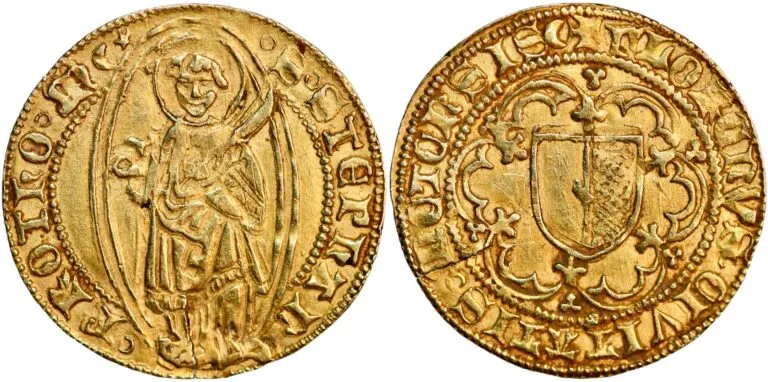
This category gathers historic gold coins: Celtic staters, medieval gold coins from France, England, Germany and Italy, gold dinars from the Islamic world and British guineas, with a few later pieces from Tunisia and Thailand. They were once money, not modern bullion, and their value lies as much in history, rarity and condition as in the metal. Each coin is described with weight, date and catalogue reference where available.
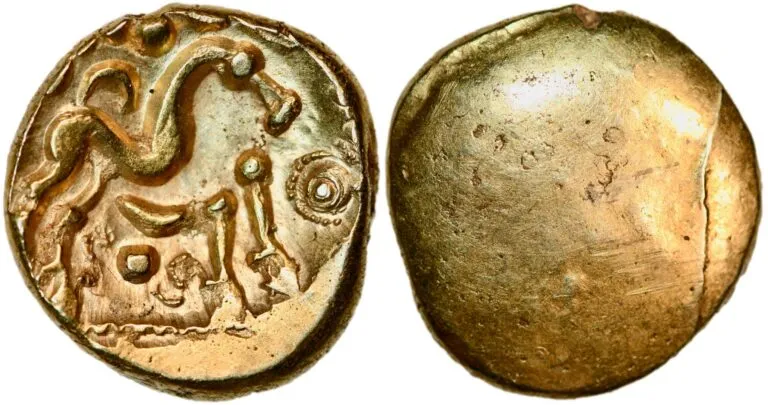
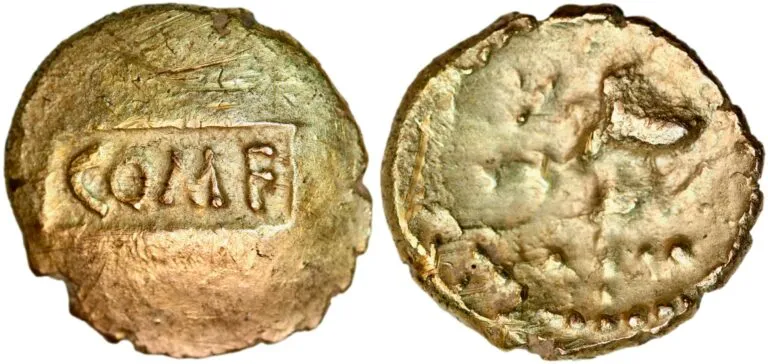
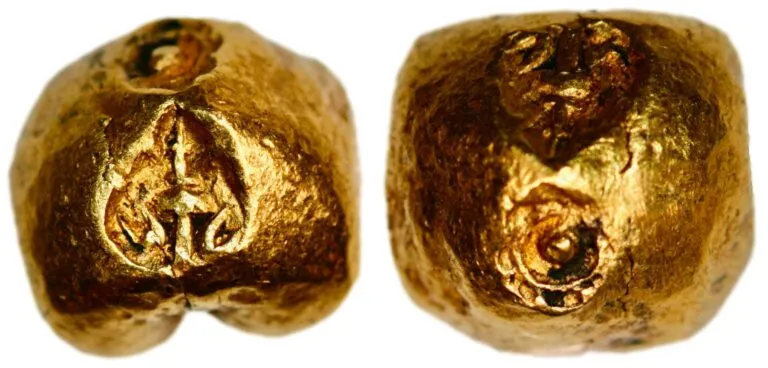
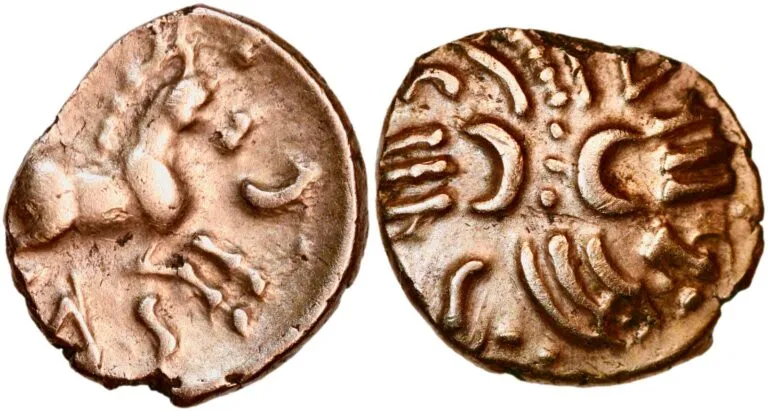
The Celts of Gaul and Britain struck gold staters modelled on the stater of Philip II of Macedon, with the head of Apollo on one side and a two-horse chariot on the other. Over generations the designs became more and more abstract. The category includes a stater of the Ambiani from Gallia Belgica (c. 100–50 BC) and British gold from around the turn of the era, struck under Tincomarus and by the Catuvellauni.
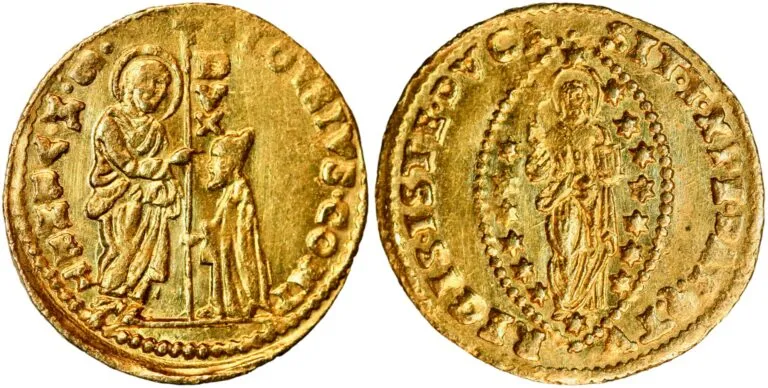
Western Europe began striking gold again in the 13th century. Florence struck the florin from 1252 and Venice the ducat from 1284, both of almost pure gold and weighing about 3.5 grams. The Venetian ducat was later called the zecchino, and its design, with the doge kneeling before St Mark, changed very little over the centuries, as on this zecchino of 1659–1674.
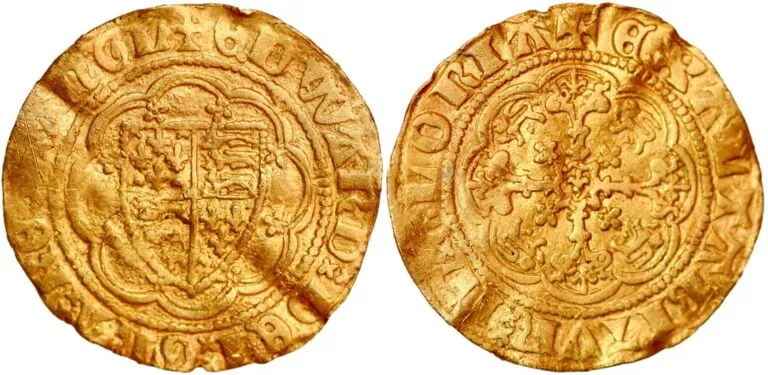
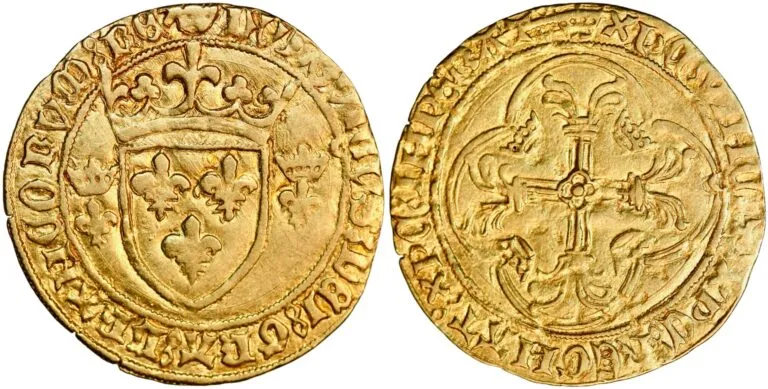
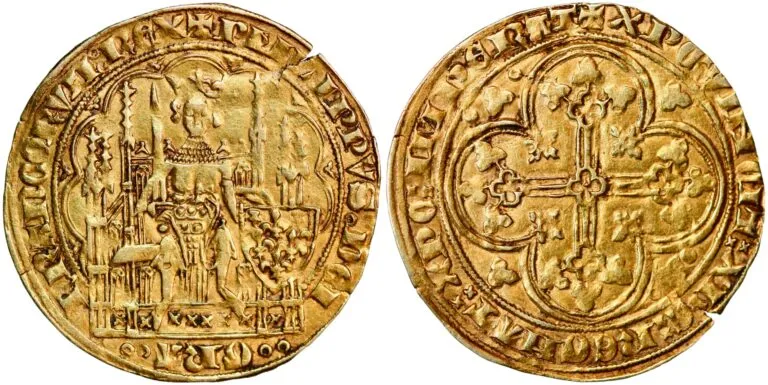
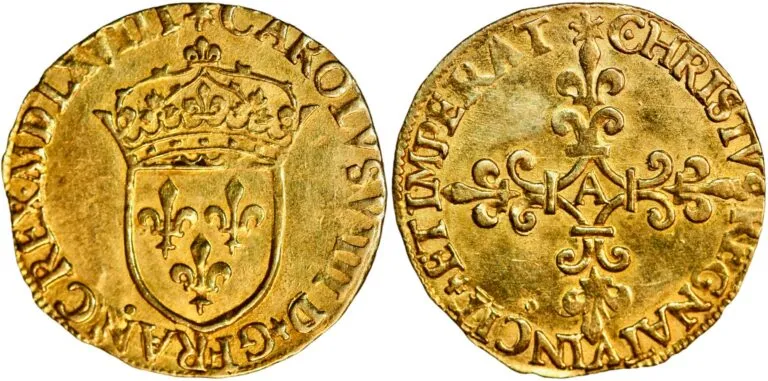
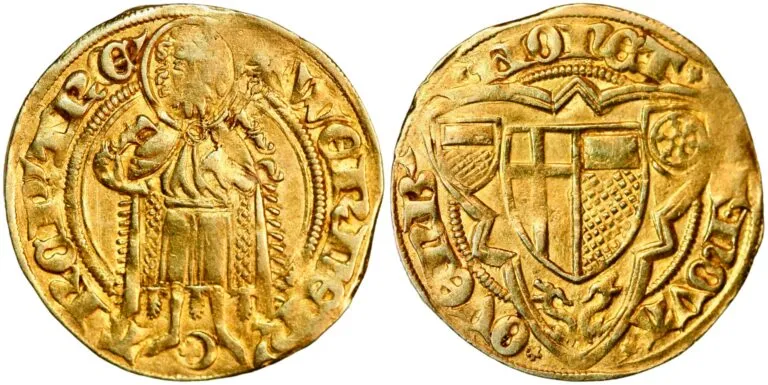
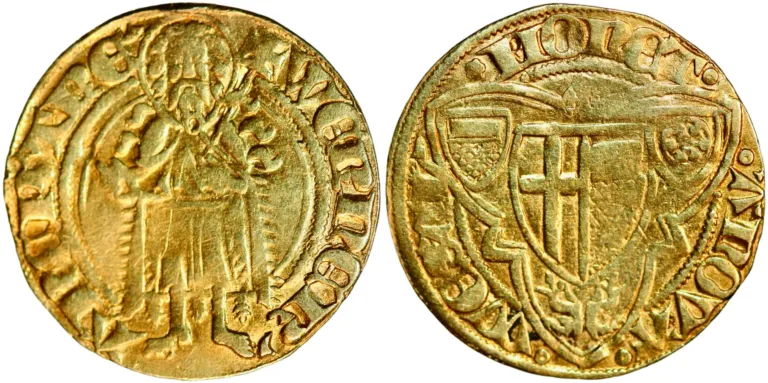
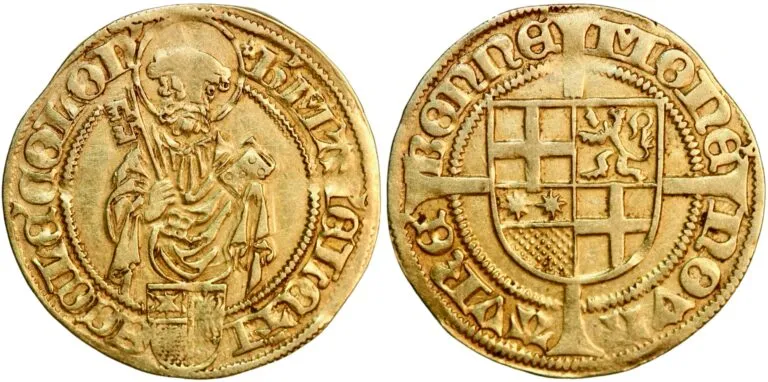
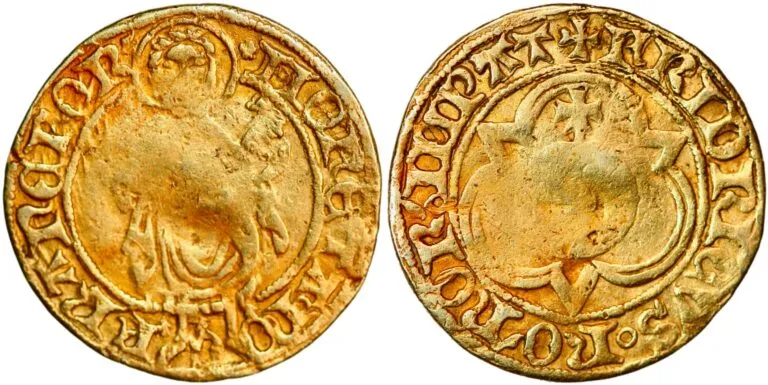
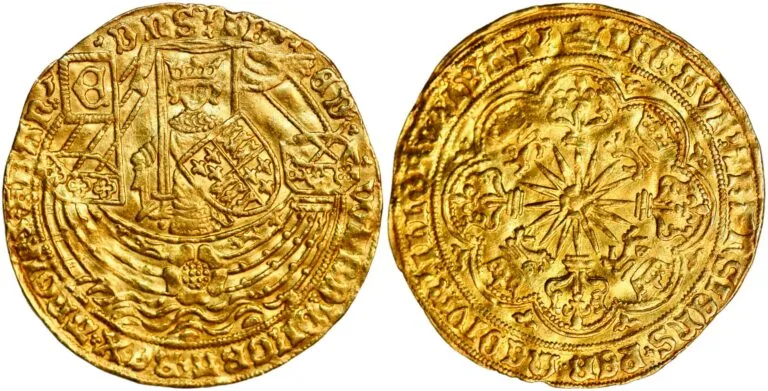
In France, Louis IX struck the first écu d’or in 1266, named after the shield of arms on the coin. Philip VI introduced the écu à la chaise in 1337, with the king enthroned beside the shield, as on this écu d’or of 1337. The German goldgulden began in 1354 as a copy of the florin, struck by the Rhineland electors, and lost a large part of its gold content in the following decades. In England, Edward III introduced the noble in 1344, with the king standing in a ship, one of the best-known designs of medieval gold.
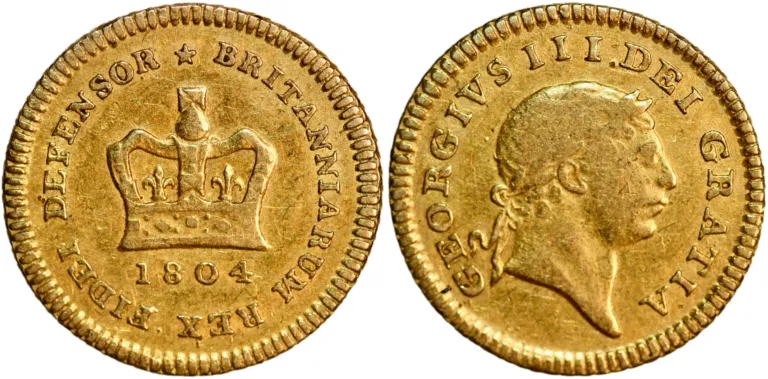
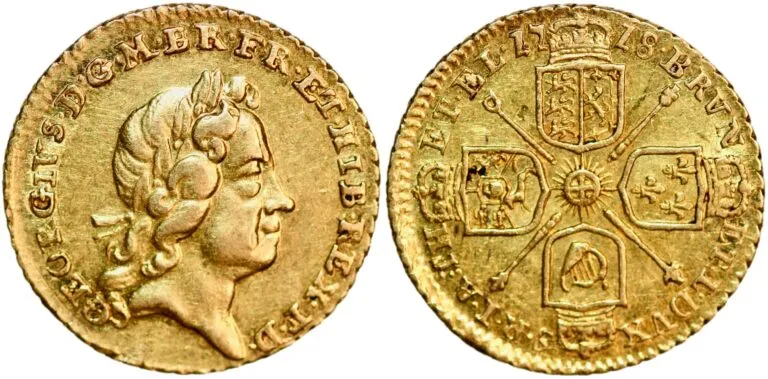
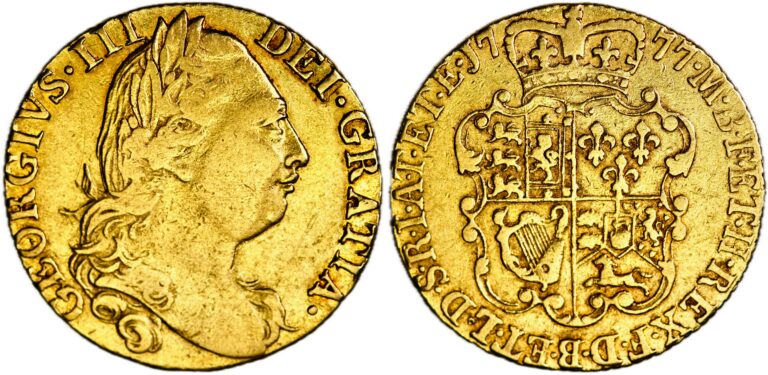
Trusted coins were copied abroad. The Dutch rose noble of 1583–1591 imitates the rose noble, or ryal, of Edward IV, with a ruler standing in a ship. In Britain the guinea was first struck in 1663 and named after gold from the Guinea region of West Africa. Its value was fixed at 21 shillings in 1717, and the quarter and third guineas were its smallest fractions. In the Islamic world the gold dinar was struck from the end of the 7th century; more of them are found under gold coins from the Middle East.
Read more in Buying gold coins as a collector, about the gold and silver from the wreck of the Akerendam in The Runde treasure, and about Norway’s own gold coinage in the 20 kroner test coin of 1909.
A bullion coin is struck in large numbers and priced on its gold content. A historic gold coin also has collector value from its age, rarity, history and condition. For the coins in this category, collector value usually accounts for most of the price.
No. Gold does not rust and normally does not tarnish, and cleaning leaves fine scratches and an unnatural shine that lower the value. Keep the coin dry in a PVC-free capsule and handle it by the edge.
The ducat was the gold coin of Venice from 1284, about 3.5 grams of almost pure gold. It was later called the zecchino, after the Venetian mint (zecca). Its weight and fineness were copied so widely that ducat became a general name for gold trade coins of this standard.
Yes. Every item is researched and described as accurately as possible, and Denarius guarantees that everything sold is genuine and as described.
Every item gets its own number when it is catalogued. The number is shown on the product page, so you always know exactly which example it is.
Yes. We ship worldwide. Shipping method and price are shown at checkout before you pay.
Read more
From the silver penny to the groat and the great gold coins: a collector's guide to medieval coins, how they were made…
Thinking of buying gold coins as a collector? Here is how collectible gold coins differ from bullion, what drives their value, and…
The 20 kroner test proof coins of 1909 were struck in tiny numbers while Norway prepared new gold coins bearing the portrait…