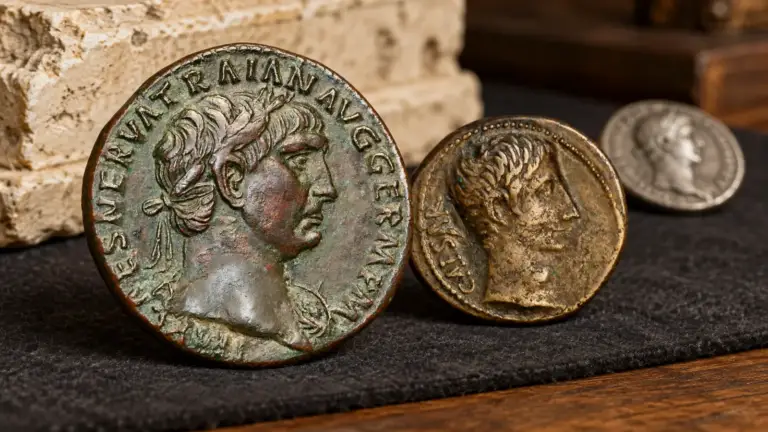
Names of Roman Coins: From the As to the Solidus
As, sestertius, denarius, antoninianus, nummus, maiorina and solidus: the names of Roman coins, what they were worth and which emperors introduced them.
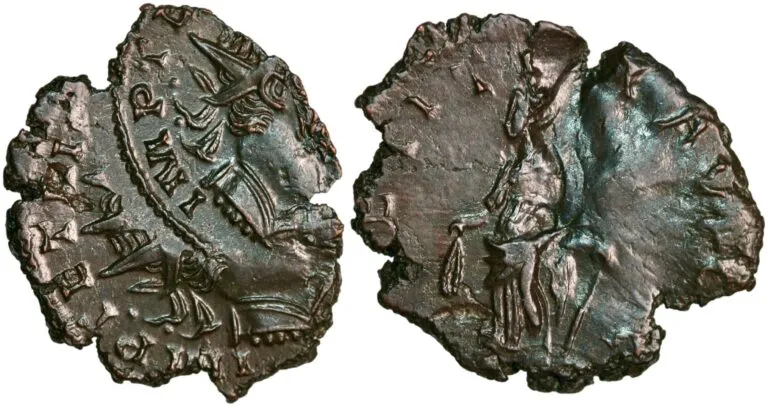
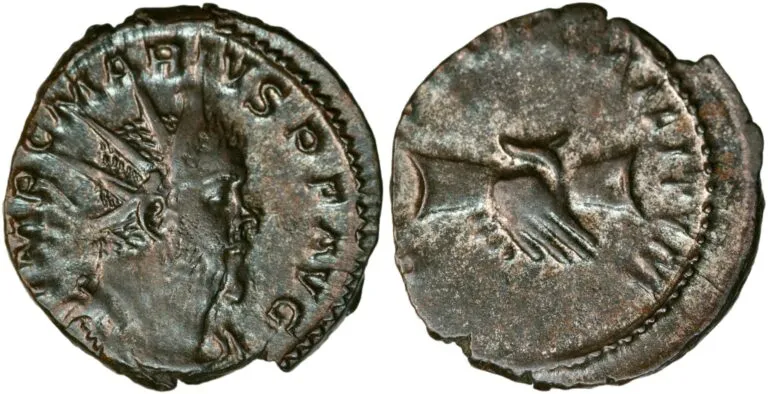
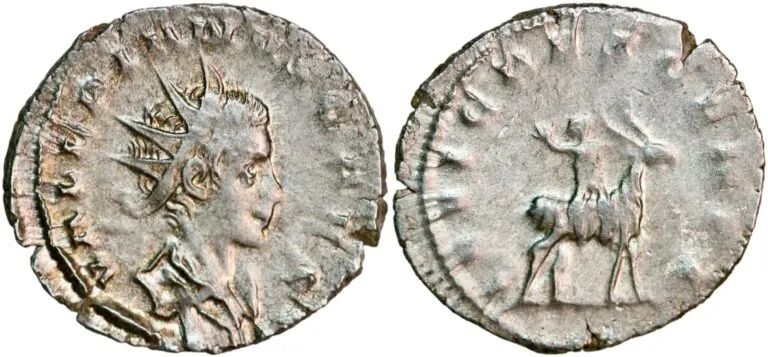
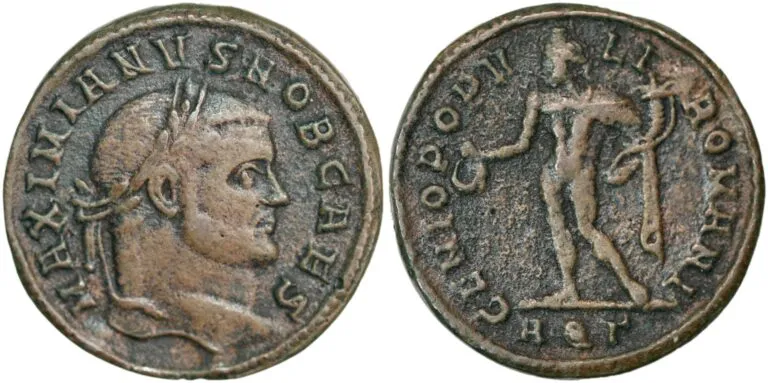
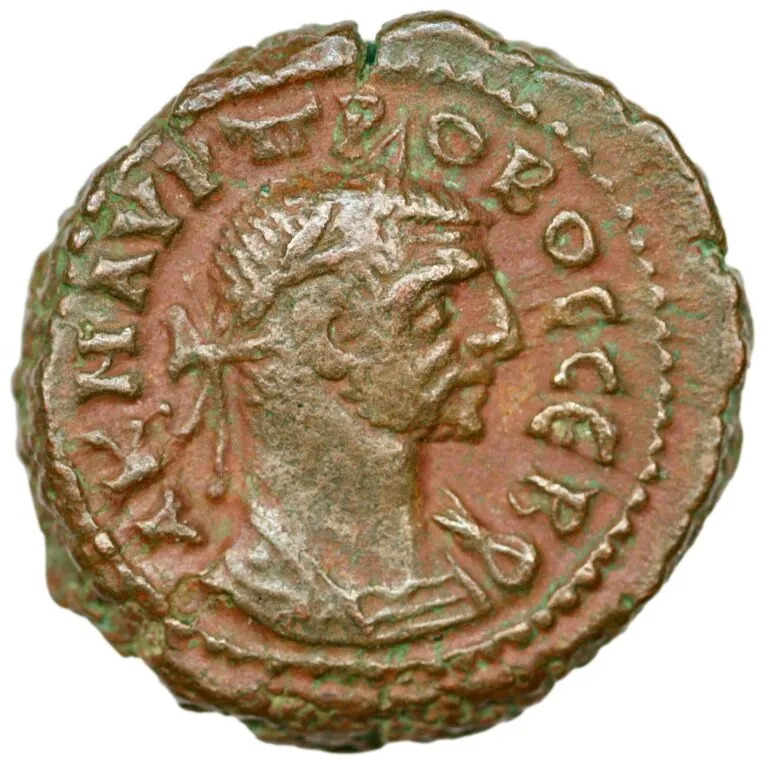
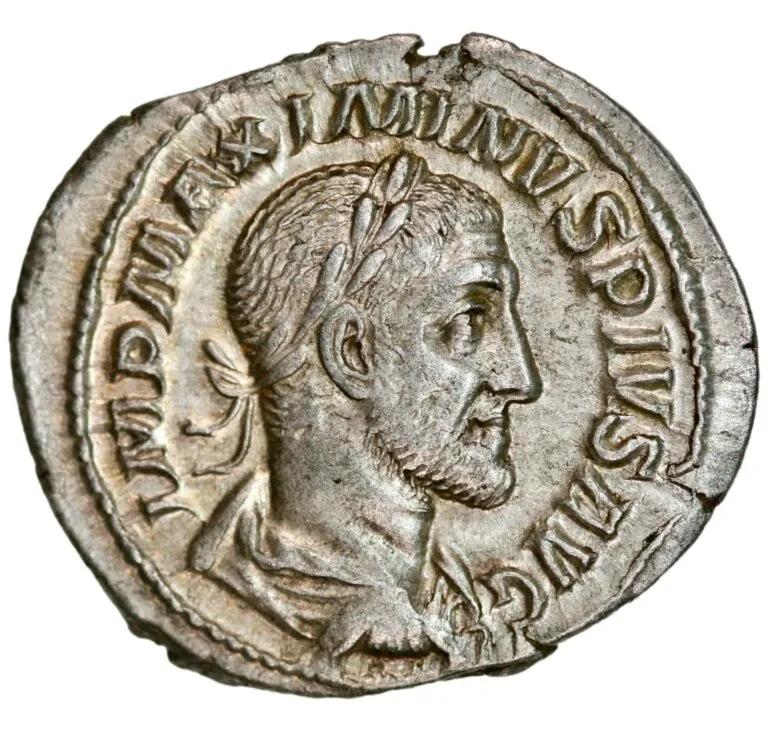
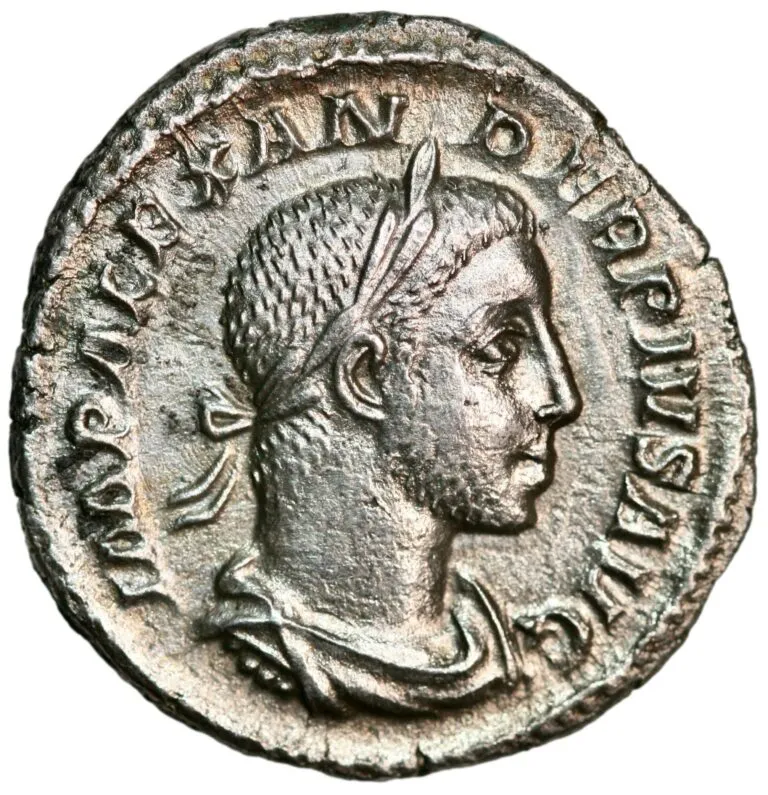
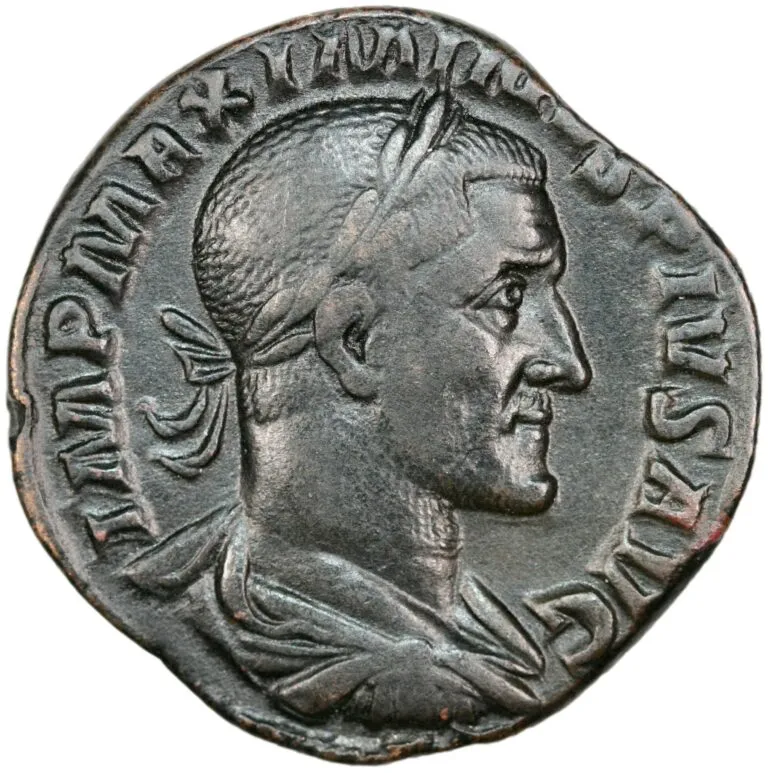
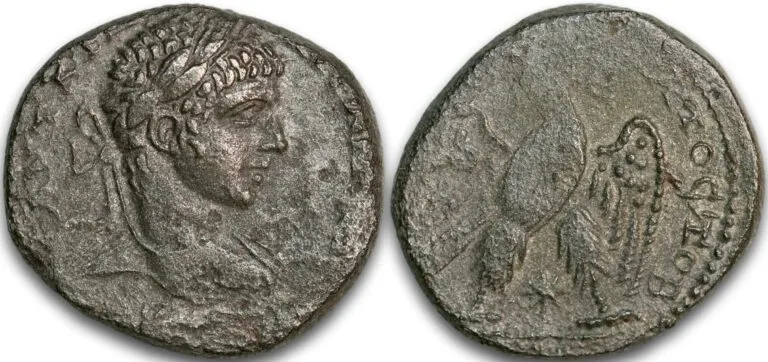
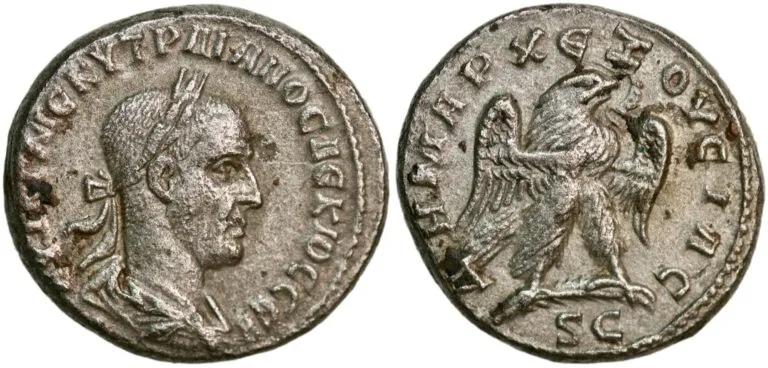
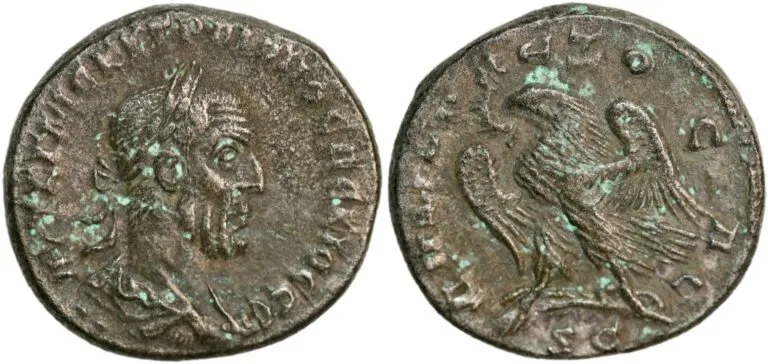
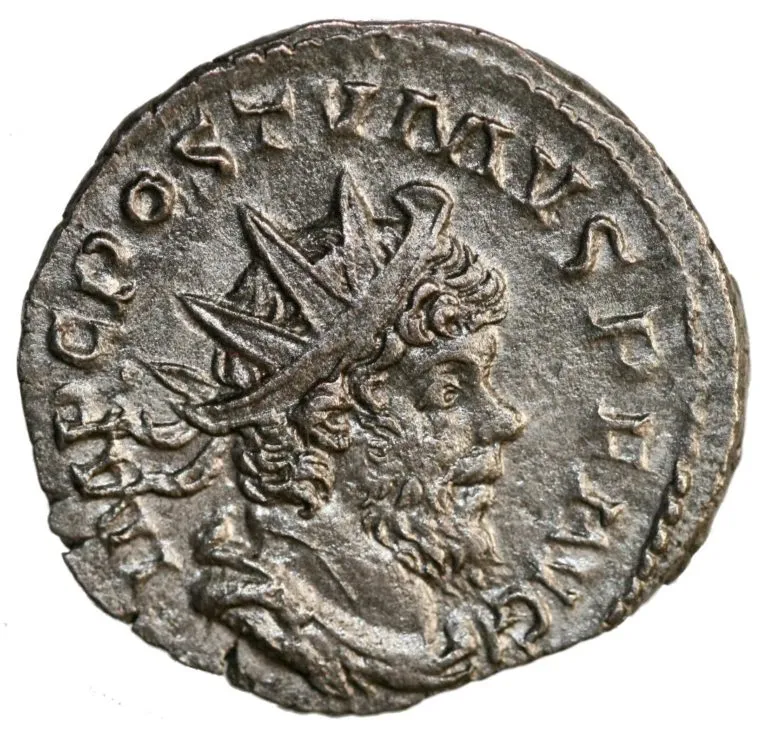
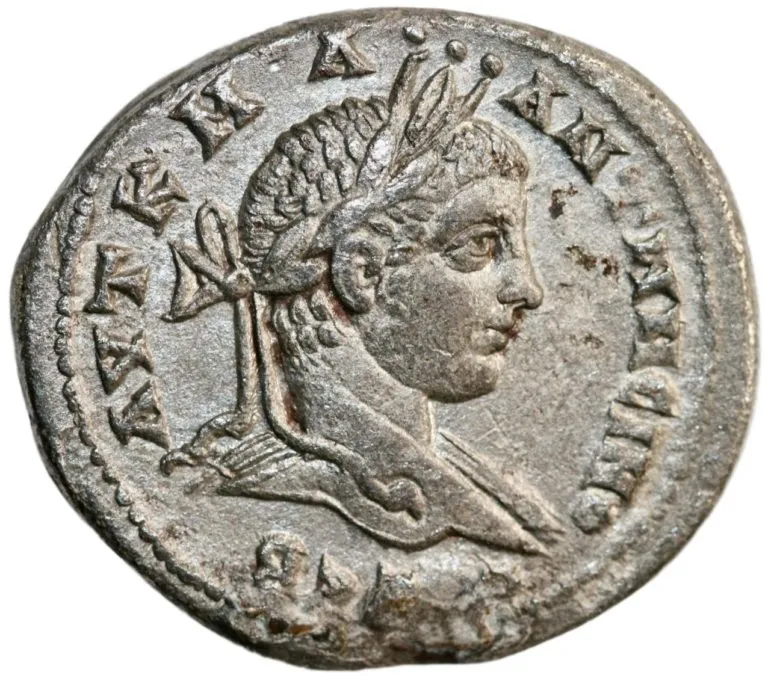
Roman coins from the 3rd-century crisis to the tetrarchy: denarii and a sestertius of Severus Alexander and Maximinus I, antoniniani of the Gallic emperors, provincial tetradrachms and a follis of Galerius. Each has its own protocol number and is guaranteed genuine.
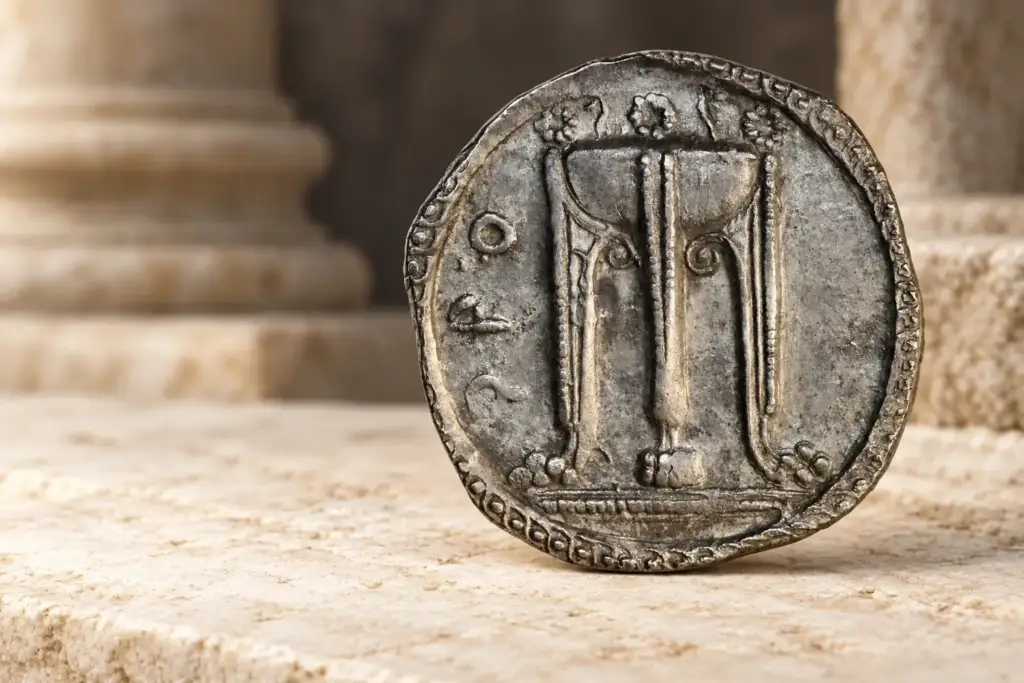
After the murder of Severus Alexander in 235, the Roman Empire went through half a century of civil wars, invasions and short reigns. Maximinus I, often called the first of the “soldier emperors”, ruled for only three years, and many of his successors fared no better. From 260 to 274 the western provinces broke away as the so-called Gallic Empire under Postumus, the short-lived Marius and finally Tetricus I, before Aurelian reunited the empire. The coins of the period are a direct record of this turmoil, with a long line of emperors and co-rulers, among them Valerian II, son of Gallienus.
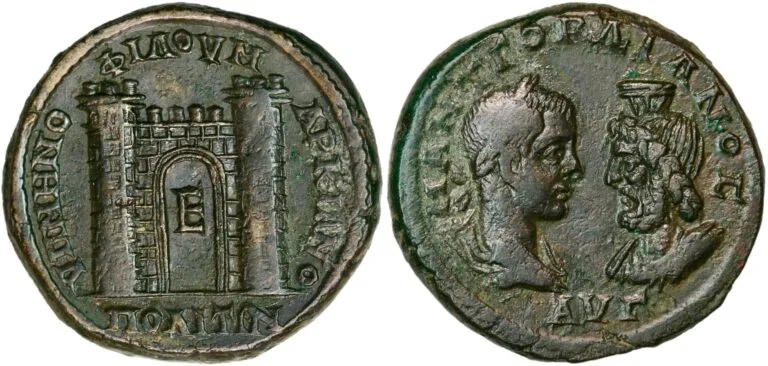
The antoninianus was introduced under Caracalla around 215. It is recognised by the radiate crown worn by the emperor, a sign that it was valued as a double denarius, even though it held less silver than two denarii. In the following decades it replaced the denarius and was steadily debased: by around 270 most antoniniani were essentially bronze coins with very little silver. The large brass sestertius also disappeared in the course of the century. The category also includes billon tetradrachms from the eastern provinces and an AE28, a large provincial bronze of Gordian III.
Diocletian (284–305) restored order through the tetrarchy, a system of two senior emperors (Augusti) and two junior ones (Caesars), and reformed the coinage around 294. The new large bronze coin with a thin silver surface, known to collectors as the follis, was struck in mints across the empire with uniform designs. Galerius, Caesar under Diocletian, is represented by a follis from the 290s. The story continues under 314 – 476 AD.
Coins of the 3rd century vary greatly in quality, since many were struck in haste on irregular flans. Collectors look for a full legend, a clear portrait and, on antoniniani, remaining silvering. The Gallic emperors and other short-lived rulers are especially sought after. More coins from the period before 221 are found under 27 BC – 220 AD.
The antoninianus is a Roman coin introduced under Caracalla around 215, valued as a double denarius. It is easy to recognise because the emperor wears a radiate crown. During the 3rd century it became the main coin of the empire and lost most of its silver.
Constant wars and the need to pay the army led the emperors to strike more coins from the same amount of silver. The silver content of the antoninianus fell from around half to only a few per cent by about 270, which contributed to rising prices.
Follis is the name collectors use for the large bronze coin introduced in Diocletian's reform around 294. It originally had a thin silver surface and was struck with uniform designs in mints across the empire. What the coin was called in antiquity is uncertain.
Yes. Every item is researched and described as accurately as possible, and Denarius guarantees that everything sold is genuine and as described.
Every item gets its own number when it is catalogued. The number is shown on the product page, so you always know exactly which example it is.
Yes. We ship worldwide. Shipping method and price are shown at checkout before you pay.
Read more
As, sestertius, denarius, antoninianus, nummus, maiorina and solidus: the names of Roman coins, what they were worth and which emperors introduced them.
From Anastasius' big follis of 498 to the fall of Constantinople in 1453: how to read Byzantine coins, what the M and…
Cleaning ancient coins usually does more harm than good. Here is when to leave a Roman coin alone, and how to clean…